
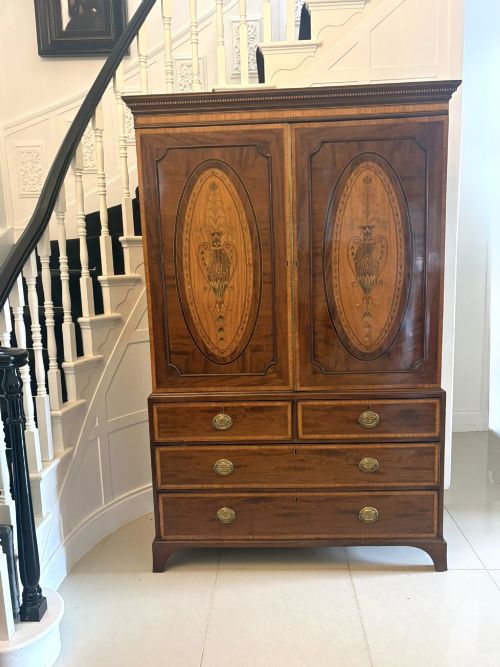
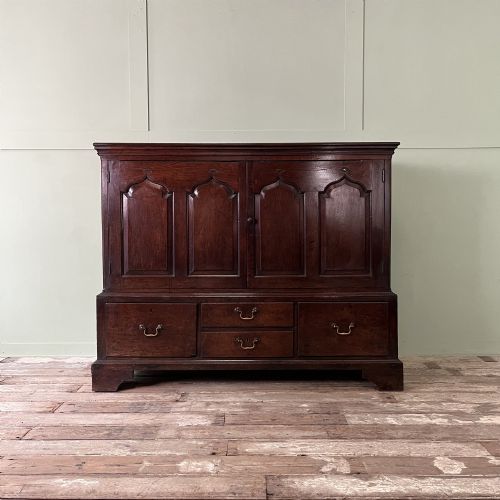
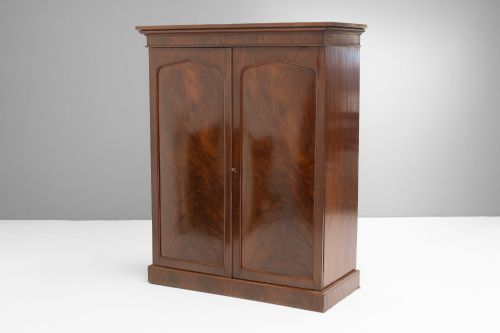
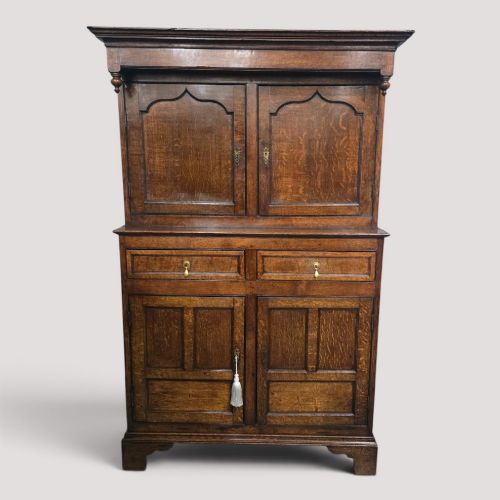



Georgian Housekeepers Cabinet
A georgian housekeepers cabinet is a substantial storage piece designed for domestic organisation, offering deep shelving and linen storage built from solid timbers like oak and mahogany.
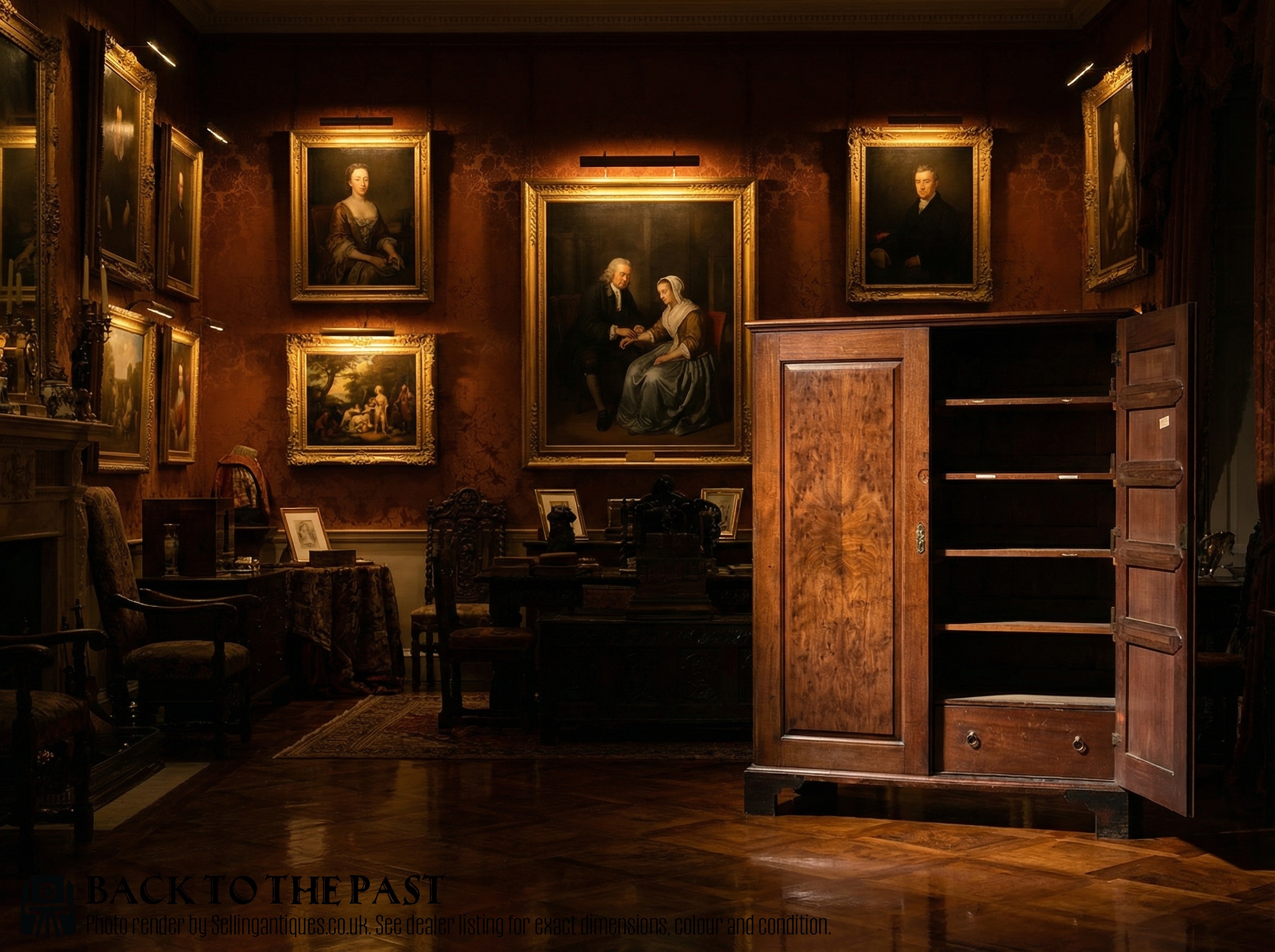
Georgian Housekeepers Cabinet
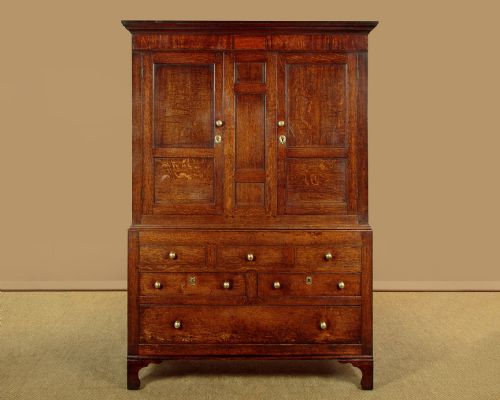
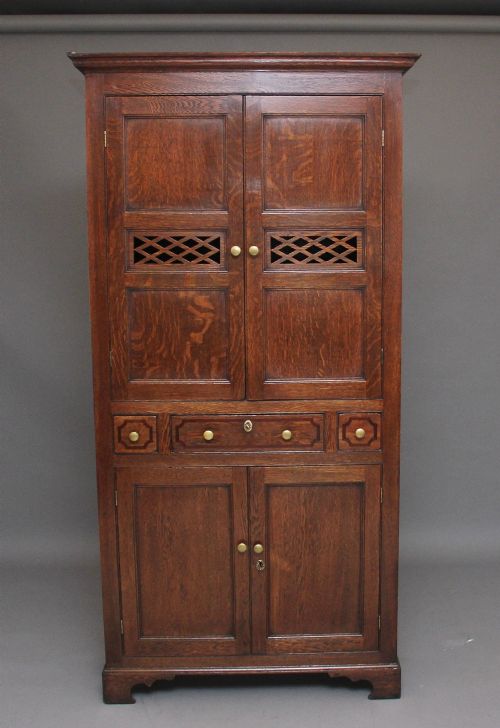
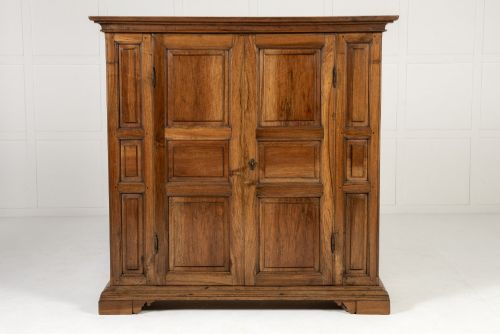
A georgian housekeepers cabinet is a traditional storage piece that served a vital role in domestic organisation, housing household linens, food provisions, and estate records. These pieces often take the form of linen presses, press cupboards, or large two-stage storage units designed for utility and display.
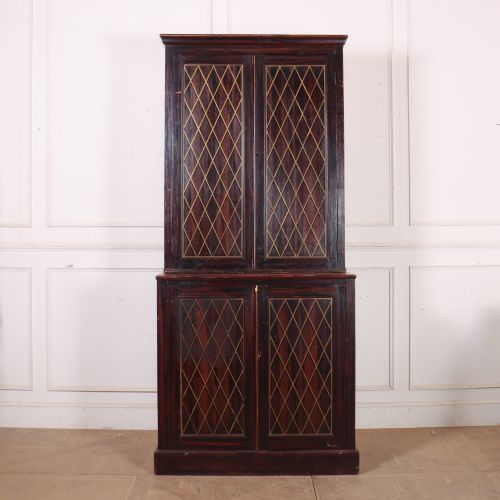
The examples found on this page span the eighteenth and nineteenth centuries, reflecting the transition from vernacular country workshops to more refined urban cabinet making. Oak and mahogany are the dominant timbers, shaped into functional forms ranging from simple panelled food cupboards to elaborate cross-banded estate cabinets.
Regional variations appear frequently, particularly through Welsh vernacular styles such as the deuddarn and local oak furniture traditions. Buyers will also encounter painted finishes, sometimes applied later in the nineteenth century, which alter the raw appearance of the original pine or oak structure.
What Varies in Quality
The structural integrity of the timber forms the primary distinction in quality, with tight-grained old-growth oak and well-figured mahogany representing superior craftsmanship. Pieces that retain their original internal linen slides, shelving, and backboards command greater interest than those altered or stripped over time.
Subtleties in proportion and regional detailing separate standard utility cupboards from finer estate pieces. Cross-banding, inlay work, and the crispness of mouldings indicate the level of skill invested by the original maker.
Listings feature items built from oak, mahogany, pine, and painted finishes, spanning the seventeenth to the nineteenth centuries.
The Georgian Housekeepers Cabinet Glossary
- Linen Press
- A large cabinet featuring upper sliding trays or shelves enclosed by doors, traditionally used for storing pressed household linen. The base often contains drawer storage for bulkier items.
- Deuddarn
- A traditional Welsh two-section cupboard characterised by an upper enclosed stage resting on a deeper lower base. This regional vernacular form frequently appears in oak.
- Cross-banding
- A decorative technique where veneer strips are applied across the grain of the primary wood around the border of a door or drawer front. It creates a contrasting visual frame.
- Escutcheon
- A protective plate surrounding a keyhole, usually fashioned from brass or iron. It prevents the wood around the lock from sustaining damage through repeated use.
- Estate Cabinet
- A large multi-functional storage unit utilised for managing estate records, provisions, and textiles. These pieces often feature fitted interiors tailored for specific administrative tasks.
Georgian Housekeepers Cabinet: Frequently Asked Questions
What is a housekeepers cabinet used for?
These large cabinets served as the central storage hub for a large household, holding table linen, bedsheets, and dry provisions. The upper sections typically kept textiles organised on sliding trays, while lower drawers and cupboards held heavier items.
In country houses and large estates, they provided secure storage under the direct supervision of the housekeeper. Their sturdy construction ensured that valuable textiles remained protected from dust and dampness.
How do I tell an 18th century piece from a 19th century one?
Eighteenth-century examples are predominantly constructed from solid oak with pegged frame-and-panel joints, often displaying simpler vernacular forms or regional characteristics. Mahogany became more widely utilised toward the end of the eighteenth century and into the nineteenth.
Nineteenth-century pieces frequently incorporate machine-sawn timbers, thinner backboards, and standardised hardware fittings. Later additions or painted surfaces applied during the Victorian period also help distinguish nineteenth-century examples from earlier originals.
Are these cabinets made of solid wood?
The vast majority of these pieces are constructed from solid native and imported timbers, including oak, mahogany, and pine. Cabinet makers utilised solid boards for structural stability, frame construction, and heavy shelving.
While solid timber dominates, some later pieces incorporate veneered surfaces on drawer fronts or cabinet doors to display decorative wood grain patterns. Secondary woods like pine are often found inside drawer linings and backboards.
Can I fit a housekeepers cabinet in a modern home?
These cabinets are notably large and deep, requiring substantial wall space and careful measurement of ceiling heights and access doorways before placement. Many examples separate into two distinct upper and lower stages to facilitate transport and installation.
Their generous internal capacity makes them practical for modern living as wardrobe alternatives, linen storage, or kitchen larders. Placing them away from direct heat sources helps protect the historic timber from drying out.