




Chippendale Style Cupboard
A chippendale style cupboard brings architectural presence and rich timber figures into a room, offering practical storage through time-honoured cabinet-making traditions.
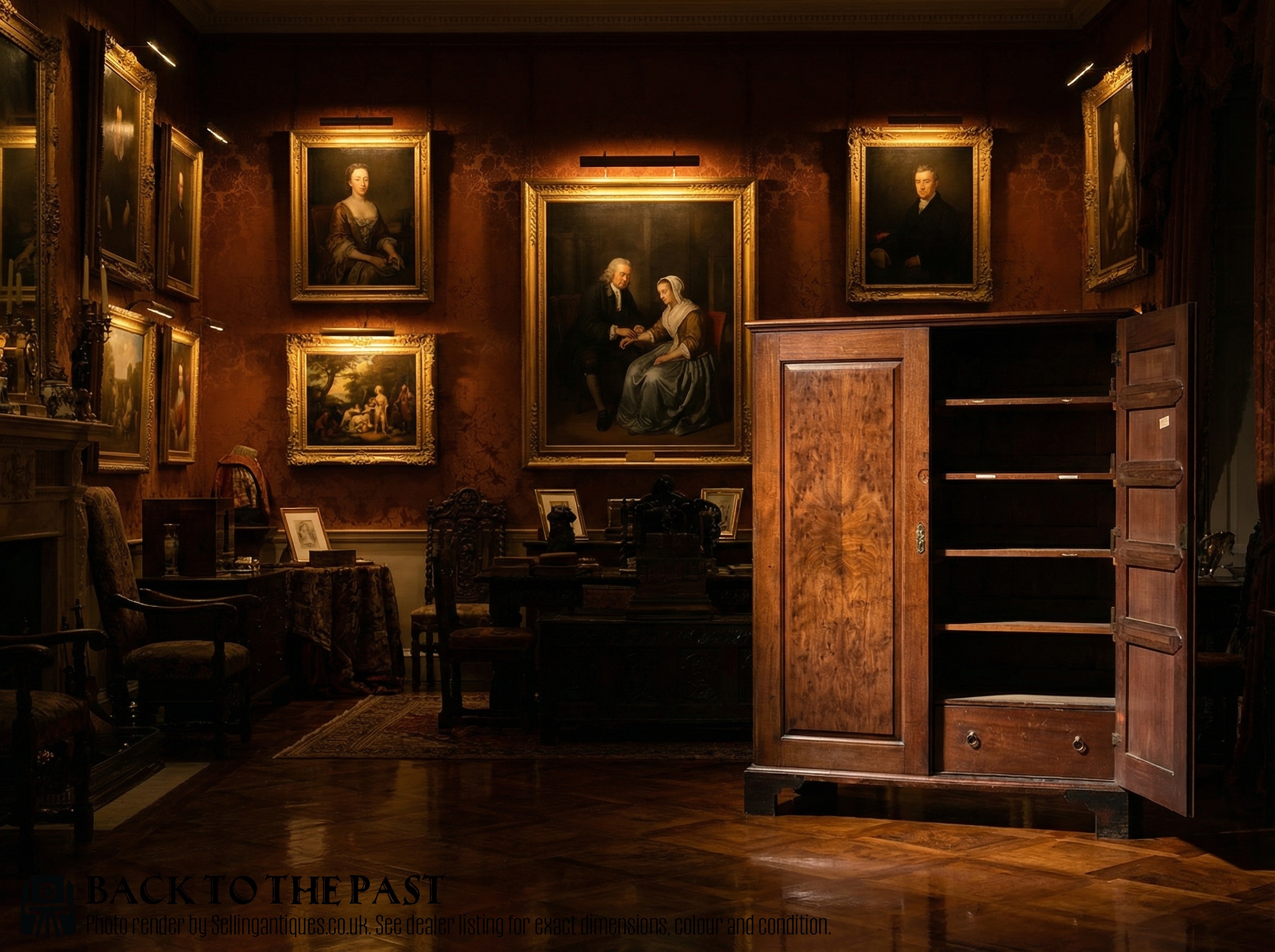
Chippendale Style Cupboard
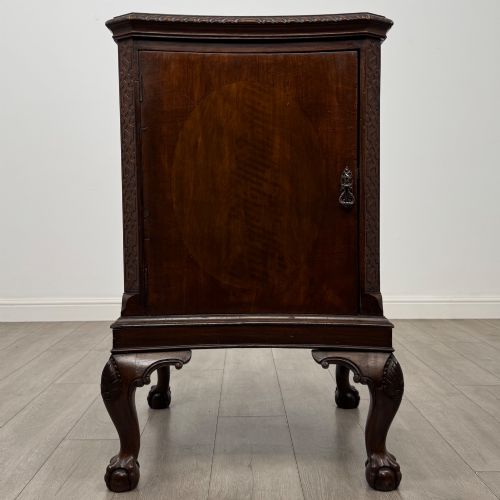
When you search for a chippendale style cupboard, you enter a field defined by mahogany construction, revival movements, and functional storage forms. Pieces range from grand breakfront bookcases and linen presses to corner cabinets and bedside tables.
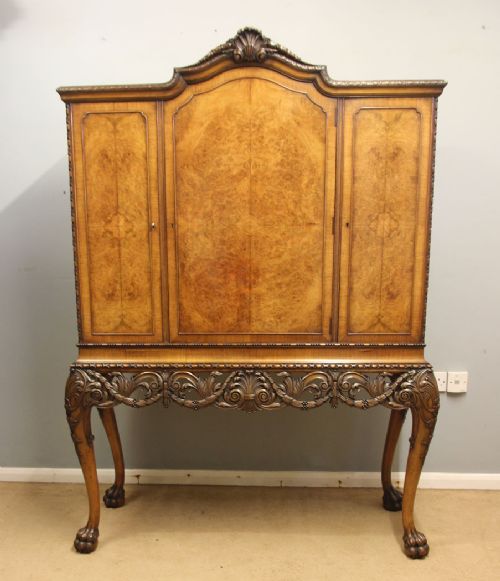
The material record shows a strong presence of mahogany, alongside flame mahogany veneer and burr walnut. Surviving examples span the Georgian period through to Edwardian and early twentieth-century revivals.
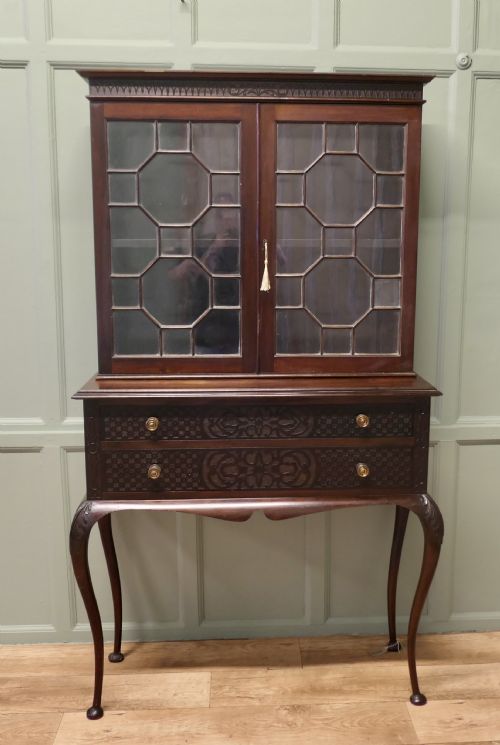
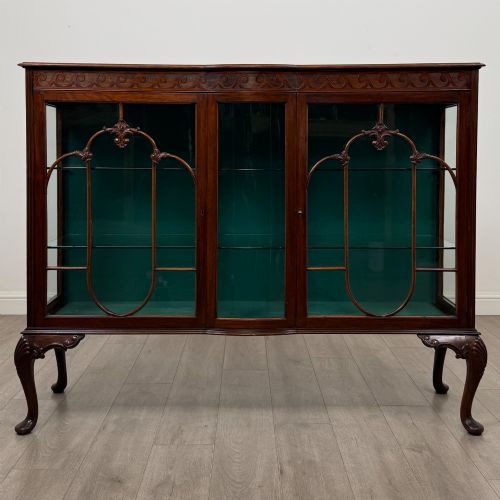
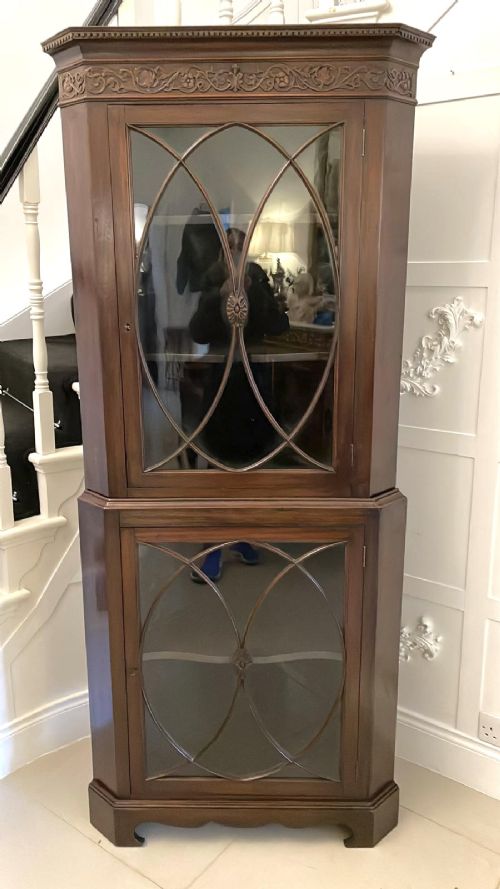
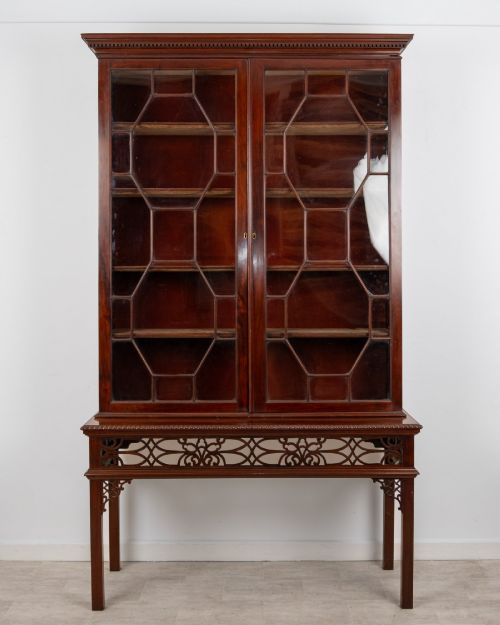
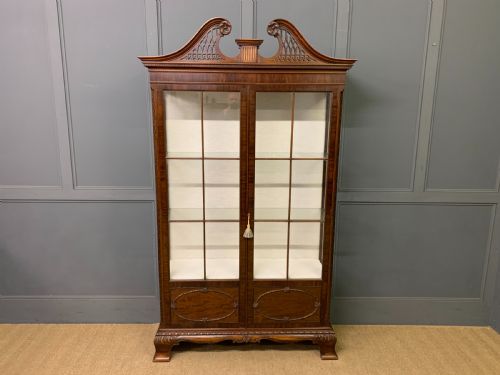
Display cabinets and glazed bookcases dominate the selection, often featuring astragal glazing bars and carved details. Buyers frequently encounter nineteenth-century interpretations alongside genuine eighteenth-century origins.
Materials and construction methods
Cabinet-makers relied primarily on solid mahogany and carefully selected veneers, paired with secondary timbers for internal drawer linings and carcass backs. Glass panes were fitted into timber frames with astragal bars to create glazed doors for display pieces.
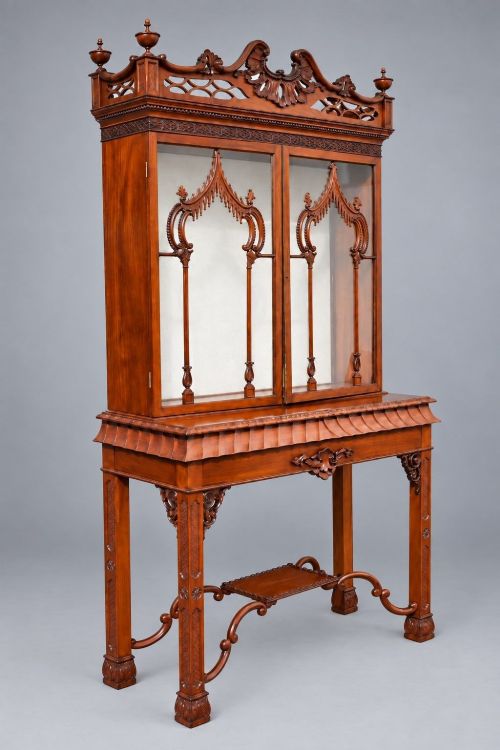
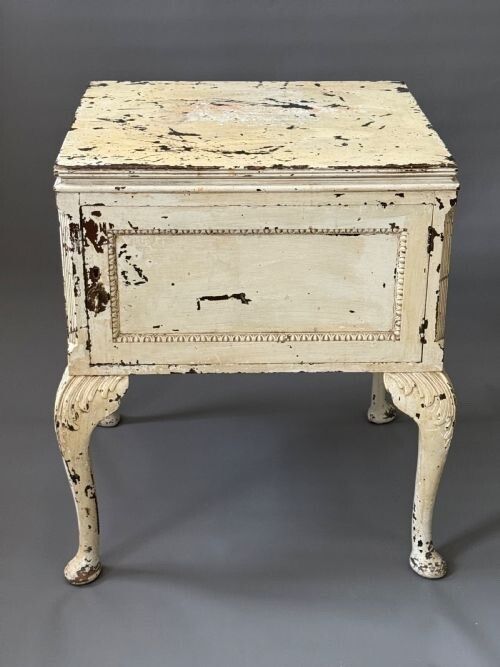
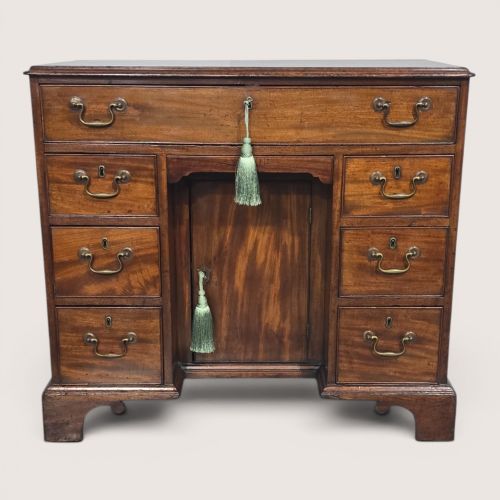
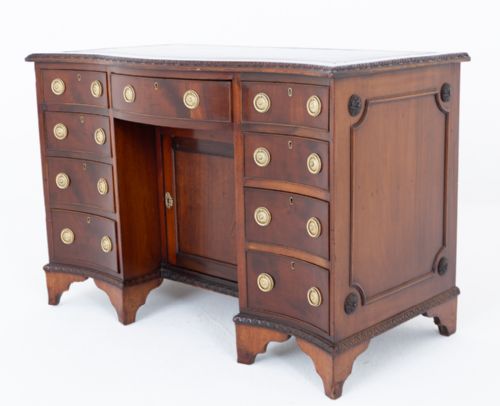
Decorative surfaces frequently incorporate carved mouldings, fretwork, and applied brass hardware such as drop handles and escutcheons. Paint finishes and fine figure veneers add visual depth to linen presses, desks, and side cabinets.
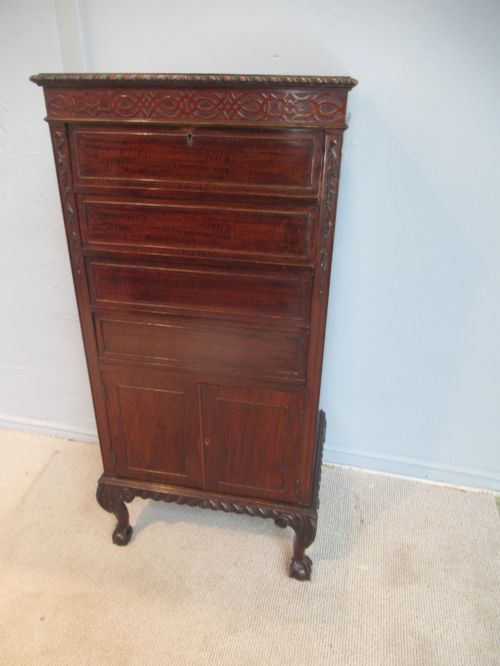
One piece listed as a music or file cabinet demonstrates how traditional cabinet makers adapted to modern office storage needs by nineteen-twenty.
Evaluating craftsmanship and proportion
Quality reveals itself in the crispness of carved details, the choice of timber figure, and the architectural balance of cornices and base plinths. Superior examples display thoughtful grain alignment across drawer fronts and cabinet doors.
Internal joinery, such as hand-cut dovetails on drawers and substantial framing on larger wardrobes and linen presses, separates standard commercial production from finer workshop output.
Thomas Chippendale·Waring S Gillows
The Chippendale Style Cupboard Glossary
- Astragal glazing
- Timber bars dividing glass panes into smaller geometric sections within a door frame. This technique lightens the visual weight of large bookcases and display cabinets.
- Serpentine front
- A furniture front curving outward in the centre and inward at the sides, or vice versa. This fluent contour demands advanced woodworking skill to execute properly.
- Linen press
- A tall storage piece comprising an upper section with sliding trays and a lower chest of drawers. Originally designed for storing household linens flat.
- Chippendale revival
- A period of nineteenth and twentieth-century furniture production imitating eighteenth-century designs. Workshops reinterpreted classical Chinese and Gothic motifs for contemporary homes.
- Flame mahogany veneer
- Timber sliced from the fork of a mahogany tree to produce a flickering, flame-like grain pattern. Cabinet-makers used this to create striking symmetrical patterns on principal surfaces.
Chippendale Style Cupboard: Frequently Asked Questions
What is a chippendale style cupboard?
These pieces encompass storage furniture influenced by eighteenth-century design principles, spanning original Georgian items to later revival iterations. They typically feature mahogany timber, formal proportions, and decorative carving.
Functionally, they serve as display cabinets, linen presses, or bookcases, combining enclosed storage with architectural presence.
How do I date a mahogany cabinet?
Dating relies on examining construction techniques, timber characteristics, and hardware fixings alongside stylistic details. Eighteenth-century pieces generally show hand-cut dovetails and native timber framing.
Revival pieces from the Victorian and Edwardian eras often incorporate machine-sawn elements and standardised internal fittings while retaining classical revival motifs.
Where should I place a corner cabinet?
Corner cabinets utilise awkward room junctions efficiently, turning dead space into display or storage areas. Hanging models mount directly to walls, while floor-standing variants anchor room corners.
They work well in dining rooms or living spaces for storing tableware or books behind glazed doors.
Are these cabinets suitable for modern homes?
Their classic proportions and rich timber tones allow them to integrate easily into contemporary interiors. They provide functional storage for modern living requirements while adding historical character.
Smaller variants like bedside cabinets or media-adjacent side tables adapt well to daily domestic use.