
George III Cupboard
A george iii cupboard brings domestic storage from the late eighteenth and early nineteenth centuries into the modern home with architectural grace.
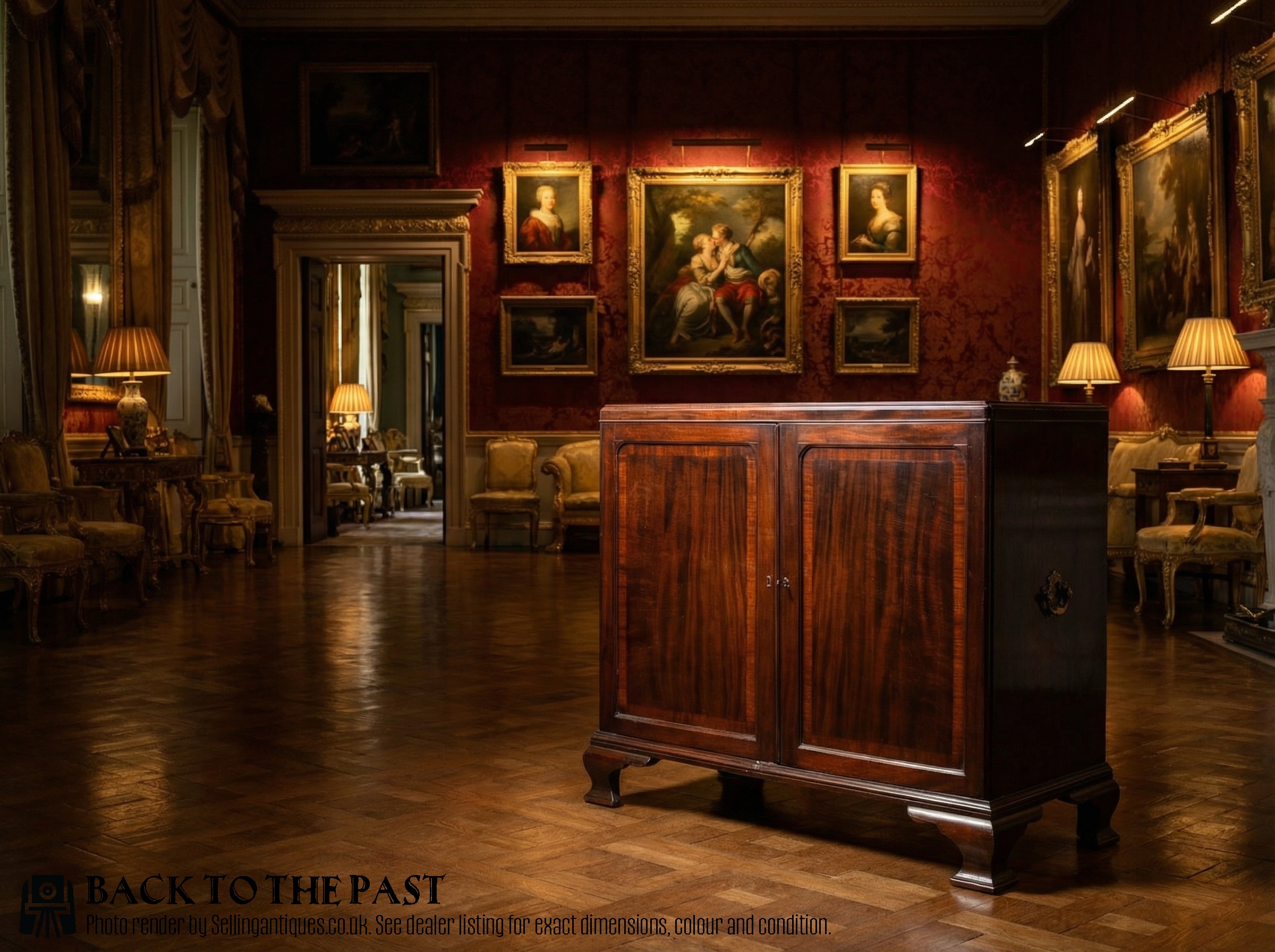
Forms and Origins
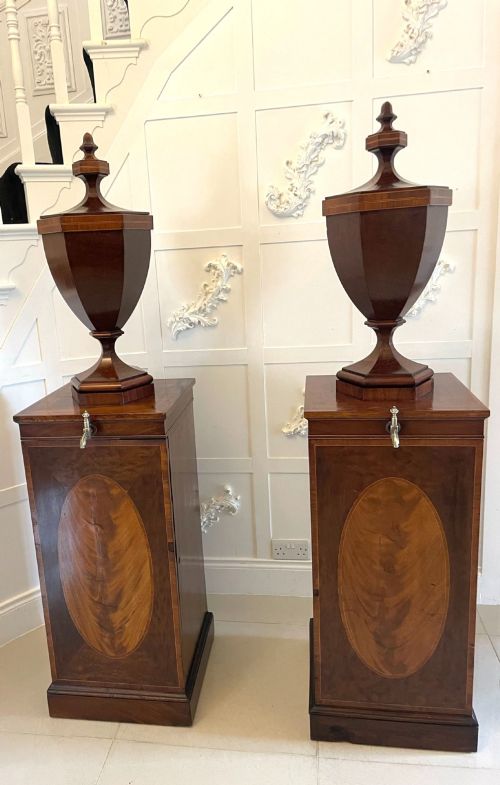
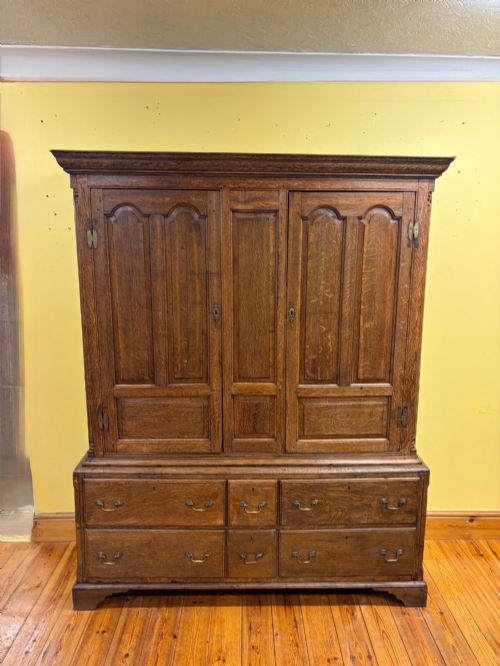
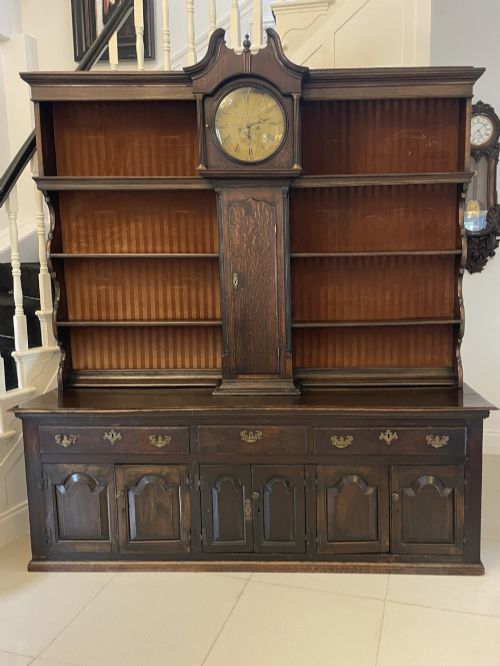
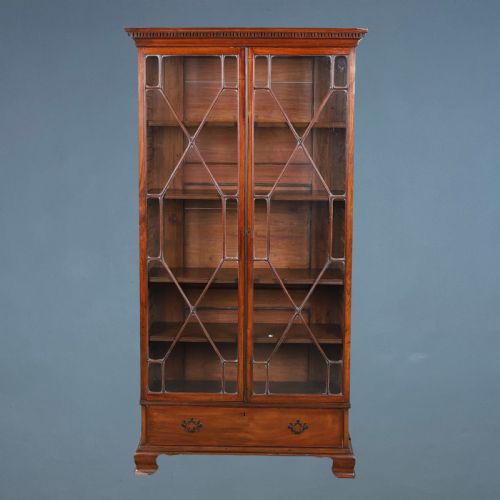
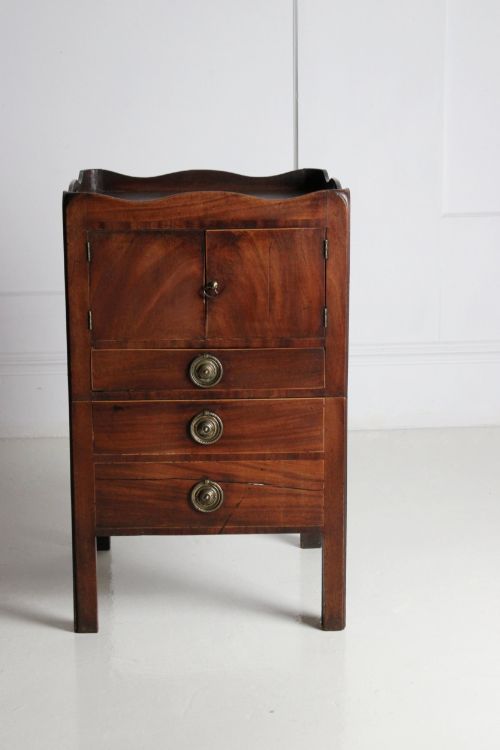
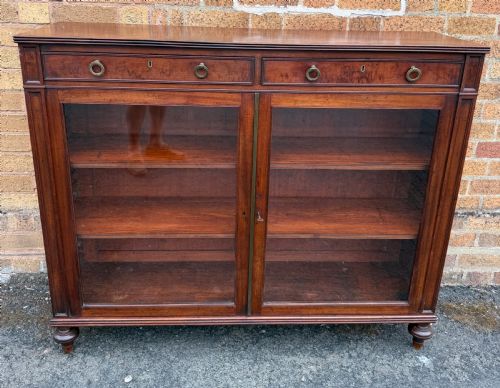
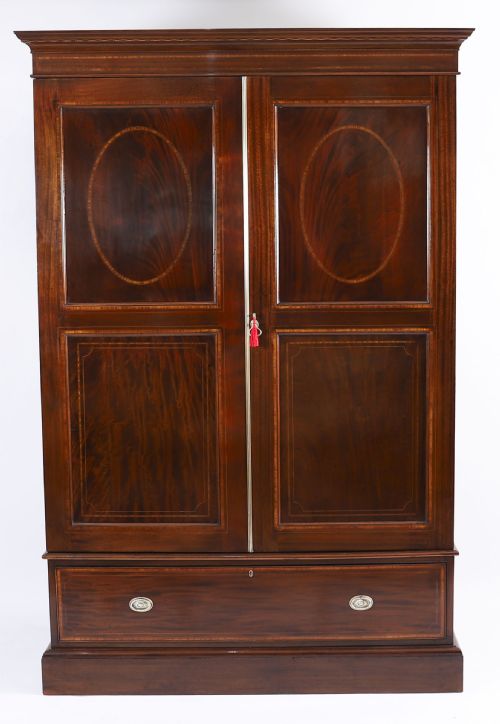
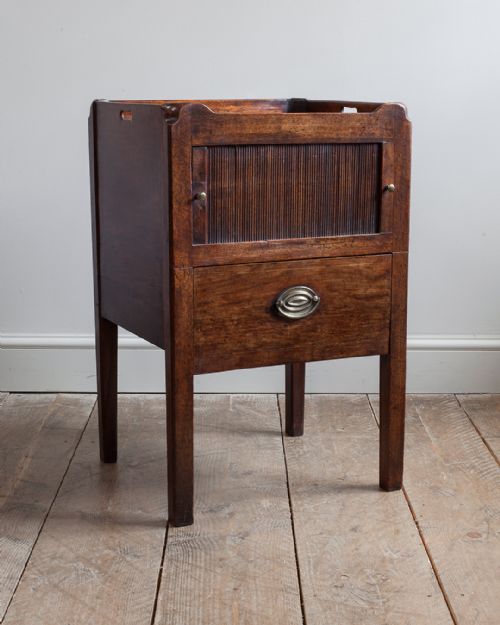
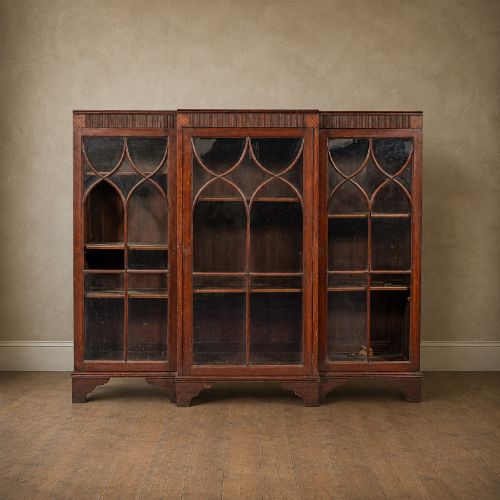
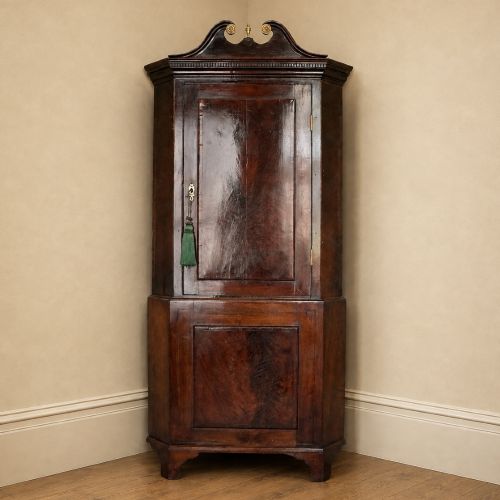
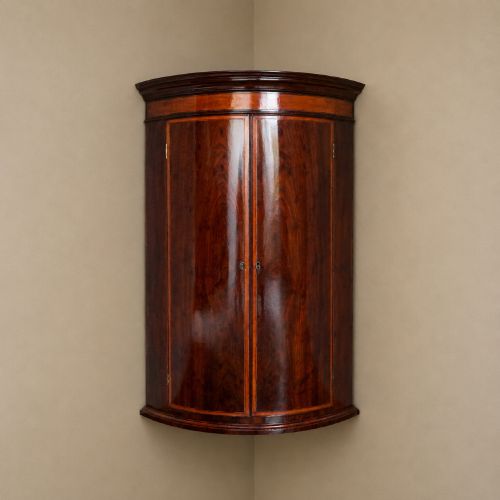
When searching for a george iii cupboard, buyers encounter a diverse array of domestic storage solutions ranging from compact bedside commodes and pot cupboards to tall floor-standing corner cabinets and expansive linen presses. The pieces on this page span the Georgian period, with many examples originating from the second half of the eighteenth century through to the early decades of the nineteenth century.
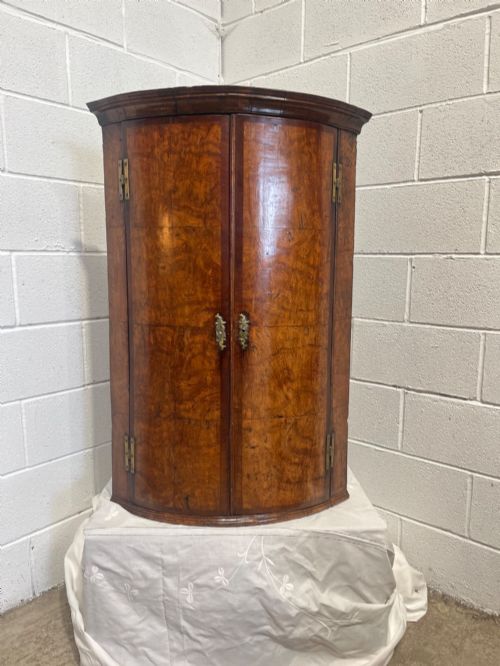
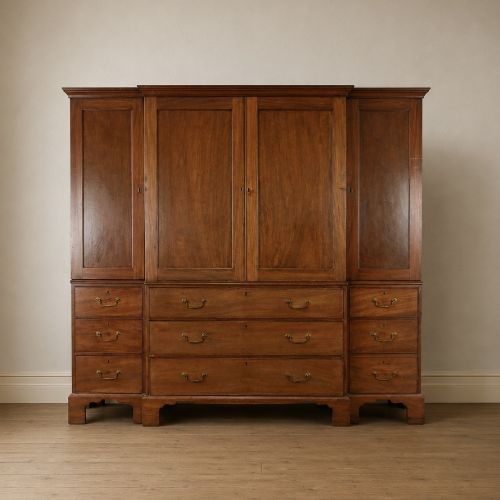
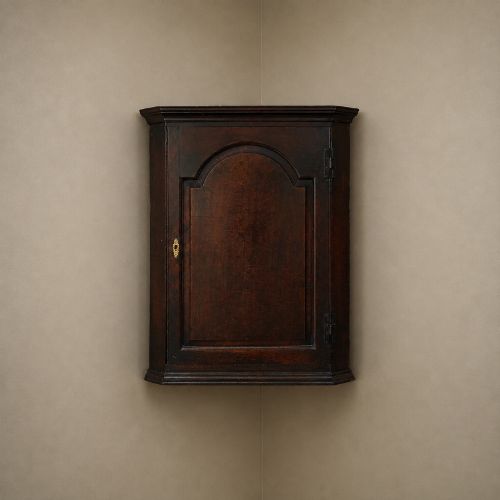
Corner cupboards dominate the selection, appearing in both hanging wall-mounted formats and substantial floor-standing variations designed to fit neatly into domestic interiors. Larger case pieces such as gentleman's presses, mule chest conversions, and bookcase cupboards also emerge across the listings, reflecting the varied storage needs of households during the period.
Materials and Construction
Makers of the period relied heavily on mahogany as a primary timber, utilising rich grains including flame mahogany, plum pudding mahogany, and standard variants alongside contrasting satinwood bandings and decorative inlay. Other woods recorded in the evidence include oak, walnut, elm, pine, and burr oak, demonstrating a practical approach to local timber availability alongside more exotic imported hardwoods.
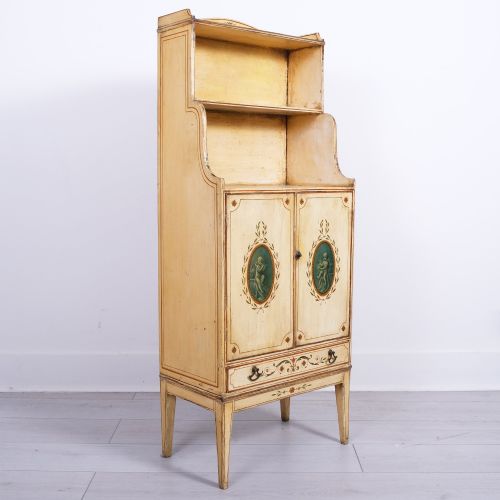
Surface ornamentation involved specialist techniques such as chinoiserie lacquering with gilt decoration, alongside structural details like brass hardware, bone accents, and integrated spice drawers. Cabinets were constructed to stand independently or hang securely, combining traditional joinery with decorative veneering to create durable storage furniture.
Retail Price Guide 2026
Typical UK retail prices for george iii cupboard, calculated from the Sellingantiques database of over a million retail prices indexed since 2003. This retail price guide relies exclusively on Sellingantiques data; no external sources or auction records are used, so the figures do not describe the wider market.
Corner configurations dominate the available forms, spanning hanging wall units, tall floor-standing models, and double-door variations.
Assessing the Standard
Quality in these storage pieces rests upon the selection of timber and the sophistication of the decorative embellishments applied by the cabinet maker. Pieces featuring figured timbers, intricate satinwood banding, or specialised lacquering stand apart from simpler utilitarian oak and pine storage vessels.
Proportion and the retention of original hardware, brass fittings, and interior configurations also dictate the standing of an individual piece. Refined details like bowed fronts, specialised corner formatting, and well-executed joinery distinguish standard utilitarian furniture from more ambitious workshop productions.
The George III Cupboard Glossary
- Corner Cupboard
- A storage unit specifically built with an angled back to fit neatly into the corner of a room, appearing in both floor-standing and wall-hanging formats. These items maximise floor space while offering accessible shelving.
- Linen Press
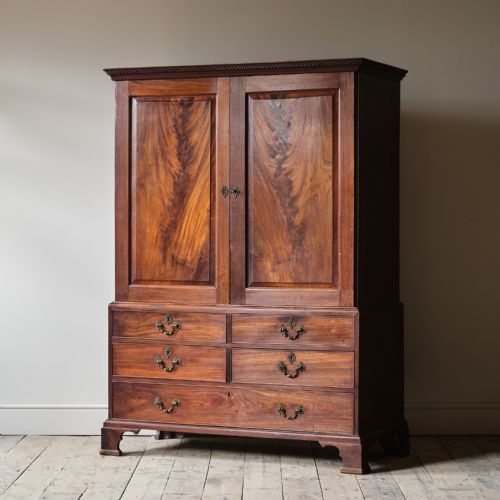
- A large standing wardrobe featuring upper doors enclosing sliding trays or shelves, often paired with lower drawers for comprehensive garment storage. These tall case pieces frequently display fine mahogany or inlaid detail.
- Pot Cupboard
- A small bedside cabinet designed to house a chamber pot, typically featuring a single door and a small enclosed surface top. They provide compact storage alongside sleeping quarters.
- Satinwood Banding
- A decorative technique involving thin strips of pale satinwood inlaid into darker primary timbers to create contrasting geometric borders. This method highlights the linear geometry of Georgian case furniture.
- Chinoiserie
- A decorative style inspired by European interpretations of Chinese artistic traditions, often executed in lacquer and gilt on cabinet doors. This technique introduces raised pictorial scenes to the wooden surface.
Frequently Asked Questions
What is a george iii cupboard used for today?
These pieces serve practical storage roles in modern rooms just as they did centuries ago, functioning as corner display units, bedside tables, or linen cabinets. Their traditional proportions allow them to fit into alcoves and corners while introducing period character.
Larger floor-standing cabinets and presses provide substantial concealed storage for contemporary clothing, tableware, or books. Meanwhile, smaller wall-hung versions organise tighter spaces without consuming floor area.
How do I identify a george iii cupboard?
Identification relies on observing structural characteristics, timber selections, and stylistic traits consistent with the Georgian era between 1760 and 1820. Pieces often utilise solid mahogany, oak, or pine, sometimes enhanced with satinwood banding, inlay, or brass hardware.
Construction methods reflect eighteenth-century cabinet making, including hand-cut dovetails in drawer construction and traditional panel door assembly. Regional variations, such as Channel Islands pieces, also exhibit distinct local building traits.
Were corner cupboards meant to be fixed to walls?
Corner cupboards exist in two distinct formats, with some designed to hang directly from walls using built-in brackets and others built as floor-standing units. Hanging variants are typically lighter and smaller, intended to occupy upper wall spaces.
Floor-standing versions rest entirely on the ground and often feature deeper storage compartments, sometimes divided into upper and lower sections. Both types were engineered to utilise the neglected angles of period rooms efficiently.
What woods were used in these cabinets?
Mahogany served as the predominant timber for finer pieces, appearing in variations like flame mahogany, plum pudding mahogany, and standard straight-grained stock. Satinwood was frequently utilised for contrasting inlay and decorative banding.
More utilitarian or regional examples frequently employ oak, elm, walnut, pine, or burr oak. Lacquered pieces often use a softwood or hardwood base beneath layers of pigmented varnish and gilt decoration.