


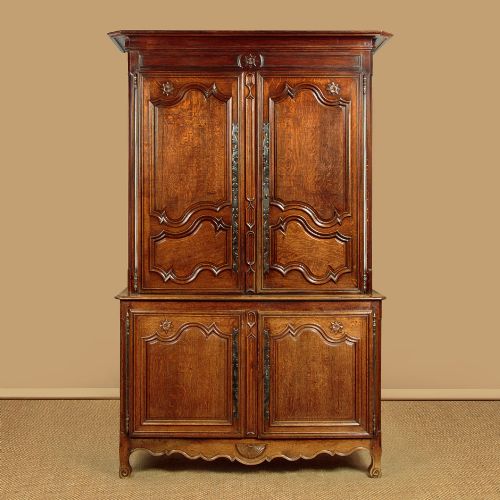
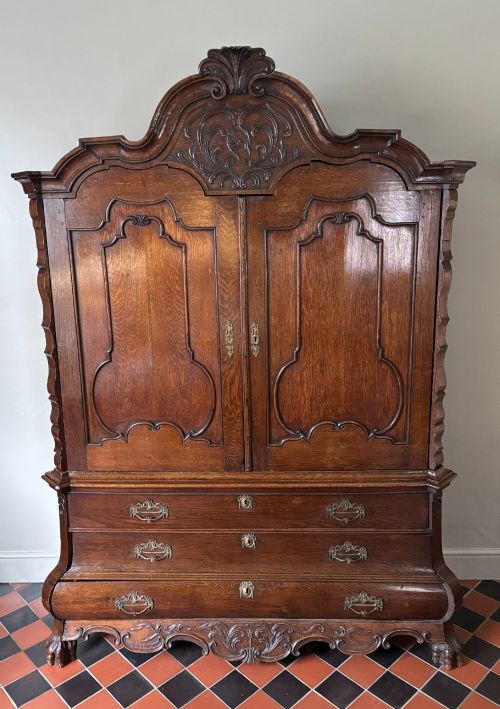
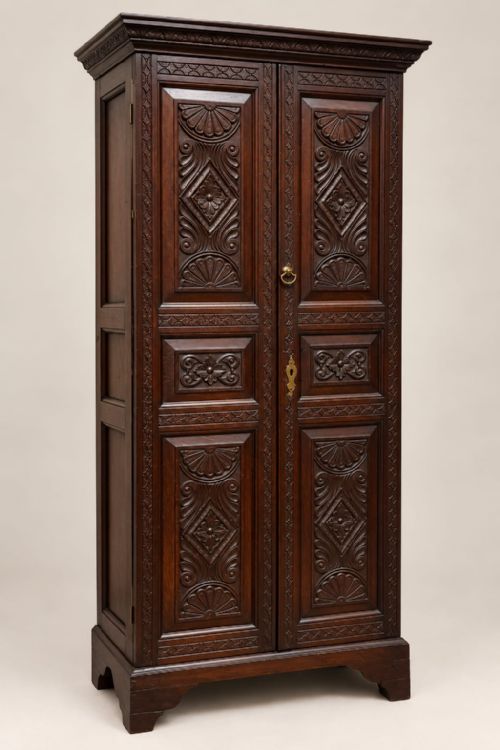

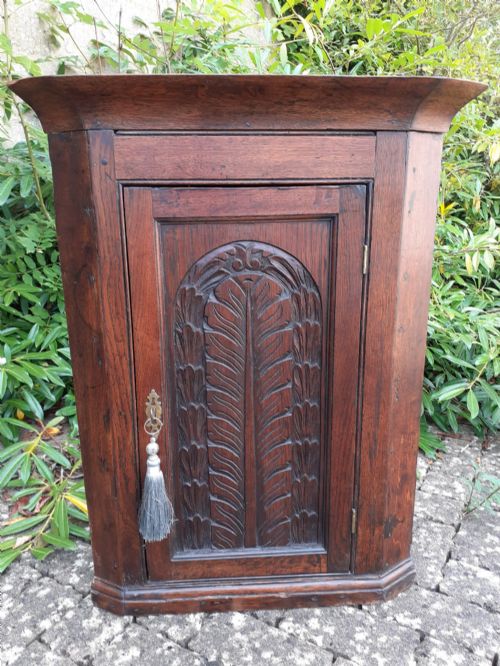
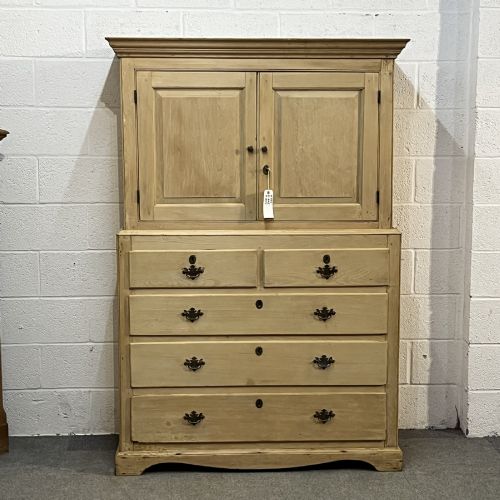
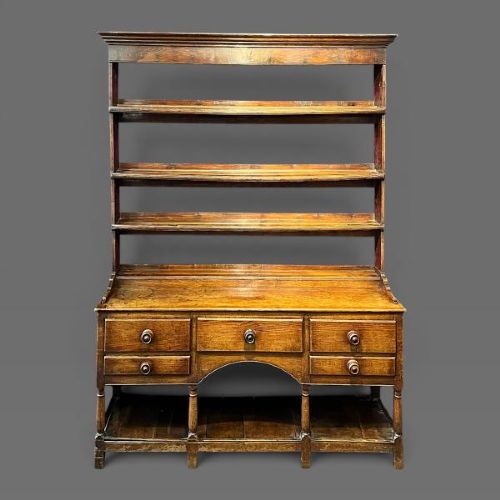
Georgian Storage Cupboard
A georgian storage cupboard brings practical timber construction and period character to a room, offering functional space disguised in traditional proportions.
Georgian Storage Cupboard
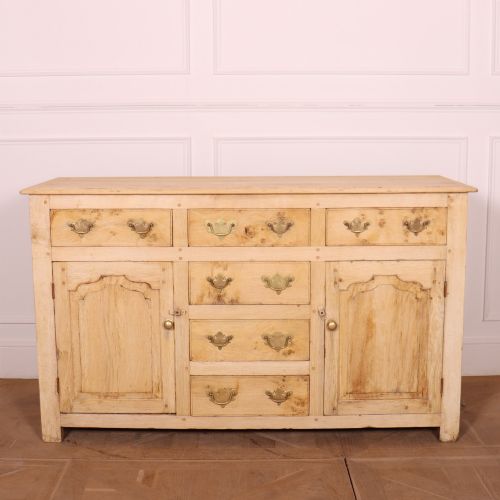
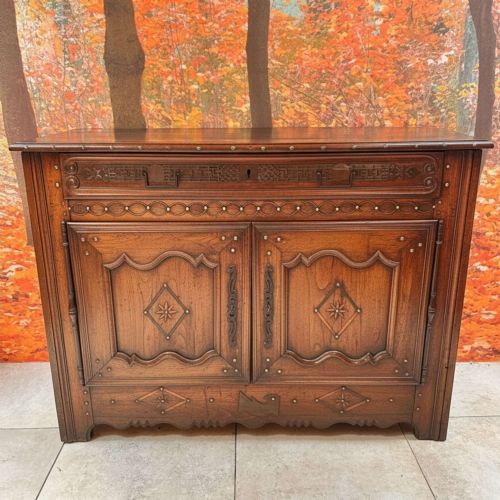
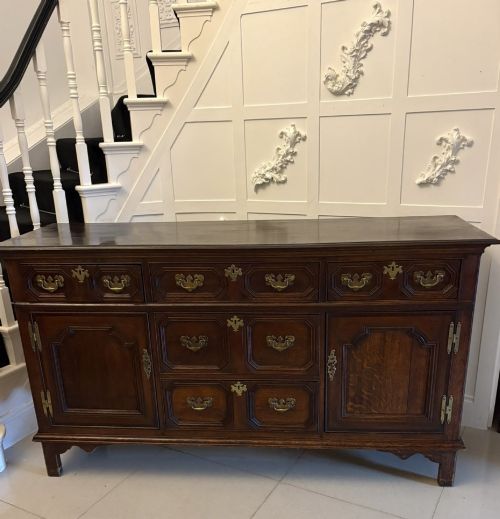
A georgian storage cupboard encompasses utilitarian freestanding furniture designed to hold household goods, textiles, and provisions in domestic interiors. The selection spans robust provincial oak items alongside refined mahogany pieces built for formal rooms.
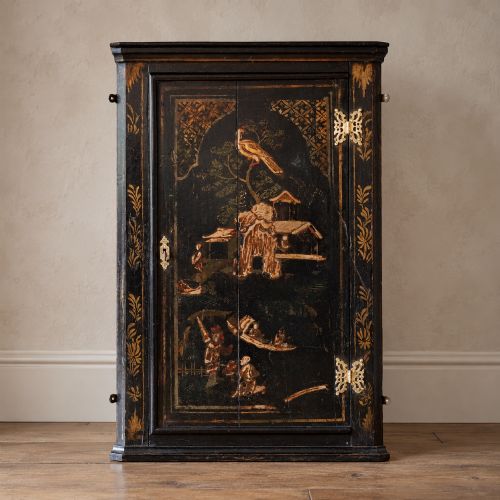
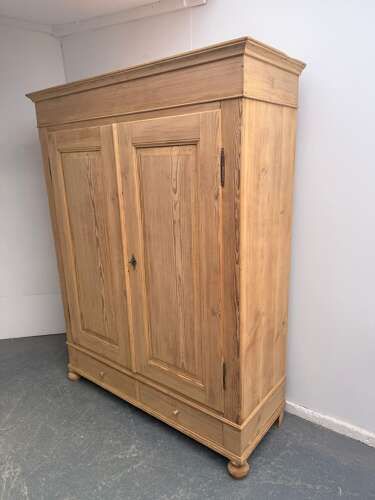
Buyers frequently encounter substantial linen presses, corner cupboards designed for awkward angles, and housekeepers' cupboards intended for daily domestic administration. Pine kitchen storage cupboards also appear, often bearing traces of historic paint finishes.
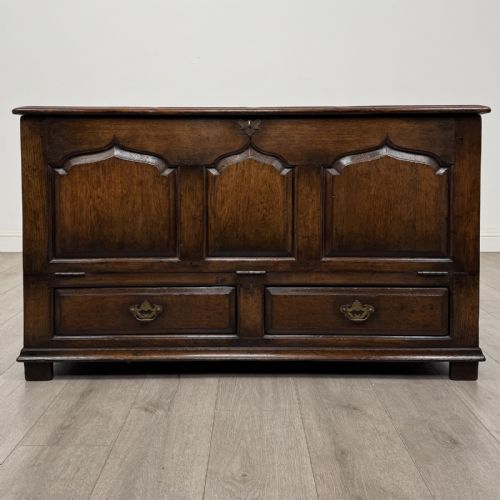
The objects originate primarily from the eighteenth and early nineteenth centuries, though later revival pieces replicate the utilitarian forms of the Georgian era. Regional vernacular styles, such as Welsh vernacular work, sit alongside metropolitan cabinetmaking.
What varies in quality
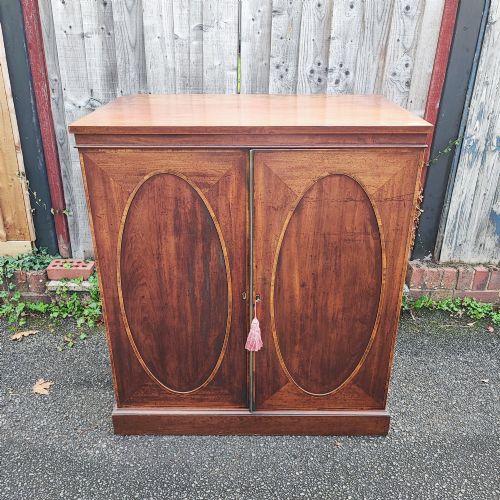
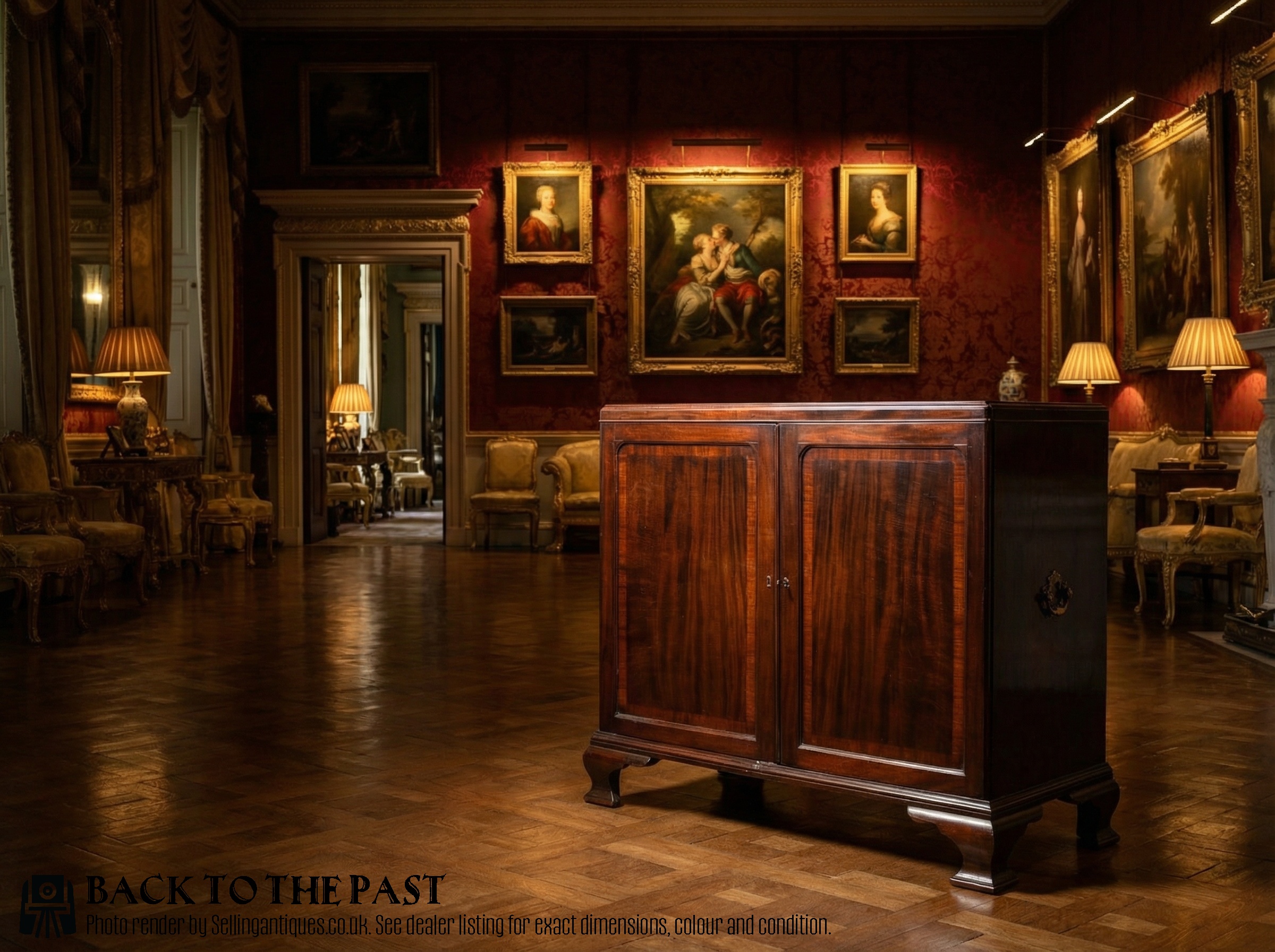
Quality rests upon the selection of timber and the precision of the joinery, distinguishing utilitarian workshop output from ambitious cabinetmaker commissions. Well-chosen mahogany veneers and carefully matched grain patterns elevate the presence of a piece.
Proportion and architectural detailing dictate the visual success of the storage cupboard, separating balanced vernacular furniture from heavier, less resolved forms. The retention of original brass hardware, glass panels, and interior shelving adds significantly to the integrity of the object.
Georgian Storage Cupboard Retail Price Guide 2026
Typical asking prices for georgian storage cupboard among the pieces listed under this phrase on Sellingantiques today, from the lower quarter to the upper quarter. They describe what is for sale here now, not the wider market.
Food cupboards often retain ventilation holes designed to let cheese breathe while keeping mice at bay.
The Georgian Storage Cupboard Glossary
- Linen press
- A large storage piece featuring sliding trays or shelves enclosed by upper doors, mounted above a chest of drawers base. They were designed specifically to store household linens flat.
- Corner cupboard
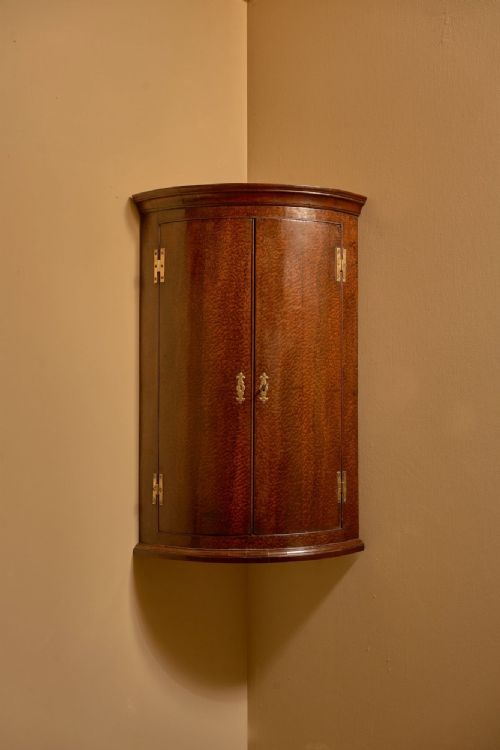
- A triangular cabinet constructed to fit snugly into the corner of a room, saving floor space while displaying or storing contents. These appear in hanging formats or as tall freestanding units.
- Housekeeper's cupboard
- A large multi-door storage unit historically used in country houses to store provisions, dried goods, and household gear. They typically combine upper cupboard sections with lower banks of drawers.
- Bow front
- A convex, curved cabinet front that projects outward in a smooth arc. This aesthetic choice softens the geometric angles of a room.
- Vernacular
- Furniture made by local regional craftsmen using traditional methods and native timbers rather than following strict metropolitan fashion. These pieces emphasise sturdy utility over ornate decoration.
Georgian Storage Cupboard: Frequently Asked Questions
Where should I put a georgian storage cupboard?
These cupboards suit dining rooms for tableware storage, or bedrooms functioning as wardrobes and linen storage.
Corner versions utilise dead space in hallways or reception rooms efficiently without crowding the floor area.
How do I clean the wood?
Dust the timber regularly with a dry, soft cloth to prevent particulate buildup on the surface.
Apply a traditional beeswax polish occasionally to nourish the grain, avoiding silicone sprays that damage historic finishes.
Can I store clothes inside them?
Many taller pieces feature hanging space or deep shelves suited for modern clothing and folded garments.
Ensure antique pine or oak interiors are clean and dry before storing textiles to prevent moisture damage.
How do I tell oak from mahogany pieces?
Oak displays a distinct open grain with visible medullary rays, commonly found in earlier country pieces.
Mahogany presents a smoother, reddish-brown grain structure typical of later formal cabinetmaking.