


Bracket Feet Cupboard
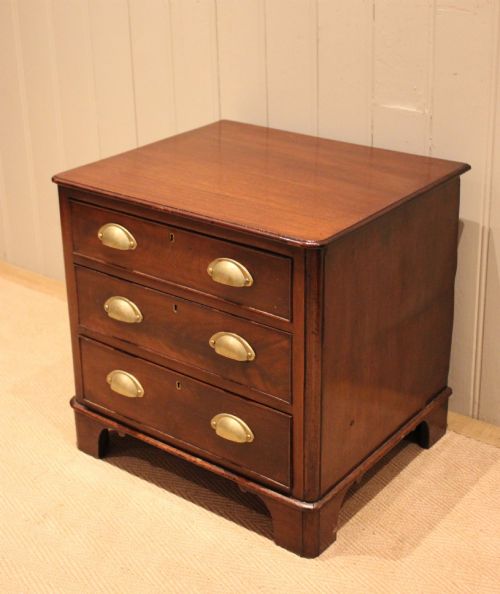
A bracket feet cupboard rests firmly on neat architectural supports, offering practical storage with understated balance.
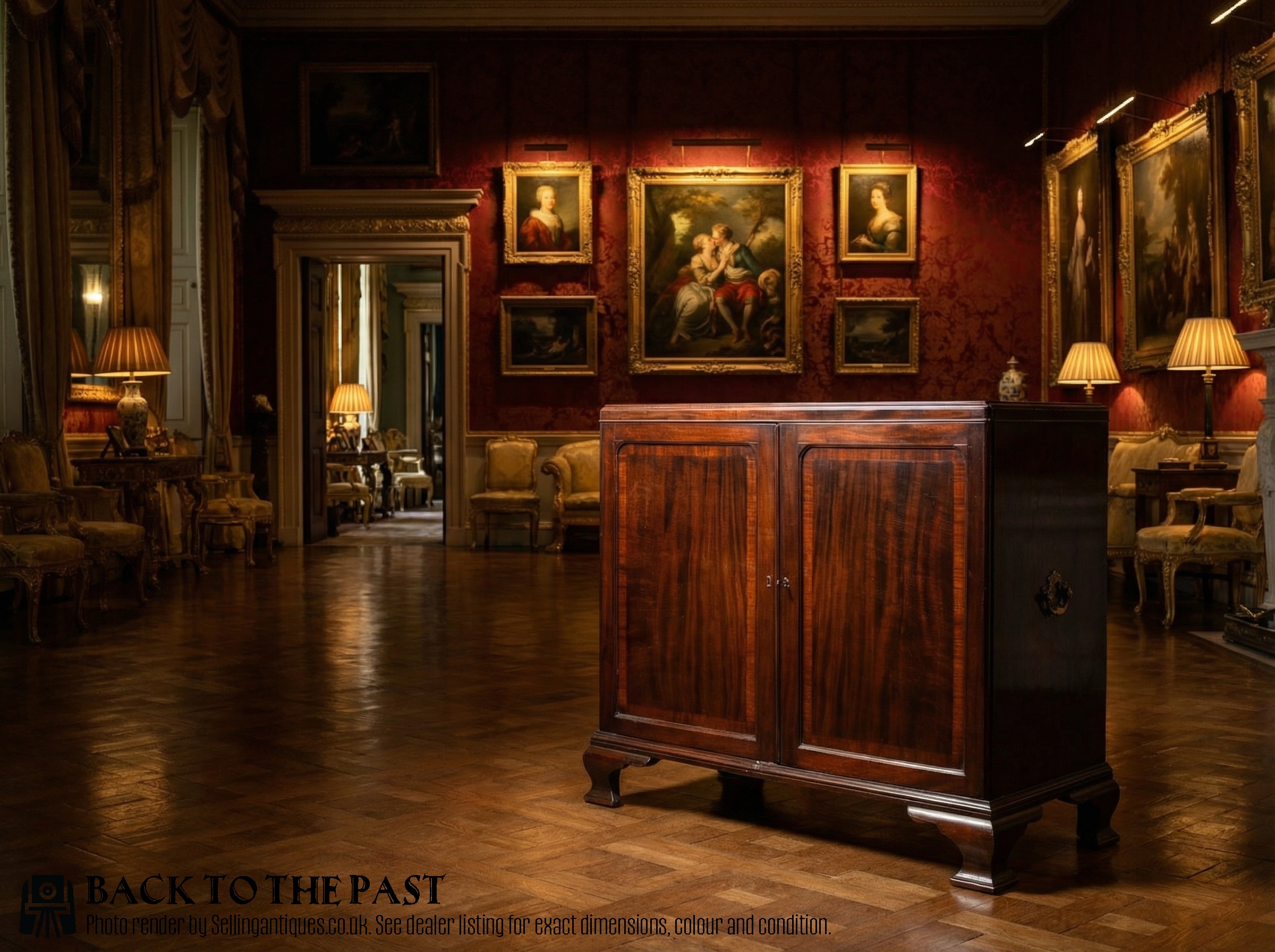
Bracket Feet Cupboard
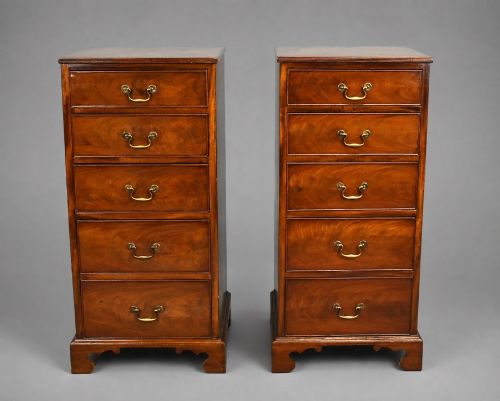
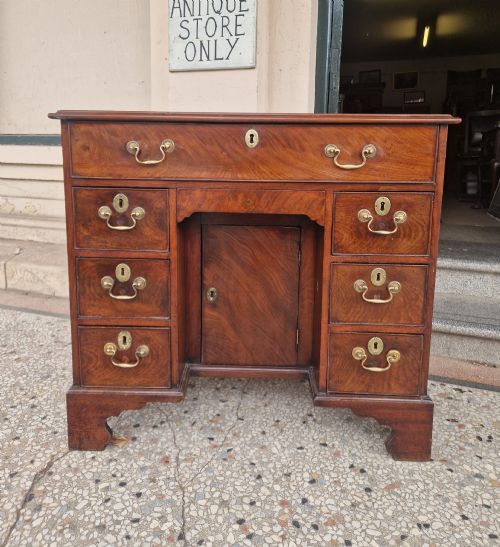
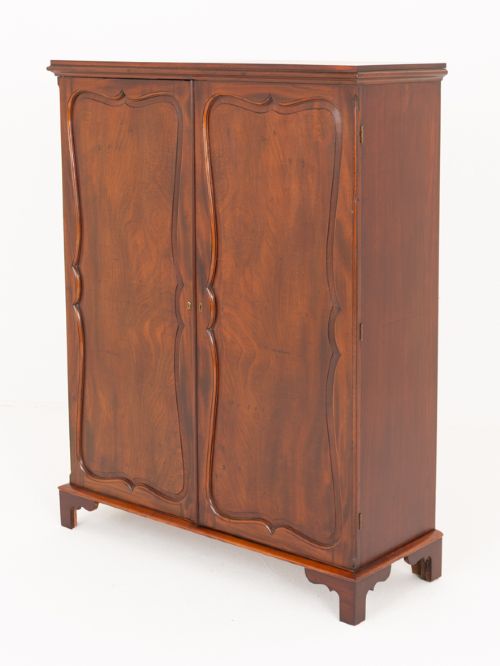
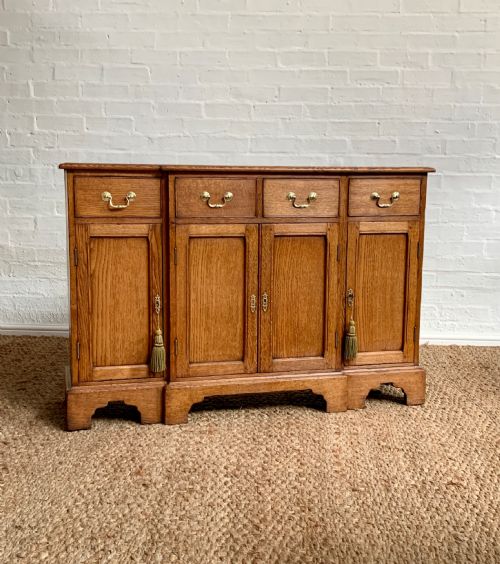
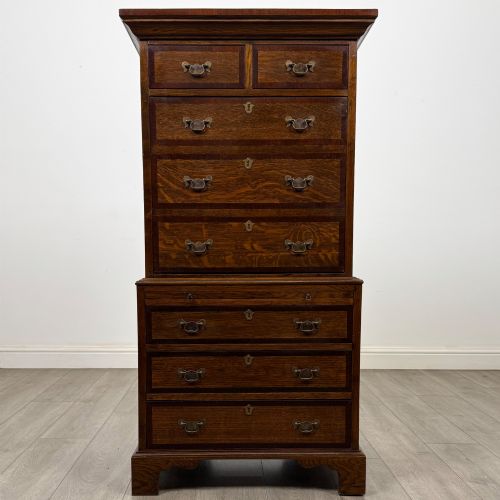
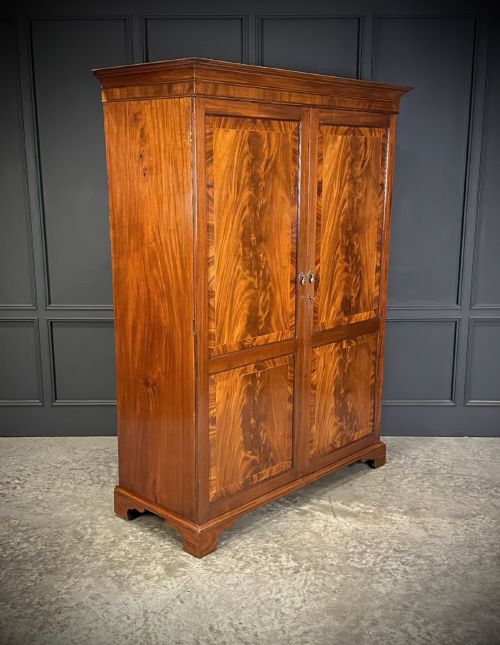
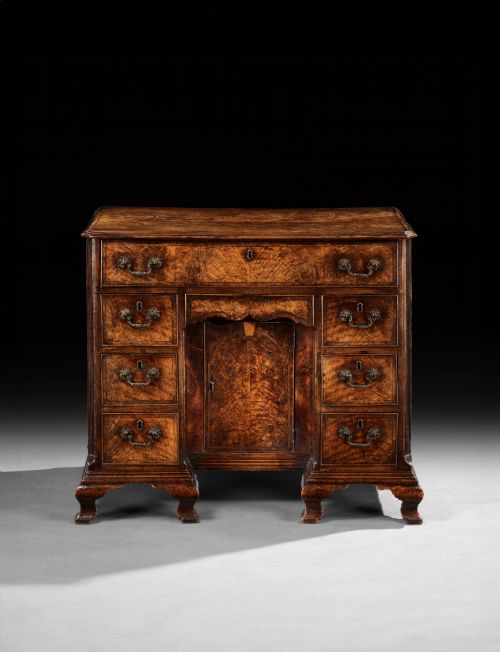
A bracket feet cupboard combines enclosed storage with the distinct elevated corner support seen across 18th century, Georgian, and Victorian periods. Buyers seeking a bracket feet cupboard find various forms on this page, including side cabinets, press cupboards, corner cabinets, and kneehole desks featuring cabinet compartments.
The pieces span genuine 18th century and Georgian origins alongside later 19th century and Edwardian revivals in George II, Queen Anne, and 17th century styles. Mahogany and oak predominate, complemented by walnut, burr walnut, and pine.
Most examples on this page are compact or small variations designed for domestic utility rather than grand scale. These range from two-door side cabinets to narrow drawer-and-cupboard combinations.
How they were made
Cabinetmakers constructed these pieces primarily using solid mahogany, oak, and walnut timbers, frequently applying flame mahogany veneer, yew veneer, and featherbanding to principal surfaces. Brass hardware such as hinges, escutcheons, and drawer pulls completed the assembly.
Joinery techniques relied on sturdy frame and panel construction for doors and sides, ensuring stability in timber carcases. The characteristic bracket feet were jointed directly to the base frame to elevate the body cleanly off the floor.
Listings feature oak, mahogany, walnut, and pine pieces spanning the 18th century to the Edwardian era.
What varies in quality
The standard of timber selection largely defines the scale, from plain solid boards to highly figured fiddleback walnut and rich flame mahogany veneers. Refined cross-banding, featherbanding, and brass details elevate a piece from simple utility to finer craftsmanship.
Proportion and structural integrity distinguish individual examples. Cabinets retaining their original bracket feet and well-fitted panel doors demonstrate superior preservation compared to those with later replacement feet or heavily altered carcases.
Francis Brodie
The Bracket Feet Cupboard Glossary
- Bracket feet
- Small architectural feet formed of two mitred pieces meeting at a corner, shaped in an ogee, bracket, or simple block profile to lift a cabinet base.
- Kneehole desk
- A writing desk or dressing table featuring a central recessed cupboard or knee space flanked by banks of small drawers.
- Flame mahogany veneer
- A decorative wood veneer sliced from mahogany logs where the grain creates a distinctive undulating, flame-like pattern.
- Featherbanding
- A delicate inlay technique using small pieces of veneer arranged in a herringbone or chevron design to border drawer fronts and tabletops.
- Press cupboard
- A large storage cabinet, often comprising two sections, traditionally used for storing pressed linen and garments.
Bracket Feet Cupboard: Frequently Asked Questions
What is a bracket feet cupboard?
A bracket feet cupboard is an enclosed storage piece raised on small, corner-mitred wooden feet rather than a plinth or tall legs.
These pieces appear in various forms, including side cabinets, linen presses, and kneehole desks dating from the Georgian era through the Victorian period.
How do I date a mahogany cupboard?
Dating relies on examining timber characteristics, construction methods, hardware, and stylistic details. Georgian and 18th-century examples typically feature hand-cut dovetails and solid secondary woods.
Later 19th-century and Edwardian pieces often display machine-sawn elements and revival styles that mimic earlier cabinetmaking traditions.
Where were these cupboards placed?
These cupboards served versatile roles throughout the home, from parlours and dining rooms to bedrooms and studies. Smaller side cabinets and corner cupboards made efficient use of wall space in compact rooms.
Kneehole versions combined desktop workspace with concealed cupboard storage for papers and personal items.
Are bracket feet original?
Bracket feet endure considerable wear near the floor and frequently undergo repair or replacement over centuries of use. Inspecting the joint where the foot meets the base carcase helps determine originality.
Matching timber species, wear patterns, and construction consistency offer strong indicators of whether the feet belong to the original period of manufacture.