
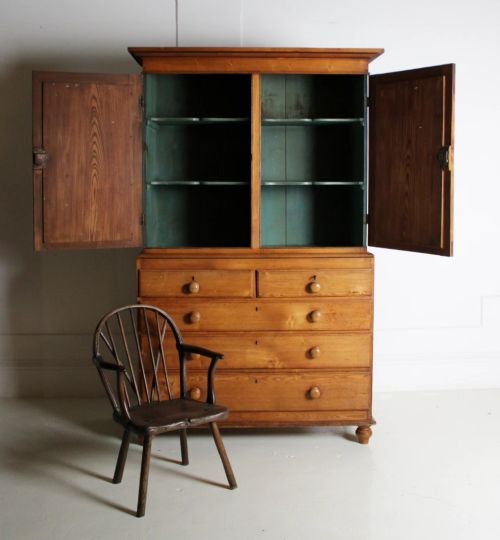
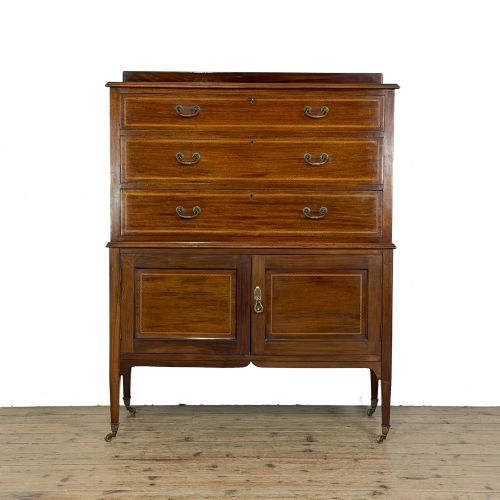
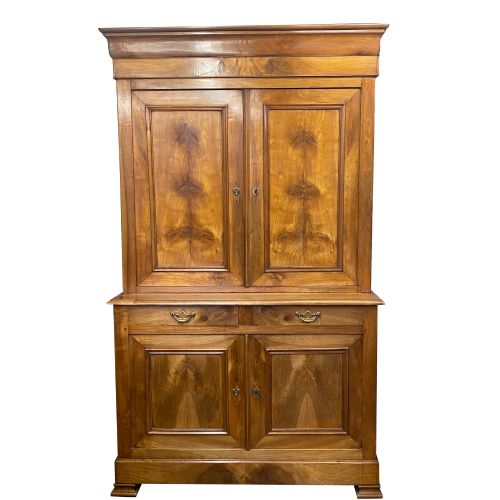
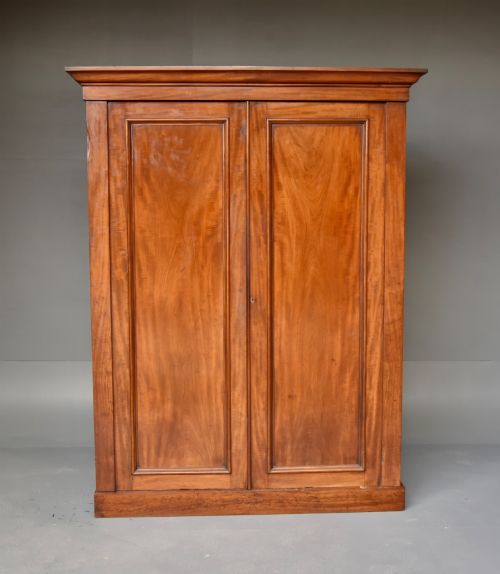
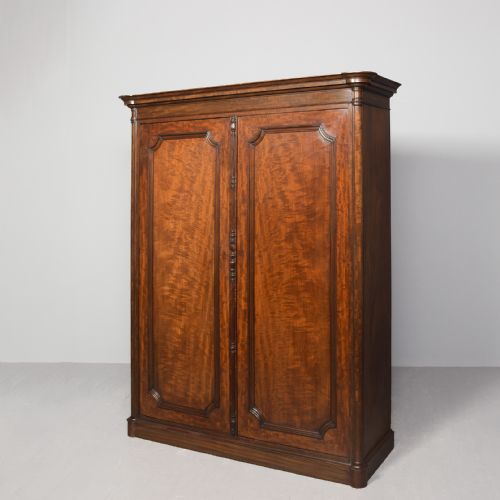
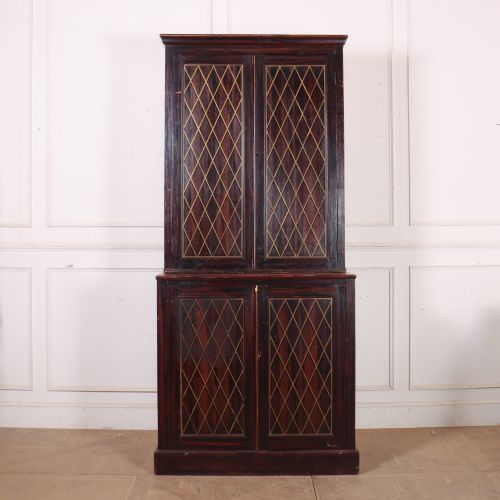
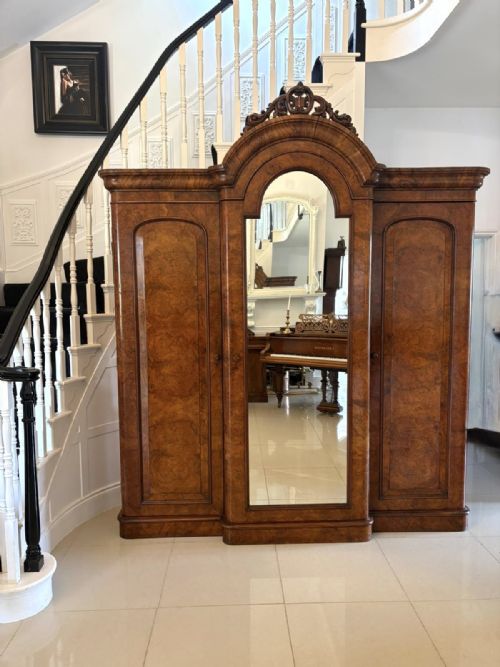

Brown Wood Linen Press
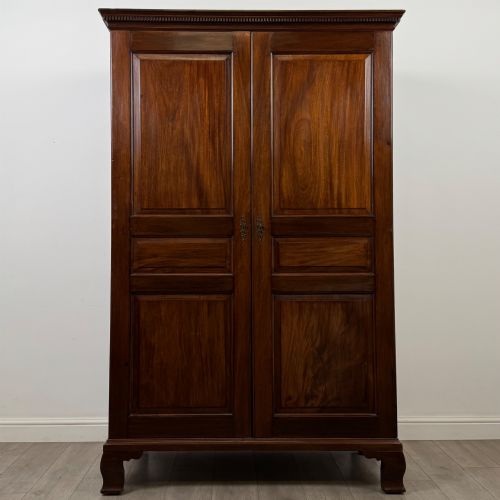
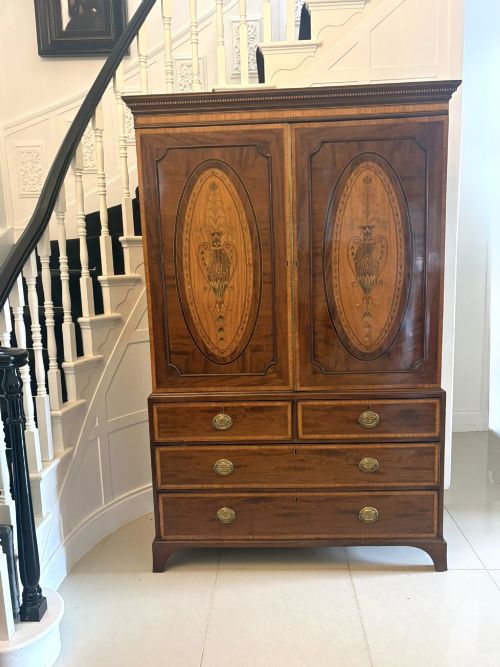
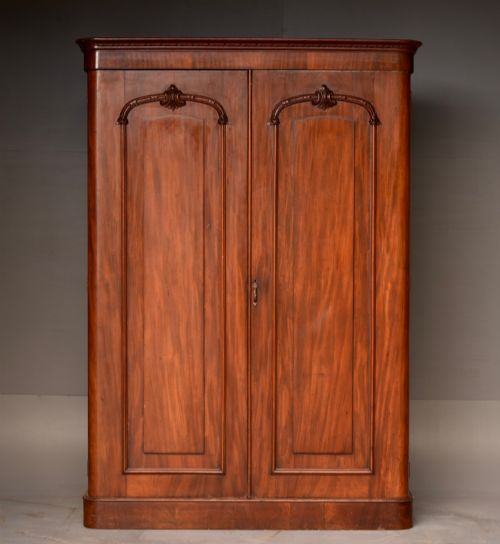
A brown wood linen press is a substantial bedroom storage piece designed for storing folded textiles, combining deep drawers with upper cupboard doors.

Brown Wood Linen Press
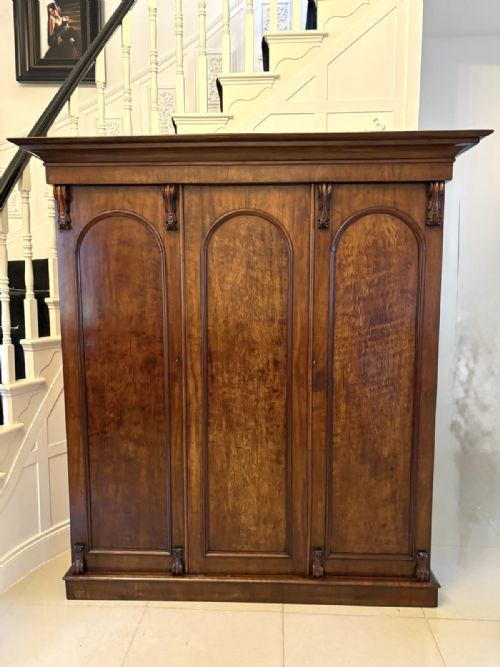
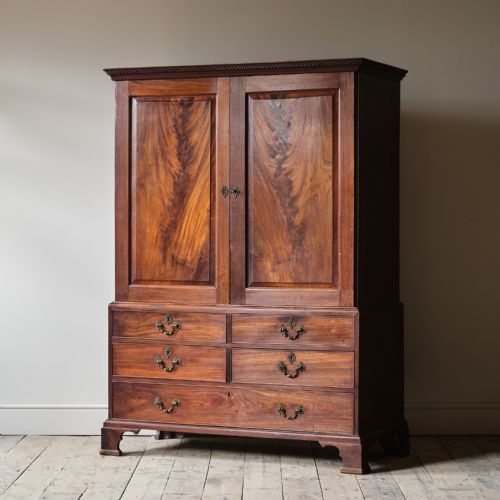
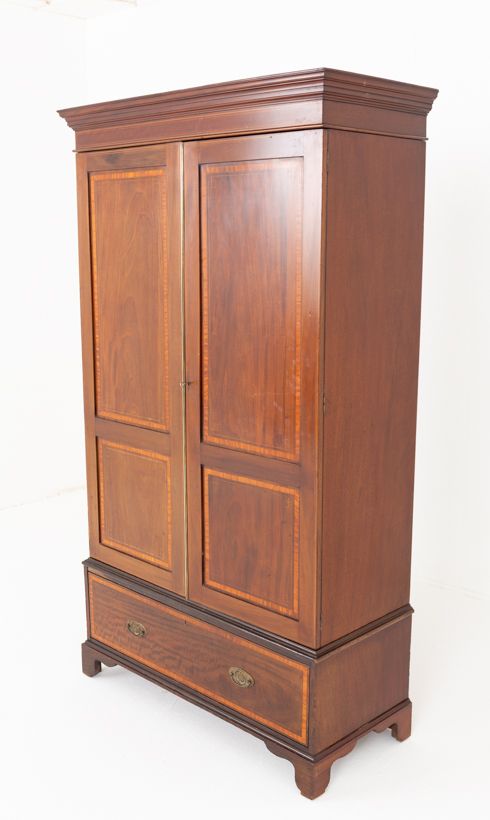
When searching for a brown wood linen press, buyers encounter large storage pieces originating mostly from the eighteenth and nineteenth centuries. These items combine upper cupboard sections with lower banks of drawers, designed originally to store household linens flat before the dominance of modern hanging wardrobes.
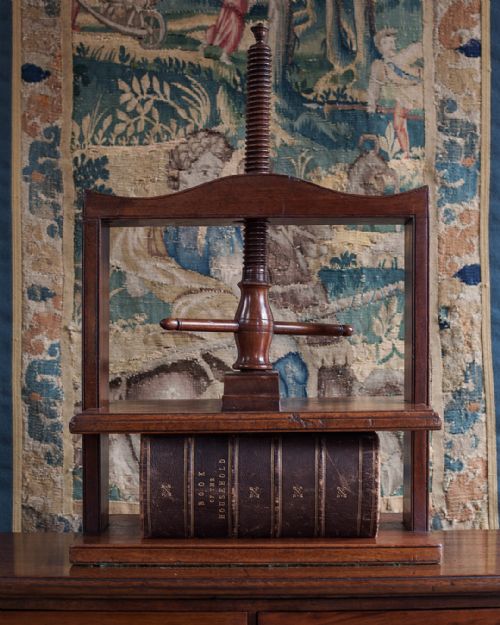
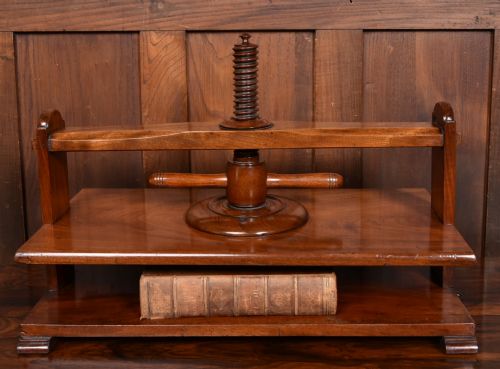
The pieces on this page span the Georgian, Victorian, and Edwardian periods, constructed in standard regional workshops as well as by notable firms. Mahogany and oak dominate the selection, often accompanied by related forms such as compactum wardrobes, housekeepers cupboards, and book presses.
Most examples feature solid timber construction or fine veneers over secondary woods, maintaining deep utility alongside architectural presence. Buyers frequently find two-part constructions that separate at the waist to ease transport into upstairs rooms.
How they were made
Cabinet makers constructed these presses using dense hardwoods, predominantly mahogany and oak, frequently enhanced with figured veneers such as burr walnut or flame mahogany and detailed with satinwood inlay. Panels were traditionally panelled into frame constructions to allow the timber to move naturally with seasonal changes in humidity.
Internal sliding trays, known as slides, replaced conventional shelves in the upper cupboard sections, allowing folded textiles to be stored and accessed without disturbing the stack. Drawers utilised hand-cut dovetail joints and ran on side-runners, fitted with brass drop handles or knobs appropriate to the period of manufacture.
Brown Wood Linen Press Retail Price Guide 2026
Typical asking prices for brown wood linen press among the pieces listed under this phrase on Sellingantiques today, from the lower quarter to the upper quarter. They describe what is for sale here now, not the wider market.
Many historic linen presses still retain the faint, lingering scent of aged cedar and old beeswax inside their deep drawers.
What varies in quality
Quality in these pieces rests upon the selection of timber figures and the crispness of architectural details such as cornices and bracket feet. Superior examples display symmetrical flame mahogany or burr walnut veneers that wrap seamlessly across the entire facade.
The interior fitments also distinguish finer presses, where sliding trays operate smoothly within purpose-built tracks and drawer linings utilise solid secondary timbers rather than inferior modern replacements. Proportion and restraint in inlay or carving separate standard regional joinery from pieces produced by premier London workshops.
S & H Jewell·Heals
The Brown Wood Linen Press Glossary
- Linen press
- A tall storage cabinet featuring upper doors enclosing sliding trays or shelves, positioned above a base section fitted with multiple horizontal drawers. The form evolved specifically for storing household linen flat.
- Slide
- A shallow wooden pull-out tray fitted inside the upper cupboard section of a press in place of a fixed shelf. Slides allowed easier access to folded garments and linens.
- Compactum
- A multi-functional wardrobe combining hanging space, drawer storage, and linen slides within a single unified cabinet. This form became particularly popular during the Victorian period.
- Satinwood
- A pale, durable exotic timber prized for its lustrous golden sheen, utilised frequently for banding, stringing, and decorative inlay work on eighteenth and nineteenth-century furniture.
- Dovetail
- A traditional interlocking joint utilised at the corners of drawers, characterised by wedge-shaped fingers that provide immense tensile strength without reliance on metal fasteners.
Brown Wood Linen Press: Frequently Asked Questions
What is inside a linen press?
A traditional linen press contains sliding wooden trays hidden behind the upper pair of doors, designed for holding folded garments and textiles flat.
The lower section typically consists of a chest of drawers, ranging from two short drawers over three long ones up to deeper proportions.
How do I date a brown wood linen press?
Dating relies on examining construction methods, timber choices, and architectural styling, such as the transition from Georgian bracket feet to Victorian plinth bases.
Drawer construction provides a reliable clue, shifting from hand-cut dovetails with irregular pins in the eighteenth century to more uniform machine-assisted cuts by the late nineteenth century.
Can I remove the upper section for moving?
Most traditional linen presses are constructed as two separate carcasses, with the upper wardrobe or cupboard portion lifting off the lower drawer base.
This demountable design was essential for historic domestic transport and remains necessary for moving these heavy timber pieces through modern doorways and staircases.
How do I care for mahogany and oak surfaces?
Regular maintenance requires dusting with a dry lint-free cloth and applying occasional natural beeswax to nourish the timber without building up heavy silicone residues.
Keep the piece away from direct heat sources and strong sunlight to prevent the timber from drying out, splitting, or fading over time.