

Georgian Press Cupboard
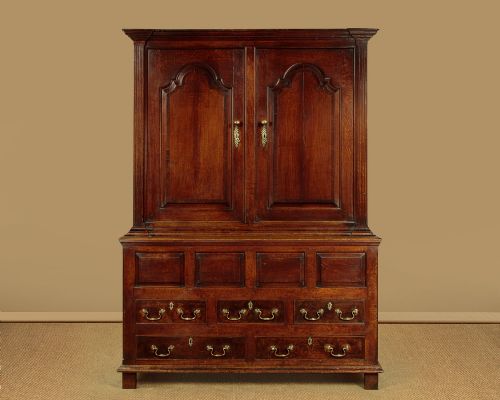
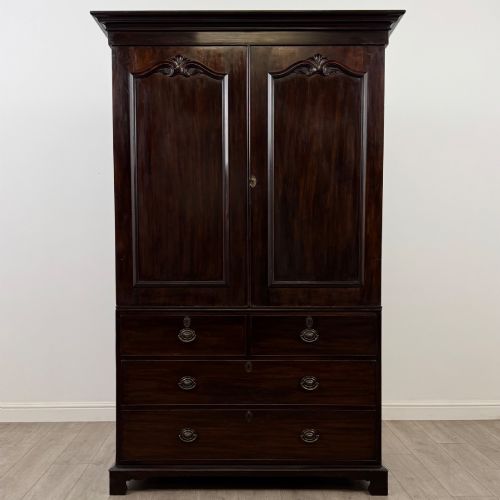
When you search for a georgian press cupboard, you enter a world of timber storage built to hold folded textiles and hanging garments with architectural grace.

Georgian Press Cupboard
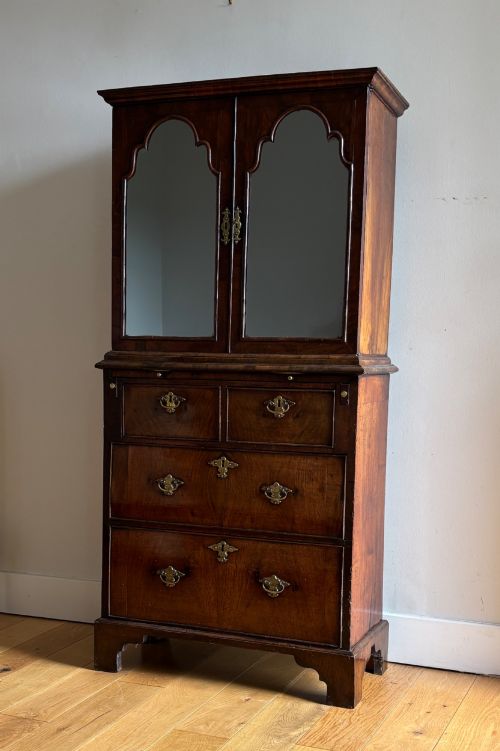
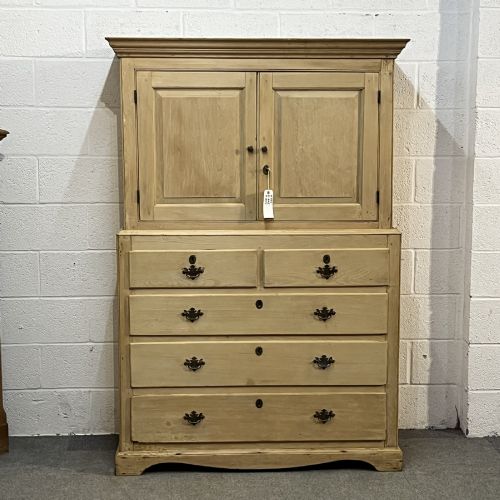
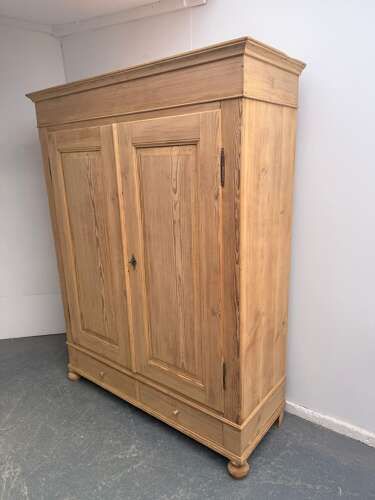
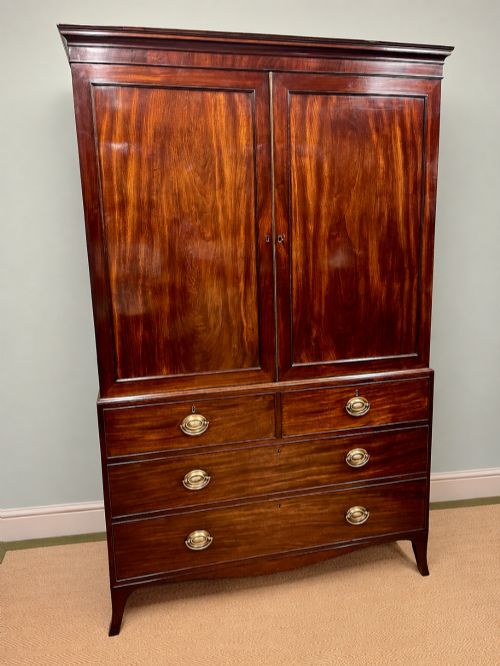
A georgian press cupboard combines a linen press or wardrobe section above with a chest of drawers below, designed to store household linens and clothes in domestic interiors.
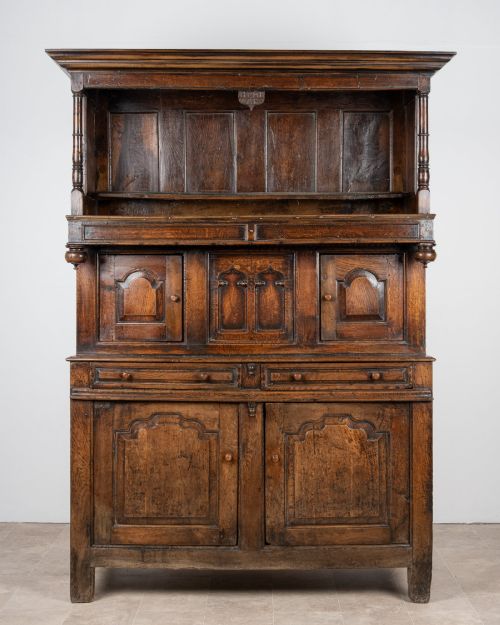
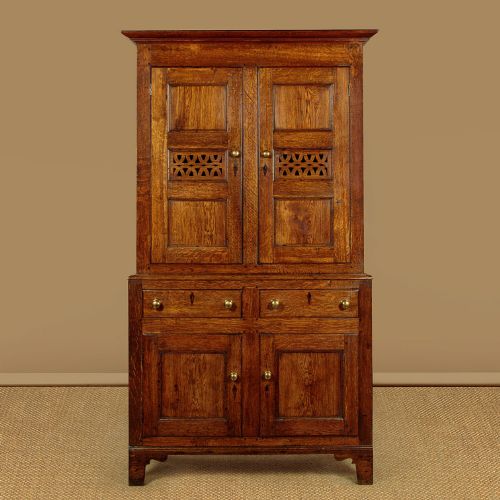
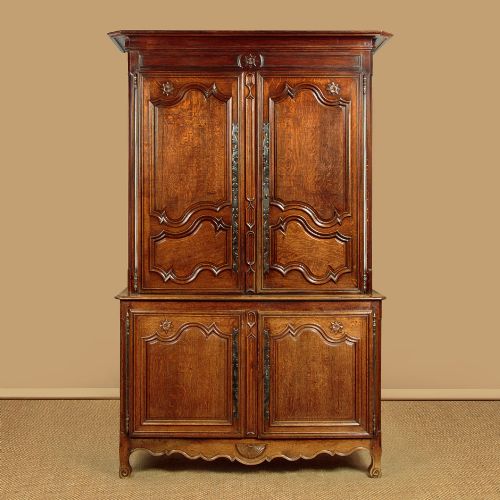
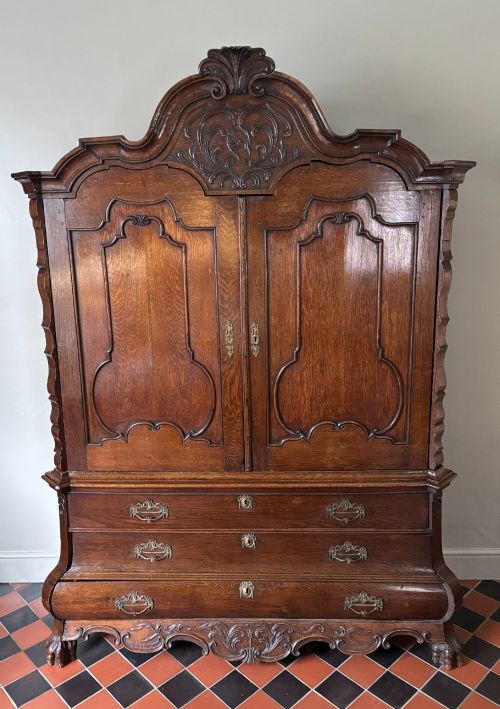
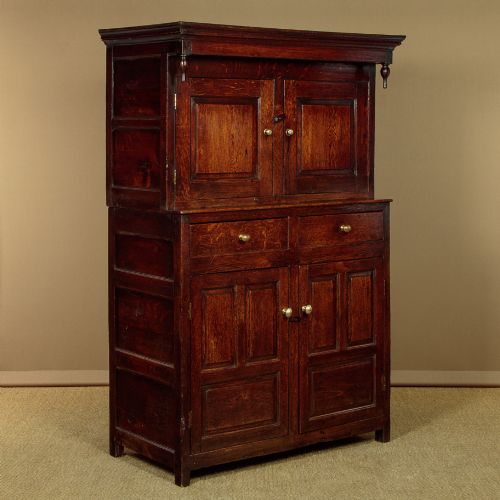
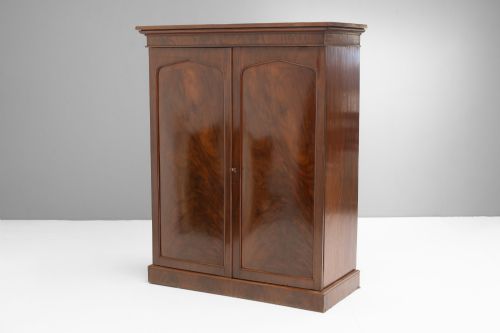
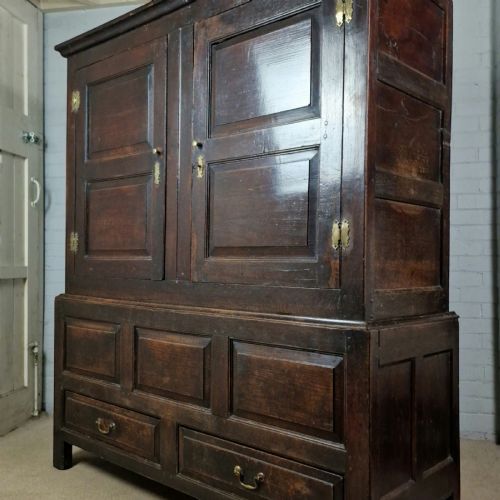
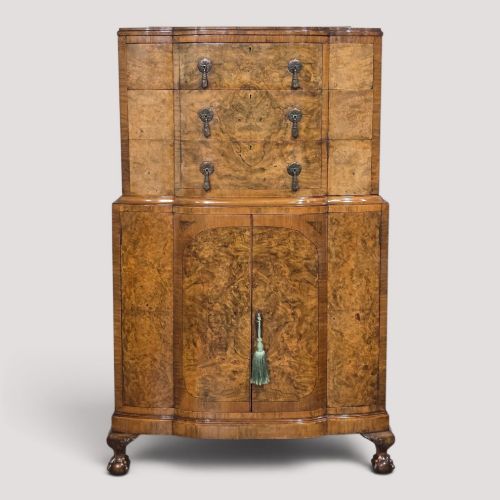
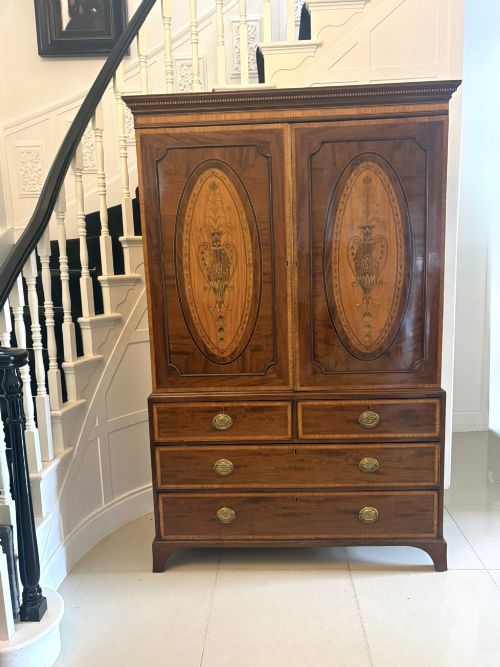
The pieces on this page span the eighteenth and nineteenth centuries, taking the form of tall mahogany architectural cabinets or lower oak vernacular pieces originating from regional workshops.
Makers constructed these storage items primarily to organise domestic textiles, using upper sliding trays or shelves for linen and deep lower drawers for heavier garments.
Materials and Construction
Cabinet makers relied heavily on native oak for early regional pieces and dense imported mahogany for formal urban furniture, frequently adding flame mahogany veneers or satinwood inlay for visual contrast.
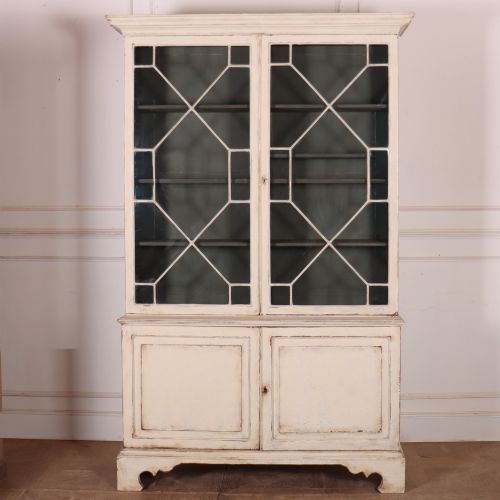
Joiners employed pegged frame-and-panel construction for sturdy carcases, while incorporating brass hardware, iron hinges, and occasionally original painted finishes or applied blind fretwork cornices.
Georgian Press Cupboard Retail Price Guide 2026
Typical asking prices for georgian press cupboard among the pieces listed under this phrase on Sellingantiques today, from the lower quarter to the upper quarter. They describe what is for sale here now, not the wider market.
Several regional pieces carry centuries of kitchen aromas absorbed deep into the sturdy oak panels.
Evaluating Construction and Timber
Quality rests in the choice of timber figure, such as well-matched flame mahogany veneer or richly patinated native oak, paired with crisp hand-cut dovetails inside the drawer boxes.
Proportion and architectural detailing distinguish finer urban examples from simpler vernacular pieces, visible in the refinement of cornices, panel mouldings, and the survival of original brass handles.
Gillows
The Georgian Press Cupboard Glossary
- Press cupboard
- A large storage furniture piece featuring upper doors enclosing shelves or sliding trays above a chest of base drawers. Originally used for household linens and clothes.
- Housekeeper's cupboard
- A large utilitarian storage piece, often made of oak, designed for domestic utility and general household organisation. These pieces frequently feature panelled doors and generous interior depth.
- Flame mahogany
- A decorative wood veneer cut from branches or fork joints of the mahogany tree, creating a distinctive rippling flame pattern. Cabinet makers valued this timber for formal urban furniture.
- Cornice
- The moulded horizontal projection crowning the top of a cabinet or press. Carpenters shaped these architectural elements to define the stylistic period of the piece.
- Crossbanding
- A border technique where thin strips of veneer are laid perpendicular to the grain of the main surface. This frames drawer fronts and cabinet doors with contrasting wood figures.
Georgian Press Cupboard: Frequently Asked Questions
What is a georgian press cupboard?
A georgian press cupboard is a large dual-purpose storage unit featuring upper cabinet doors enclosing trays or hanging space above a chest of drawers.
Craftsmen built these items to preserve household textiles from dust and moisture before modern wardrobes became common.
How were press cupboards used historically?
Households utilised the upper section for flat-folding linen or hanging garments, while the lower drawers held heavier woollens and clothing.
Domestic staff and families kept these tall storage units in bedrooms, landings, or dedicated housekeepers' rooms.
How do I date an oak press cupboard?
Early pieces from the eighteenth century typically display pegged oak frames, hand-carved details, and vernacular regional characteristics.
Later nineteenth-century examples tend to use standardised machine-sawn components, dovetail variations, and denser mahogany timbers.
Can these cupboards fit modern clothes?
Many press cupboards retain original sliding trays rather than modern hanging rails, though some feature sufficient internal depth for garment storage.
Buyers often assess internal clearances to determine whether shelves can accommodate current clothing needs without modification.