


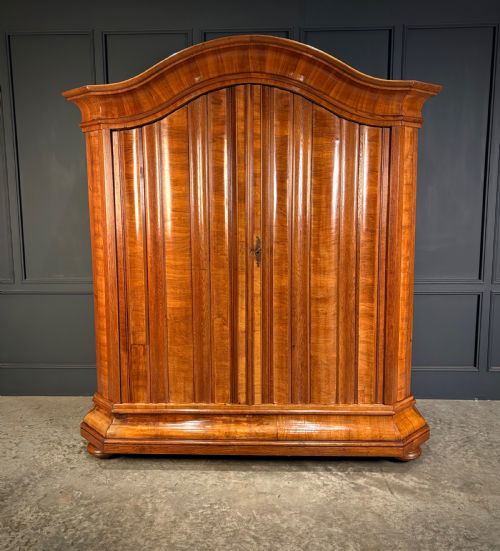


18th Century Wardrobe
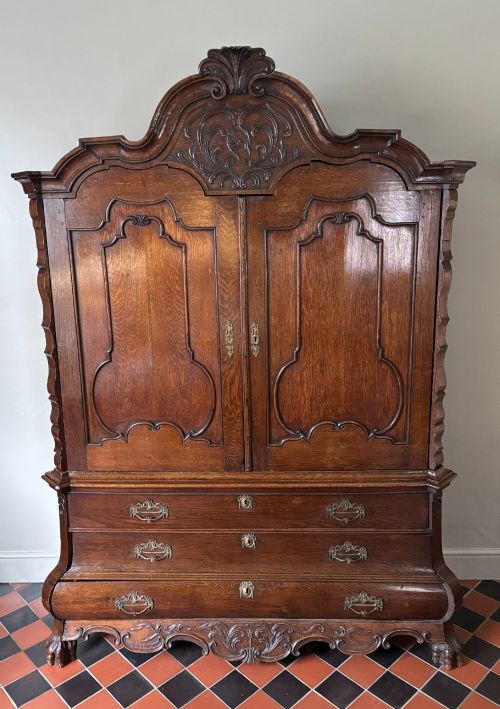
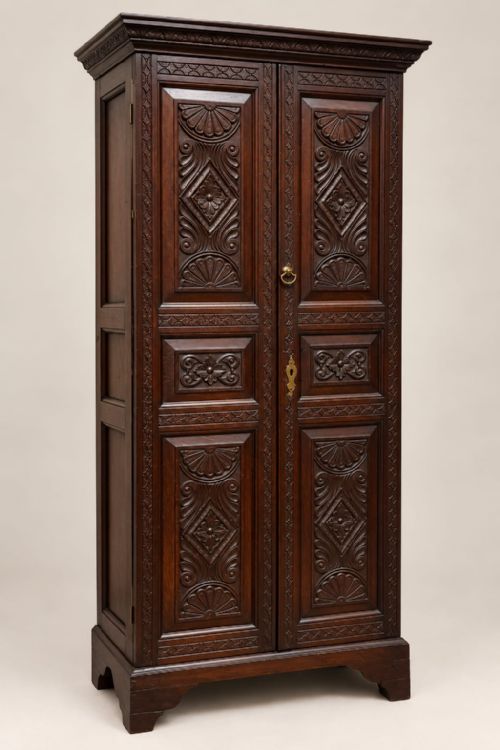
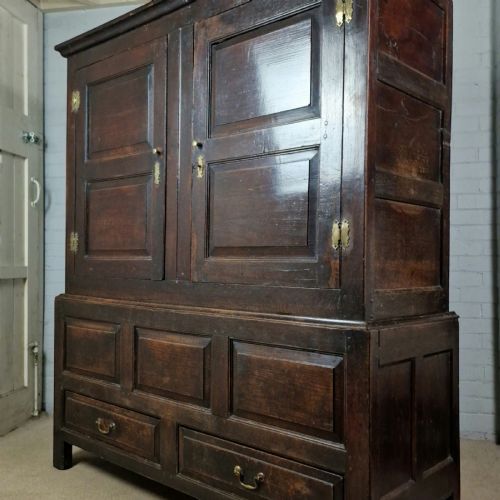
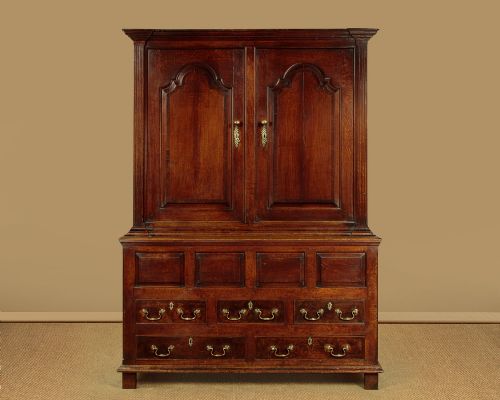
An 18th century wardrobe offers monumental presence and generous depth, bringing period timber and honest craftsmanship directly into a modern bedroom.
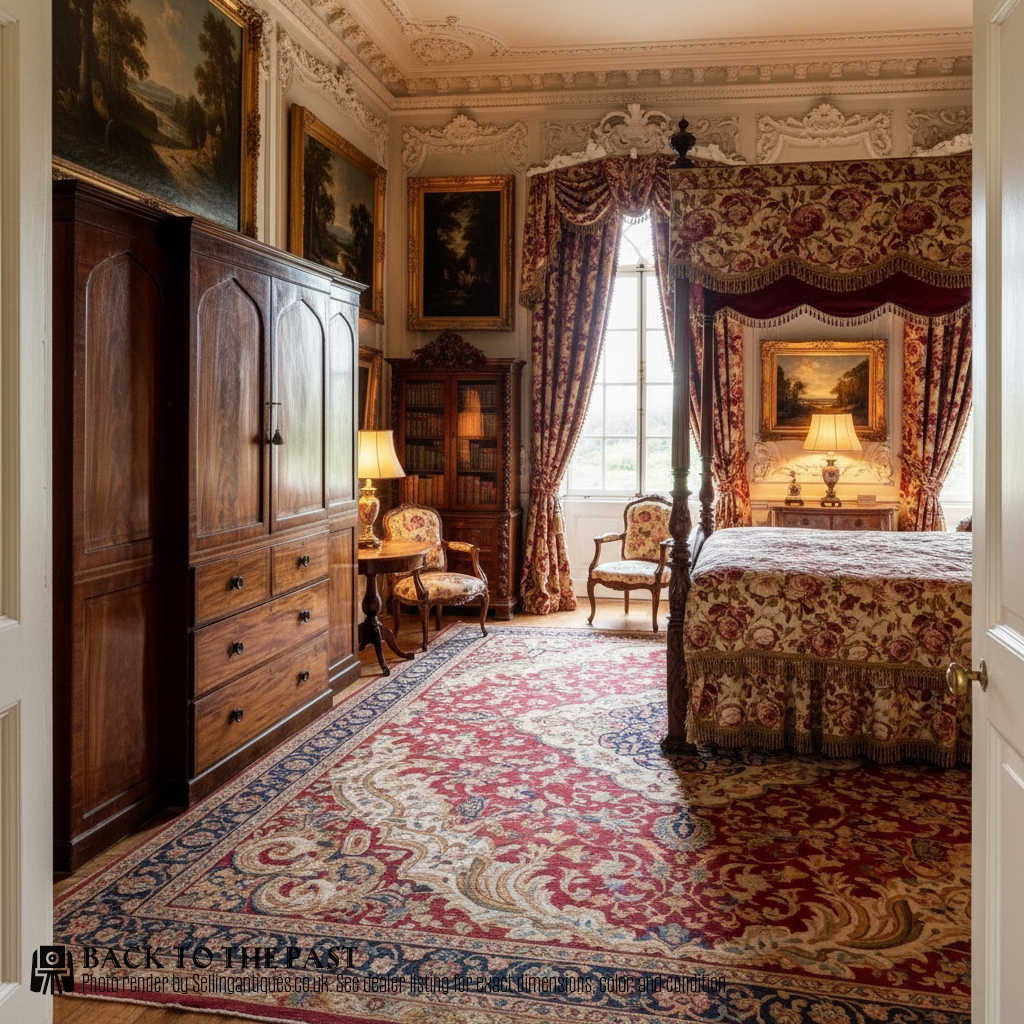
18th Century Wardrobe
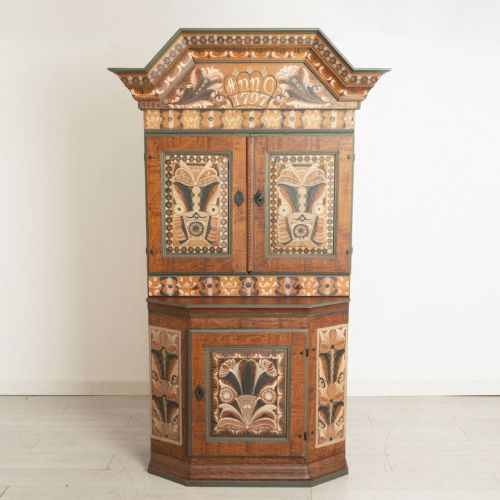
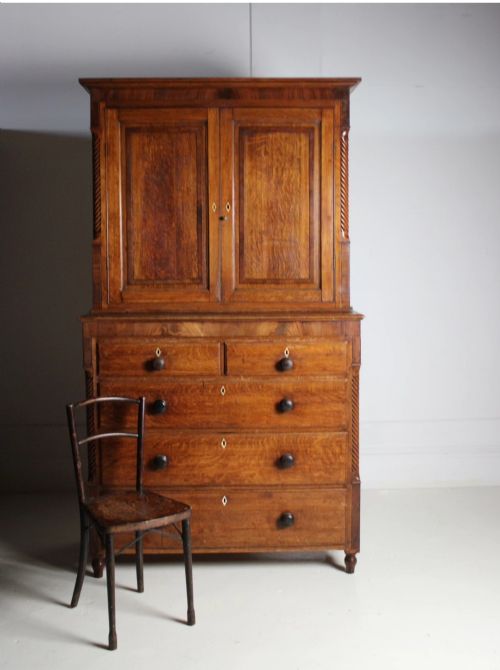
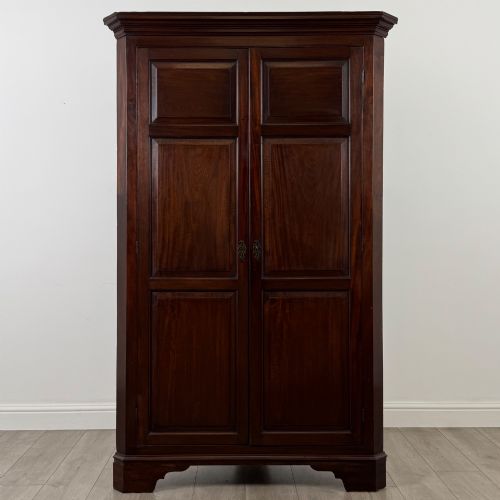
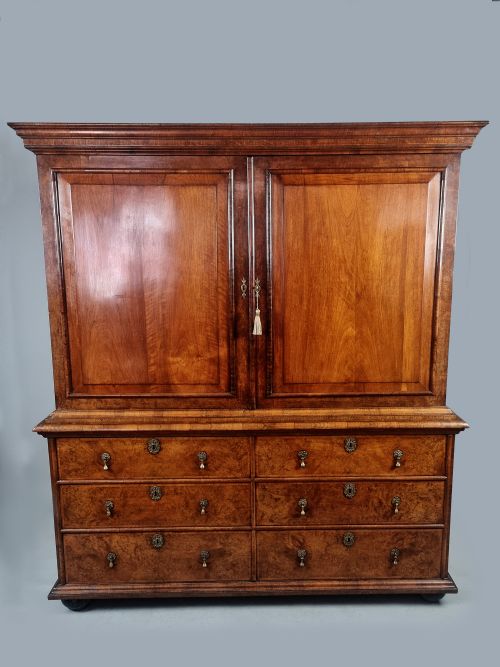
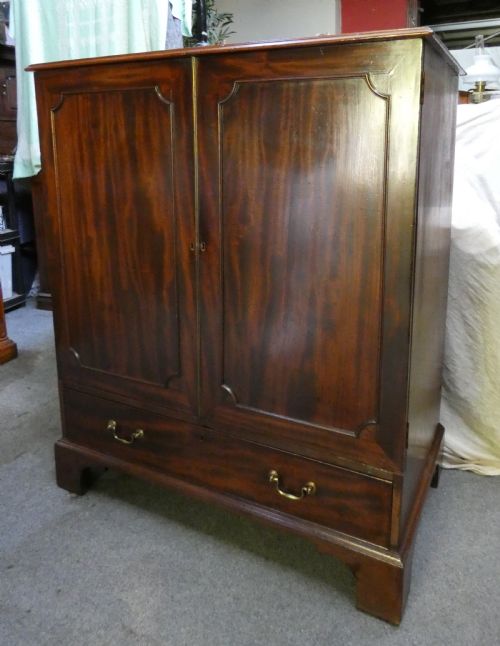
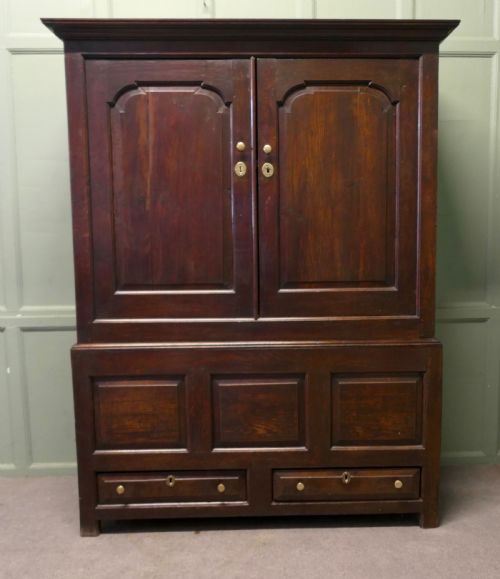
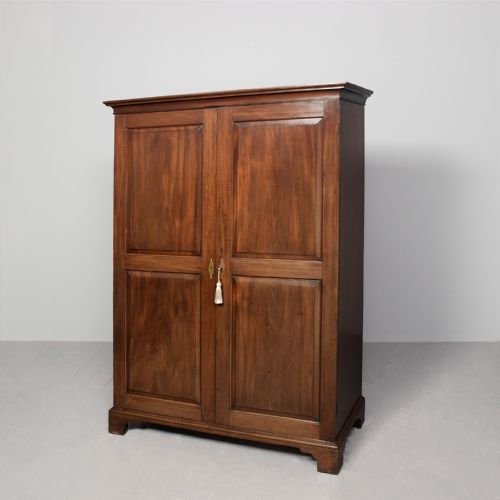
Georgian examples dominate the offerings, often appearing as breakfront pieces or tall cupboards combining hanging space with sliding linen trays. Buyers are most likely to meet substantial oak and mahogany constructions reflecting vernacular English workshops and continental provincial traditions.
Materials and Construction Techniques
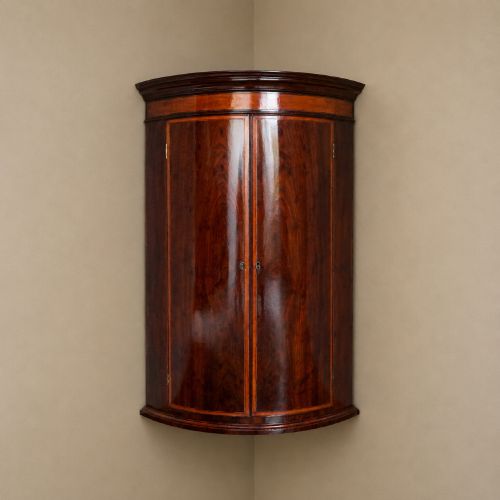
Cabinetmakers relied heavily on native British timbers like oak and mahogany, alongside continental walnut and burr walnut for decorative impact. Surfaces often display rich figure work such as flame mahogany or intricate marquetry inlay featuring floral and geometric motifs.
Heavy iron and brass hardware secures the large panelled doors, whilst traditional peg joints and hand-cut dovetails hold the heavy carcases together. Many larger continental and island pieces utilised knockdown construction techniques to allow transport between rooms.
18th Century Wardrobe Retail Price Guide 2026
Typical asking prices for 18th century wardrobe among the pieces listed under this phrase on Sellingantiques today, from the lower quarter to the upper quarter. They describe what is for sale here now, not the wider market.
Some historic clothes presses still retain the faint, lingering scent of old lavender tucked away in the deep linen drawers.
Judging Quality and Proportion
Quality rests primarily on the integrity of the timber, the crispness of any carved detailing, and the preservation of original surface finishes. Superior examples maintain balanced proportions between the upper cabinet and the lower chest section without heavy alterations.
The sophistication of the internal configuration also distinguishes the range, separating utilitarian farm furniture from high-status gentlemens wardrobes fitted with specialised sliding shelves. Original brass handles and unblemished internal drawer linings elevate an individual piece.
The 18th Century Wardrobe Glossary
- Linen Press
- A tall storage cupboard containing sliding trays for folded textiles, often positioned above a chest of drawers. These pieces frequently double as wardrobes in modern usage.
- Armoire
- A large freestanding cupboard of continental origin featuring two wide doors. They typically provide deep hanging space inside.
- Livery Cupboard
- An early storage form traditionally used for keeping food or clothing. These sturdy oak pieces date predominantly from the earlier part of the period.
- Marquetry Inlay
- Decorative patterns formed by fitting contrasting veneers into timber surfaces. Floral designs and geometric borders are common expressions.
- Breakfront
- A cabinet design where the central section projects forward from the flanking wings. This creates architectural depth and visual weight.
18th Century Wardrobe: Frequently Asked Questions
How do I hang clothes inside an old wardrobe?
Many early clothes presses and linen cupboards were built with sliding trays rather than deep hanging space. Modern owners often install removable brass rails or utilise existing depth for alternative storage solutions.
Traditional hanging wardrobes provide sufficient drop for standard garments, though very long coats may require careful placement inside shallow carcases.
Will an antique wardrobe fit up the stairs?
Many large period pieces were designed with disassembly in mind, particularly continental and island examples utilising knockdown construction. Checking whether the cornices, pelmets, and main carcase sides separate is essential before delivery.
Solid oak regional cupboards can be exceptionally heavy and require specialist furniture movers to navigate tight stairwells safely.
How do I tell George III furniture from earlier pieces?
Pieces attributed to the George III era frequently showcase refined mahogany veneers, flame grain patterns, and classical stringing inlays. Earlier items from the Queen Anne or early 1700s periods lean towards heavier solid oak construction, panelled doors, and simpler brasses.
Regional differences also apply, with country workshops retaining heavier vernacular styles long after London cabinetmakers adopted new fashions.
How should I care for antique mahogany and oak?
Timber surfaces respond best to stable room temperatures and protection from direct sunlight to prevent veneer drying or fading. Applying traditional beeswax periodically helps maintain the natural sheen and nourishes the historic grain.
Avoiding placement against exterior damp walls protects the internal cedar or oak linings from moisture damage over time.