

18th Century Mahogany Cabinet
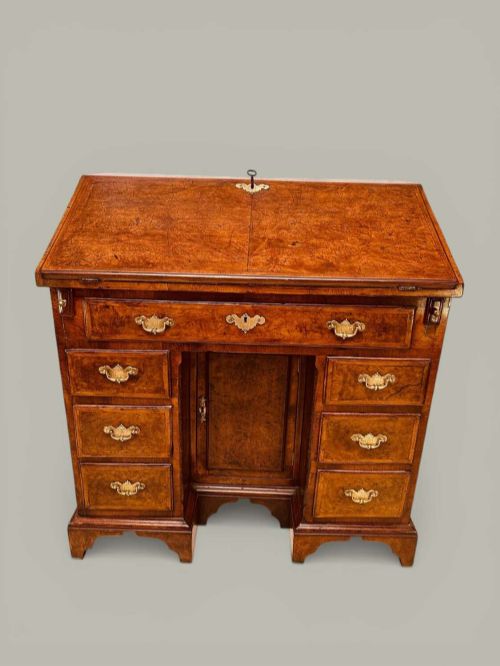
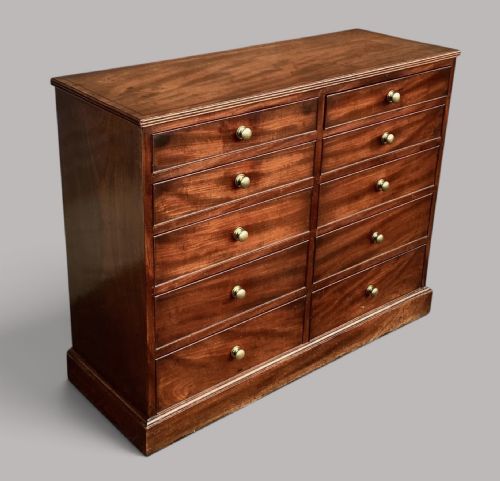
An 18th century mahogany cabinet brings structured timberwork and rich grain into a room, offering both display and concealed storage.
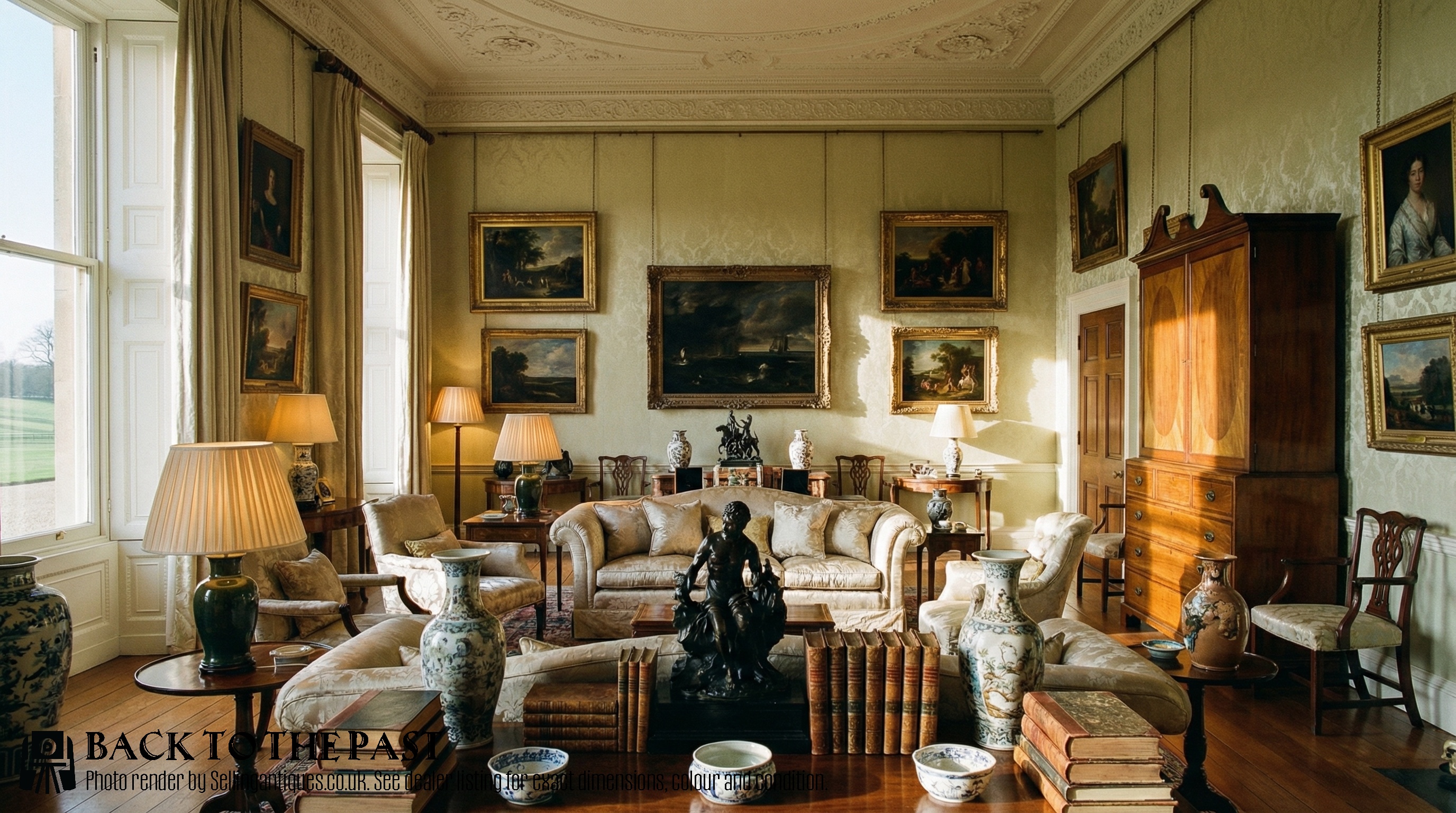
18th Century Mahogany Cabinet
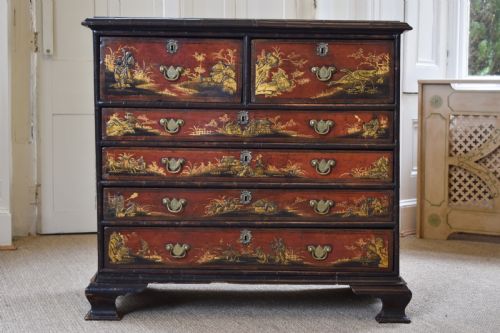
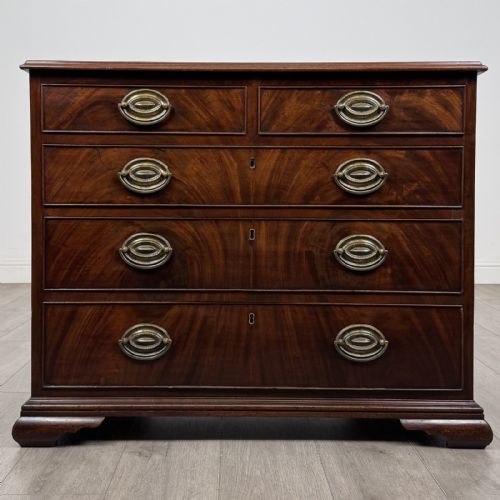
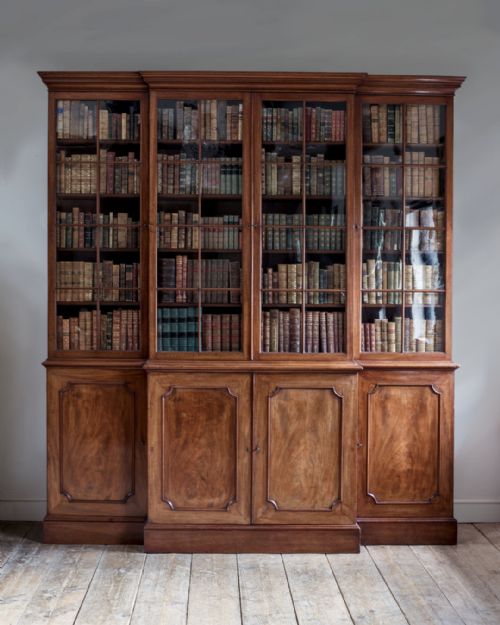
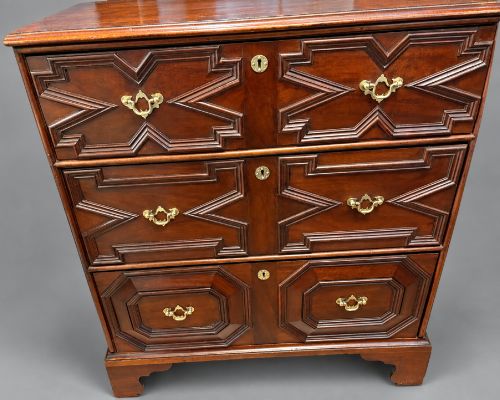
When searching for an 18th century mahogany cabinet, a buyer encounters a diverse range of forms spanning corner cupboards, bureau bookcases, chests, and bedside tables. These items were constructed to organise and protect domestic belongings during the Georgian period.
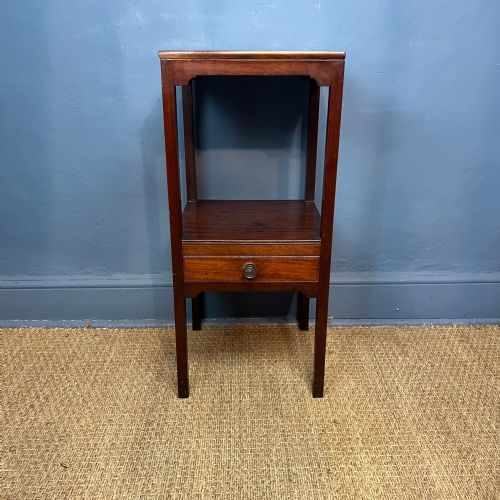
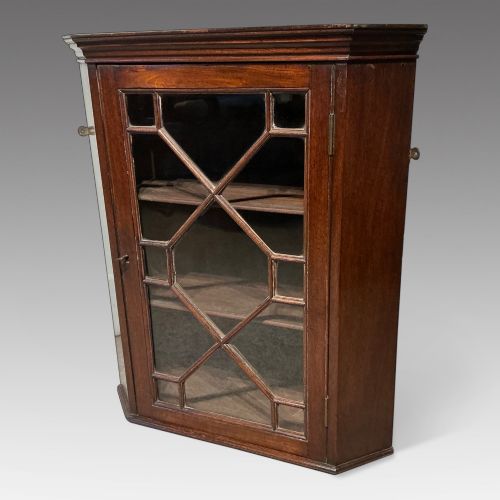
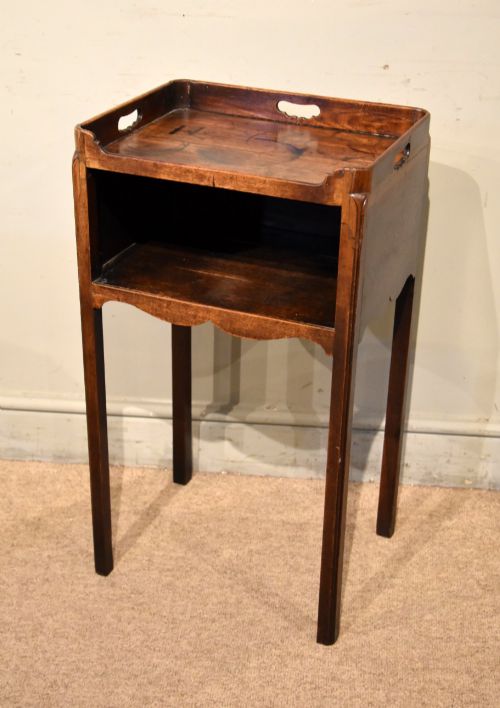
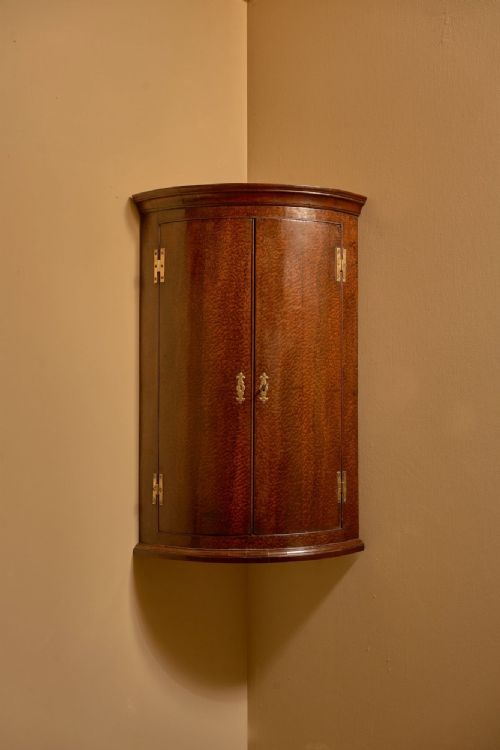
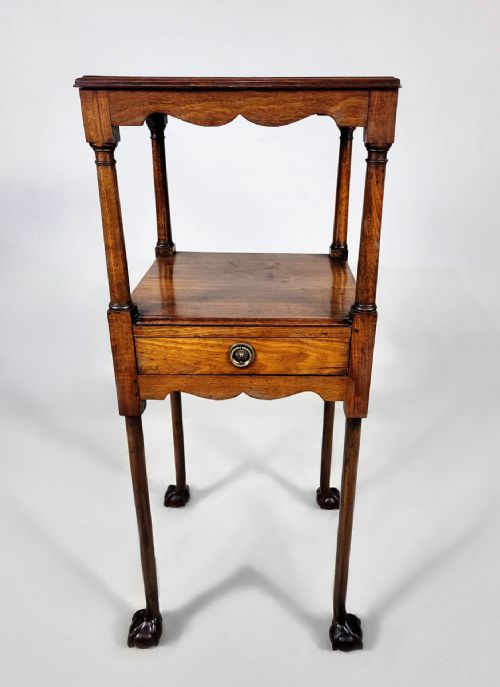
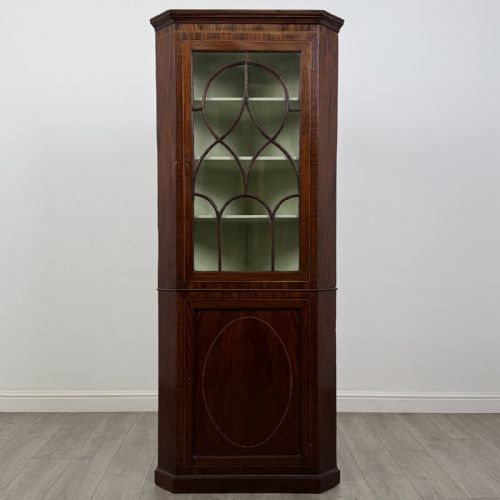
The most frequently encountered versions on this page are corner cabinets and bedside tables originating from the George III era. These pieces often incorporate glazed doors or panelled cupboards designed to fit domestic room layouts of the period.
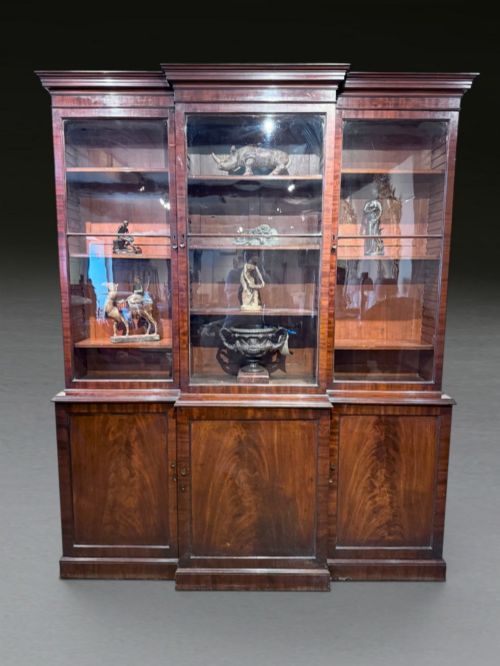
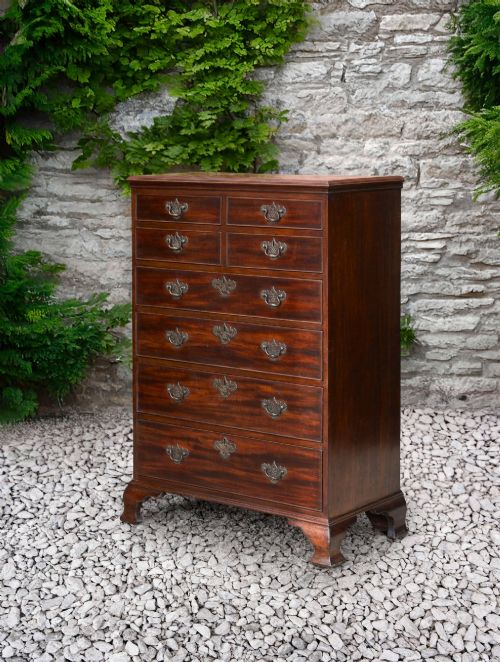
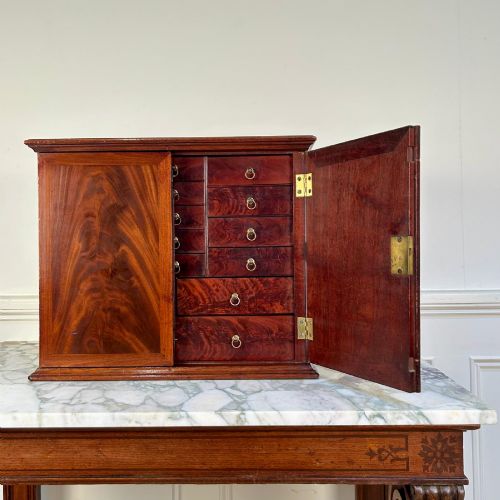
Examples stretch from tall library bookcases to compact nightstands and display cabinets. Cabinetmakers adapted the timber for multiple functions, producing both utilitarian storage and refined display furniture.
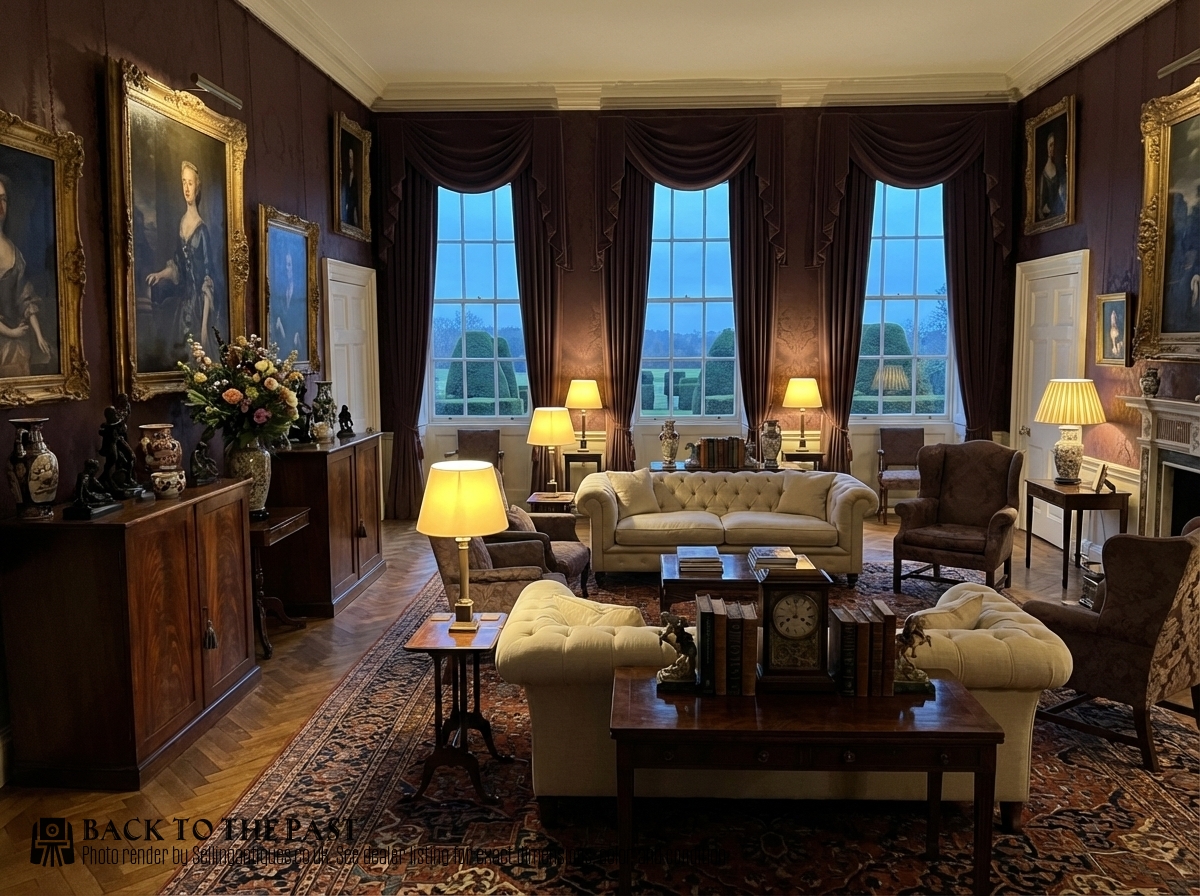
Materials and construction
Makers relied primarily on solid and figured mahogany, frequently augmented by secondary structural woods like oak. Timber selection determined the weight and visual depth of each piece.
Decoration relied on fine cabinetmaking techniques including boxwood and satinwood inlay, along with Dutch marquetry and floral motifs. Brass hardware such as hinges, escutcheons, and handles provided functional accents to the polished timber.
18th Century Mahogany Cabinet Retail Price Guide 2026
Typical asking prices for 18th century mahogany cabinet among the pieces listed under this phrase on Sellingantiques today, from the lower quarter to the upper quarter. They describe what is for sale here now, not the wider market.
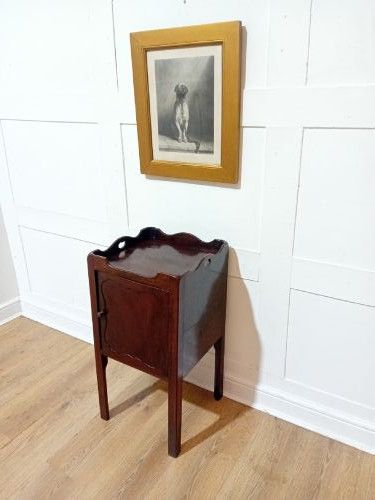
Several bedside cabinets arrived equipped with tray tops, ready for early morning tea.
Assessing quality
Quality rests upon the selection of the timber and the precision of the joinery. Figured mahogany grain patterns and carefully matched veneers signal superior craftsmanship.
The integration of secondary details, such as delicate boxwood inlay, neat dovetailing, and original brass fittings, separates standard utilitarian items from masterworks.
The 18th Century Mahogany Cabinet Glossary
- Marquetry
- Decorative veneer work arranged in pictorial or floral patterns using various tinted woods. This technique was frequently applied to Dutch cabinets and console tables.
- Bureau bookcase
- A dual-purpose piece featuring a sloping writing flap above drawers combined with an upper shelving section. These units housed writing materials and libraries.
- Corner cabinet
- A triangular storage piece designed to fit snugly into room angles. They appear in both hanging wall versions and floor-standing formats.
- Boxwood inlay
- Contrasting pale wood inserted into dark mahogany surfaces to create linear or geometric borders. It defines the edge work on George III furniture.
- Cylinder bureau
- A desk featuring a rolling curved wooden shutter that conceals interior pigeonholes and drawers. It offers a smooth mechanical alternative to the traditional folding flap.
18th Century Mahogany Cabinet: Frequently Asked Questions
Where were corner cabinets placed?
Corner cabinets were specifically designed to utilise the unused angles of Georgian rooms. They freed up central wall space while keeping tableware or books accessible.
Hanging versions were secured directly to wall studs, whereas floor-standing models anchored securely into the room junction.
How do I identify George III pieces?
George III furniture typically displays classical proportions influenced by architectural standards of the late 18th century. Look for restrained carving, symmetrical drawer arrangements, and controlled use of inlay.
Cabinetmakers of this period favored structural clarity over excessive ornamentation, relying on the natural grain of the mahogany.
What is a bureau bookcase used for?
A bureau bookcase combines a fold-down writing desk with enclosed upper shelving for books or display items. The fitted interior contains small drawers and pigeonholes for correspondence.
Lower drawer stacks provided secure storage for household documents and textiles.
Why use Cuban mahogany?
Cuban mahogany was prized for its dense grain, rich deep colour, and exceptional weight. It resisted warping and accepted crisp carving without splintering.
Cabinetmakers selected this dense timber for high-status desks, wardrobes, and display cabinets.