


Georgian Night Table
A genuine georgian night table brings refined 18th-century utility to a modern bedroom through compact craftsmanship.
Georgian Night Table
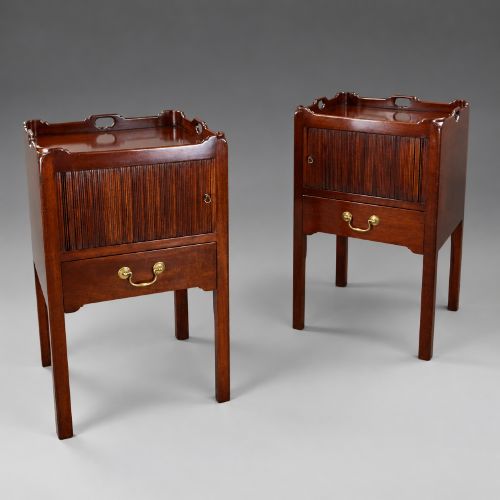
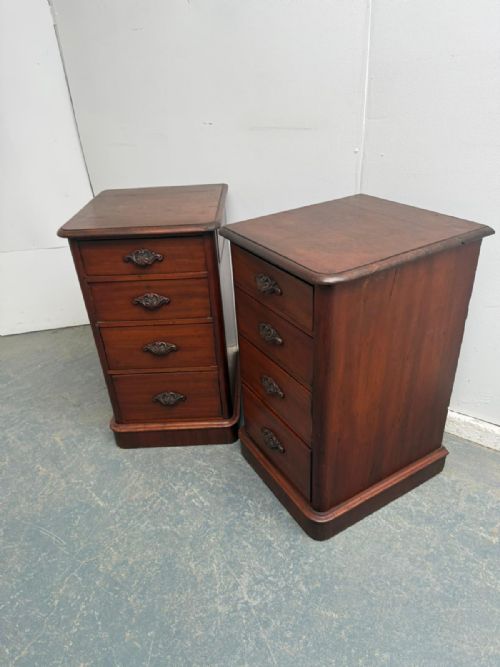
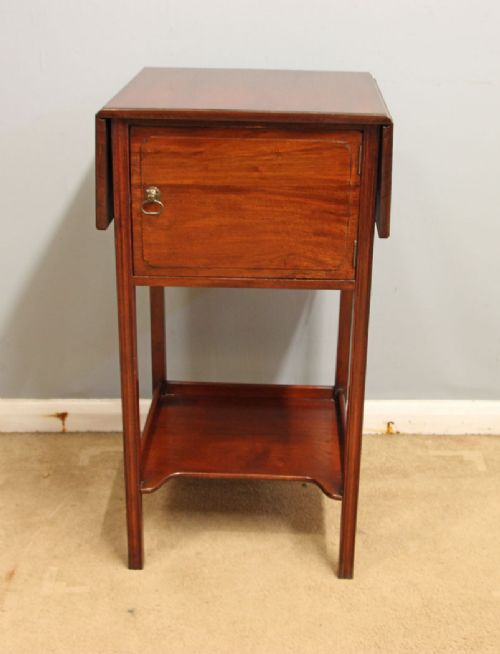
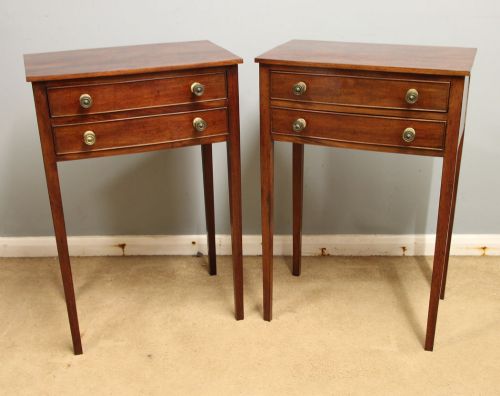
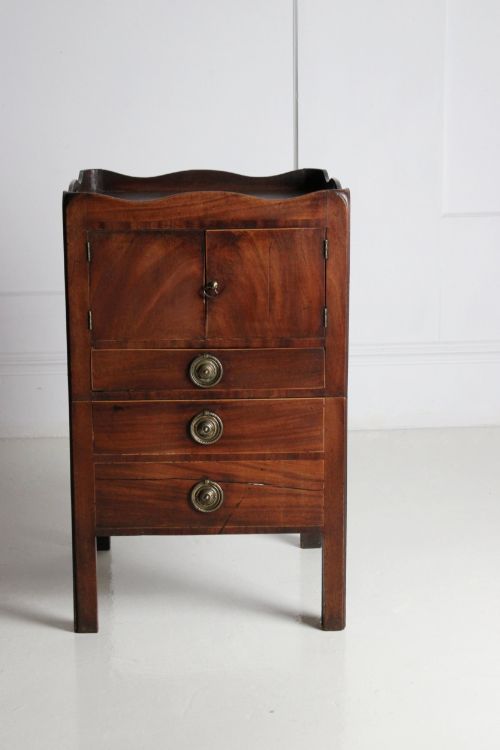
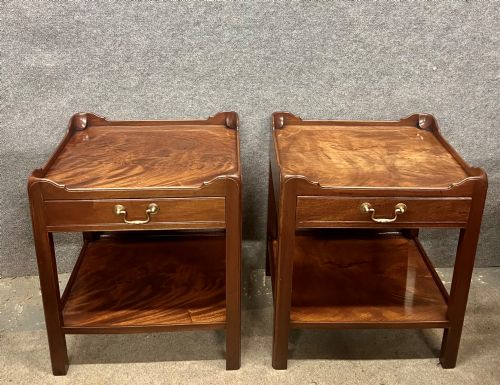
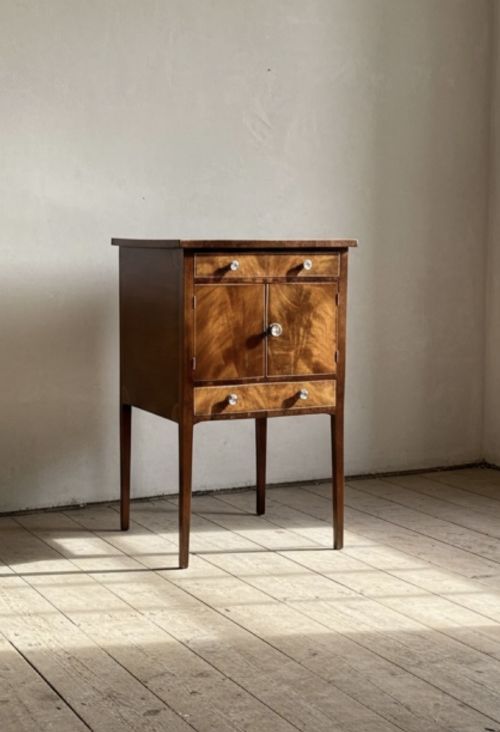
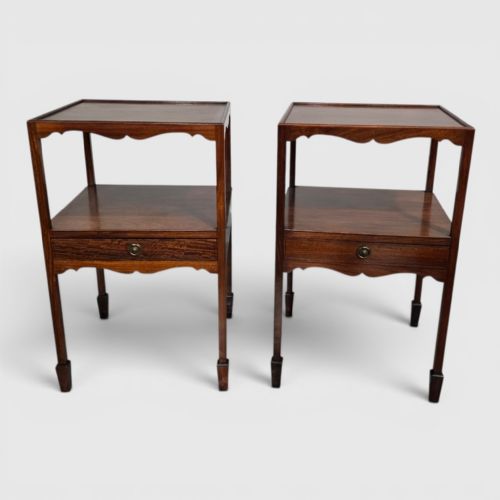
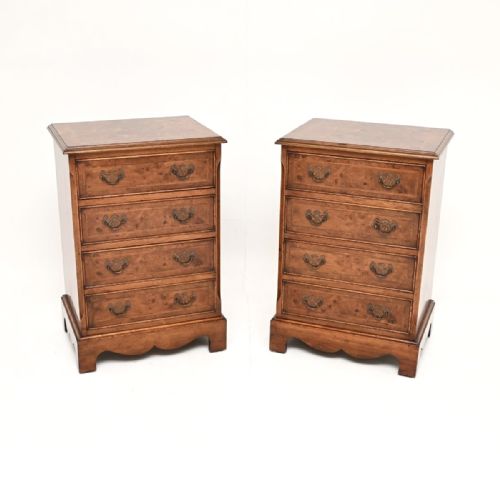
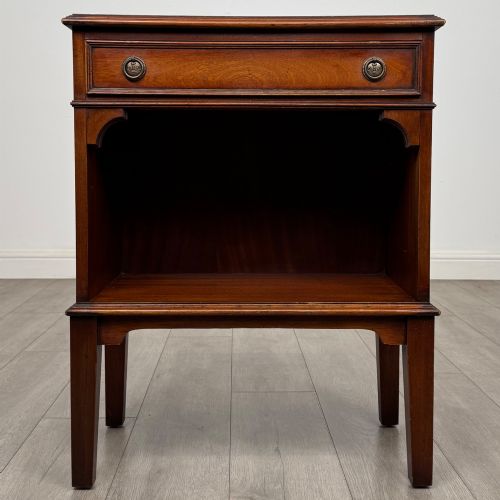
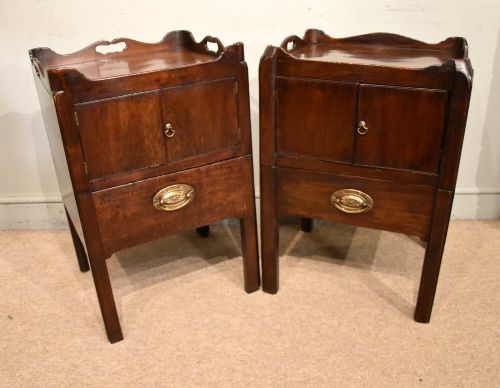
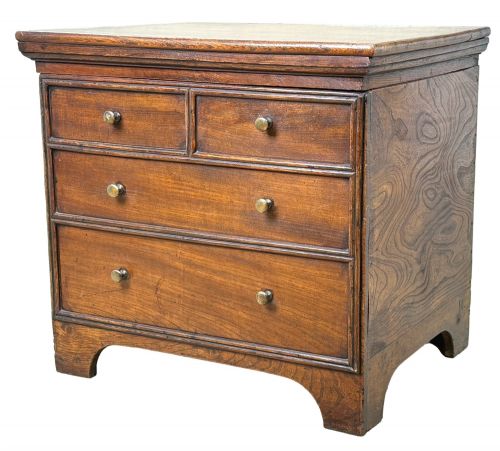
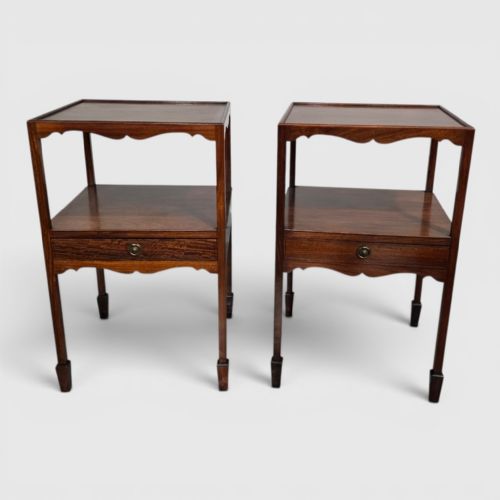
A georgian night table is a compact piece of antique bedroom furniture designed to hold chamber pots, candles, or personal items during the night. Buyers seeking this phrase will encounter various functional forms including bedside cupboards, pot cupboards, tray-top commodes, and small chests of drawers.
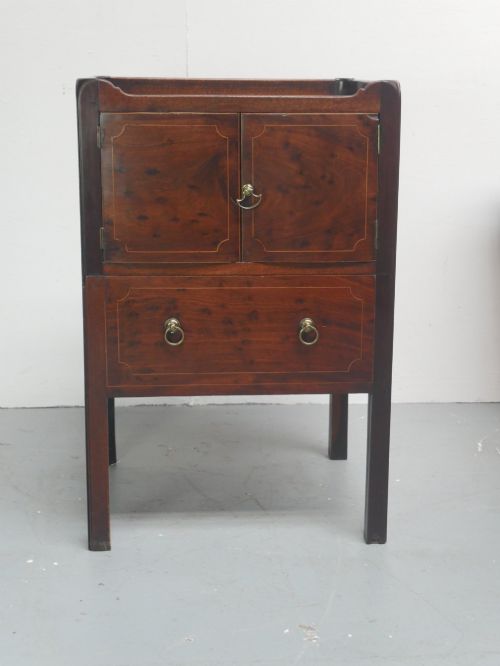
The pieces appearing on this page span authentic 18th-century and Regency examples alongside later revival interpretations from the 19th and early 20th centuries. Mahogany predominates as the primary timber, often taking the form of enclosed cupboards or open bedside tables rather than simple stands.
How they were made
Cabinetmakers constructed these pieces primarily using solid mahogany, frequently enhanced by decorative elements such as burr walnut veneer, boxwood inlay, and brass hardware. Timber selection dictated both the durability and the visual depth of the finished cabinet.
Techniques varied from standard drawer and cupboard construction to specialised forms like the cylindrical tambour door and the raised tray top. Joinery relied on traditional hand-cut methods suited to small-scale case furniture.
Georgian Night Table Retail Price Guide 2026
Typical asking prices for georgian night table among the pieces listed under this phrase on Sellingantiques today, from the lower quarter to the upper quarter. They describe what is for sale here now, not the wider market.
Listings feature mahogany, burr walnut veneer, and boxwood inlay across pieces dated from the 18th century through the 1930s.
What varies in quality
Quality in a georgian night table rests upon the selection of timber figures, such as flame mahogany or burr walnut, and the crispness of any inlay work. Finer examples display meticulous attention to secondary timbers and the original patination of the waxed surface.
Structural integrity and the retention of original functional elements, including brass handles, tambour mechanisms, or tray tops, distinguish superior specimens from standard utilitarian pieces. The proportion and neatness of smaller-scale examples also influence desirability.
The Georgian Night Table Glossary
- Pot cupboard
- A small enclosed bedside cabinet originally designed to house a chamber pot behind a panelled door.
- Tray top
- A moulded or shaped gallery edge on the top surface of a table or commode intended to prevent items from rolling off.
- Tambour
- A flexible sliding shutter formed of narrow vertical strips of wood glued to a canvas backing, frequently seen on cylinder bedside tables.
- Commode
- A low cabinet or chest with doors and drawers, often used interchangeably with night tables in Georgian bedchambers.
- Regency
- A British design period spanning the early 19th century characterised by classical restraint and influences from ancient Greece and Rome.
Georgian Night Table: Frequently Asked Questions
What is a georgian night table used for today?
These compact cabinets function well as bedside tables or lamp tables in contemporary bedrooms and living spaces.
Their enclosed cupboards and small drawers provide practical storage for modern bedside essentials while maintaining a period aesthetic.
How do I distinguish an 18th-century piece from a revival?
Examination of internal timber construction, hand-cut dovetails, and the natural ageing of the mahogany surface helps determine age.
Revival pieces from the Edwardian era or 1930s often show different secondary woods and machine-assisted joinery alongside their period-mimicking styles.
Are these tables suitable for small bedrooms?
Many examples measure under forty centimetres in width, making them exceptionally well-suited to confined spaces.
Their historical footprint was designed for compact Georgian bedchambers, aligning naturally with modern space-saving requirements.
What wood types should I expect to find?
Mahogany forms the vast majority of these cabinets, appearing in straight-grained, flame, and figured varieties.
Walnut, burr walnut veneer, satinwood, and elm also occur occasionally across different periods and regional workshops.