


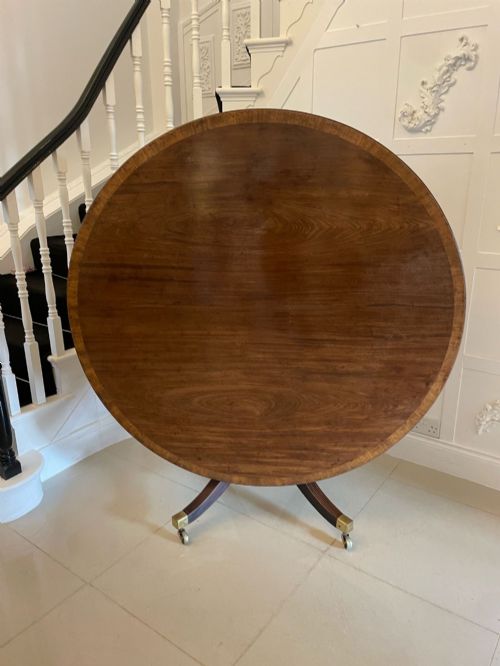
George III Table
When you handle a george iii table, you encounter the refined proportions and versatile forms characteristic of late eighteenth-century British craftsmanship.

George III Table
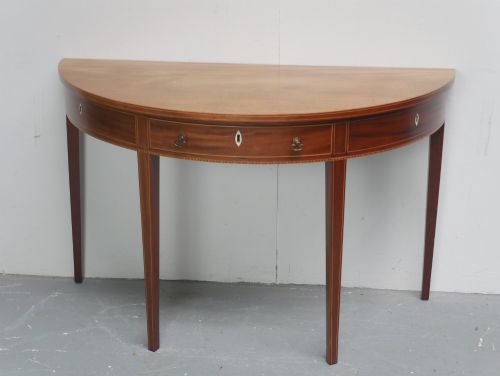
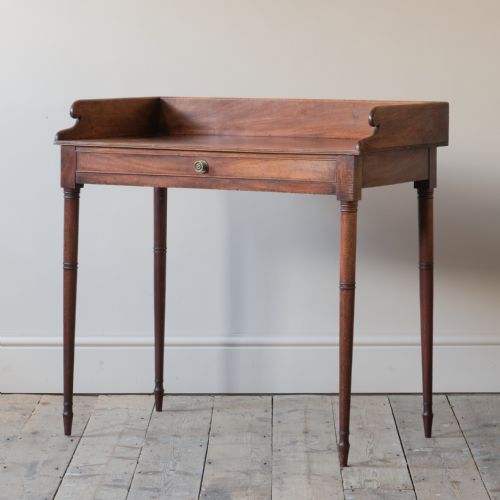
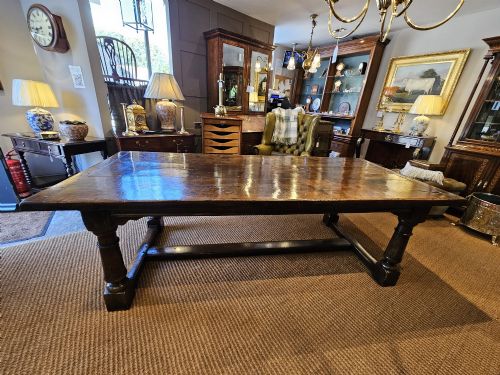
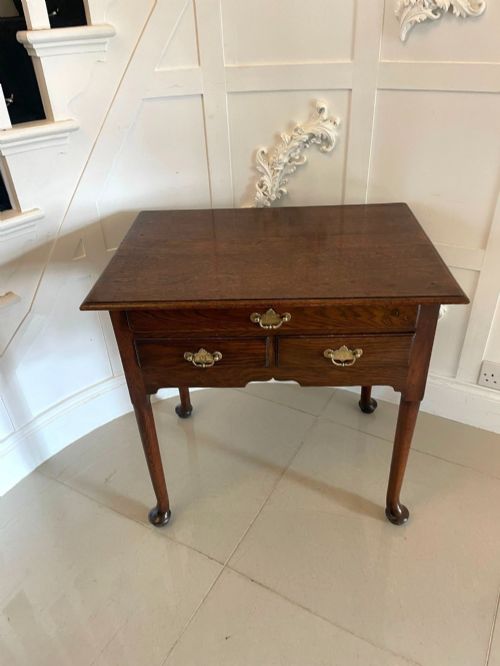
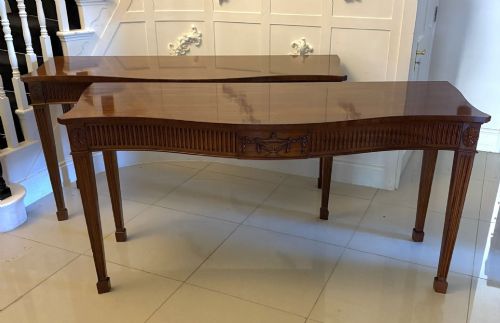
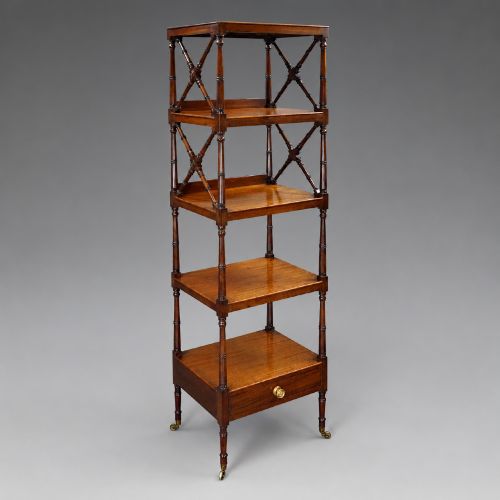
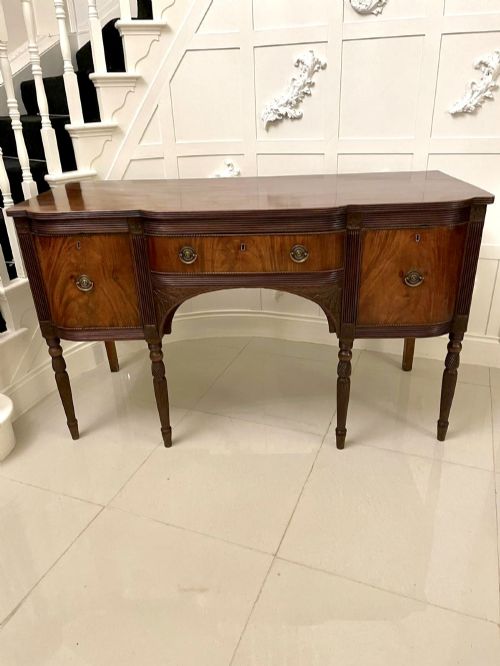
A george iii table encompasses a wide variety of domestic forms ranging from dining tables and Pembroke tables to tripod wine tables and console tables. These pieces emerge from the Georgian era, spanning the late eighteenth century into the early nineteenth century.
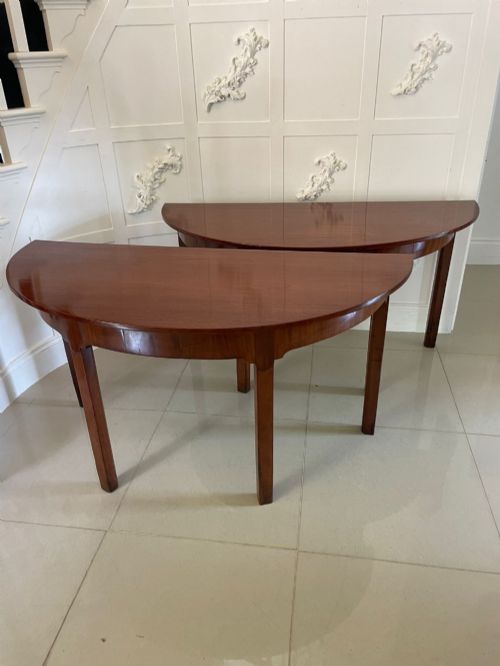
Dining tables and card tables dominate the selection, often featuring mahogany or oak construction. Buyers frequently encounter console tables and tilt-top tripod tables designed for specific functional roles within period interiors.
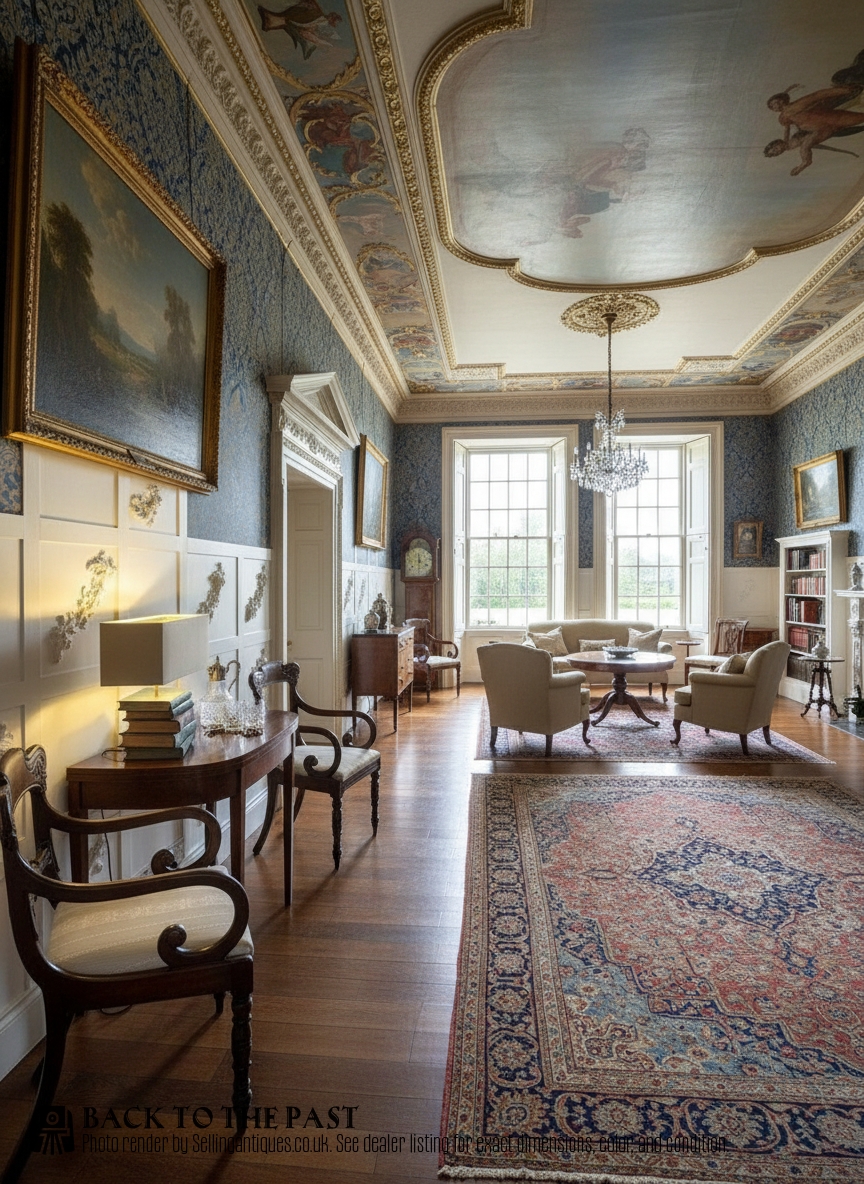
Materials and Construction
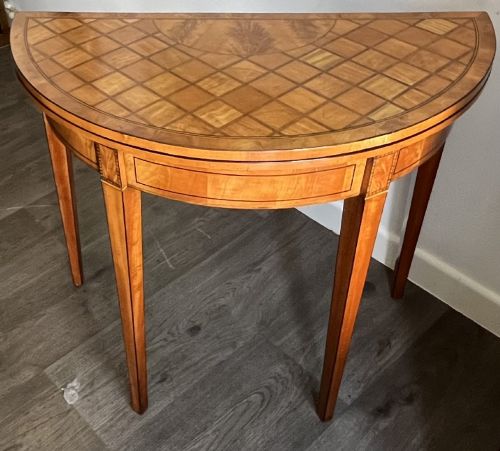
Cabinetmakers of the period relied heavily upon solid mahogany and oak, frequently enhanced by figured mahogany veneers, satinwood crossbanding, and delicate boxwood stringing. These timbers were selected for grain pattern and stability during construction.
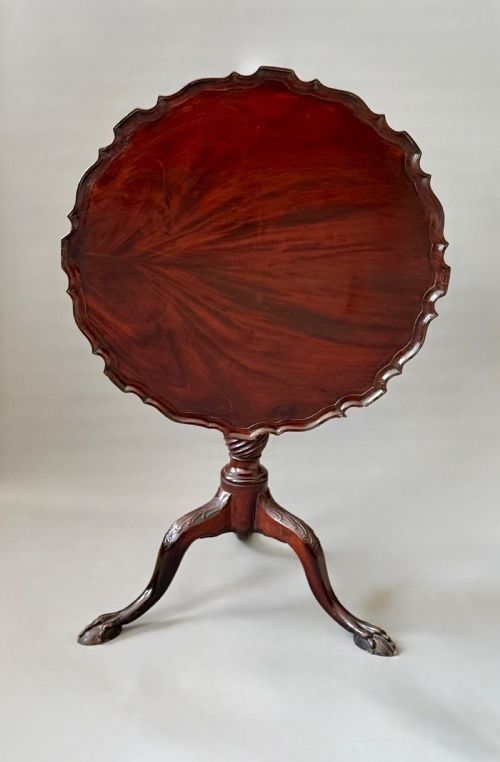
Joinery techniques included mortise and tenon frames for structural support, alongside sophisticated mechanisms such as birdcage actions on tripod tables and folding leaves on card tables.
George III Table Retail Price Guide 2026
Typical asking prices for george iii table among the pieces listed under this phrase on Sellingantiques today, from the lower quarter to the upper quarter. They describe what is for sale here now, not the wider market.
Some wine coolers arrived equipped with lead linings to keep ice chilled properly.
Assessing Craftsmanship
The distinction between standard examples and exceptional pieces rests upon the choice of timber and the finesse of the carving. Finely figured flame mahogany and crisp neoclassical carving elevate a piece significantly above plain domestic items.
Proportion and structural integrity also dictate standing, with superior examples retaining original brass hardware, uncompromised veneer surfaces, and stable pedestal bases.
George Bullock·Thomas Butler·Gillows
The George III Table Glossary
- Crossbanding
- A border strip of veneer laid perpendicular to the grain of the primary surface. This technique provides a neat framing effect on tabletops.
- Demi-lune
- A half-moon shape characteristic of side and console tables designed to sit flush against a wall. These tables often feature fold-over tops.
- Tripod table
- A small freestanding table supported by a central pillar and three spreading legs. Many feature tilt-top or birdcage mechanisms for easy storage.
- Lowboy
- A small side table or dressing table featuring one or more rows of drawers beneath the surface. They typically stand on slender cabriole or straight legs.
- Pie crust table
- A round tabletop featuring a raised, carved, and scalloped edge resembling pastry work. This decorative edging appears frequently on tripod tables in the Chippendale taste.
George III Table: Frequently Asked Questions
How do card tables work?
Card tables are constructed with a folding top that opens to double the surface area for gaming. A hinged rear leg swings out to support the opened leaf.
Many examples include small recessed wells for counters and candle corners carved into the mahogany surface.
Where were these tables used?
These pieces served diverse functions throughout the domestic interior, from formal dining rooms to intimate parlours and bedrooms. Side tables and console tables occupied hallways and drawing-room perimeters.
Pembroke tables and small tripod stands moved easily about the room as required for tea, reading, or needlework.
How do I identify a dining table?
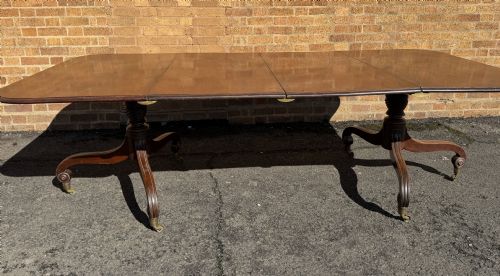
Dining tables from this era often utilise pillar and pedestal constructions with multiple sections that link together. This modular design allowed owners to adjust the table length depending on the number of guests.
Drop-leaf mechanisms and removable leaves further provided versatility for different dining arrangements.