
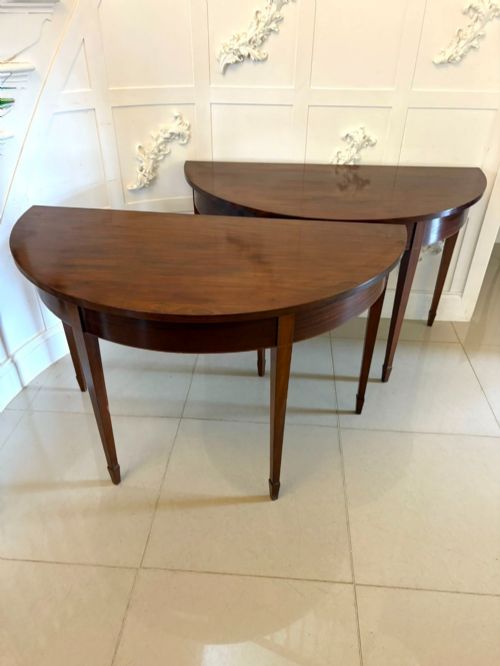
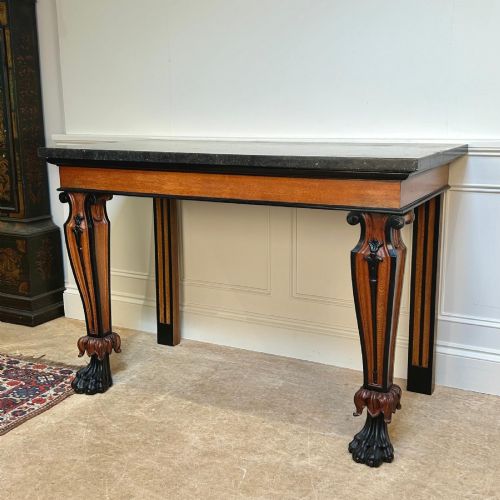
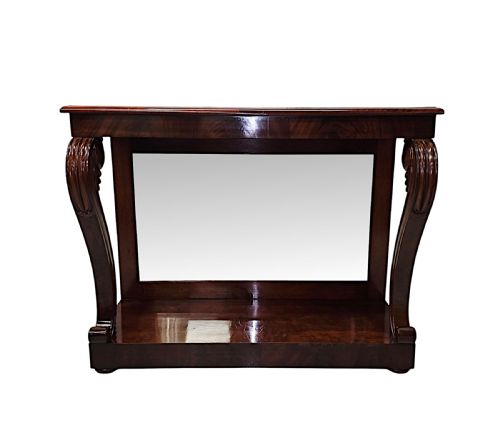
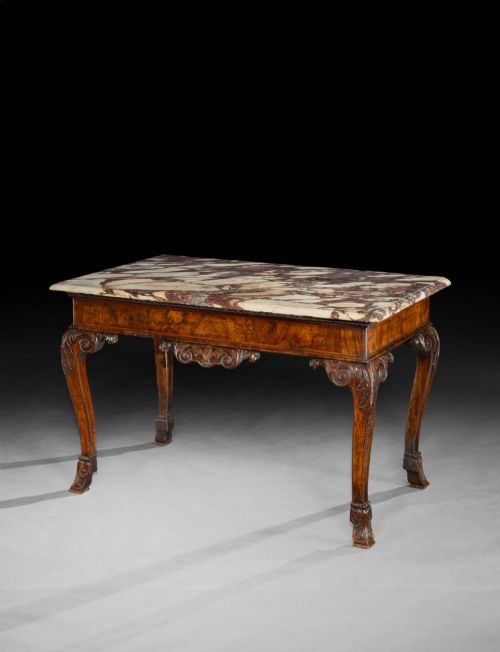
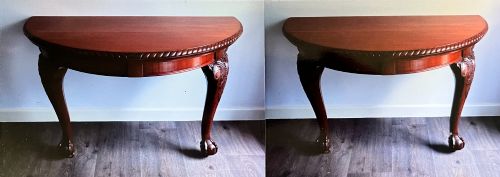

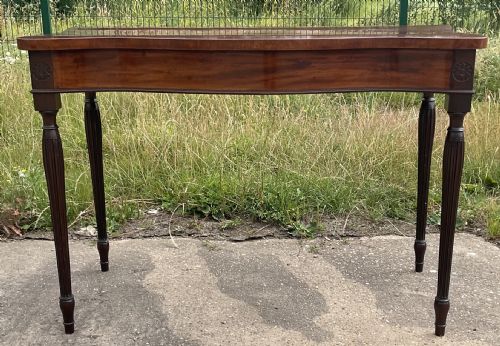
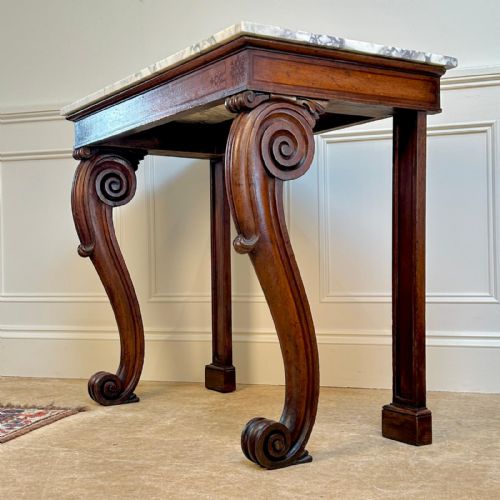
Georgian Pier Table
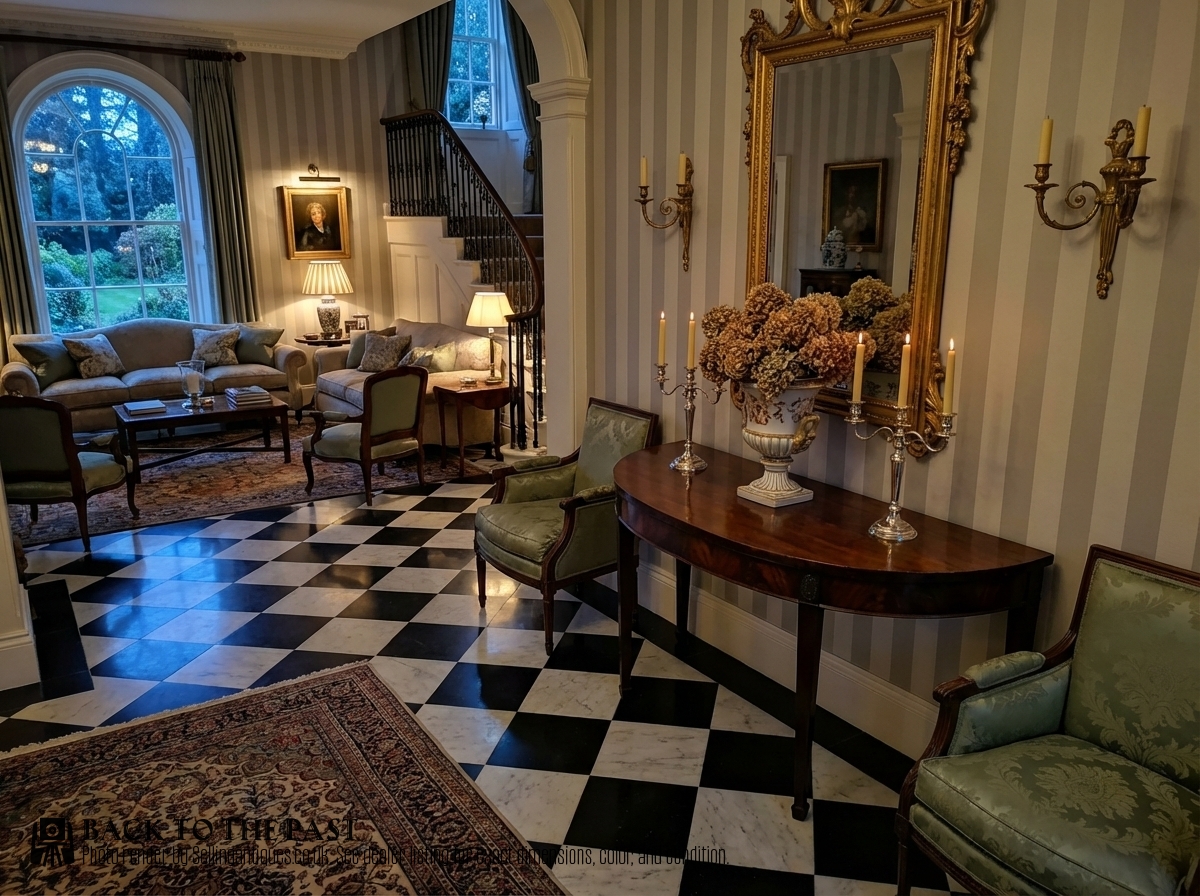
A georgian pier table brings architectural elegance to a hallway, anchoring the space with classic proportions and fine timber.
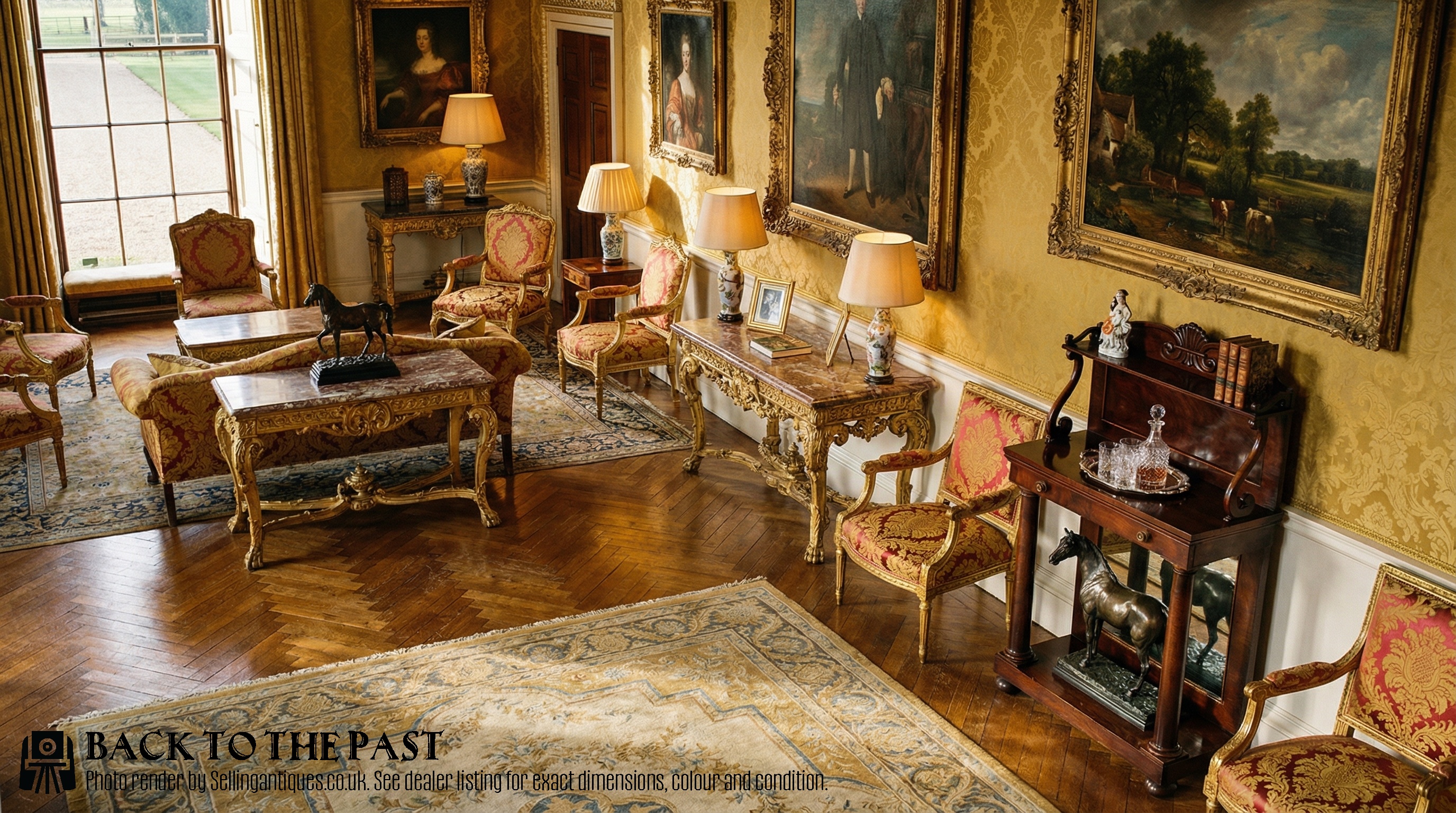
Georgian Pier Table
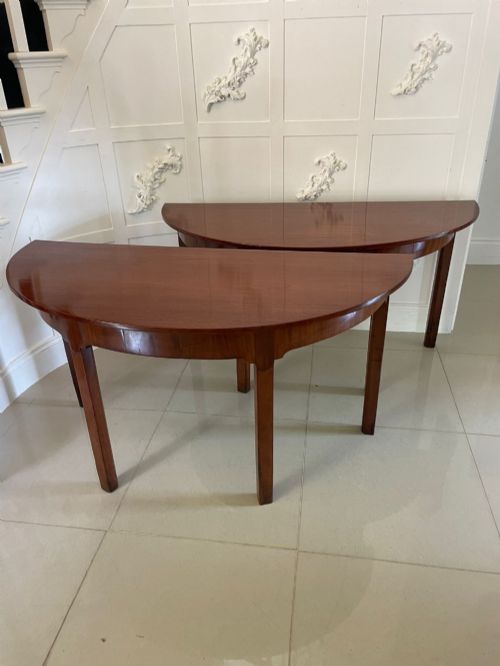
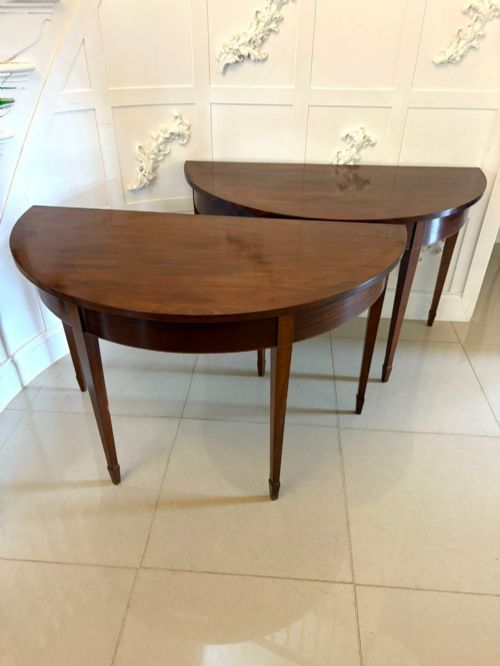
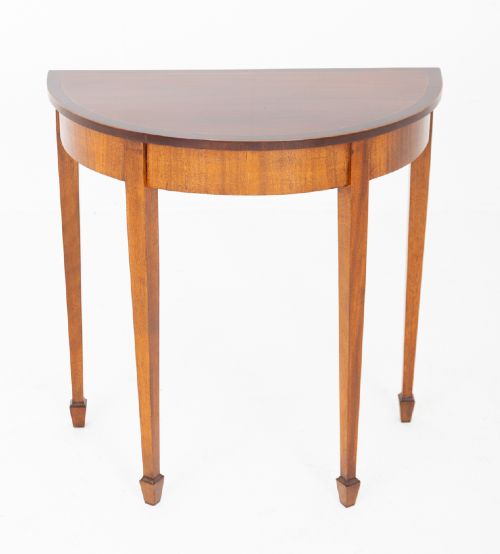
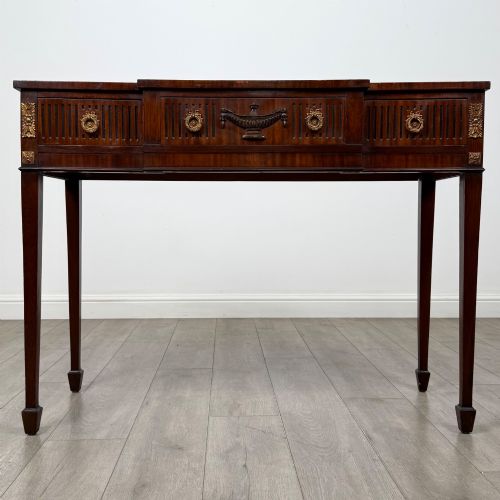
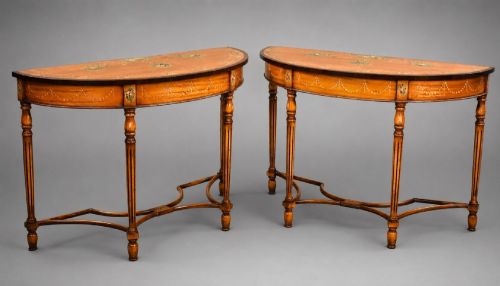
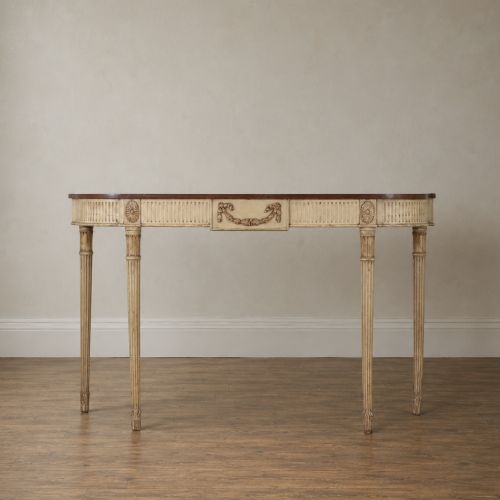
A georgian pier table is a foundational piece of antique furniture designed to sit flat against a wall, frequently between windows or beneath a mirror. These tables appear in various forms, including demi-lune, break-front, and serpentine console shapes, often functioning as side tables or serving tables.
The pieces available span from 18th-century originals originating in the Georgian and Regency periods to later revivals from the 19th and 20th centuries. Mahogany and satinwood predominate, alongside occasional examples in oak, walnut, rosewood, and giltwood.
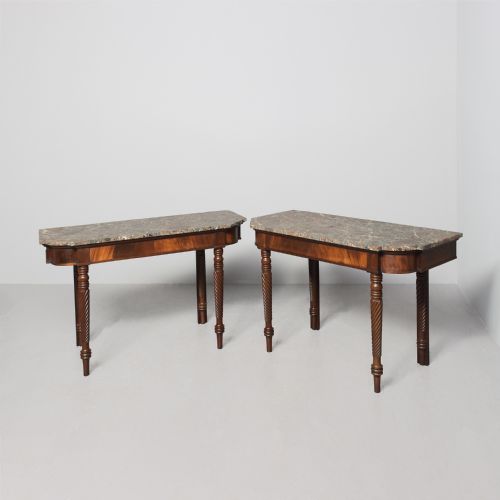
Many tables incorporate marble tops or decorative painted finishes reflecting Adam, Sheraton, and Chippendale styles. Buyers encounter both single tables and matched pairs designed for symmetrical placement in traditional interiors.
How They Were Made
Cabinetmakers utilised dense timbers such as mahogany, rosewood, and satinwood, often enhanced with crossbanding, figuration, and painted decoration. Tables intended for formal reception spaces frequently combined polished timber structures with heavy marble slabs fitted directly to the frieze.
Carved details and gilded gesso surfaces reveal the hand of skilled artisans working within neoclassical and George II traditions. Structural framing relied on oak and walnut for hidden supports, ensuring stability beneath heavy stone or timber tops.
Georgian Pier Table Retail Price Guide 2026
Typical asking prices for georgian pier table among the pieces listed under this phrase on Sellingantiques today, from the lower quarter to the upper quarter. They describe what is for sale here now, not the wider market.
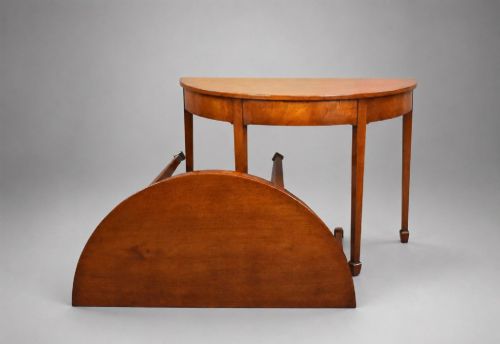
Card games and tea drinking inspired cabinetmakers to build multi-functional pier tables with folding tops.
What Varies in Quality
The refinement of the timber figures and the crispness of carved mouldings distinguish standard production from exceptional examples. Superior tables demonstrate meticulous timber selection, such as highly figured mahogany or intricate satinwood crossbanding.
The integration of original marble tops and intact giltwood or painted finishes elevates a piece significantly. Construction methods, including the precision of joints and the retention of period hardware, dictate the overall integrity of the table.
Gillingtons of Dublin·Hicks of Dublin·Gillows·Seddon Sons and Shackleton
The Georgian Pier Table Glossary
- Demi-Lune
- A half-moon shape characteristic of many console and pier tables designed to stand flush against a wall. This form became particularly popular during the late 18th century for smaller reception rooms.
- Frieze
- The horizontal band running directly beneath the top surface of the table. Cabinetmakers frequently decorated this area with carved woodwork, veneers, or painted motifs.
- Giltwood
- Timber coated with a thin layer of gold leaf over a prepared gesso base. This technique appeared on grand decorative tables during the 18th and 19th centuries.
- Crossbanding
- A border of veneer applied to the edges of a table top so that the grain runs perpendicular to the main surface. This decorative framing technique highlights the proportions of the piece.
- Console Table
- A table supported by wall brackets or legs, designed to stand against a vertical surface. Many pier tables share this structural format.
Georgian Pier Table: Frequently Asked Questions
What is a pier table?
A pier table is a decorative console table designed specifically to stand against the wall space between windows. They typically feature flat backs and ornamented front legs.
Historically, these tables supported mirrors or decorative objects, adding a formal focal point to drawing rooms and halls.
Where should I place a console table?
These tables suit entrance halls, narrow corridors, and reception rooms where floor space is limited. Their shallow depth allows them to sit neatly against walls without obstructing pathways.
Pairing a table with a hanging mirror recreates traditional interior arrangements from the Georgian period.
How do I identify a Georgian pier table?
Examination of the timber, joinery, and decorative style helps determine the period of origin. Genuine pieces from the 18th century display period construction techniques and traditional cabinet woods like mahogany or oak.
Revival pieces from later centuries often imitate these classical proportions and neoclassical ornamentation styles.
Did these tables have marble tops?
Many pier tables feature inset marble or rouge marble tops designed to handle heavy decorative items. Timber tops in figured mahogany or painted satinwood are equally common.
The choice of top often reflects whether the table served a functional dining purpose or a purely decorative role.