

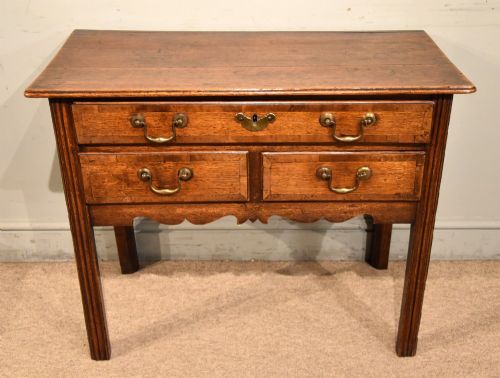
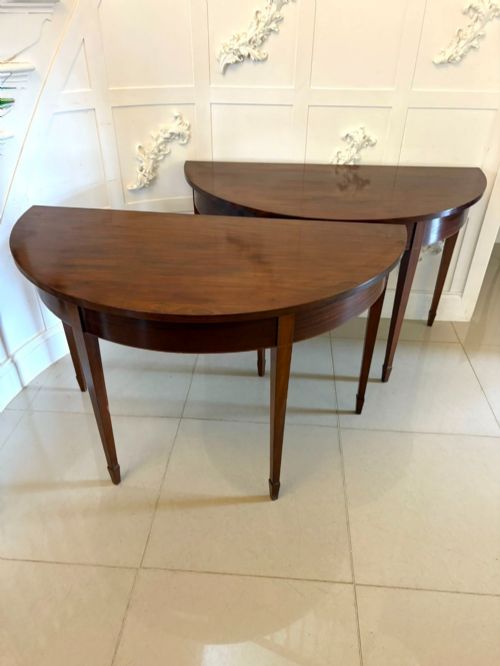
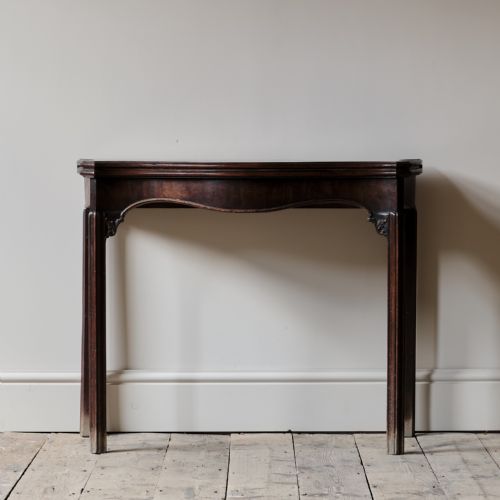
George III Console Tables
George iii console tables bring the measured elegance of the Georgian interior to a room, offering refined timber surfaces designed to anchor a formal wall.
What george iii console tables are
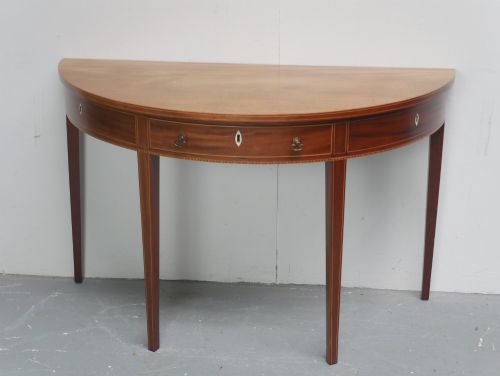
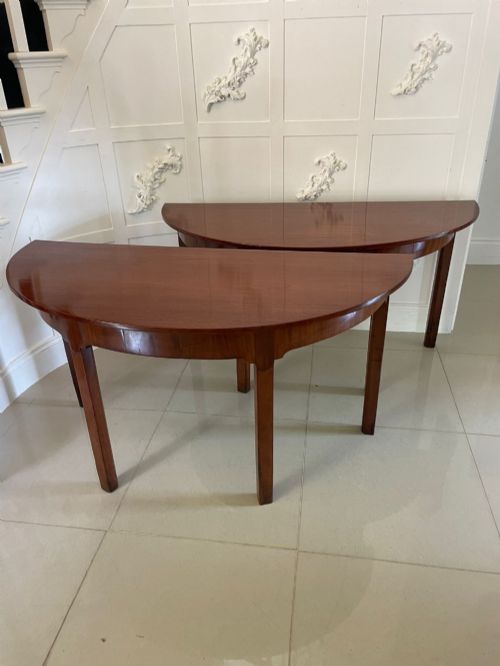
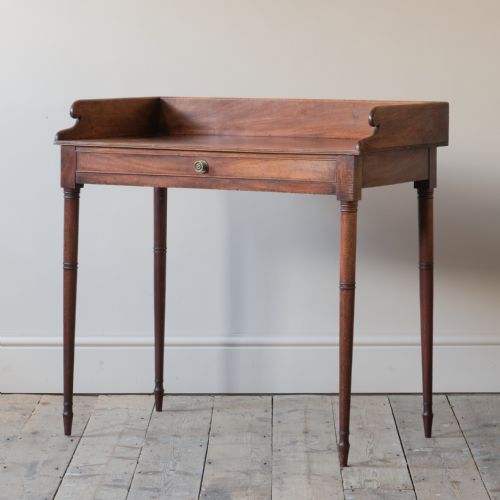
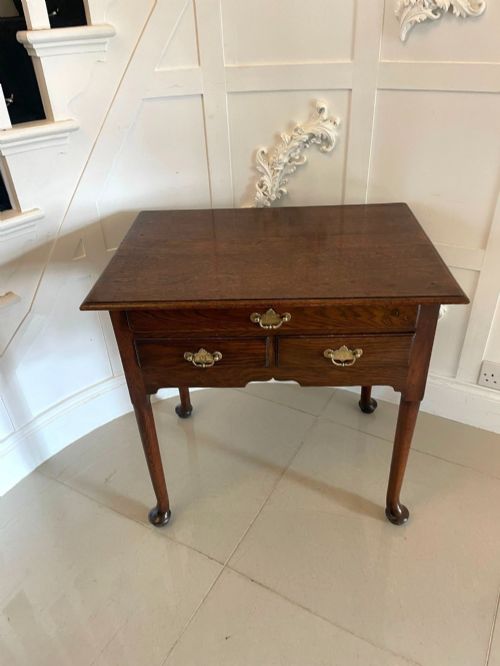
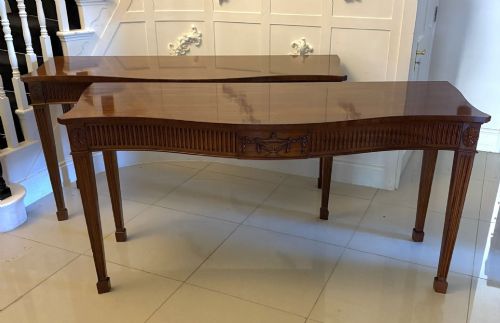
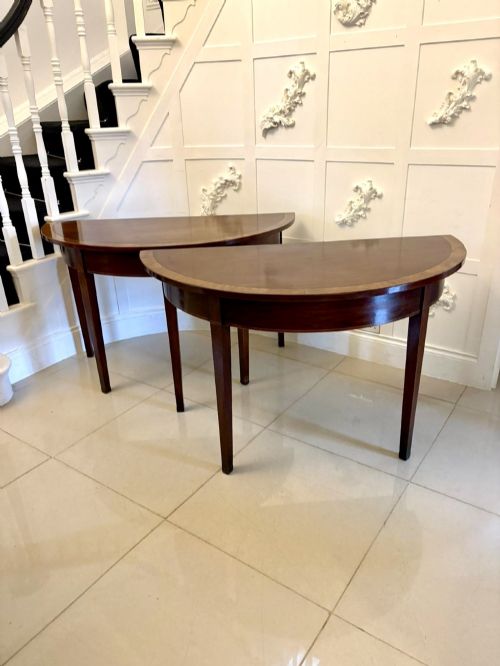
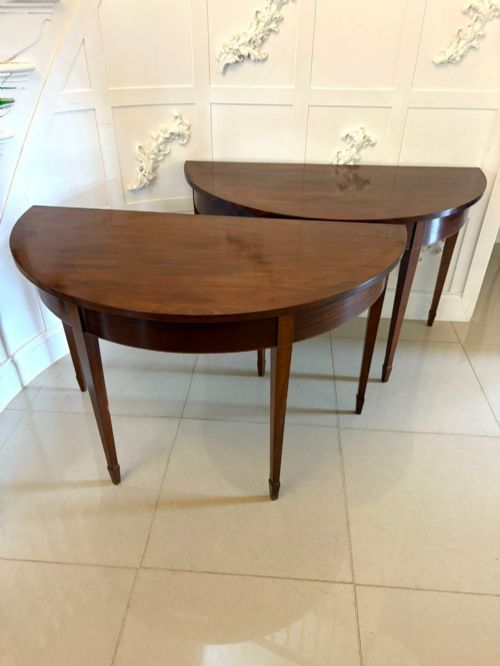
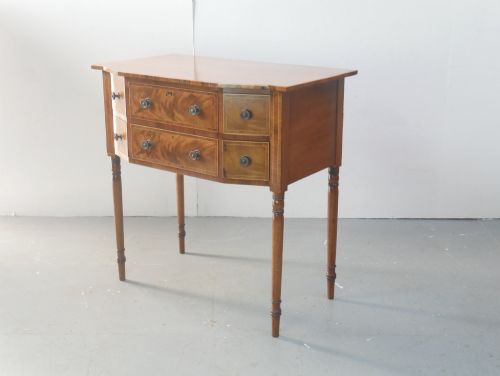
George iii console tables emerge primarily in the georgian period as sophisticated timber furniture built to stand against a wall, frequently taking the form of demi-lune shapes or serpentine side tables. These pieces appear largely as matching pairs, constructed to balance the symmetry favoured in period reception rooms and hallways.
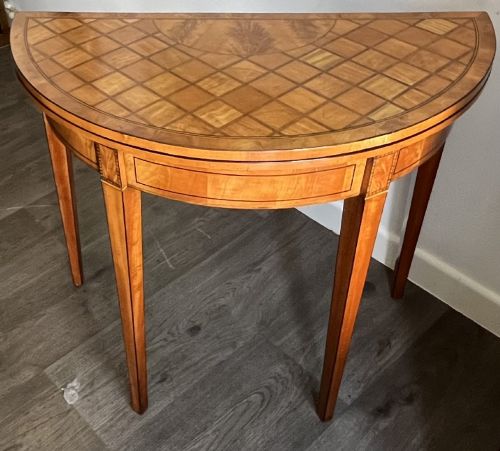
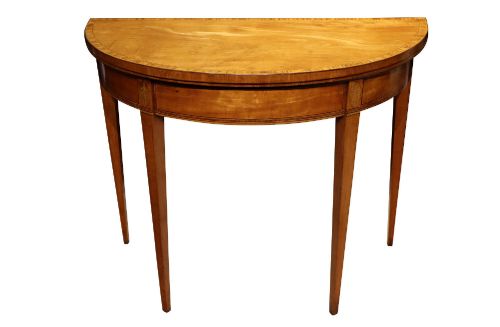
The dominant forms recorded across these listings include demi-lune console tables alongside occasional variants with inlaid details or later marble tops. Buyers encounter these specific shapes repeatedly in the archive, reflecting the formal entertaining requirements of late eighteenth and early nineteenth century domestic spaces.
How they were made
Makers construct george iii console tables using solid timber frames enhanced by figured mahogany, wood veneer, and satinwood accents. Cabinetmakers select these woods for their distinct grain patterns, applying veneers across curved surfaces to achieve striking visual depth.
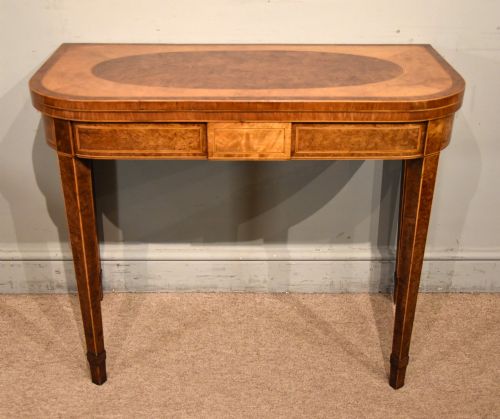
Joinery techniques focus on supporting serpentine and demi-lune shapes, incorporating precise inlays and edge banding to define the structural contours. Certain pieces integrate supplementary materials such as oak framing or later marble insertions as recorded in surviving examples.
Retail Price Guide 2026
Typical UK retail prices for george iii console tables, calculated from the Sellingantiques database of over a million retail prices indexed since 2003. This retail price guide relies exclusively on Sellingantiques data; no external sources or auction records are used, so the figures do not describe the wider market.
Listings for george iii console tables predominantly feature mahogany timber and demi-lune shapes dating from the georgian period.
What varies in quality
The standard of a george iii console table rests upon the selection of figured mahogany and the precision of its veneer matching across curved demi-lune tops. Superior examples display grain patterns that flow harmoniously across the timber surface without interruption.
Refinement in quality also shows in the crispness of inlaid details and the structural integrity of serpentine mouldings. Pieces executed with greater care maintain balanced proportions and sophisticated timber selection throughout the carcass.
The George III Console Tables Glossary
- Demi-lune
- A half-moon shape characteristic of console tables designed to sit flush against a wall. This profile became particularly popular during the georgian period for smaller side furniture.
- Serpentine
- A curved line that undulates gently with a convex centre flanked by concave sides. This contour appears on the front edges of sophisticated side tables.
- Veneer
- A thin layer of figured wood applied over a secondary timber base to create decorative surfaces. Cabinetmakers use this technique to display dramatic grain patterns.
- Inlay
- Contrasting timber or decorative material inserted into depressions carved into the wood surface. This method creates geometric or linear patterns along table edges.
Frequently Asked Questions
Where do george iii console tables go?
These tables sit flat against a wall in a hallway, drawing room, or formal dining space. They provide a surface for decorative objects while maintaining a shallow depth that preserves floor space.
Historically, they often stood beneath a matching mirror or painting to create a unified decorative scheme in reception rooms.
Are these tables usually found in pairs?
The surviving evidence shows a high proportion of matching pairs designed to stand symmetrically on either side of a fireplace or doorway. Single tables do appear, but pairs reflect the original decorative intent of georgian interiors.
Collectors often seek out pairs to maintain historical balance within period room settings.
What wood is used most often?
Mahogany is the primary timber recorded across these pieces, frequently enhanced by figured veneers and satinwood details. Cabinetmakers valued mahogany for its strength and rich natural colour.
Alternative timbers like oak also appear in internal framing or specific regional variations from the period.
How do demi-lune tables function?
A demi-lune table provides a semi-circular top supported by legs that position securely against a flat wall. Their shape avoids sharp corners in busy walking areas while offering a stable surface.
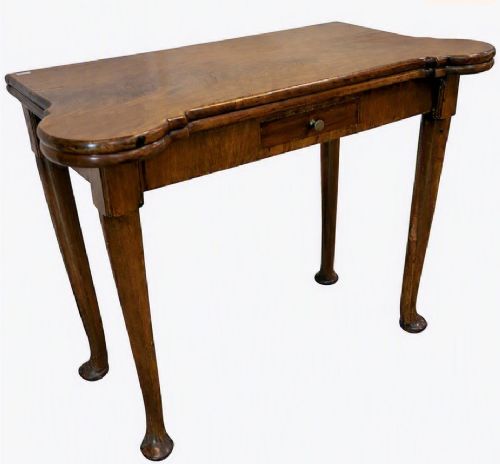
Some examples feature hinged tops that unfold to serve alternative functions in formal rooms.