

Neoclassical Marquetry Table
When you handle a neoclassical marquetry table, you deal in balanced geometry, contrasting timber grains and precise pictorial inlay that defines an interior.
Neoclassical Marquetry Table
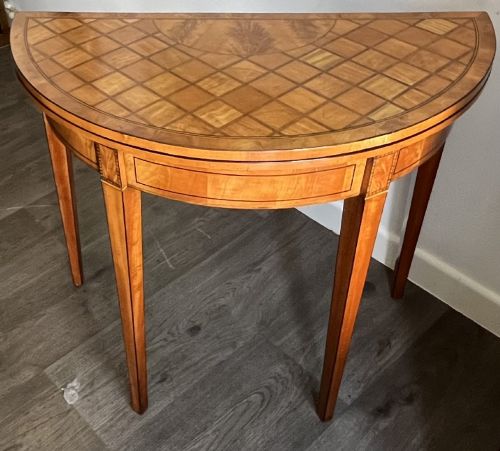
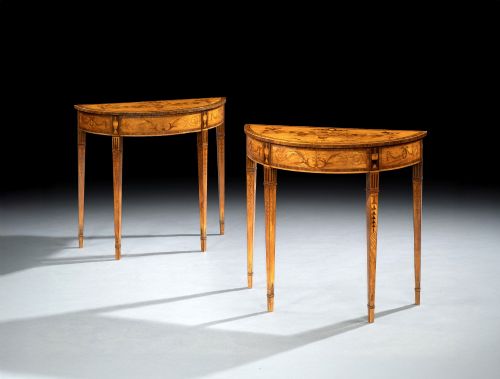
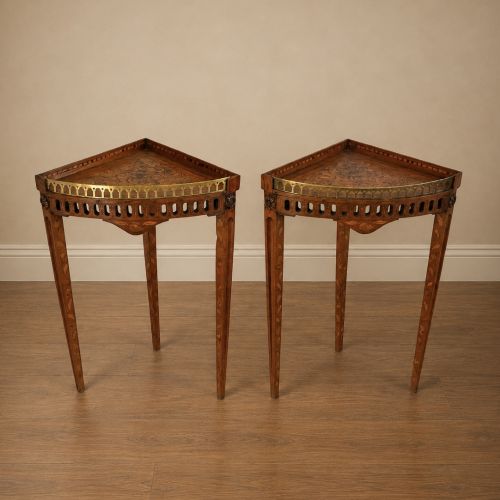
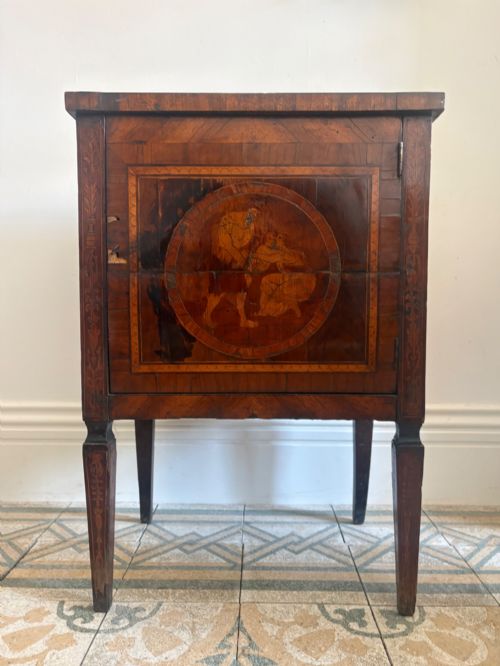
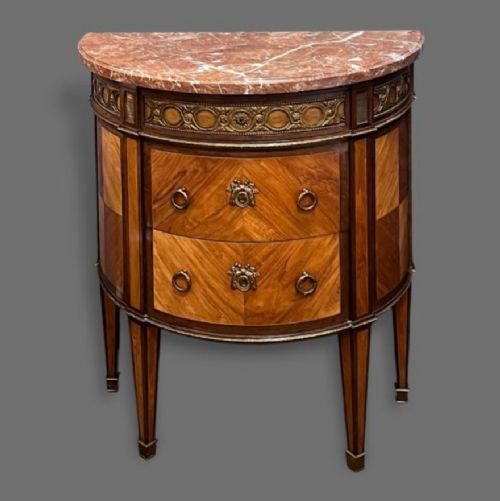
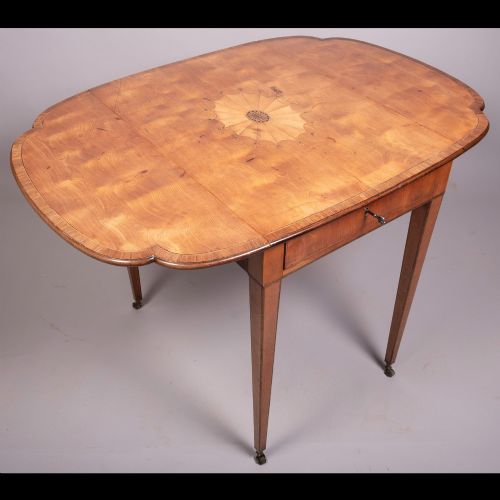
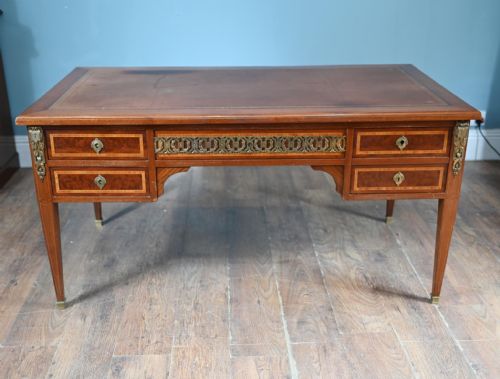
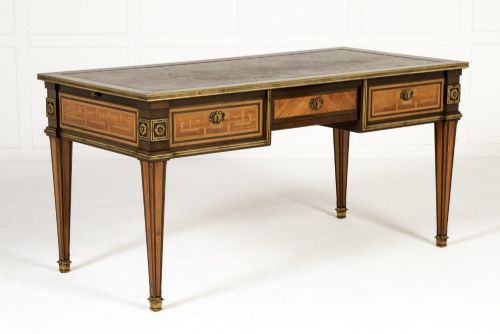
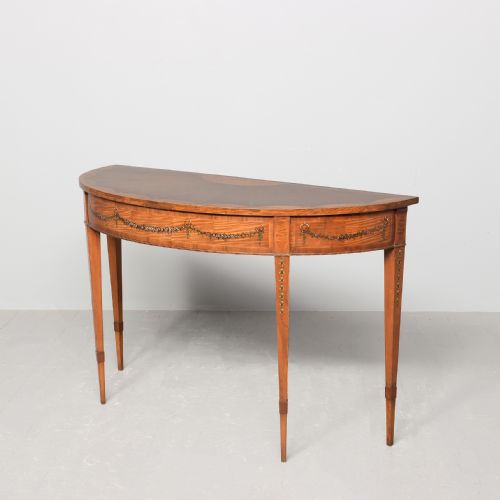
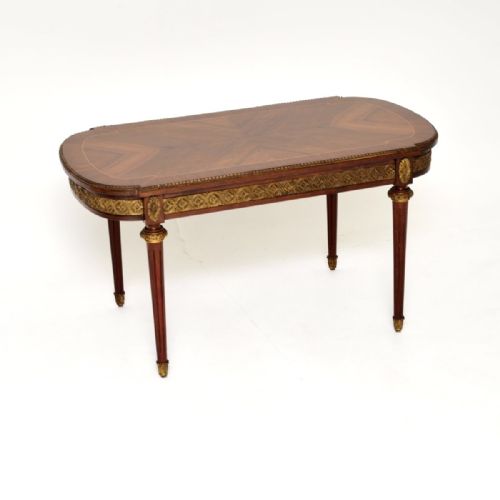
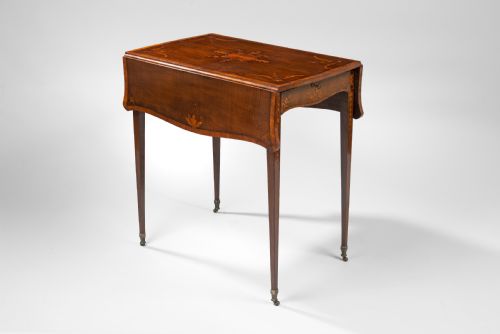
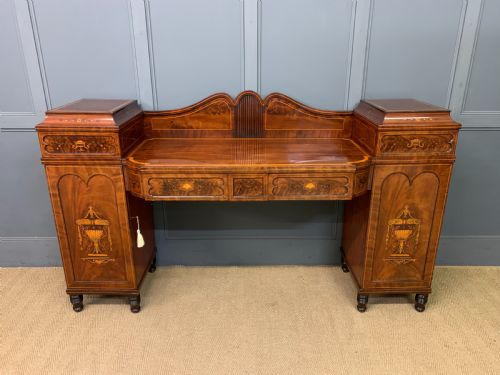
A neoclassical marquetry table unites architectural symmetry with detailed wood inlay, drawing on George III, Sheraton and Louis XVI design traditions. You encounter forms ranging from demilune side tables and Pembroke tables to card tables, writing desks and centre tables.
The pieces span the eighteenth, nineteenth and early twentieth centuries, including revival items from the Edwardian period and the nineteen-thirties. Italian, French and English workshops all contributed distinct regional interpretations to this enduring aesthetic.
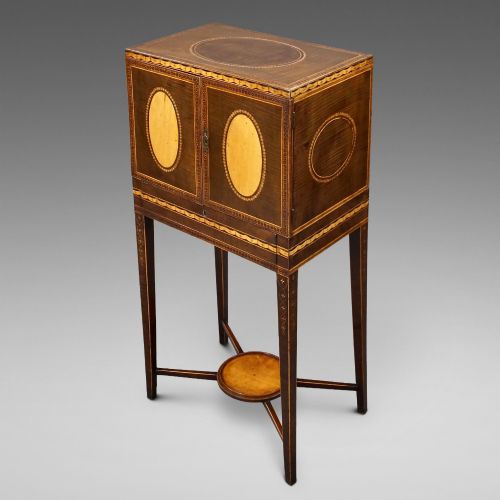
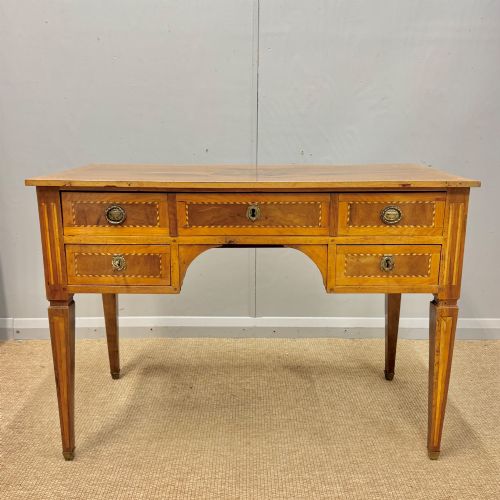
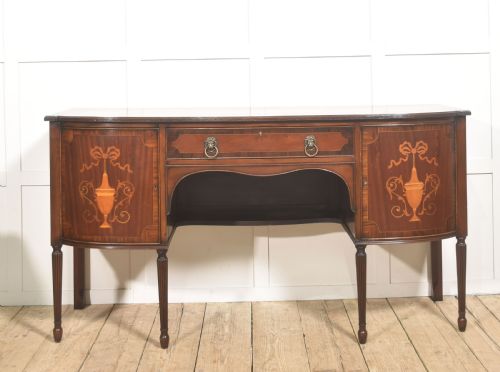
On this page, you are most likely to meet satinwood and mahogany occasional or console tables alongside walnut and kingwood writing desks. Many feature geometric borders, floral motifs or classical urns rendered in contrasting timbers.
Materials and construction
Cabinet makers utilised a foundation of solid woods like mahogany, walnut or oak, overlaid with veneers of satinwood, harewood, kingwood and partridgewood. Fine boxwood and brass lines often border the main fields of decoration.
Marquetry requires cutting thin sheets of contrasting wood to form pictorial or geometric patterns, which are then assembled and glued to the carcase. Ormolu mounts, marble tops and brass galleries frequently complete the composition on high-status examples.
Listings feature satinwood, mahogany, walnut, kingwood and rosewood surfaces paired with marble tops and brass galleries.
Assessing quality
Quality rests in the crispness of the timber selection and the precision of the cutter's saw. Superior pieces display seamless integration between the marquetry panels and the structural mouldings of the table.
The depth of colour in the aged satinwood or walnut determines visual impact. Hand-cut inlay retains subtle irregularities that distinguish master workshops from later mechanical production.
Pietro Ferrario·Jean Werner·Paul Sormani
The Neoclassical Marquetry Table Glossary
- Marquetry
- The art of applying pieces of veneer to a structure to form decorative patterns and pictures. It relies on contrasting natural wood colours rather than paint.
- Satinwood
- A durable, lustrous timber from tropical trees yielding a golden-yellow hue. It became the favoured canvas for neoclassical cabinet makers.
- Ormolu
- Gilded bronze used for mounts, feet and gallery edges. It adds metallic contrast to wooden furniture surfaces.
- Demilune
- Half-moon shaped, commonly describing console or side tables designed to stand flat against a wall. This form gained immense popularity during the eighteenth century.
Neoclassical Marquetry Table: Frequently Asked Questions
How do I care for a satinwood table?
Keep the timber away from direct sunlight and excessive heat sources to prevent the delicate veneers from drying out and lifting.
Apply a traditional microcrystalline wax occasionally to nourish the surface and maintain the natural lustre of the wood.
Were these tables used for writing or display?
Many examples, such as Pembroke tables, bureau plats and occasional tables, served functional daily roles for correspondence and tea service.
Others, particularly demilune console and centre tables, functioned primarily to display decorative objects, clocks or porcelain.
How can I tell an eighteenth-century piece from a later revival?
Examine the timber shrinkage, the construction joints underneath and the hand-cut nature of the marquetry inlay.
Later nineteenth and twentieth-century revivals often display uniform mechanical precision and different secondary woods in their carcases.
What is the difference between marquetry and inlay?
Inlay involves inserting wood or other materials into a cavity carved directly into a solid timber base. Marquetry assembles an entire veneer picture first before applying it across the whole surface.