

Inlaid Rosewood Side Table
When choosing an inlaid rosewood side table, you select a functional surface shaped by centuries of cabinet-making skill.
Inlaid Rosewood Side Table
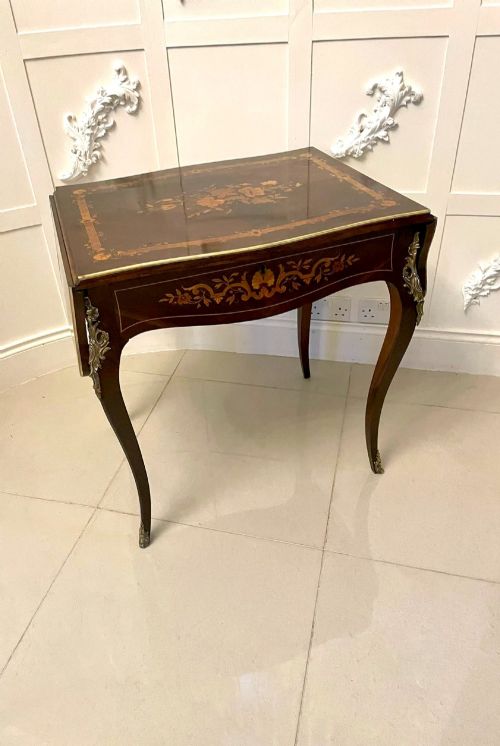
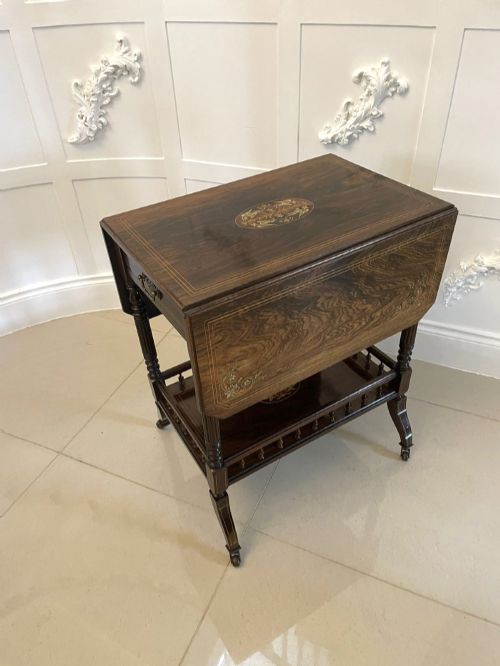
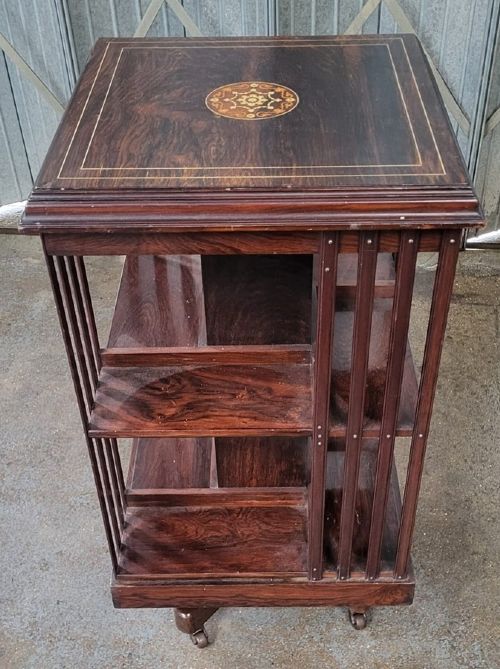
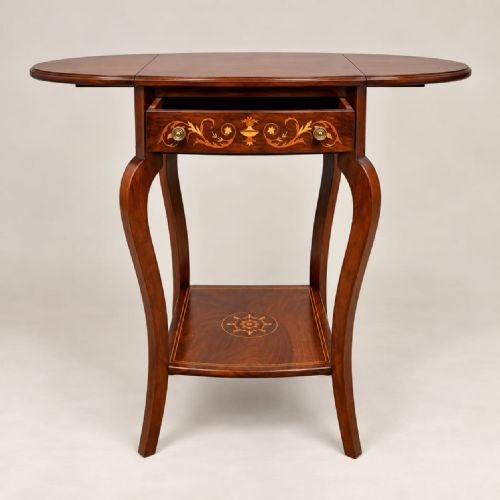
An inlaid rosewood side table encompasses a diverse group of domestic furnishings spanning the Regency, Victorian, and Edwardian eras.
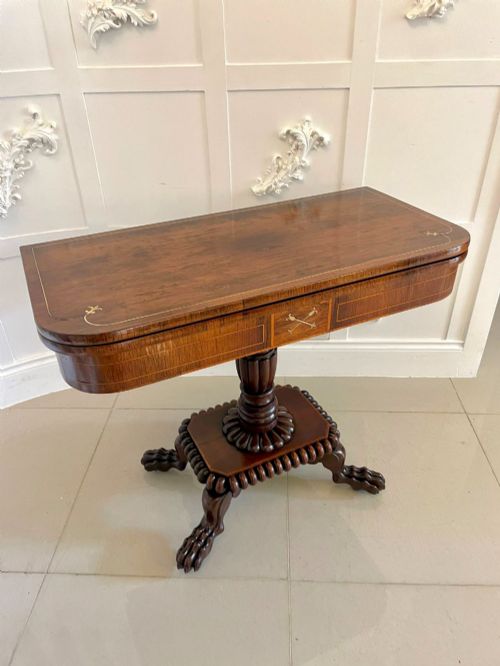
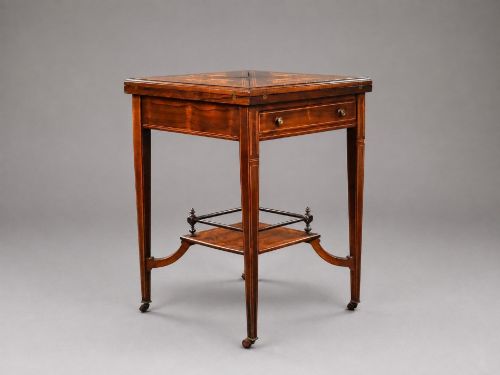
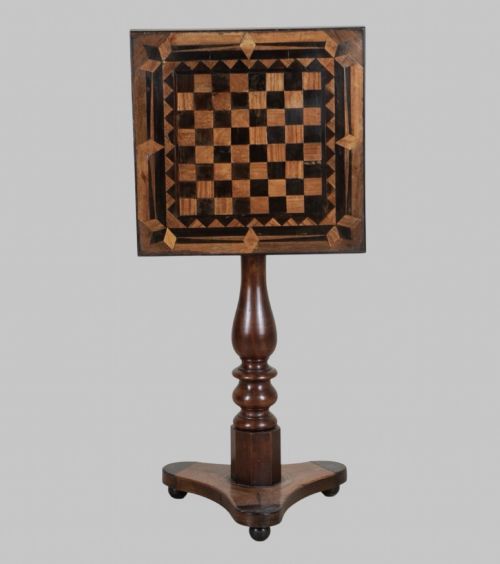
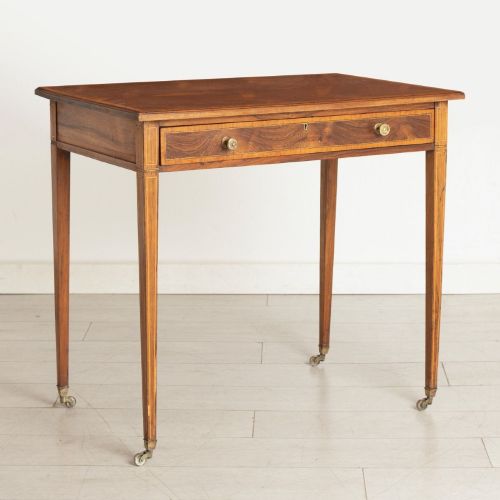
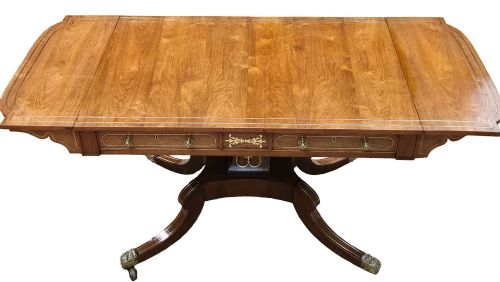
Buyers frequently encounter occasional tables, centre tables, and card tables featuring contrasting wood details or brass stringing.
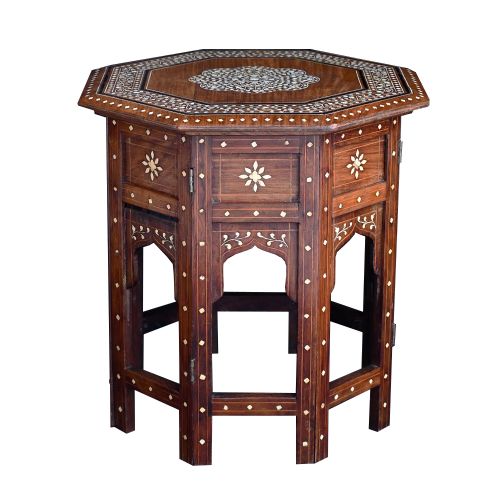
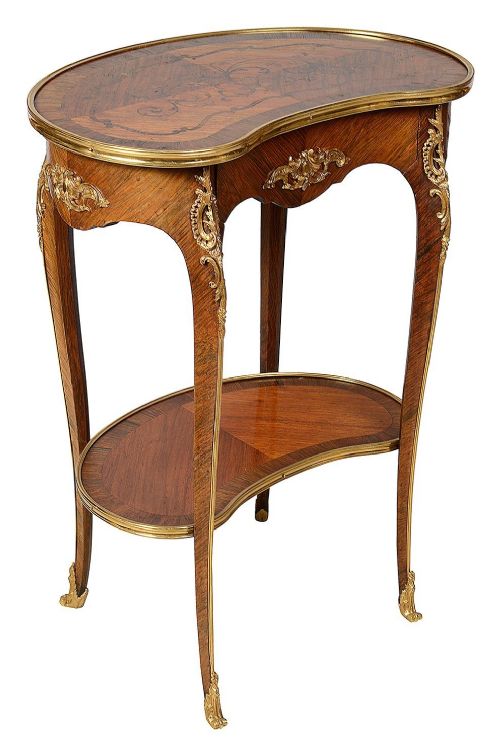
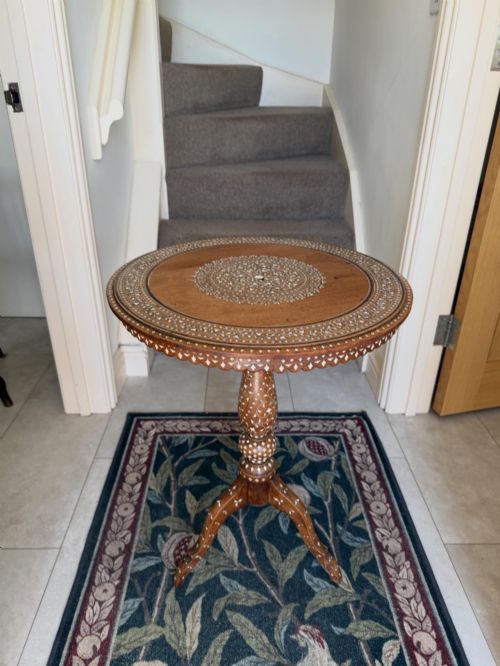
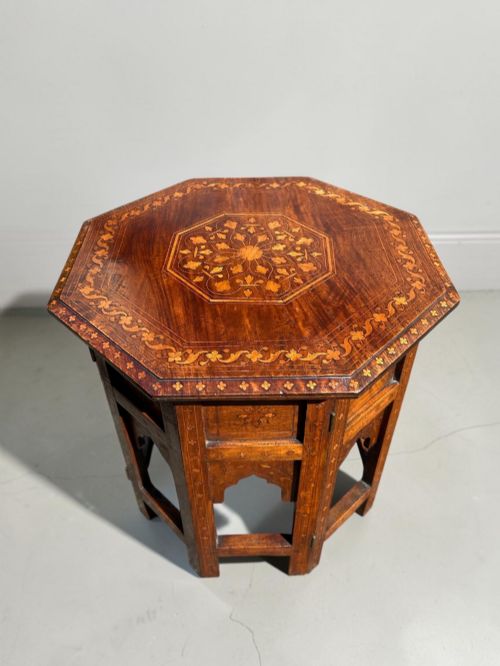
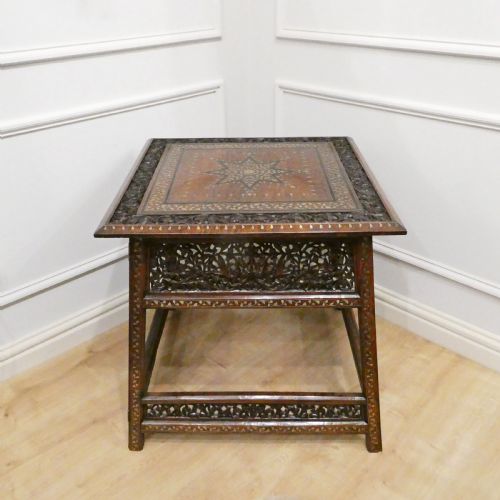
Regional variations include Anglo-Indian Hoshiarpur productions alongside British and French cabinet work.
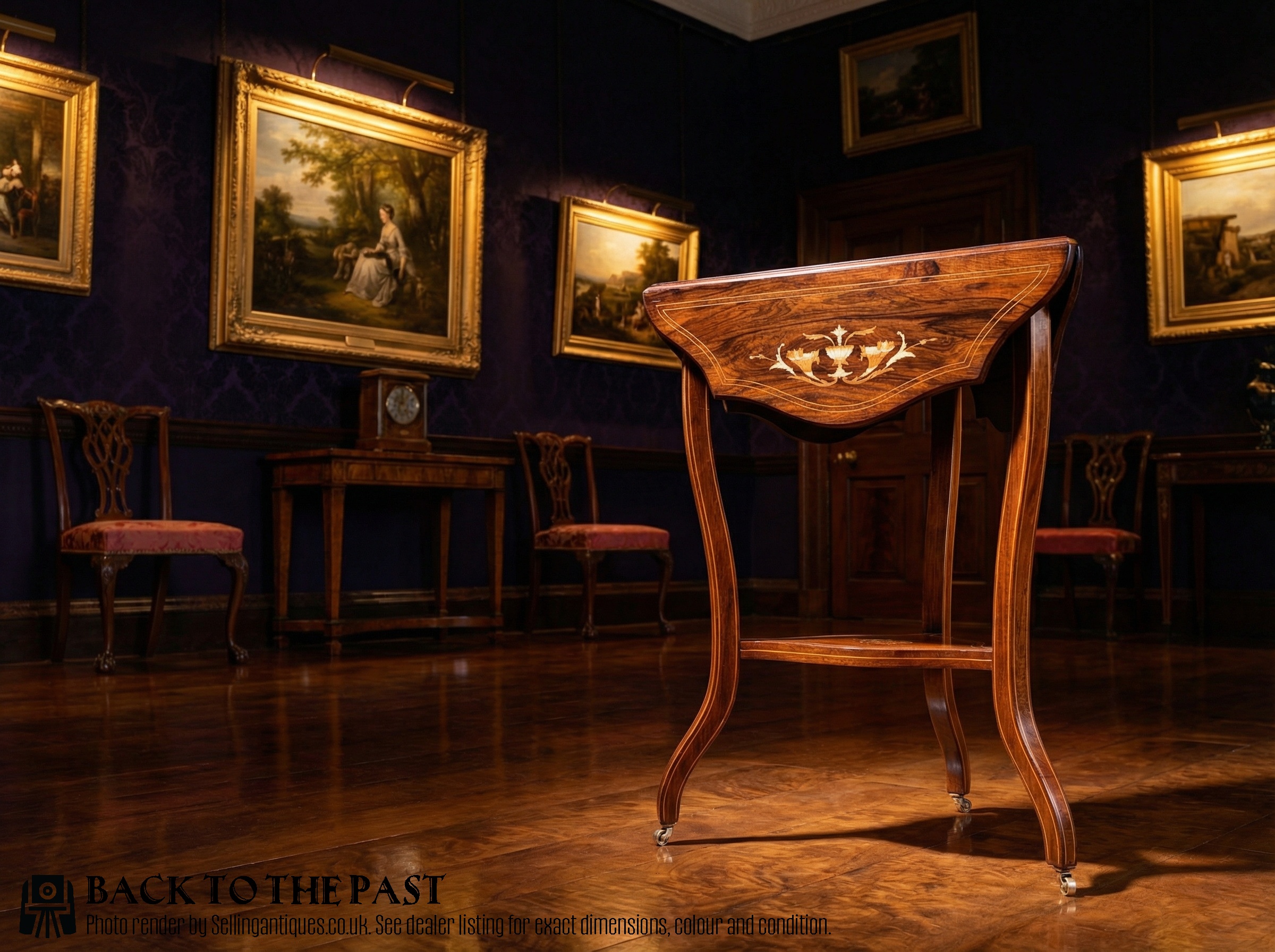
Materials and Techniques
Craftsmen utilised dense tropical rosewood as a dark foundation, contrasting it with lighter elements such as satinwood, boxwood, and bone.
Surface decoration frequently relied on marquetry and parquetry, embedding geometric or floral wood veneers into the primary timber.
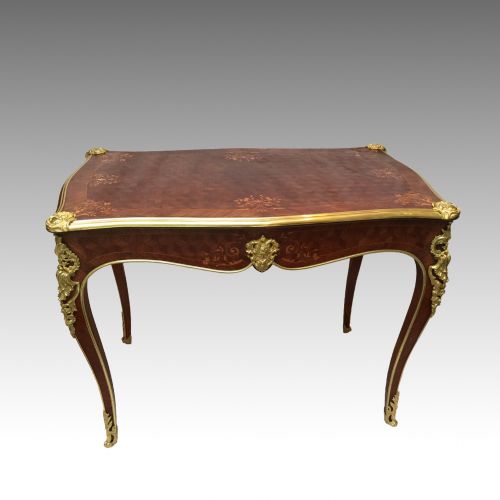
Metal components like brass stringing, sabots, and ormolu mounts added structural definition and decorative contrast.
Inlaid Rosewood Side Table Retail Price Guide 2026
Typical asking prices for inlaid rosewood side table among the pieces listed under this phrase on Sellingantiques today, from the lower quarter to the upper quarter. They describe what is for sale here now, not the wider market.
Listings feature 19th Century, Victorian, and Edwardian periods utilising rosewood, satinwood, and mother-of-pearl inlay.
Design and Execution
Excellence depends upon the precision of the inlay work and the harmonious integration of contrasting timbers.
Superior examples exhibit meticulous carving, well-chosen veneer grains, and robust internal framing that survives heavy use.
Edwards & Roberts·Liberty & Co
The Inlaid Rosewood Side Table Glossary
- Marquetry
- Decorative veneer applied to furniture in patterns representing flowers, people, or landscapes. This technique requires exceptional precision to fit individual pieces together seamlessly.
- Parquetry
- Geometric mosaic woodwork forming repeating patterns like cubes or triangles. It serves as a durable and decorative top surface on tables.
- Satinwood
- A lustrous yellowish timber native to India and Sri Lanka. Makers utilised it for contrasting inlay against darker rosewood bodies.
- Ormolu
- Gilded bronze used for decorative mounts and furniture trim. It provides a bright metallic accent against polished wood.
- Brass Stringing
- Thin inlaid lines of brass embedded into channels on table tops and legs. This technique defines the structural borders of Regency pieces.
Inlaid Rosewood Side Table: Frequently Asked Questions
How do I identify a Regency period table?
Regency pieces often display precise brass stringing, sabots, and classical proportions dating from the early nineteenth century.
Dark rosewood surfaces combine with subtle carved details rather than heavy floral marquetry.
What is an Anglo-Indian Hoshiarpur table?
These pieces originate from northern India, characterised by dense hand-carved wood and intricate bone or brass inlay.
They frequently take octagonal forms utilising native floral and animal motifs.
Where should I place a centre table?
Centre tables are designed to stand free in a room rather than against a wall, showing finished detail on all sides.
They function well in large hallways or drawing rooms as display surfaces.
How do card tables differ from standard side tables?
Card tables feature folding or rotating tops that conceal a lined playing surface underneath.
They provide a compact console profile when closed against a wall.