




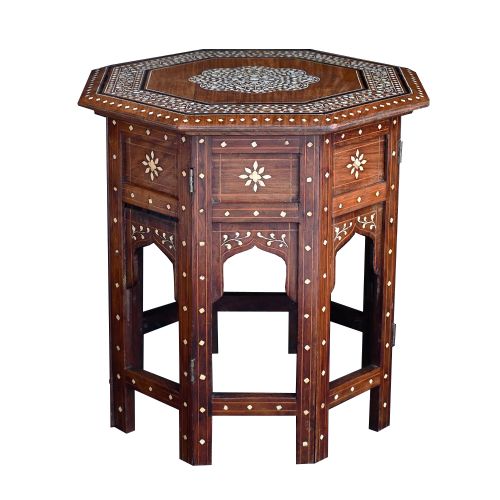
Rosewood Folding Table
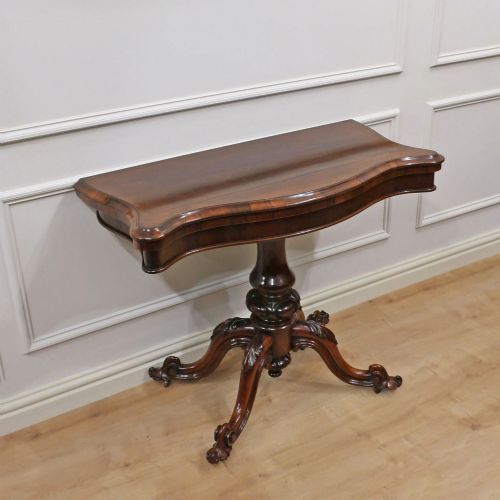
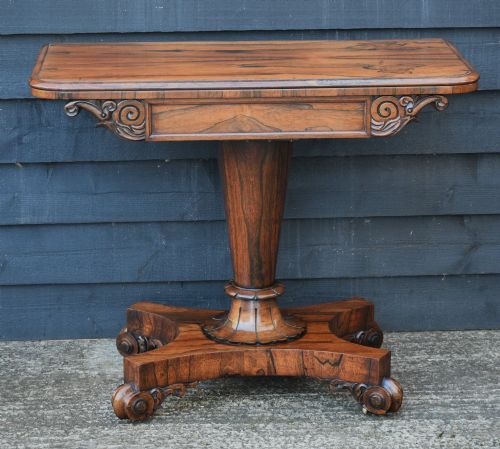
A rosewood folding table is a versatile antique that combines rich timber grain with practical space-saving design, highly sought after for both display and entertaining.
Rosewood Folding Table
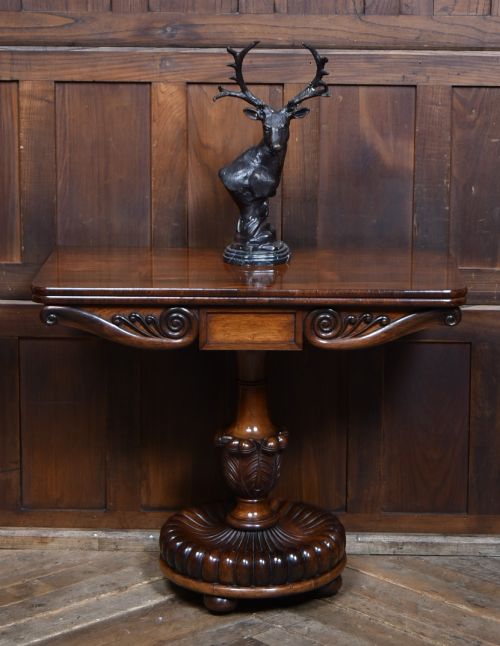
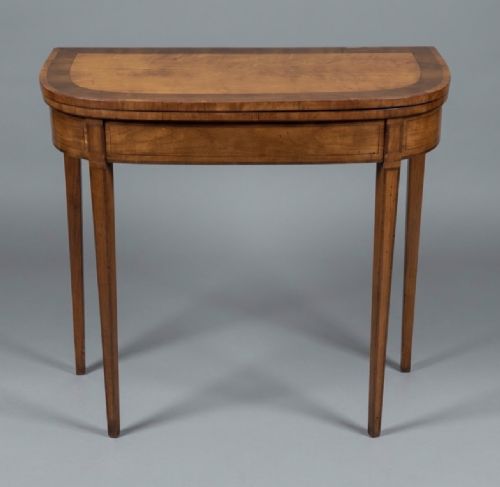
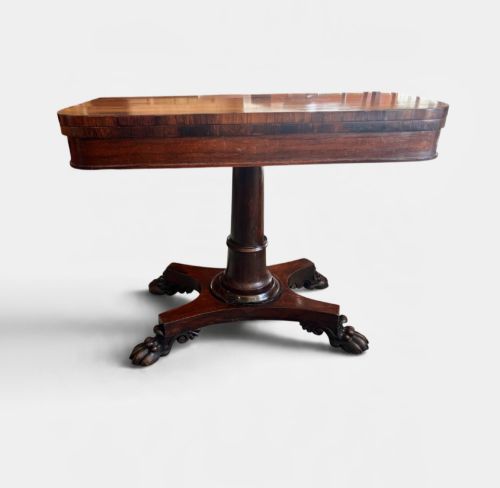
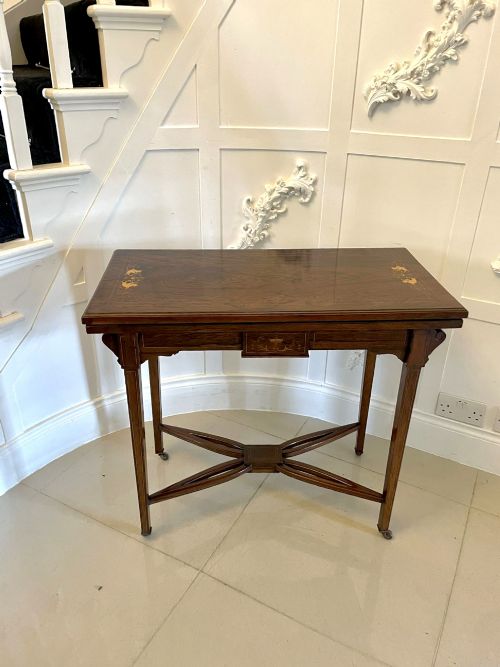
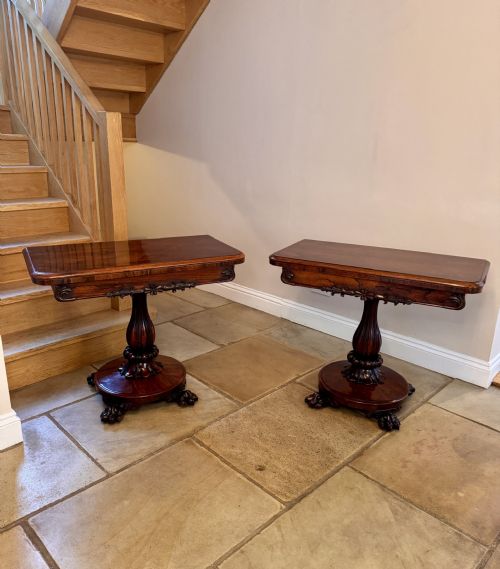
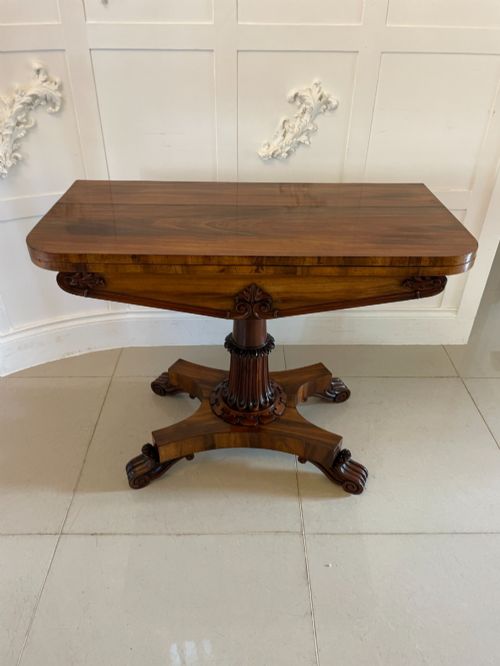
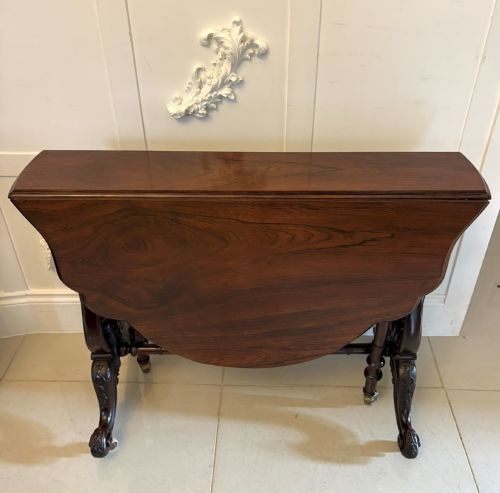
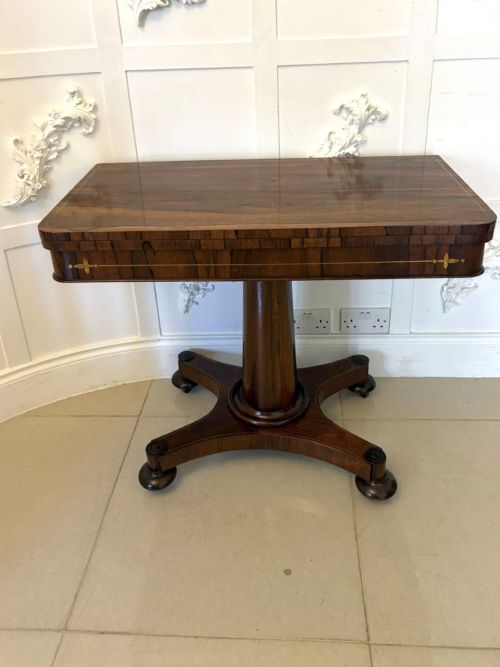
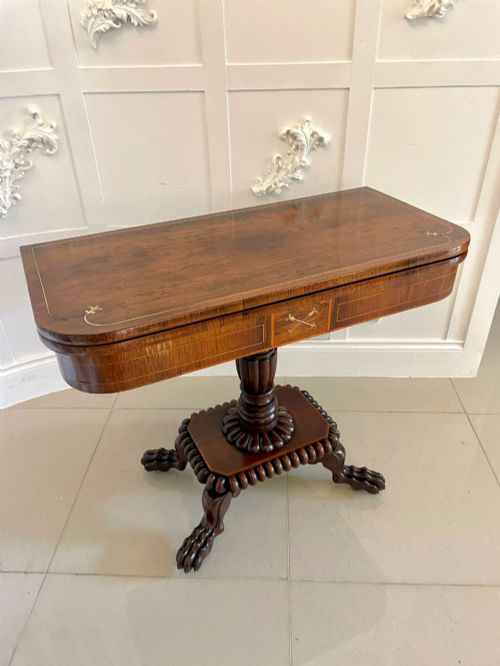
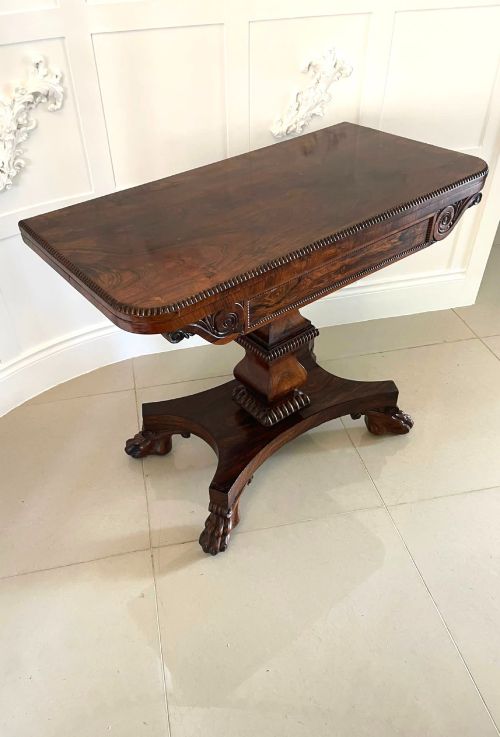
When searching for a rosewood folding table, a buyer encounters a variety of forms designed primarily for cards, games, tea, or occasional use. The selection spans several distinct periods, including the Regency era, the Victorian period, and Edwardian times, alongside examples from the late nineteenth century. Card and games tables dominate the offerings, though drop-flap occasional tables, campaign style serving tables, and carved Indian lamp tables also appear.
Regency examples often feature console and tea table formats with folding tops, while Victorian pieces include marquetry and envelope designs. Regional variations also surface in the archive, featuring Indian ivory-inlaid shisham and carved octagonal tables with folding detachable legs. The forms reflect both British cabinet-making traditions and imported styles from the nineteenth and early twentieth centuries.

How they were made
Cabinet makers utilised dense rosewood as the primary timber, frequently enhancing surfaces with contrasting veneers of kingwood and satinwood inlay, boxwood stringing, or elaborate marquetry. Brass fittings appear on Regency models, while ormolu and ivory inlays highlight specific French and Indian pieces. Cross-banding defines the edges of tops on many nineteenth-century card tables, demonstrating precise timber selection and joinery.
Hinges and folding mechanisms require sturdy internal engineering to support rotating or folding leaves smoothly. Carved details feature on legs and bases, particularly on Victorian and Indian pieces where detachable or hinged structures allow the tables to collapse flat for storage or transport.
Rosewood Folding Table Retail Price Guide 2026
Typical asking prices for rosewood folding table among the pieces listed under this phrase on Sellingantiques today, from the lower quarter to the upper quarter. They describe what is for sale here now, not the wider market.
Some tables double as sneaky bridge partners, hiding your cards in plain sight.
What varies in quality
The sophistication of the timber work and inlay sets the standard across the range, distinguishing simple folding surfaces from finely cross-banded or marquetry-decorated tables. The crispness of the carving on wooden bases and the quality of brass hardware indicate the level of craftsmanship invested in the piece. Additionally, the precision of the folding or rotating mechanism dictates how seamlessly the table transitions between closed console and open top.
Proportion and wood figure consistency further separate standard examples from finer specimens. Tables retaining their original surface patination and unblemished inlay achieve a greater visual harmony than those with heavy alterations.
The Rosewood Folding Table Glossary
- Cross-banding
- A border veneer applied around the edge of a table top with the grain running perpendicular to the centre panel. This technique frames the primary timber and adds visual contrast.
- Marquetry
- Decorative patterns formed by fitting together small pieces of various veneers into wood panels. It creates pictorial or geometric designs across table tops.
- Shisham
- An Indian timber, also known as Indian rosewood, frequently utilised for carved tables and inlaid occasional pieces.
- Envelope table
- A card table with a square top composed of four triangular folding flaps that swivel open to reveal a baize-lined surface.
Rosewood Folding Table: Frequently Asked Questions
What were rosewood folding tables used for?
These tables served primarily as multi-functional furniture for the parlour or drawing room, adapting easily from compact console tables to full surfaces for card games, tea, or serving.
During the nineteenth century, hosts relied on folding mechanisms to clear floor space when entertaining guests, transitioning the furniture from a decorative wall piece to a central gaming or tea station.
How do I date a rosewood folding table?
Dating relies on observing structural characteristics, timber choices, and decorative motifs associated with specific periods like the Regency or Victorian eras. Regency examples often display classical lines and brass mounts, whereas later Victorian pieces incorporate heavier marquetry or envelope tops.
Cabinet-making techniques and secondary woods inside the frames provide further clues to the manufacturing decade, helping distinguish early nineteenth-century production from later Victorian or Edwardian revivals.
How do I care for antique rosewood?
Maintenance involves keeping the timber away from direct sunlight and extreme humidity fluctuations to prevent the rosewood and delicate veneers from drying out or splitting. Gentle cleaning with a soft, dry cloth preserves the finish without stripping the historical patination.
Wax polish applied sparingly maintains the sheen on cross-banded and inlaid surfaces, while care should be taken with hinges and rotating tops during movement.
Are all rosewood folding tables British?
While many pieces reflect British cabinet-making styles from the Regency and Victorian periods, the selections also include French provincial pieces and Indian tables featuring shisham wood and ivory inlay. Regional workshops abroad produced distinct folding bases and decorative carvings that differ from standard British forms.