


Brown Rosewood Table
A brown rosewood table brings dense, figured timber and refined craftsmanship into a room, offering both practical surface space and centuries of cabinet-making heritage.
What a brown rosewood table is
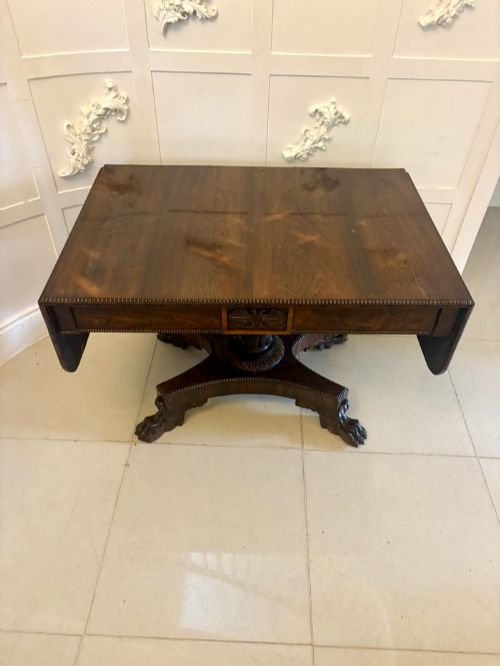
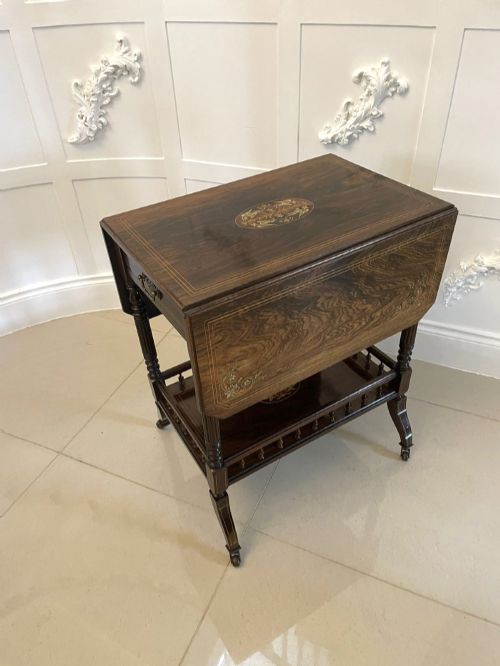
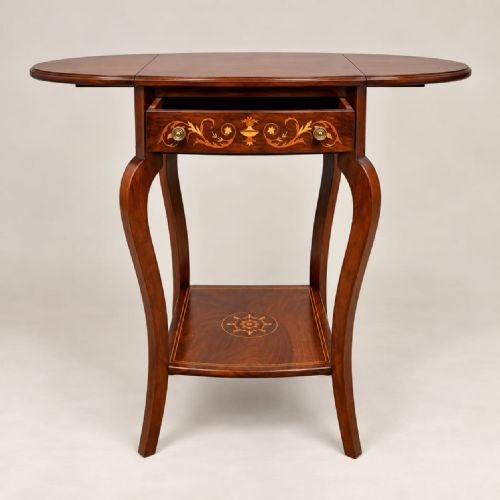
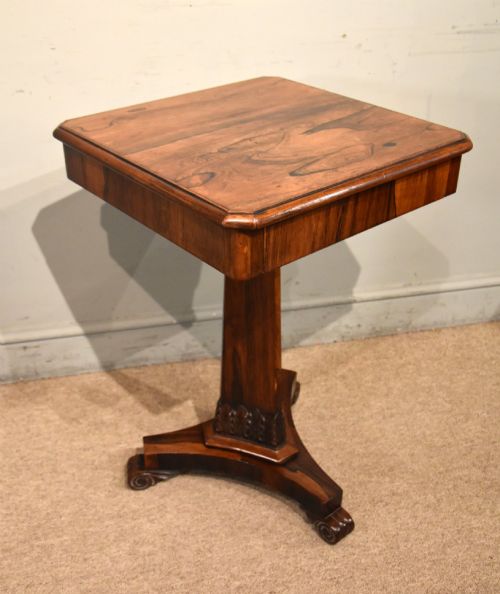
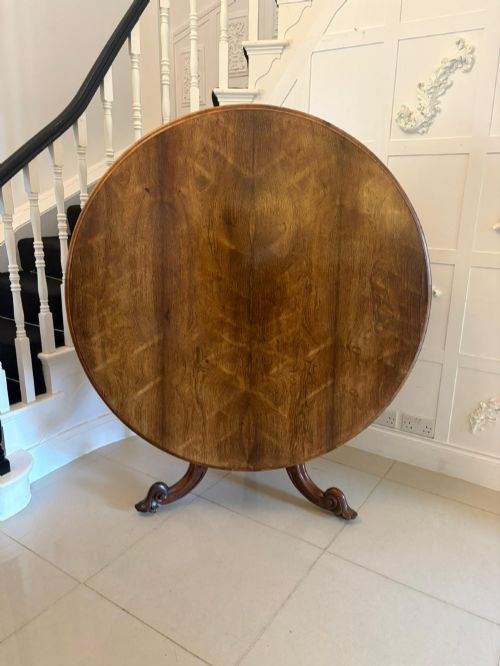
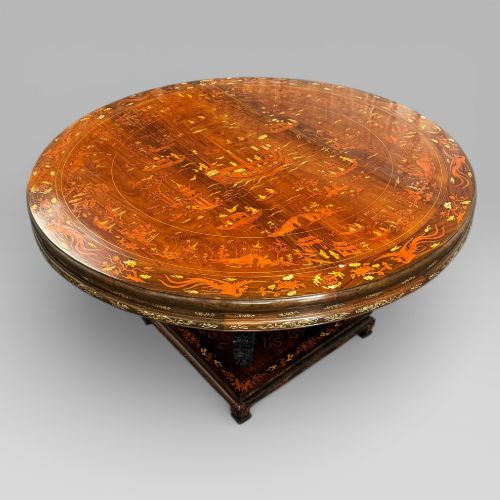
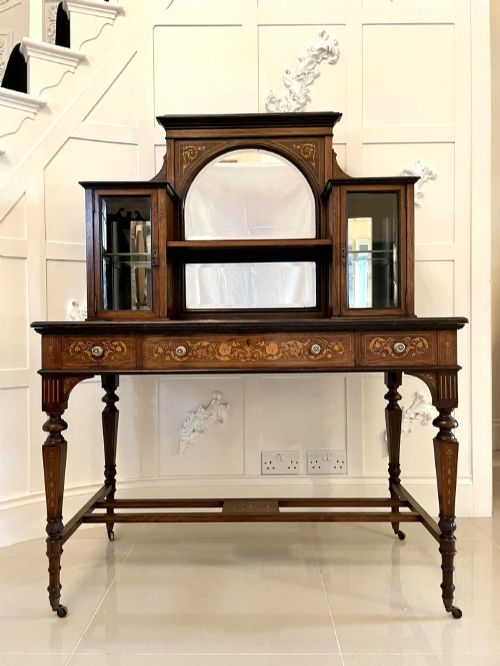
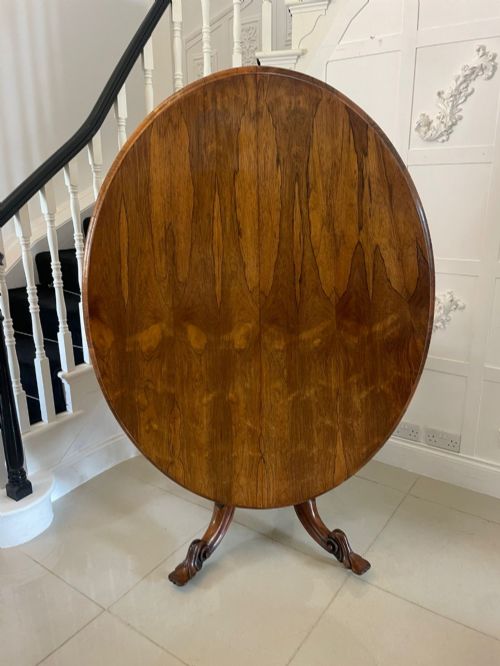
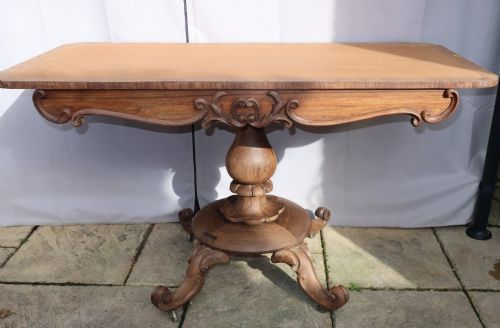
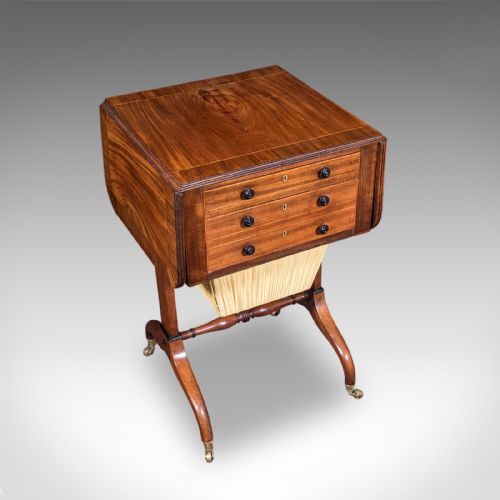
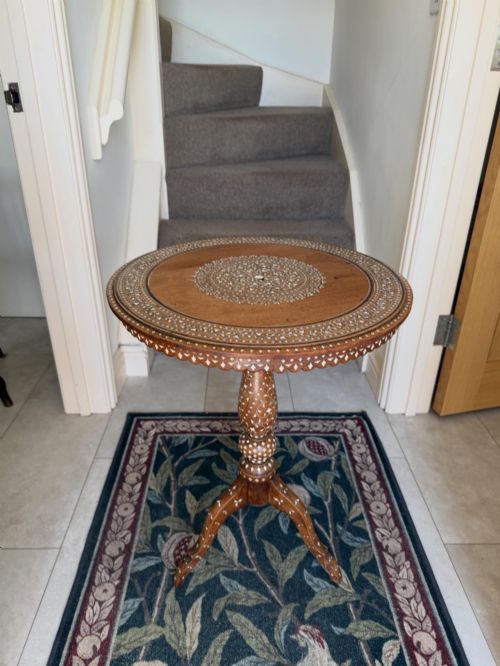
A brown rosewood table encompasses various forms designed for different domestic uses, including occasional tables, card tables, dining tables, teapoys, library tables, and sewing tables. These pieces emerge from periods such as the Regency era, the nineteenth century, and specific years like eighteen seventy and eighteen hundred.
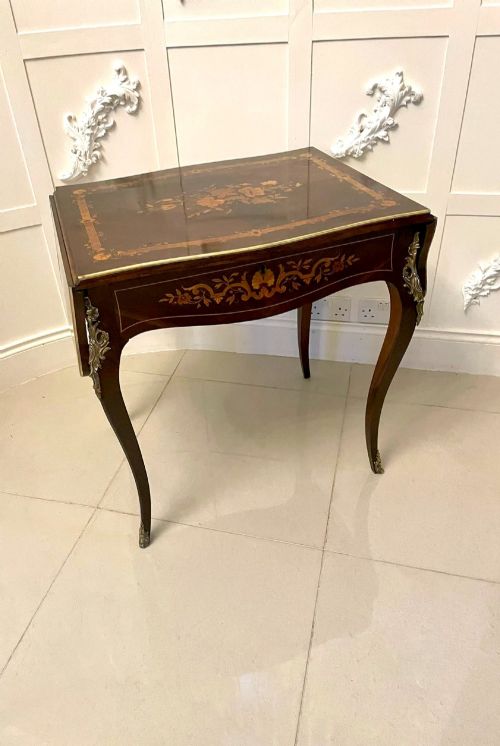
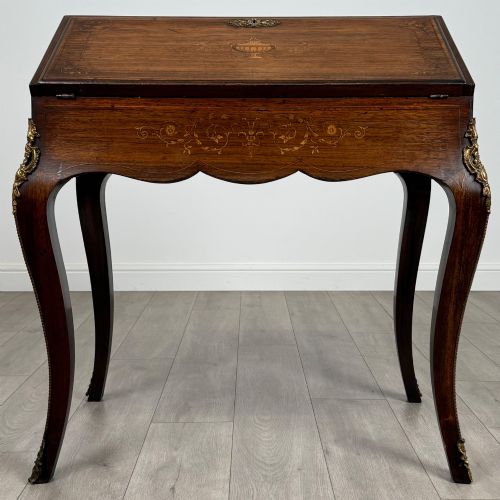
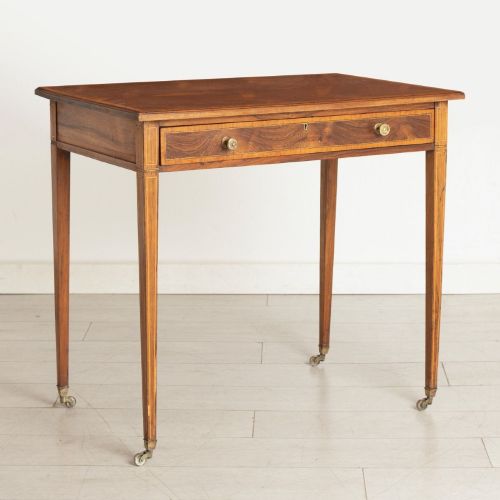
The versions most commonly encountered on this page display styles rooted in Regency design, French Chateau, French Napoleon III, William IV, and Sheraton traditions. Makers of these tables utilised rich timbers to create functional furniture that ranged from compact sewing and work tables to expansive library and dining surfaces.
Each brown rosewood table reflects the aesthetic preferences of its era, combining structural utility with decorative flourishes. Buyers examining these listings will find distinct forms that served specific Victorian and Georgian social rituals, from card playing to needlework.
How they were made
Cabinet-makers constructed these tables primarily from rosewood, frequently incorporating contrasting timbers such as kingwood for cross-banding and decorative borders. The physical structure relies on solid joinery designed to support heavy timber tops and complex internal compartments.
Makers embellished the surfaces using brass mounts, ormolu, and intricate brass inlay work to catch the light and accentuate the grain of the wood. Some forms incorporate fabric or textile elements, particularly within the interiors of sewing tables and teapoys or on the lined surfaces of card tables.
Retail Price Guide 2026
Typical UK retail prices for brown rosewood table, calculated from the Sellingantiques database of over a million retail prices indexed since 2003. This retail price guide relies exclusively on Sellingantiques data; no external sources or auction records are used, so the figures do not describe the wider market.
Victorian sewing tables frequently hid secret compartments for thimbles, pins, and gossip.
What varies in quality
Quality in a brown rosewood table depends heavily on the selection and matching of the wood grain, particularly where cross-banding in kingwood frames the primary rosewood surfaces. Superior examples demonstrate a careful alignment of natural patterns across the top and sides.
The refinement of the metalwork, such as cast brass mounts and precise brass inlay, separates standard production from exceptional cabinet-making. Finer pieces maintain structural integrity and crisp detailing in the carved or inlaid elements without relying on heavy restoration.
The Brown Rosewood Table Glossary
- Cross-banding
- A border technique where thin strips of veneer are laid perpendicular to the grain of the main surface. This frames the primary timber and adds visual contrast.
- Teapoy
- A small cabinet or table designed to hold tea canisters, originating when tea was an expensive commodity. Converted examples often repurposed these interior compartments for alternative uses.
- Ormolu
- Gilt bronze ornamentation applied to furniture, popular in French and nineteenth-century designs. It provides a bright metallic contrast to dark rosewood timbers.
- Library table
- A substantial freestanding table intended for reading and writing, finished on all sides so it could sit in the centre of a room. These pieces usually offer generous surface areas and sturdy proportions.
Frequently Asked Questions
What is a teapoy table?
A teapoy is a small tabletop cabinet originally used to store and lock away loose tea leaves in the home.
Converted versions have often lost their internal canisters, leaving a compartmentalized interior suited for modern storage or display.
How do I identify a Regency table?
Regency tables typically display classical architectural influences, balanced proportions, and dark timbers like rosewood.
They frequently incorporate decorative brass inlay or mounts characteristic of the early nineteenth century.
Where were card tables used?
Card tables served in drawing rooms and parlours for evening entertainment, featuring folding tops that doubled their surface area.
When closed, they functioned as side or console tables against a wall.
What distinguishes Sheraton style?
Sheraton furniture draws on neoclassical geometry, emphasising straight lines, elegant proportions, and refined veneer work.
Pieces from this tradition often balance delicate framing with durable construction using dense hardwoods.