


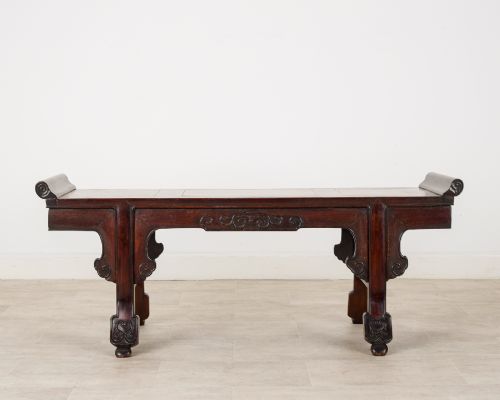


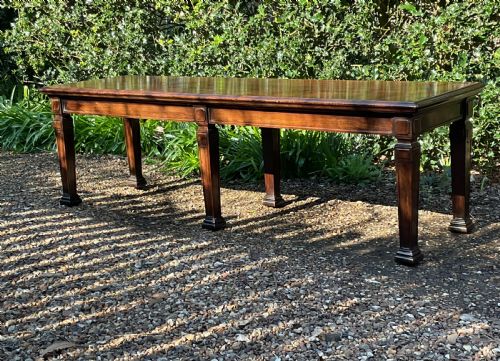


Antique Window Table
An antique window table sits low and wide to catch the morning light, bringing nineteenth-century timber and marquetry into a modern room.
Antique Window Table
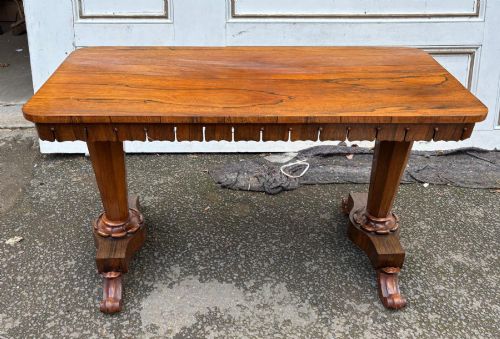
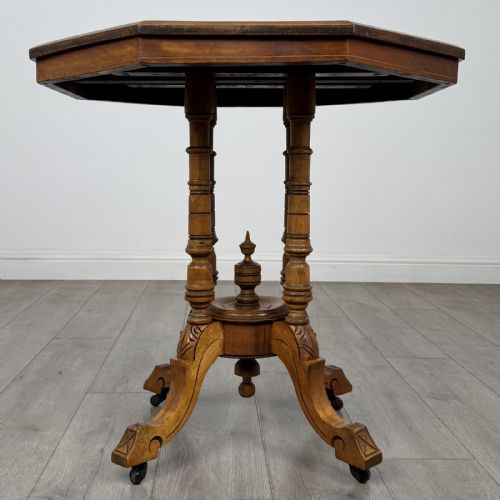
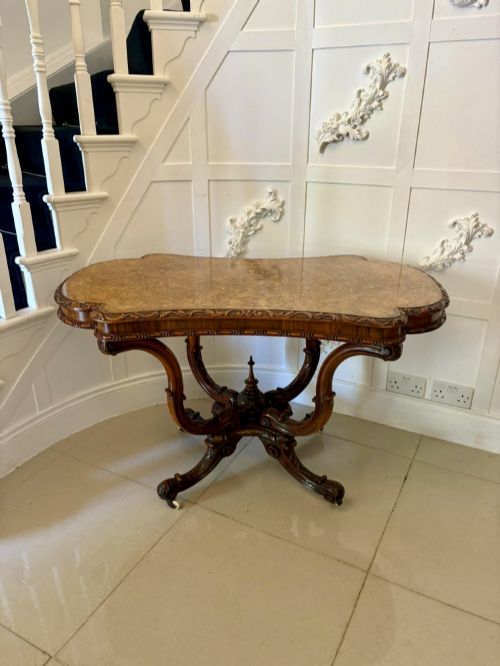
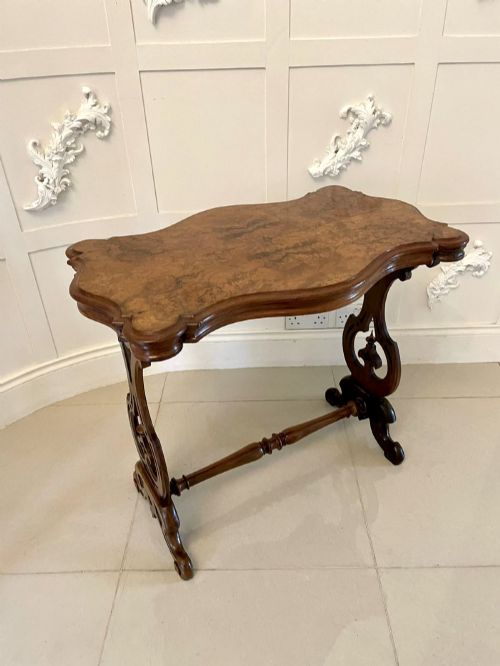
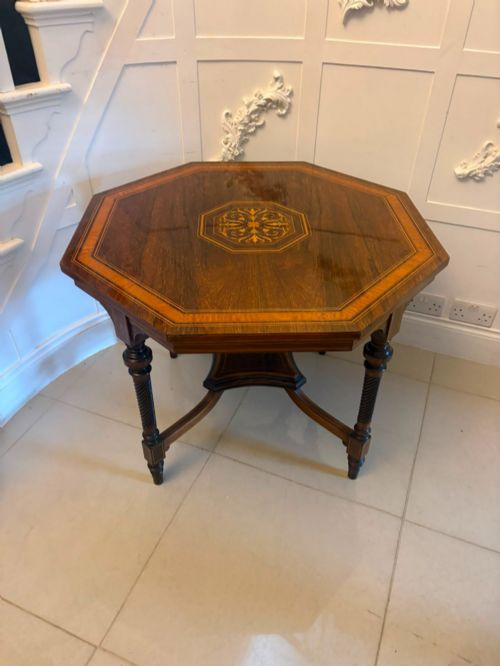
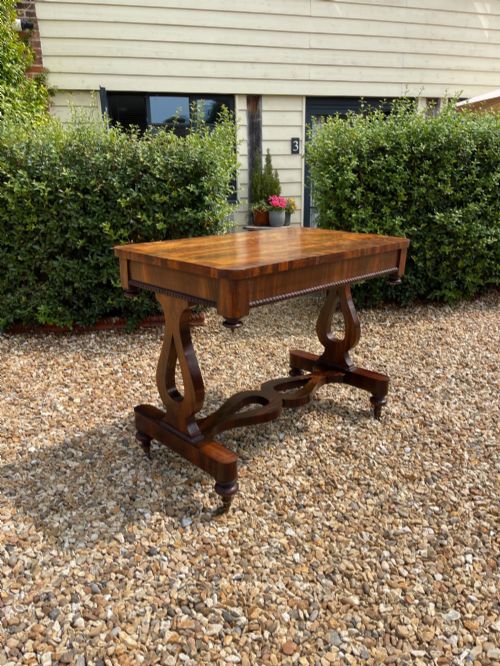
An antique window table brings together low-slung occasional furniture designed to sit beneath glazing and compact side pieces meant for display. The examples met most often on this page date from the Victorian and Edwardian periods, constructed in rich timbers like burr walnut, mahogany, and satinwood with shaped or octagonal tops. These versatile items served historically for holding lamps, small plants, or sewing work where natural illumination fell brightest.
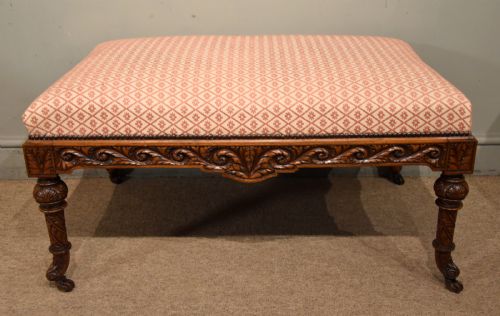
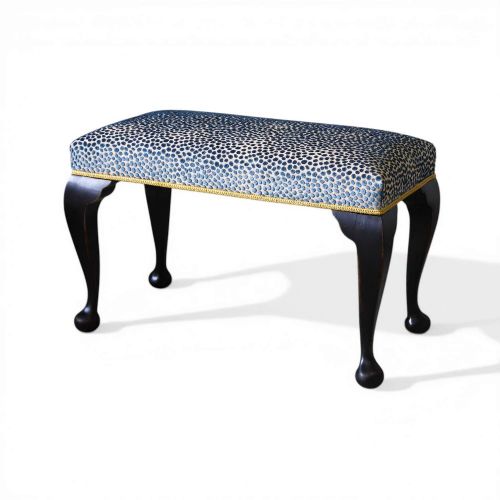
The form crosses paths with window seats, stools, and long benches, reflecting how nineteenth-century rooms utilised every inch of space near the glass. Makers shaped these tables in oval, octagonal, and rectangular formats so they could tuck neatly into bays without blocking shutters or curtains. Whether resting on turned legs or intricate pillar supports, each piece bears the hallmarks of late nineteenth and early twentieth-century domestic life.
Materials and construction
Cabinetmakers relied heavily on dense hardwoods such as mahogany, rosewood, and oak for structural integrity, often applying figured burr walnut or satinwood veneers to the visible surfaces. Marquetry and inlaid banding in lighter woods frequently border the tabletops, creating geometric or foliate patterns that contrast against the dark body. Ebonised finishes and gilt highlights also appear across the selection, showing the variety of treatments applied during the Victorian and Edwardian eras.
Joinery techniques focus on sturdy turned legs, stretcher frames, and occasional brass castors that allowed heavy timber tables to move smoothly across carpeted floors. Tops are frequently panelled or multi-sectioned to accommodate the expansion of solid woods and elaborate veneer work without splitting. Where seats are integrated, cane work and traditional upholstery provide resilient support.
Antique Window Table Retail Price Guide 2026
Typical asking prices for window table among the pieces listed under this phrase on Sellingantiques today, from the lower quarter to the upper quarter. They describe what is for sale here now, not the wider market.
Materials recorded across the inventory include mahogany, rosewood, oak, cane, fabric, brass, and multiple variations of walnut.
Assessing craftsmanship and finish
The distinction between standard domestic furniture and finer examples lies in the depth of the timber selection and the precision of the inlay. Tables featuring hand-carved foliate details and matched burr walnut veneers demonstrate a higher level of workshop skill than plain softwood-backed counterparts. The crispness of the turned legs and the tightness of the mitred joints reveal the care taken during assembly.
Surface patination and the preservation of original decorative schemes heavily influence the character of each piece. Subtle touches such as geometric parquetry, delicate stringing, and balanced proportions separate utilitarian items from exhibition-standard pieces commissioned for prominent homes.
The Antique Window Table Glossary
- Burr walnut
- A prized timber harvested from the growths or burls of the walnut tree, showing swirling, highly decorative grain patterns.
- Marquetry
- The art of applying small pieces of veneer to a structure to form decorative patterns, often featuring floral or geometric designs.
- Parquetry
- A geometric mosaic of wood pieces used for decorative floors and tabletops, creating sharp angular patterns.
- Stretcher
- A horizontal timber branch or rail connecting the legs of a table or stool to improve structural rigidity.
- Satinwood
- A durable, yellowish-wood native to India and Sri Lanka, utilised extensively for fine inlay work and banding during the late nineteenth century.
Antique Window Table: Frequently Asked Questions
Where should I place an antique window table?
These tables find a natural home beneath low sills, in bay recesses, or behind sofas where their compact proportions do not obstruct walkways. Their original purpose was to catch daylight for reading or needlework, making them ideal spots for small lamps and house plants.
In modern interiors, they also function successfully as bedside stands or small desk surfaces. The variety of shapes, from octagonal to long rectangular formats, allows them to anchor awkward corners.
How do I date a Victorian window table?
Dating relies on observing the combination of timber, leg style, and decorative motifs present on the piece. Mid-nineteenth-century examples frequently employ heavy rosewood and rich burr walnut with robust carved pedestals.
Later Victorian and Edwardian pieces shift towards lighter satinwood, delicate inlay, and ebonised frames. Examining the underside and secondary woods often provides further clues regarding the manufacturing decade.
Can I use a window table for daily use?
Solid hardwood construction and sturdy stretcher frames make these pieces well-suited for everyday domestic tasks. Using coasters and avoiding excessive moisture protects the historic polish and delicate veneer work from harm.
Regular polishing with appropriate wax maintains the timber's protective barrier. Their compact build handles books, lamps, and decorative objects comfortably.
What is the difference between a window table and a centre table?
Centre tables are traditionally built to stand free in the middle of a room, finished with detail on all four sides so they look correct from any angle. Window tables are typically scaled narrower or shaped specifically to fit against walls and beneath low glazing.
While both share nineteenth-century cabinetmaking methods and rich timber veneers, window tables prioritise floor-saving footprints. Their design reflects the architectural needs of nineteenth-century bay windows.