



Victorian Window Table
A victorian window table brings compact elegance to a light-filled corner, offering a stable surface crafted for display and daily use.
Victorian Window Table
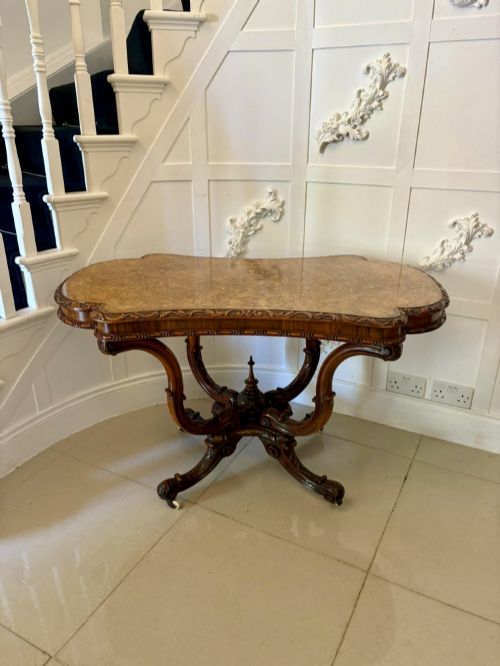
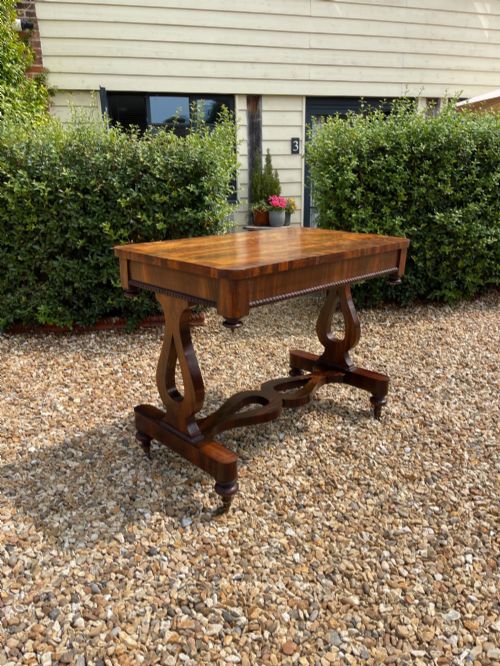
A victorian window table sits neatly beneath low glazing, designed to catch the daylight while holding books, plants, or decorative objects. These compact pieces frequently cross over with occasional and centre tables, sharing similar proportions and heights.
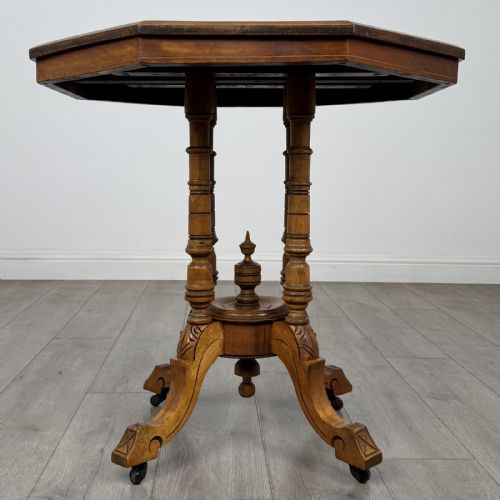
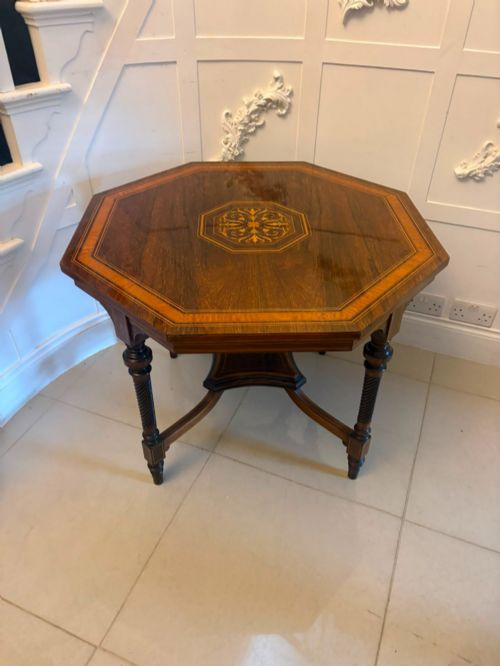
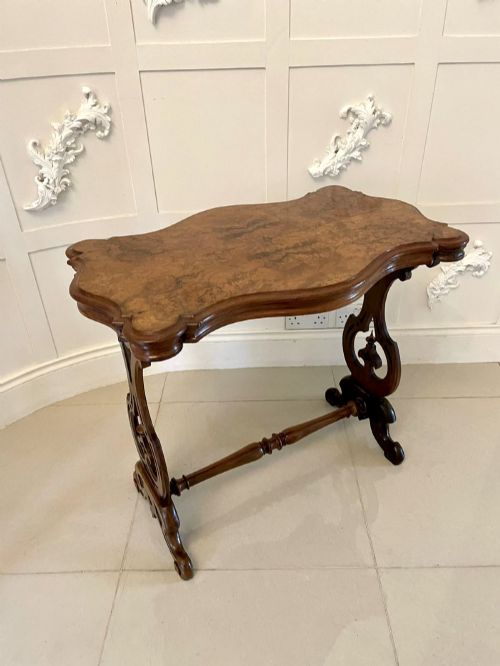
The evidence shows forms ranging from shaped oval surfaces to octagonal tops, often dated across the nineteenth century into the Edwardian period. Walnut and mahogany predominate, alongside specialised woods like burr walnut and rosewood.
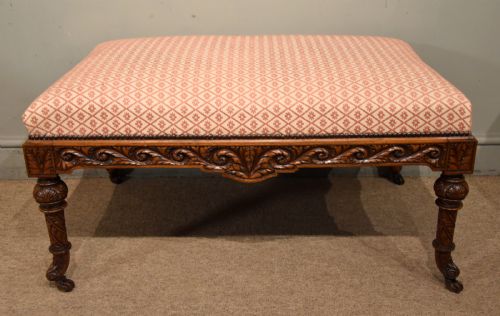
Makers utilised various stylistic influences including the Aesthetic Movement and Arts and Crafts principles. Alongside standalone tables, the selection includes associated window stools and benches upholstered in fabrics such as velvet, cane, and modern textile pairings.
How they were made
Cabinet makers built these frames using dense hardwoods like mahogany, walnut, and rosewood, often applying burr walnut veneers to tabletops for striking visual grain patterns. Inlays of lighter timbers and marquetry decoration appear across many surfaces, showing meticulous hand-cutting and fitting.
Carved details on legs and edges demonstrate traditional joinery techniques, paired with brass fittings where stability and movement were required. Upholstered companions rely on cane webbing or padded fabric layers secured to solid wooden foundations.
Victorian Window Table Retail Price Guide 2026
Typical asking prices for victorian window table among the pieces listed under this phrase on Sellingantiques today, from the lower quarter to the upper quarter. They describe what is for sale here now, not the wider market.
Some tables feature secret folds and curious veneers that gave Victorian botanists somewhere stylish to rest their magnifying glasses.
What varies in quality
The grade of timber and veneer selection dictates much of the visual success, with highly figured burr walnut and crisp marquetry inlay marking out the superior examples. Smoothness in the hand-carved foliate details and the precision of the turning on legs separate standard production from finer workshop output.
Structural integrity relies on tight joints and well-balanced frames that withstand daily placement near draughty window casements. Original surface patination preserved through careful polishing adds considerable character compared to stripped or heavily refinished timber.
The Victorian Window Table Glossary
- Burr walnut
- A highly prized timber grain obtained from the warted growths on walnut trees, yielding intricate swirling patterns. Cabinet makers frequently used burr veneers on prominent table tops.
- Marquetry
- The art of applying small pieces of veneer to a structure to form decorative patterns or pictures. Different coloured woods create contrasting floral or geometric designs.
- Centre table
- A freestanding table finished on all sides intended to stand away from walls in the middle of a room. Many window tables share this finished circular or oval format.
- Jardiniere
- A decorative pot or stand for holding plants and flowers. Some compact tables incorporate this function into their top surfaces.
Victorian Window Table: Frequently Asked Questions
What is a victorian window table used for?
These tables provide a compact surface designed to sit comfortably in front of a bay or sash window. Owners traditionally placed reading lamps, floral arrangements, or small writing items upon them.
Their versatile proportions also suited them to function as occasional lamp tables or central display pieces within smaller reception rooms.
How do I date a victorian window table?
Dating relies on observing timber choices, construction methods, and stylistic cues recorded across the nineteenth century. Earlier mid-century pieces often feature solid mahogany or rosewood with robust carved pedestal supports.
Later examples from the 1880s and 1890s frequently incorporate elaborate marquetry inlays, satinwood accents, or lighter aesthetic movement framing.
Are these tables suitable for modern rooms?
Their modest footprints make them exceptionally practical for contemporary interior layouts where space is limited. They fit naturally into alcoves, beside seating, or beneath modern glazing.
Durability comes from solid hardwood construction, allowing them to handle everyday placement without losing their decorative presence.
What woods were commonly used?
Walnut is the predominant timber seen across these listings, frequently enhanced by highly figured burr walnut veneers. Mahogany and rosewood also appear regularly in both plain and inlaid formats.
Secondary woods and occasional accents include satinwood, oak, and specialised pollard oak variations.