

Shaped Burr Walnut Table
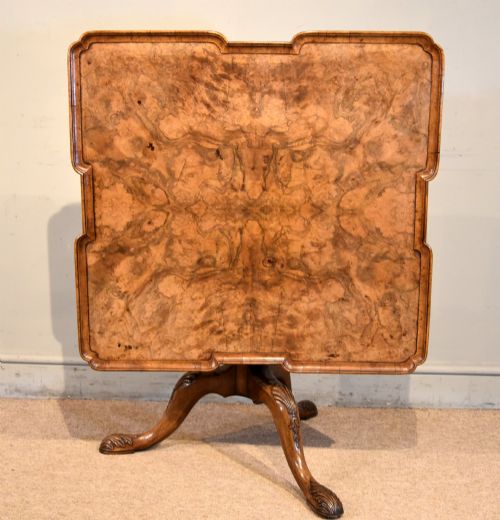
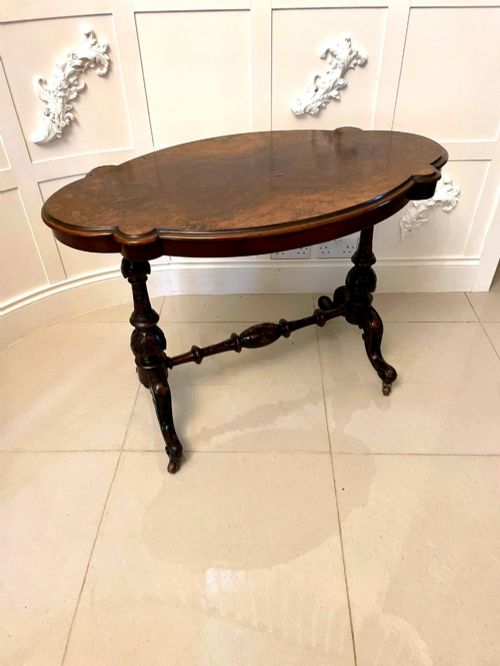
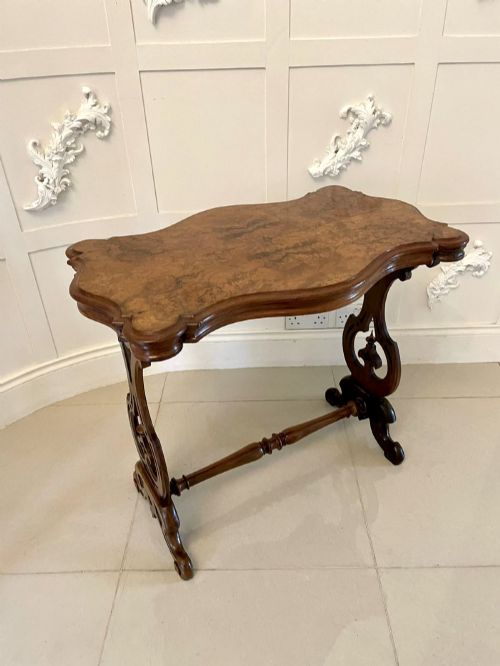
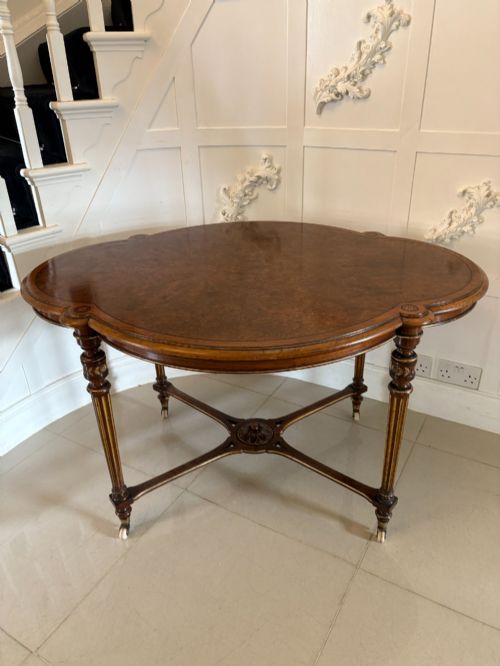
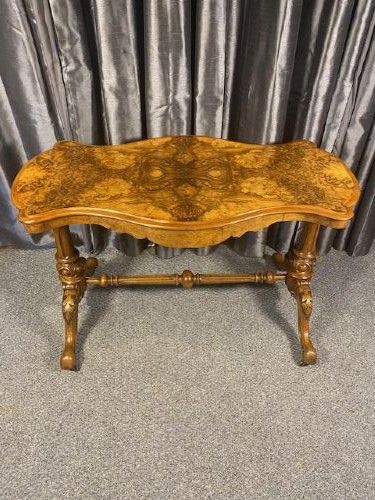
A shaped burr walnut table brings rich grain patterns and fluid, curved silhouettes into a room, uniting functional surface space with decorative presence.
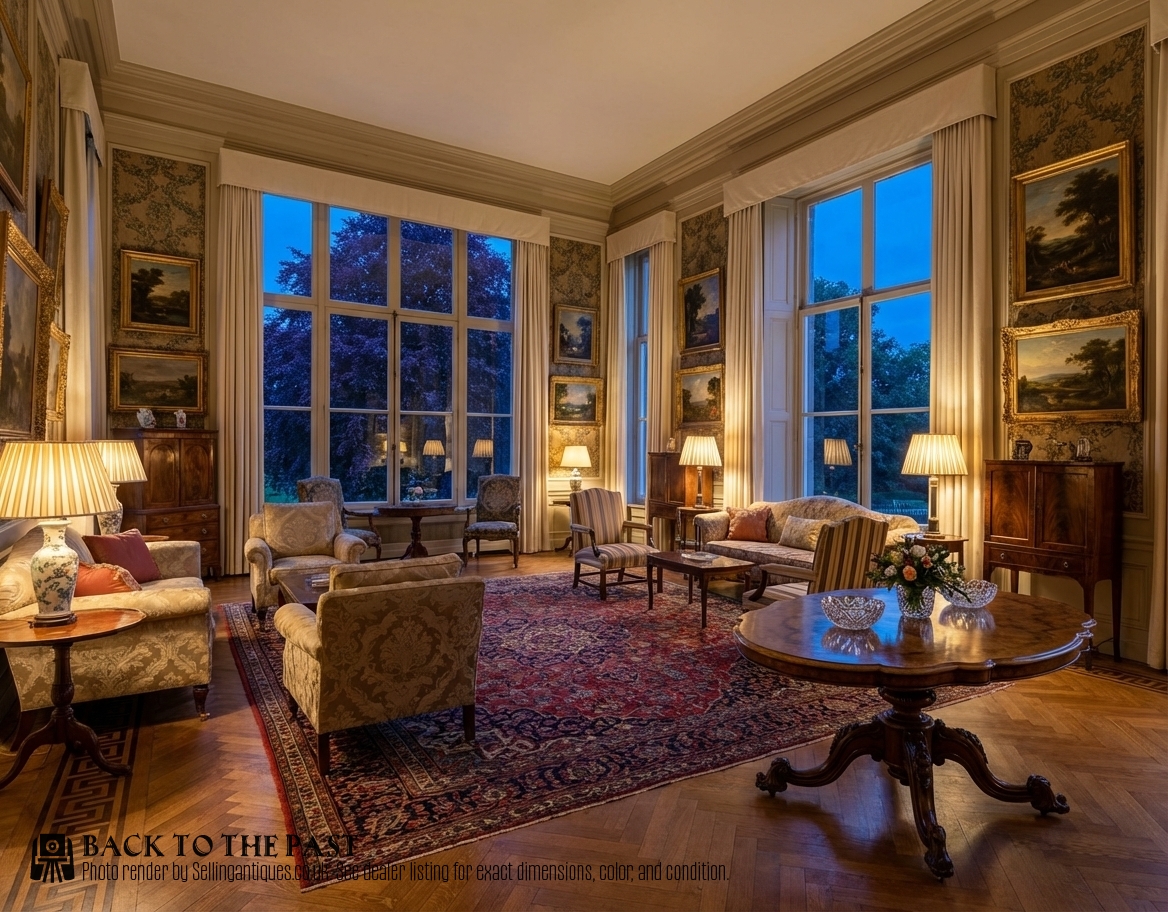
Shaped Burr Walnut Table
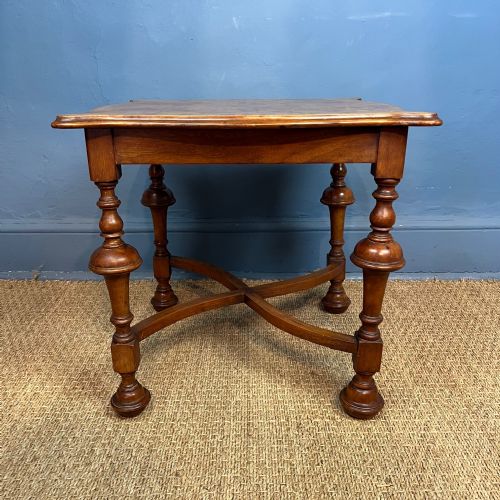
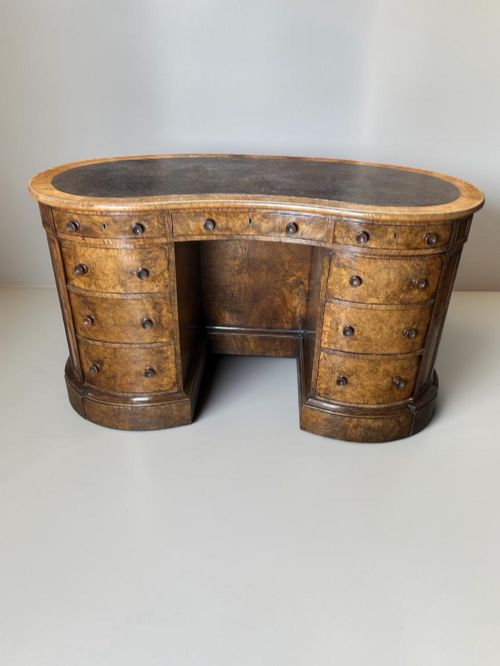
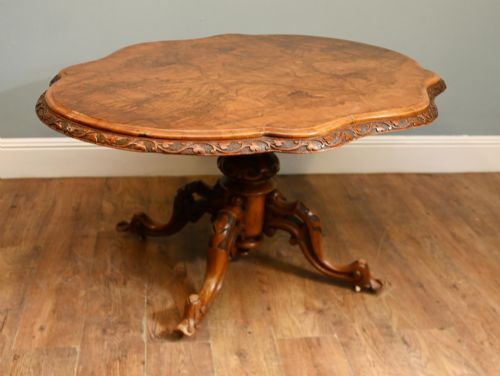
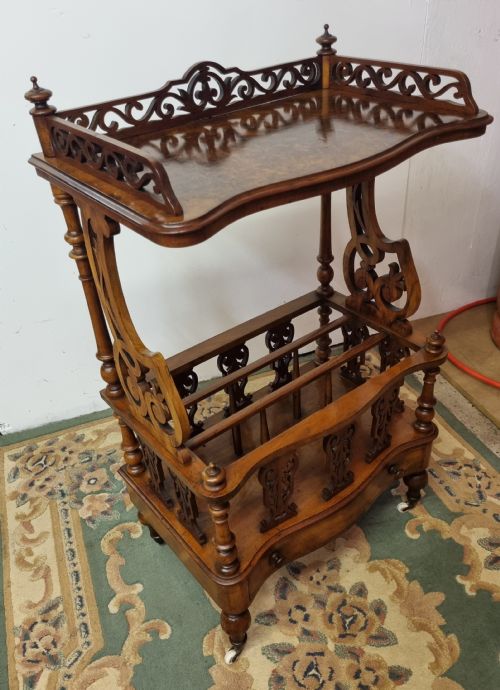
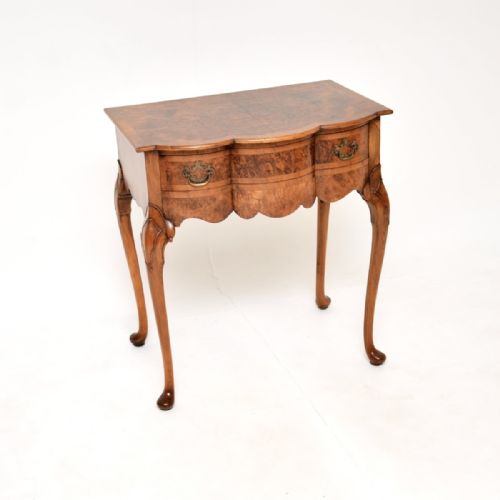
When searching for a shaped burr walnut table, a buyer encounters a diverse group of domestic furnishings designed for display, writing, and social use. These pieces range from central display tables and card tables to compact writing desks and occasional lamp tables.
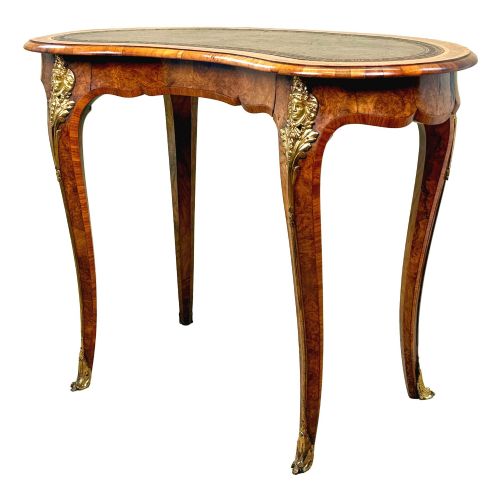
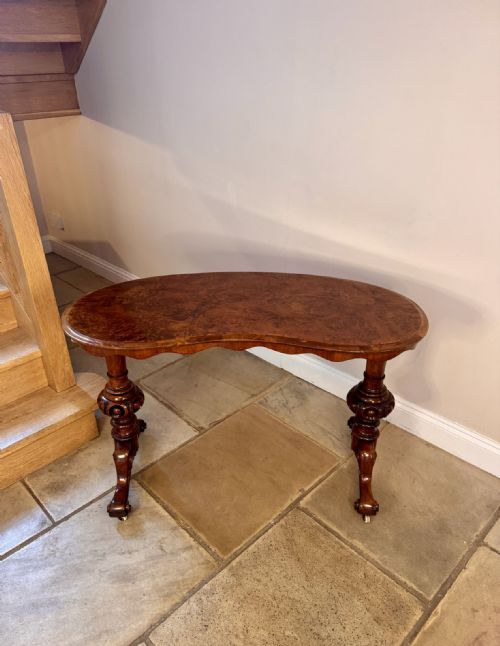
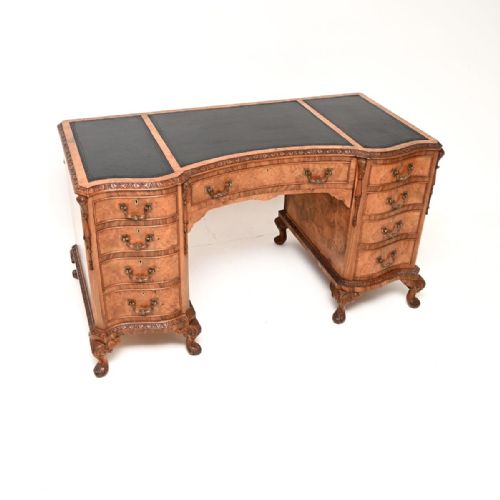
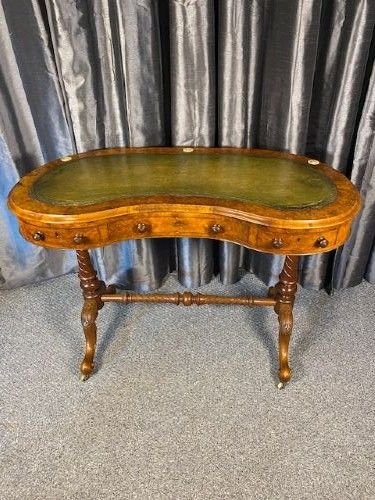
The Victorian period dominates the selection, particularly from the mid to late nineteenth century, alongside later twentieth-century Art Deco interpretations. Most examples showcase organic outlines such as serpentine, kidney, or oval profiles that soften the rigidity of a traditional room layout.
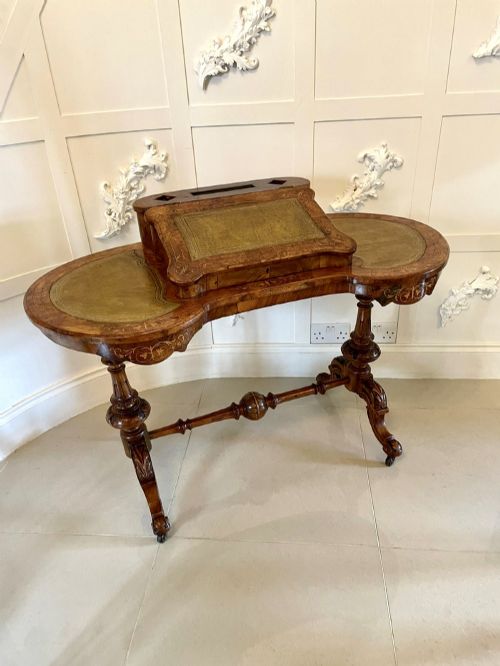
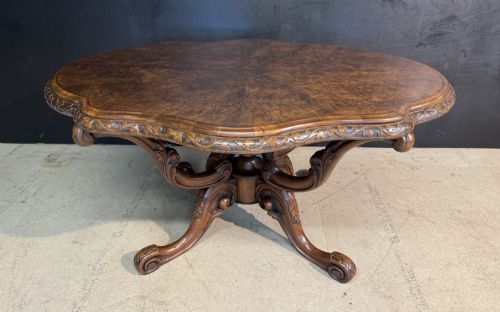
Centre tables and writing desks appear frequently in the record, often featuring freestanding designs meant to occupy the middle of a room rather than sit flush against a wall. The fusion of curved woodwork with decorative veneers defines the visual character of the category.
How They Were Made
Cabinet makers utilised thin slices of burr walnut veneer applied over solid secondary timbers to achieve swirling, highly figured grain patterns across curved surfaces. This demanding veneering technique allowed craftsmen to wrap patterned wood around serpentine and kidney-shaped frames without splitting.
Ormolu mounts, brass details, and marquetry inlay frequently complement the timber, adding metallic contrast and intricate floral motifs. Cabriole legs, carved stretcher supports, and tilt-top mechanisms provide structural stability while maintaining the decorative grace of the period.
Shaped Burr Walnut Table Retail Price Guide 2026
Typical asking prices for shaped burr walnut table among the pieces listed under this phrase on Sellingantiques today, from the lower quarter to the upper quarter. They describe what is for sale here now, not the wider market.
Materials recorded across the inventory include brass, leather, ormolu, ceramic, and hardwood alongside burr walnut.
What Varies In Quality
The standard of timber selection sets the baseline for quality, distinguishing tightly swirled, symmetrical burr patterns from plain or heavily patched walnut surfaces. Master craftsmen aligned the grain carefully across complex curves, ensuring that the natural figuring flowed harmoniously around corners and edges.
Construction details also dictate the tier of a piece, observable in the precision of the marquetry inlay, the weight of the cast ormolu mounts, and the integration of secondary hardwoods. Superior examples maintain structural integrity in their joints and mechanisms, preserving the fluidity of their shaped profiles over generations of use.
Epstein and Co·Tehan·Harry and Lou Epstein·Lenzkirch
The Shaped Burr Walnut Table Glossary
- Burr walnut
- A specialised timber cut from the abnormal growths or burls of walnut trees, yielding intricate, swirling grain patterns. This highly decorative wood served as the primary veneer for elite nineteenth-century cabinet work.
- Serpentine
- A furniture outline characterised by a double-curved edge that bulges outward in the centre and recedes inward at the sides. This rhythmic contour requires skilled shaping of both solid timber and applied veneers.
- Kidney shaped
- A curved writing or occasional table plan resembling a kidney bean, designed to wrap partially around the user. It became particularly popular for Victorian ladies writing desks and freestanding library tables.
- Ormolu
- Gilded bronze ornamentation applied to furniture edges, legs, and mounts during the eighteenth and nineteenth centuries. It adds a reflective metallic highlight to the dark, figured walnut surfaces.
- Marquetry
- The art of applying decorative veneer pieces in geometric or floral patterns onto a structural carcase. Makers used contrasting woods like satinwood and kingwood to create detailed picture panels.
Shaped Burr Walnut Table: Frequently Asked Questions
What is a burr walnut table?
A burr walnut table is a piece of furniture surfaced with highly figured veneer harvested from tree burls, featuring rich, swirling grain patterns.
These tables were constructed primarily during the Victorian and Art Deco periods, taking forms such as centre tables, writing desks, and occasional stands.
How do I identify a Victorian table?
Victorian tables often display rich burr walnut veneers combined with serpentine or kidney-shaped outlines, cabriole legs, and occasional marquetry inlay.
Many of these pieces are freestanding centre tables or writing desks designed to sit in the middle of a principal room.
Where should I place a centre table?
A centre table is designed to be viewed from all sides, making it well-suited for the middle of a drawing room or a spacious hallway.
Because these pieces feature finished backs and detailed veneers, they work best when not pushed directly against a wall.
How do I care for walnut veneer?
Walnut veneer requires protection from direct sunlight and excessive heat sources to prevent the wood from drying out or fading over time.
Regular dusting with a soft, dry cloth helps preserve the polished finish without risking moisture damage to the underlying timber.