


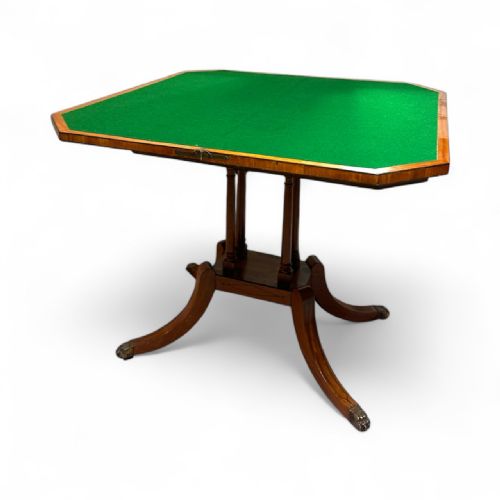


Rosewood Corner Table
A rosewood corner table is a practical piece that makes awkward spaces useful while bringing rich timber grain into a room.
Rosewood Corner Table
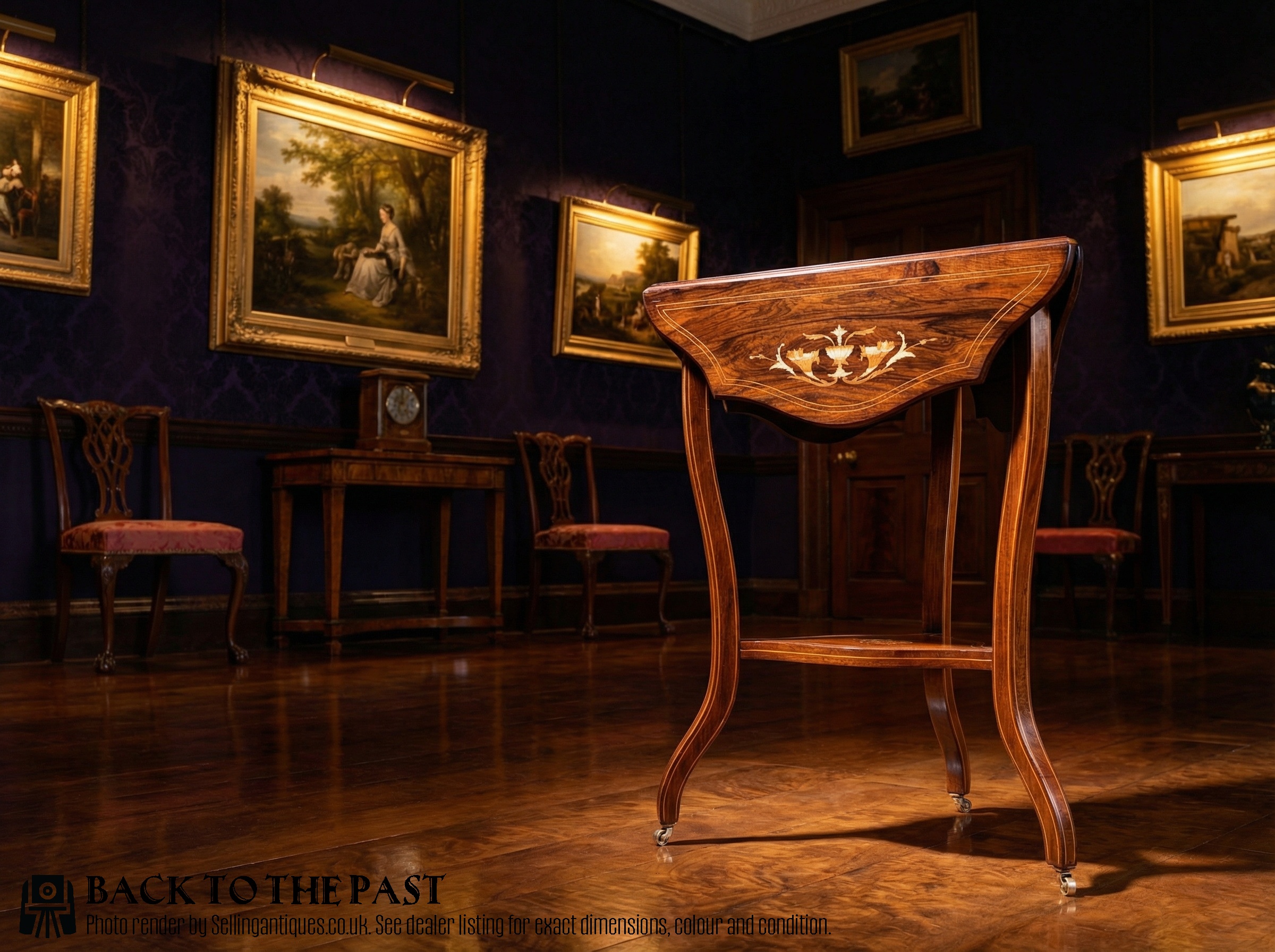
A rosewood corner table is a specialised item designed to fit snugly into the meeting point of two walls, making efficient use of overlooked domestic space. The evidence shows these pieces appear most frequently in Edwardian and Victorian guises, often featuring delicate marquetry or inlaid satinwood and boxwood details.
Buyers will encounter occasional tables, drop leaf variants, and lamp tables intended to maximise utility without dominating a room. The recorded examples span several periods, from Georgian roots through Regency refinement and into the Edwardian era, each bringing distinct architectural proportions to the form.
Construction and Materials
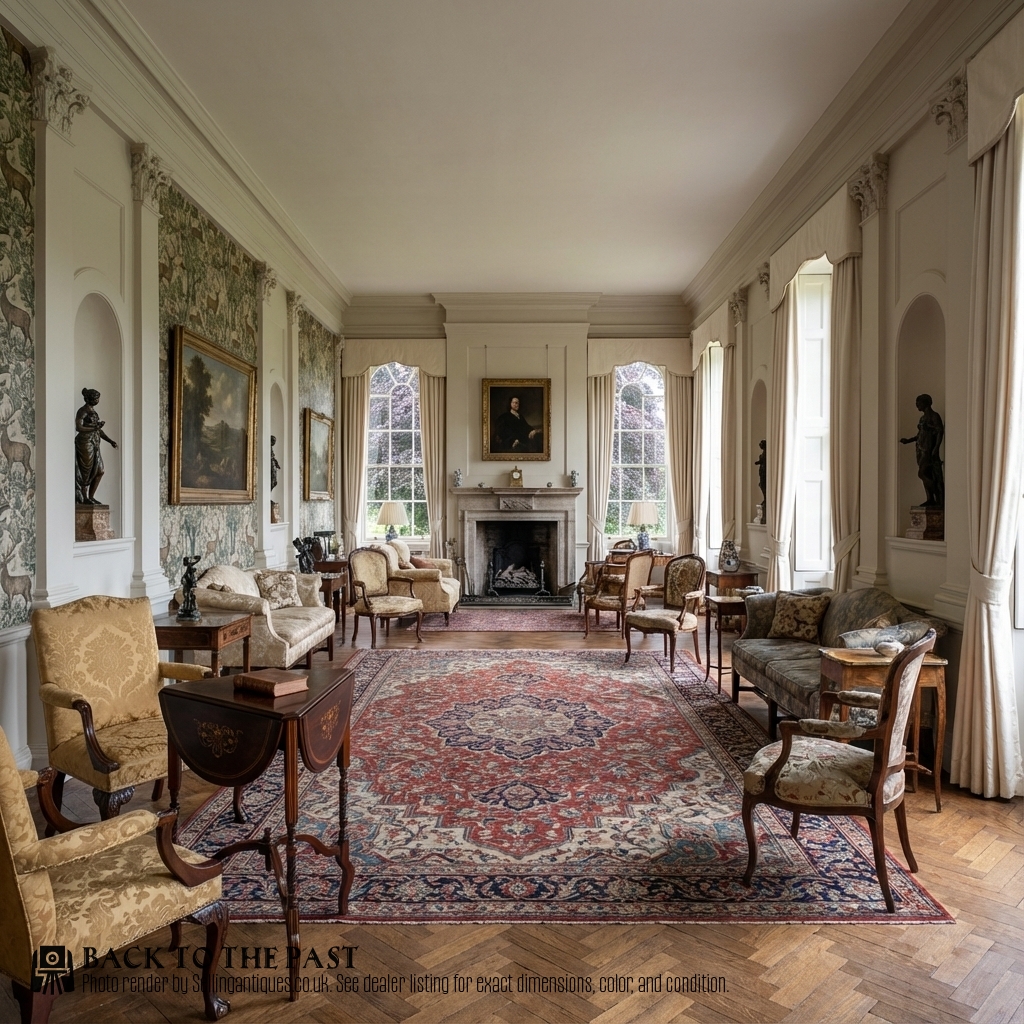
Cabinetmakers built these tables using dense, heavily figured rosewood, frequently incorporating contrasting timbers such as satinwood and boxwood for decorative inlay and stringing. The dark, oily nature of rosewood allowed craftsmen to achieve a high polished finish that highlighted the natural grain of the timber.
Structural integrity relied on solid framing for the triangular tops and supporting legs, which often terminated in castors or delicate feet depending on the period. Inlaid details were meticulously hand-cut and fitted into recessed channels, demanding considerable skill from the maker.
Rosewood Corner Table Retail Price Guide 2026
Typical asking prices for rosewood corner table among the pieces listed under this phrase on Sellingantiques today, from the lower quarter to the upper quarter. They describe what is for sale here now, not the wider market.
Recorded examples span the Georgian, Regency, Victorian, and Edwardian periods, utilising rosewood alongside satinwood, boxwood, and brass.
Assessing Quality
Quality in a rosewood corner table rests upon the crispness of the inlay and the depth of the timber's grain rather than mere ornamentation. Superior examples display precise botanical or geometric marquetry that remains flush with the surrounding rosewood surface.
Construction methods also distinguish finer pieces, where the joints of the triangular top fit seamlessly and the leg turnings show confident, sharp execution. Less distinguished pieces rely on printed decoration or heavy commercial finishes that obscure the natural character of the wood.
The Rosewood Corner Table Glossary
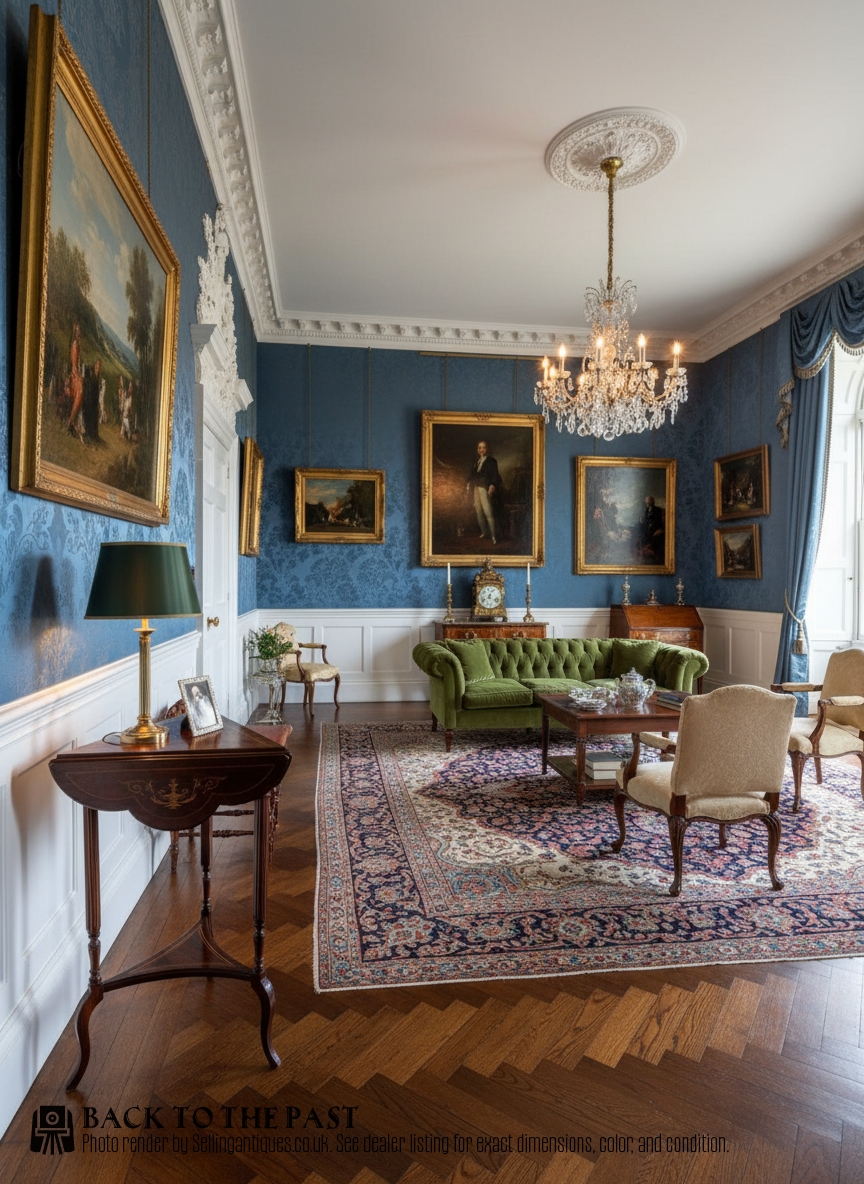
- Rosewood
- A dense, heavily figured dark timber prized for its rich colour and ability to take a fine polish. It has been utilised in fine cabinetmaking for centuries.
- Marquetry
- The art of applying pieces of veneer to a structure to form decorative patterns and pictures. It differs from inlay by being assembled on a template before gluing.
- Satinwood
- A pale, lustrous timber native to India and Ceylon, frequently used for contrasting stringing and inlay against darker woods like rosewood. Its yellow hue brightens dark furniture.
- Drop Leaf
- A table with hinged flaps that can be raised to increase surface area or lowered when space is tight. This mechanism adds versatility to smaller rooms.
- Stringing
- A narrow strip of contrasting wood inlaid into the surface of a piece to create borders and geometric outlines. It defines the edges of panels and tabletops.
Rosewood Corner Table: Frequently Asked Questions
Where should I place a corner table?
These tables are specifically proportioned to slot into the dead space where two walls meet, making them ideal for awkward corners in hallways, landings or sitting rooms.
Because they occupy minimal floor space while providing a useful surface for a lamp or decorative object, they work well in rooms where a standard rectangular table would obstruct traffic.
How do I care for rosewood furniture?
Rosewood benefits from regular dusting with a soft, dry cloth and occasional treatment with quality beeswax to nourish the timber.
Keep the piece away from direct sunlight and heat sources to prevent the wood from drying out and the rich polish from fading over time.
Are Edwardian tables sturdy?
Edwardian tables were built for lighter domestic use, such as holding lamps or small decorative items, rather than heavy weight-bearing tasks.
While the triangular construction provides inherent stability in a corner, users should avoid sitting on them or placing excessively heavy loads on the drop leaves.
What is the difference between inlay and marquetry?
Inlay involves embedding contrasting materials into carved recesses within the solid wood surface of the table.
Marquetry covers the entire surface with a mosaic of veneers assembled beforehand to create pictorial or decorative scenes.