



Sutherland Drop Leaf Table
A sutherland drop leaf table is a narrow folding occasional piece that opens to form a stable surface, built for compact spaces.

Forms and periods
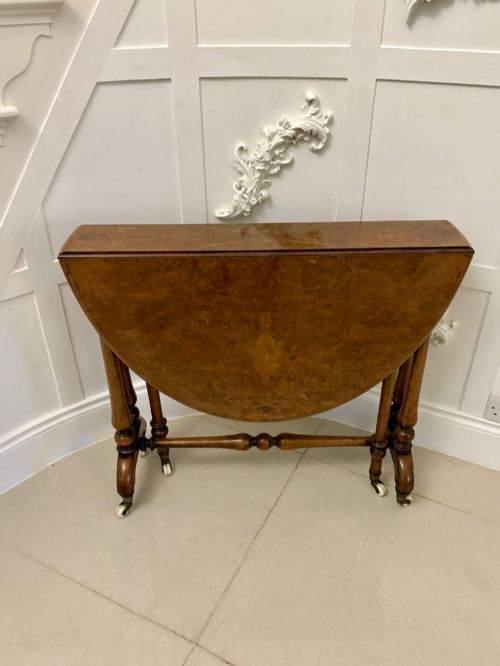
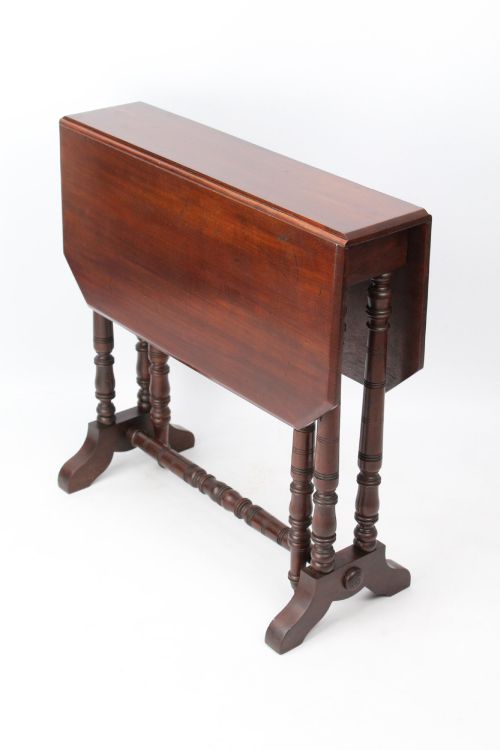
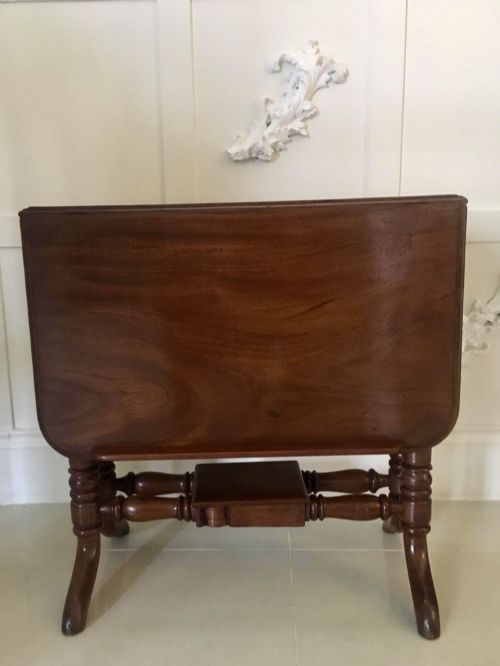
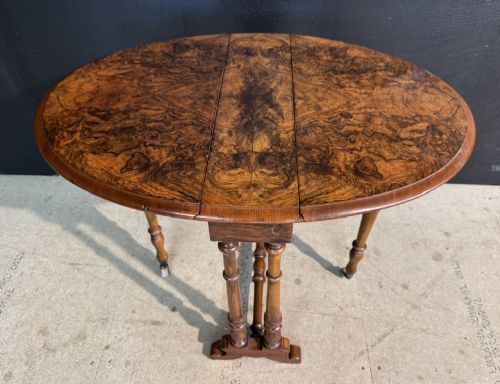
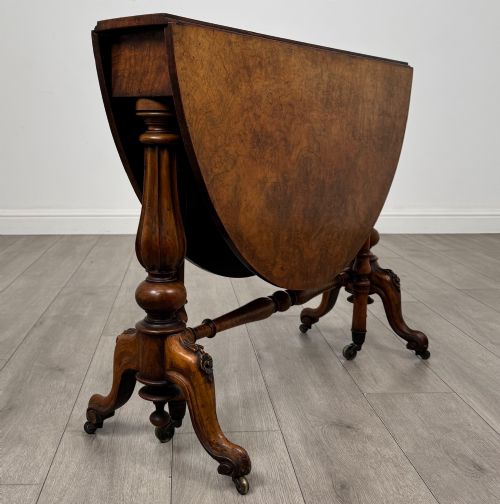
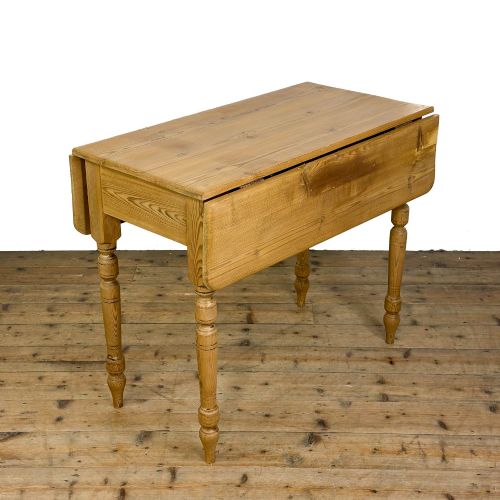
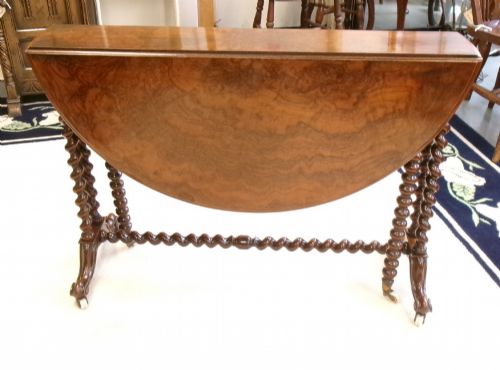
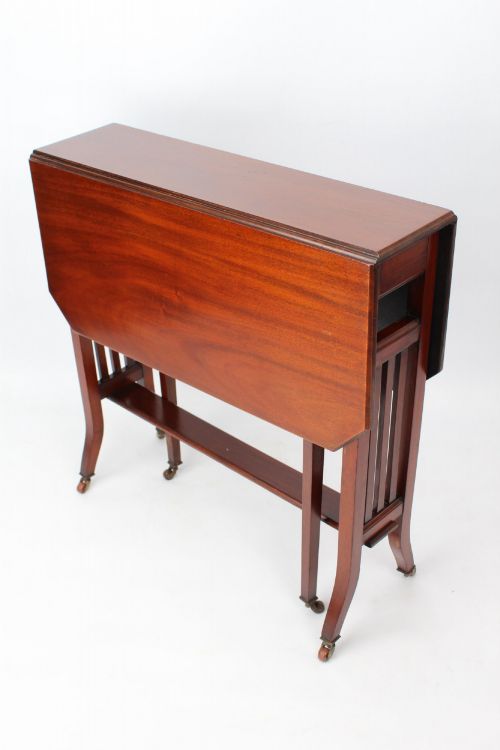
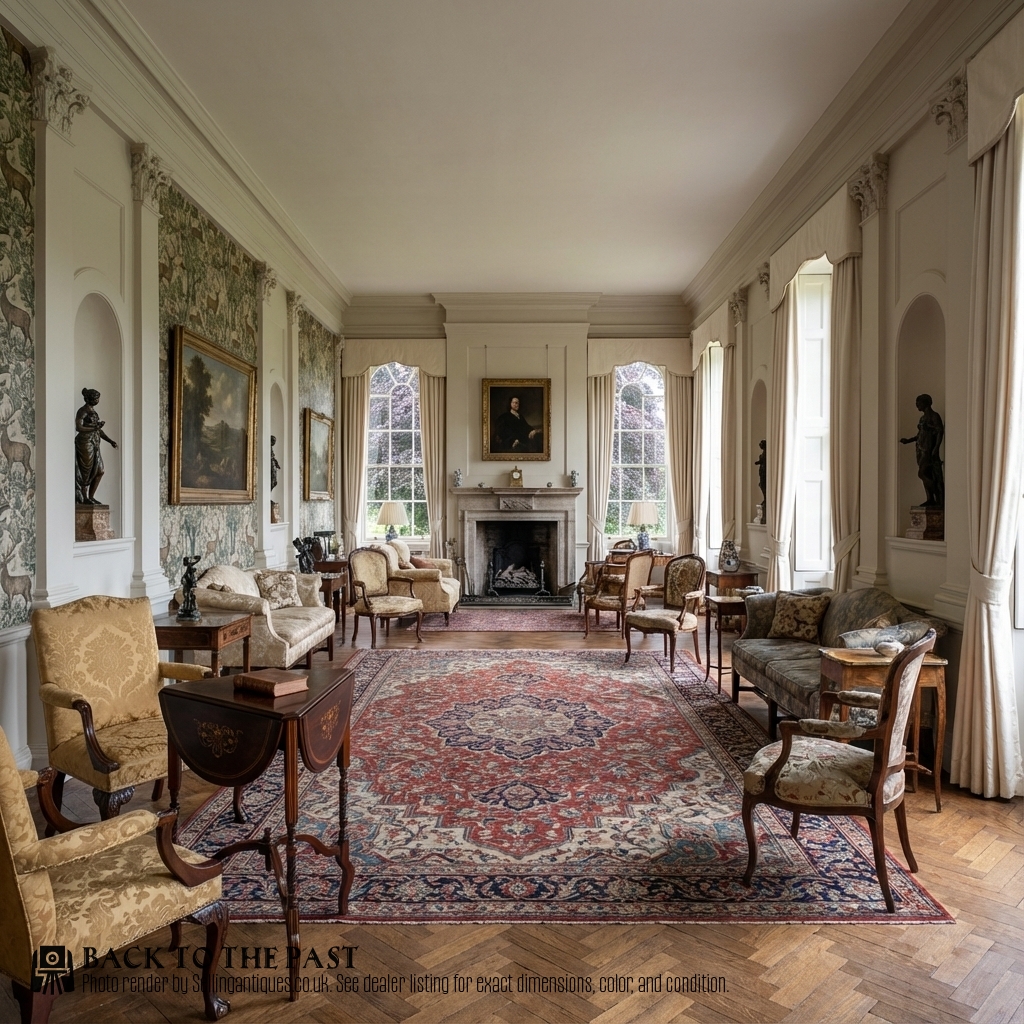
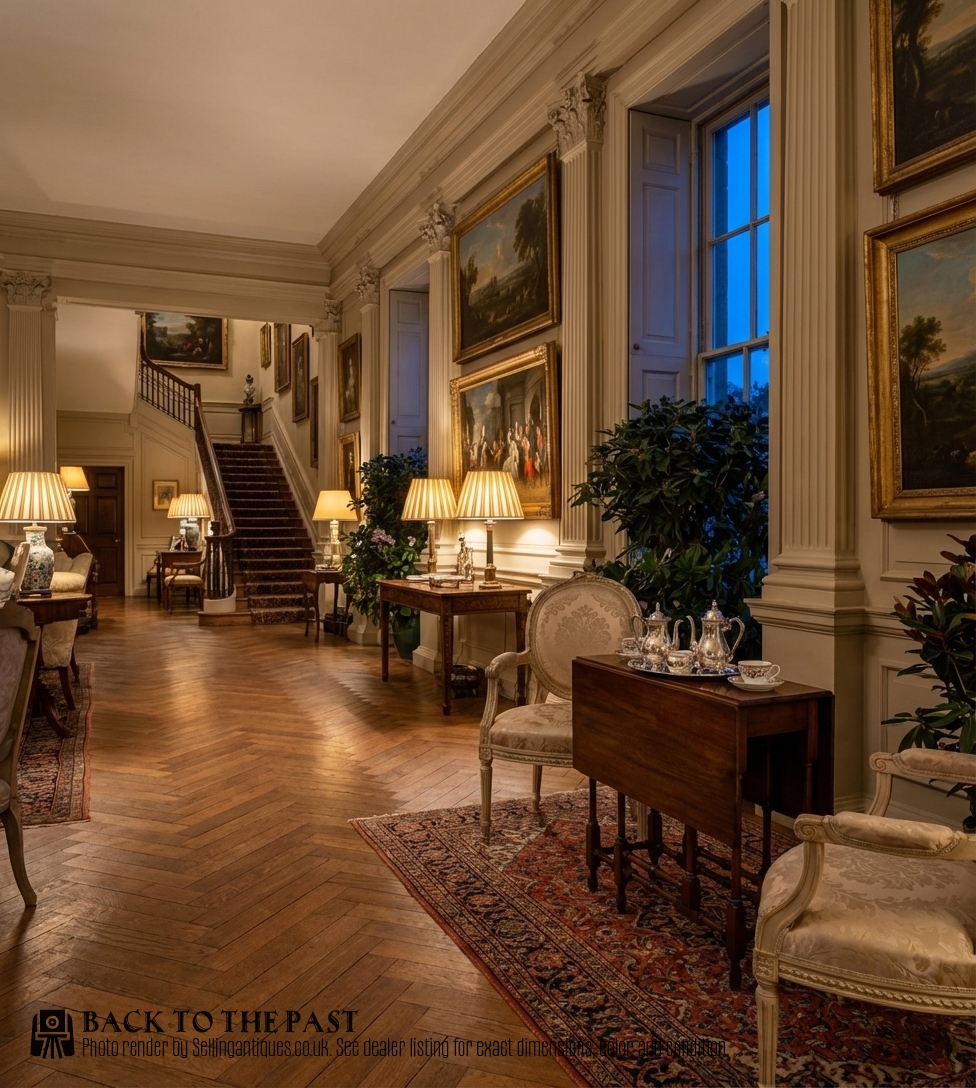
A sutherland drop leaf table appears most frequently from the Victorian and Edwardian eras, built with two hinged leaves that drop down almost vertically when not in use.
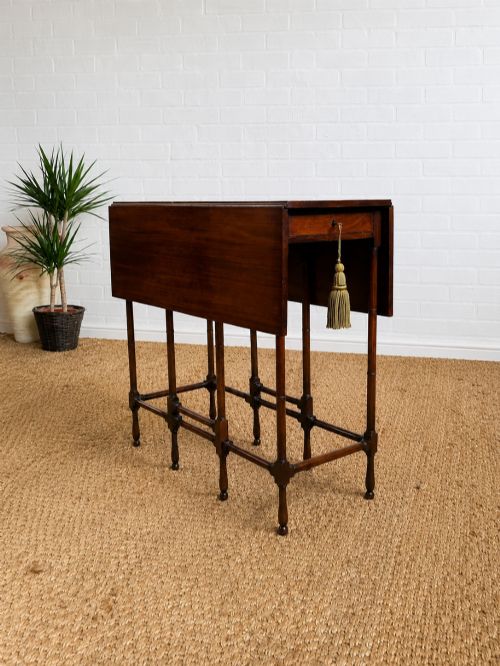
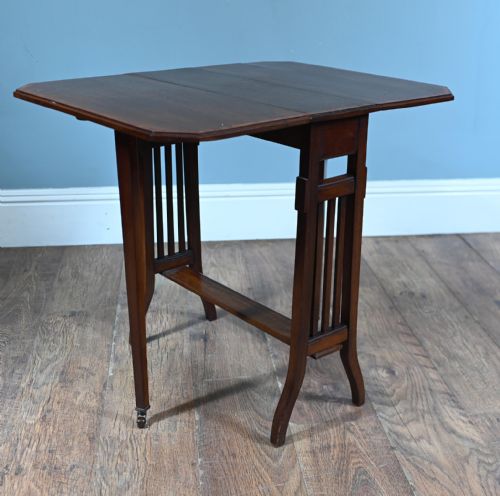
Makers shaped these tables as occasional pieces, lamp tables, coffee tables, and narrow side tables, often supported on swing legs.
The evidence shows examples ranging from miniature and baby proportions up to dining sizes, spanning periods from Regency and William IV through to Arts and Crafts.
Craftsmanship and timber selection
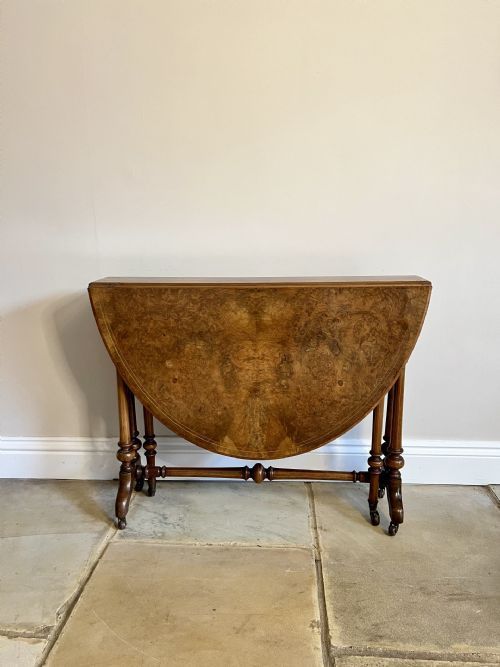
Quality rests on the choice of timber figure, such as richly grained burr walnut or figured mahogany, paired with precise inlay and stringing.
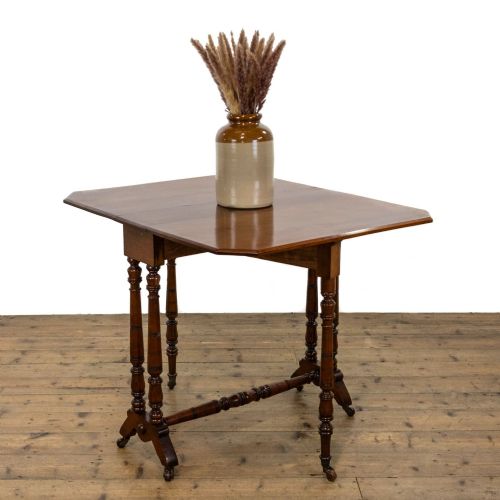
Finer examples maintain structural stability in the folding leaf mechanism and gatelegs, ensuring the hinges and joints operate smoothly without wobble.
Retail Price Guide 2026
Typical UK retail prices for sutherland drop leaf table, calculated from the Sellingantiques database of over a million retail prices indexed since 2003. This retail price guide relies exclusively on Sellingantiques data; no external sources or auction records are used, so the figures do not describe the wider market.
Materials recorded across the archive include mahogany, burr walnut, rosewood, oak, goncalo alves, and brass.
Gillows of Lancaster·Heals
The Sutherland Drop Leaf Table Glossary
- Sutherland table
- A narrow drop-leaf table with exceptionally slim folding leaves and gatelegs designed to support them when raised.
- Gateleg
- A hinged table leg that swings outward from the frame to support a drop leaf.
- Burr walnut
- A prized timber veneer showing swirling growth knots and complex grain patterns.
- Inlay
- Pieces of contrasting wood or other materials fitted into the surface to form decorative patterns.
Frequently Asked Questions
What is a sutherland table?
A sutherland table is a specific form of drop-leaf table characterised by a very narrow central fixed top and two wide folding leaves.
When the leaves drop down, the table occupies minimal floor space, making it useful as an occasional piece.
How do the leaves stay up?
The leaves are supported by hinged gatelegs that swing outward from the central underframe.
When pushed back against the frame, the legs allow the leaves to drop vertically.
What woods were used?
Makers built these tables in a variety of timbers including mahogany, burr walnut, rosewood, and oak.
Finer versions often feature decorative details like boxwood and satinwood inlay.
Are there small sizes?
The listings include miniature, baby, and small formats designed for use as coffee tables or lamp tables.
These compact versions retain the dual-leaf folding mechanism of larger dining-sized examples.