

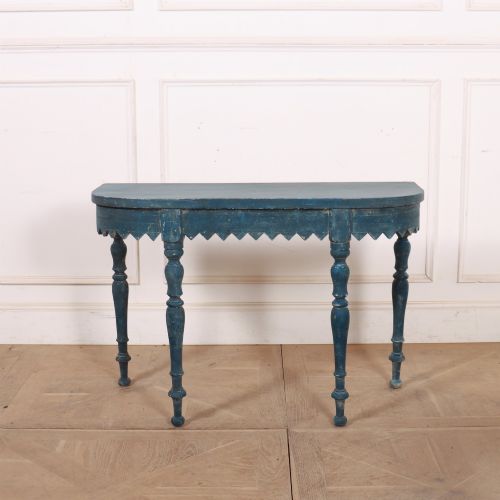
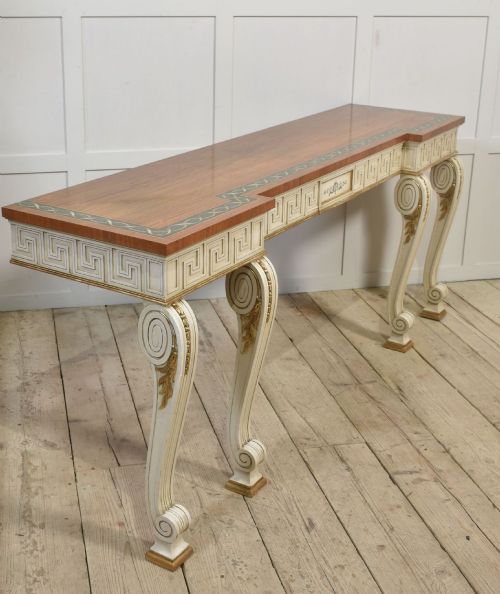
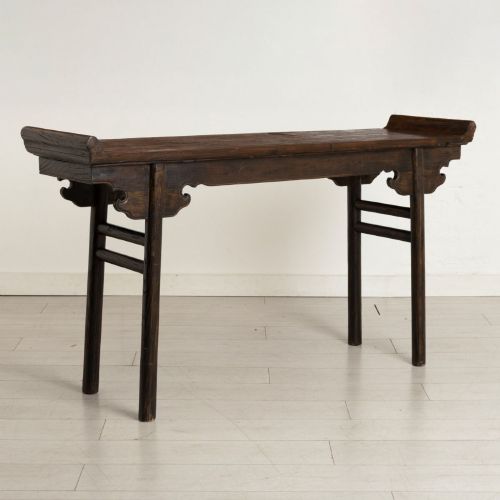
Narrow Side Table
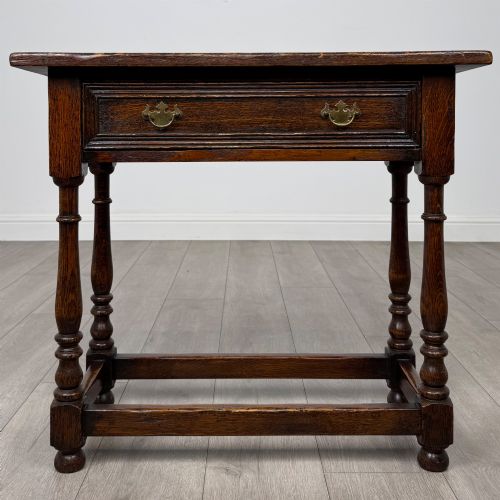
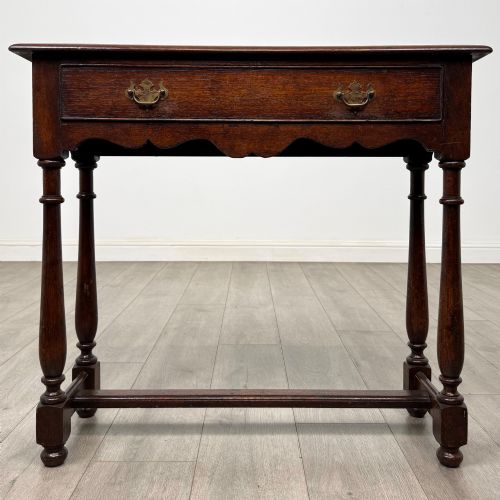
These narrow side table examples span centuries of timber framing, bringing compact utility and refined proportion to modest hallways and compact rooms.

Narrow Side Table
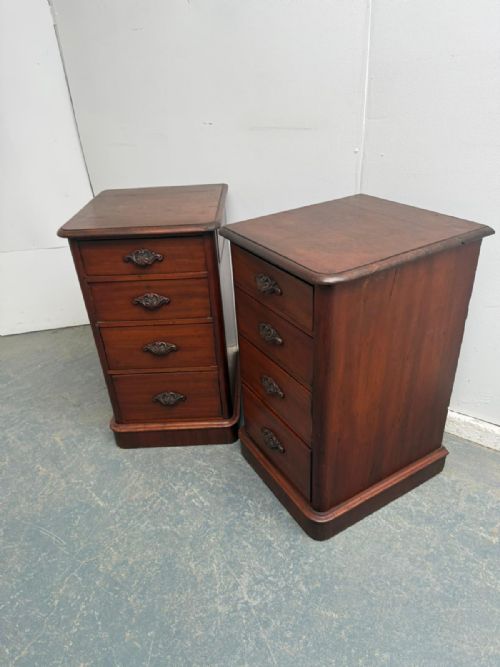
A narrow side table serves spaces where standard furniture overwhelms the floor plan, appearing in forms such as console tables, hall tables, and bedside cabinets. Buyers typically encounter nineteenth-century mahogany pieces alongside oak, pine, and painted softwood examples from the Edwardian and later periods.
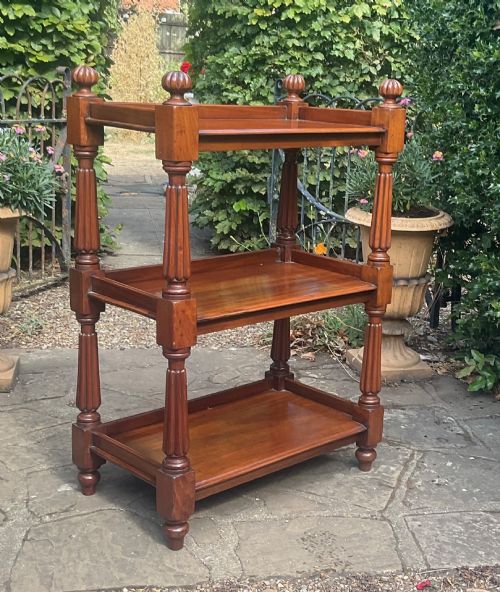
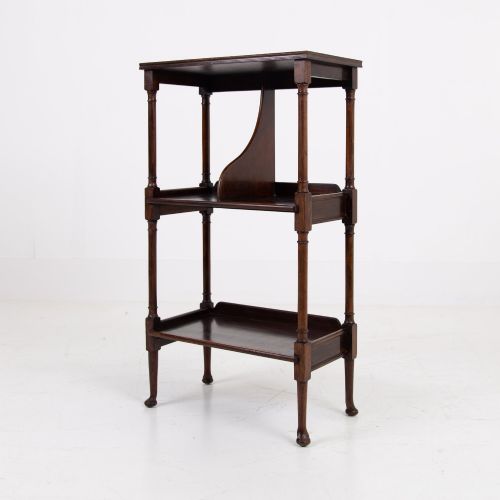
The category encompasses versatile utility pieces, including tiered etageres, small buttered servers, and demilune hall tables designed to sit flush against walls. These items derive from various traditions, ranging from English country houses to continental workshops and overseas export pieces.
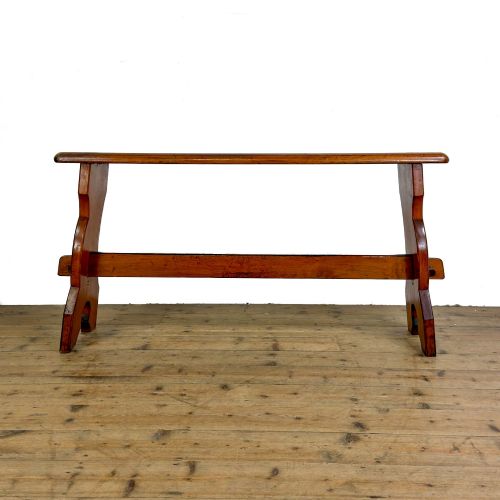
Proportions remain consistently restrained, allowing these tables to function effectively in narrow corridors, tight landings, and beside seating. The selection balances utilitarian pine and oak forms with decorative mahogany and walnut revival styles.
How they were made
Makers relied heavily on native and imported timbers, utilising solid mahogany, oak, and walnut for structural integrity and fine grain appearance, whilst employing pine and beech for secondary framing and painted surfaces. Brass handles, hinges, and occasional marble tops provided functional contrast and surface durability.
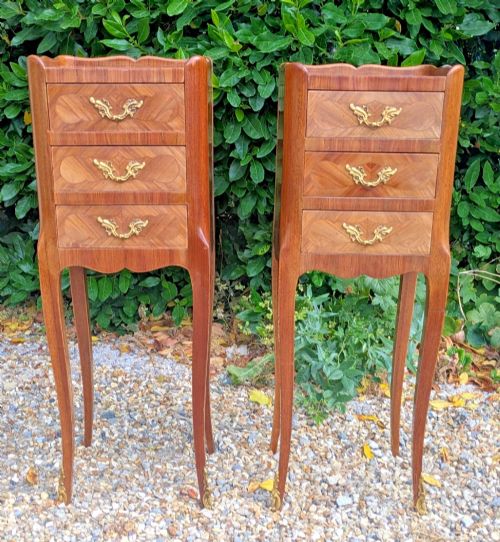
Joinery techniques matched the period and the timber, utilising traditional frame-and-panel construction, dovetailed drawer boxes, and turned or tapered legs. Marquetry inlay, satinwood banding, and waxed finishes enhanced the visual depth of mahogany and walnut surfaces.
Listings feature timbers including mahogany, oak, walnut, pine, and marble alongside brass hardware.
What varies in quality
Construction fidelity dictates the upper tiers of quality, visible in the snugness of drawer dovetails, the selection of figured timber veneers, and the integrity of internal framing. Lesser examples often show coarser secondary timbers and heavier, less refined proportions.
Originality of surface finish and hardware strongly influences the standing of a piece, distinguishing untouched waxed or polished patinations from unsympathetic later alterations.
The Narrow Side Table Glossary
- Console table
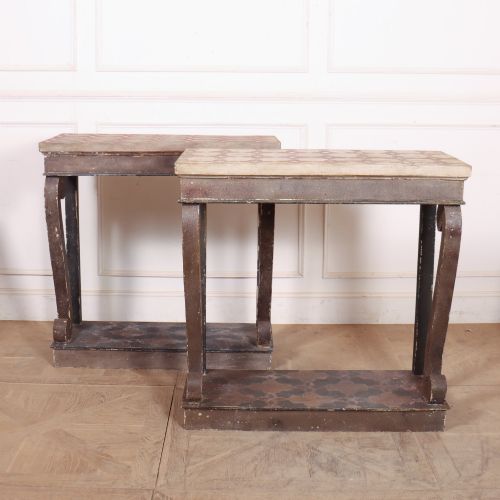
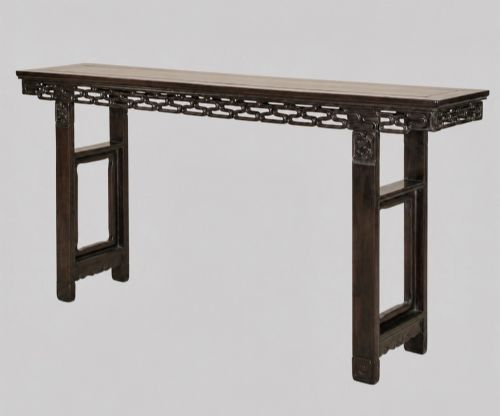
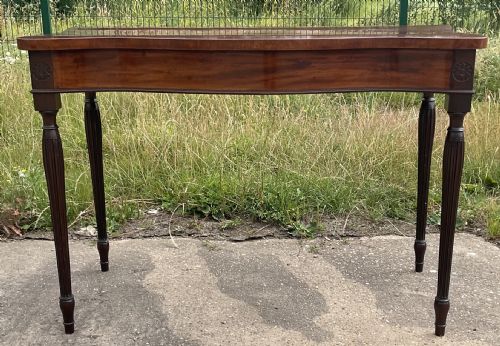
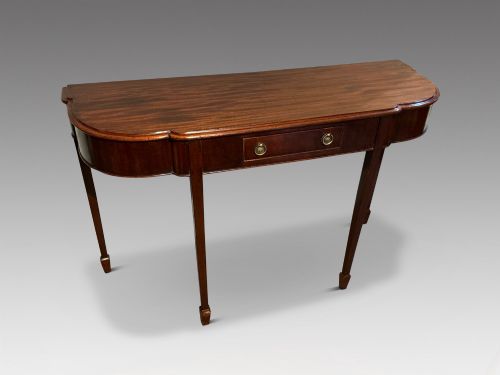
- A table designed to be fixed against a wall, frequently supported by brackets or legs at the front. These pieces often feature decorative front profiles like the serpentine shape.
- Demilune
- A half-moon shape used for console and side tables designed to sit flat against a wall. This profile saves floor space in narrow hallways.
- Etagere
- A set of open shelves for displaying small objects or holding books, arranged in tiers. These tall, narrow units maximise vertical storage.
- Sutherland table
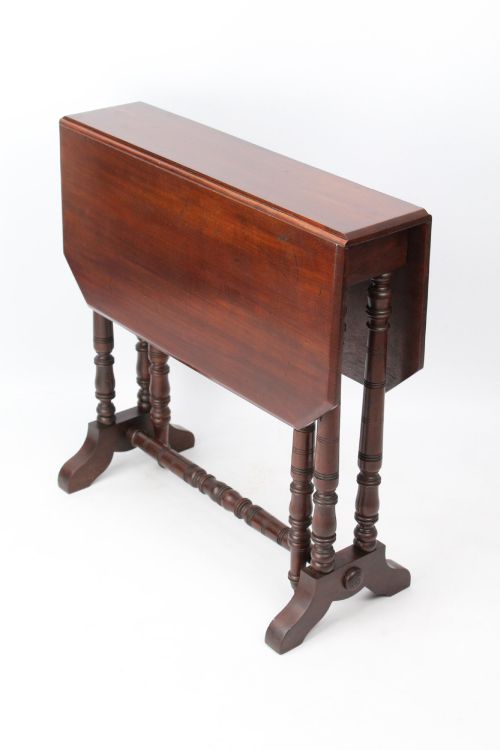
- A type of drop-leaf table with exceptionally narrow fixed central leaves and folding flaps supported by swinging legs. They fold away compactly when not in use.
- Marquetry
- The art of applying pieces of veneer to a structure to form decorative patterns. Craftsmen use varied woods to create floral or geometric designs on tabletops.
Narrow Side Table: Frequently Asked Questions
Where should I place a narrow side table?
These tables suit tight spaces such as entrance halls, narrow corridors, and landings where standard furniture protrudes too far. They also function effectively as bedside chests or lamp tables in compact bedrooms.
Their restrained depth allows them to sit flat against walls without obstructing pathways while still providing useful surface area.
How do I identify a Georgian piece?
Georgian pieces typically feature solid mahogany or oak construction with hand-cut dovetails on the drawer boxes and classical proportions. Look for understated brass hardware, such as swan-neck handles, and crisp joinery.
Later revival styles often imitate these characteristics, but period pieces display the natural wear and timber ageing consistent with eighteenth-century production.
What is the difference between a console and a side table?
Console tables traditionally stood against a wall, sometimes secured with wall brackets, and focused heavily on decorative presentation. Side tables are generally freestanding structures designed to sit beside seating or along a wall perimeter.
In modern usage, the terms often overlap, particularly with narrow hallway furniture.
How do I care for antique timber surfaces?
Maintain polished and waxed timber surfaces by applying quality beeswax periodically and buffing gently with a soft cloth. Avoid placing these tables in direct sunlight or near heat sources to prevent timber splitting.
Keep moisture away from unsealed pine and painted wood finishes by using coasters and protective mats.