


Edwardian Rosewood Table
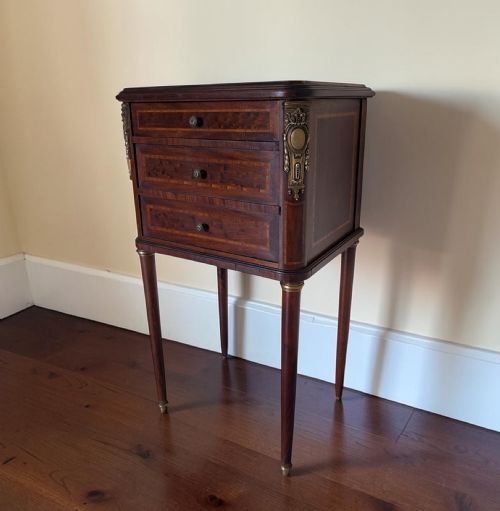
When you handle an edwardian rosewood table, you meet a refined piece of furniture designed to bring warmth and elegance to period interiors.
Edwardian Rosewood Table
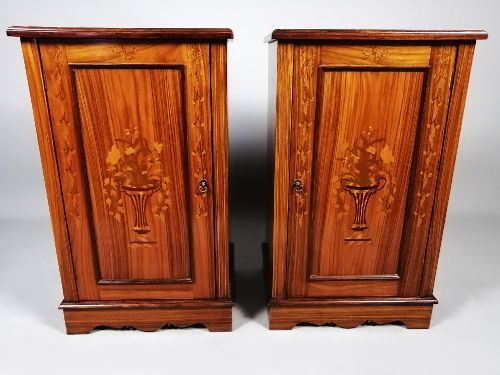
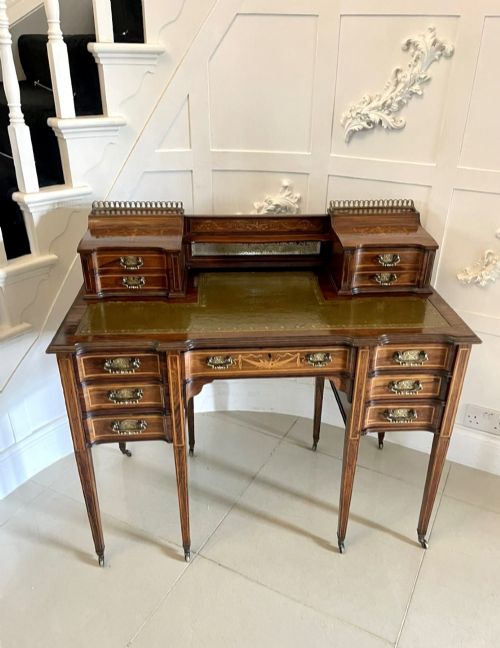
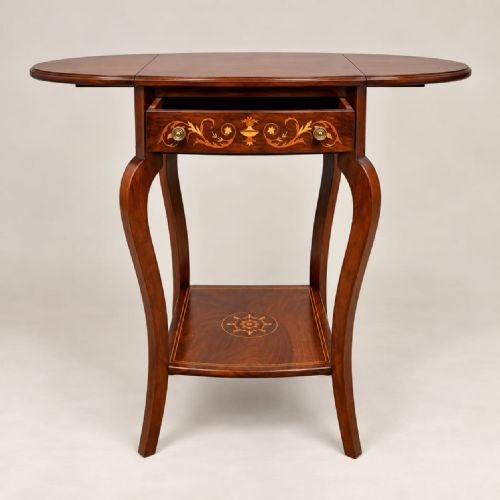
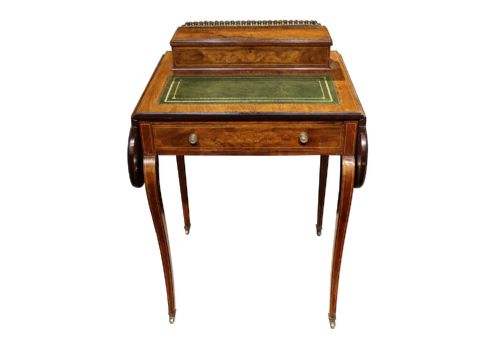
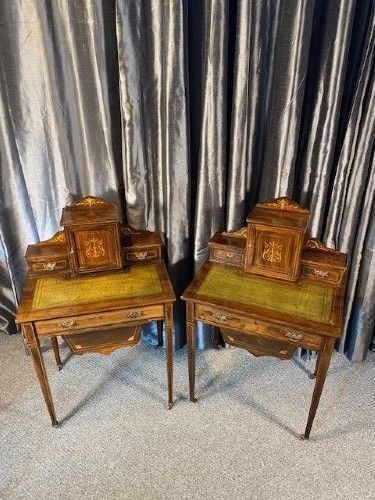
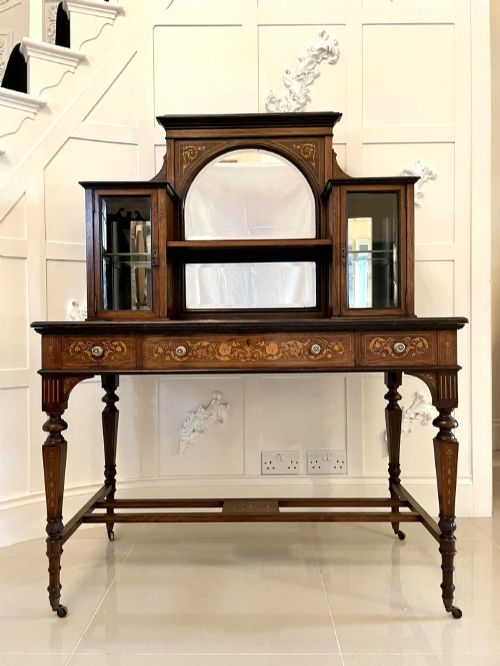
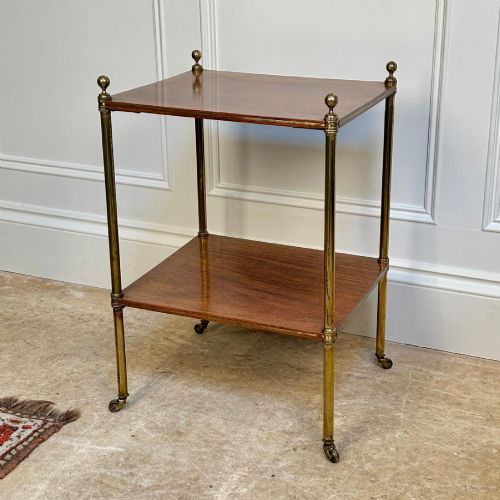
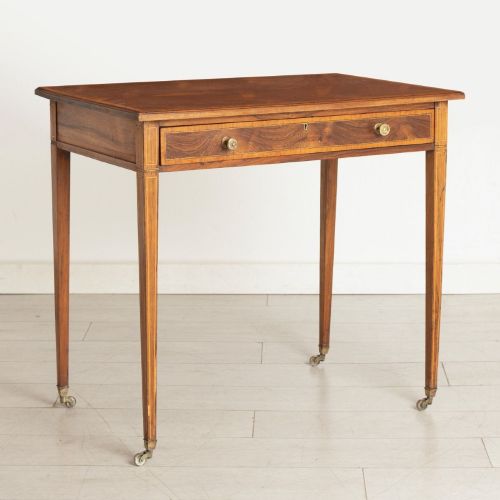
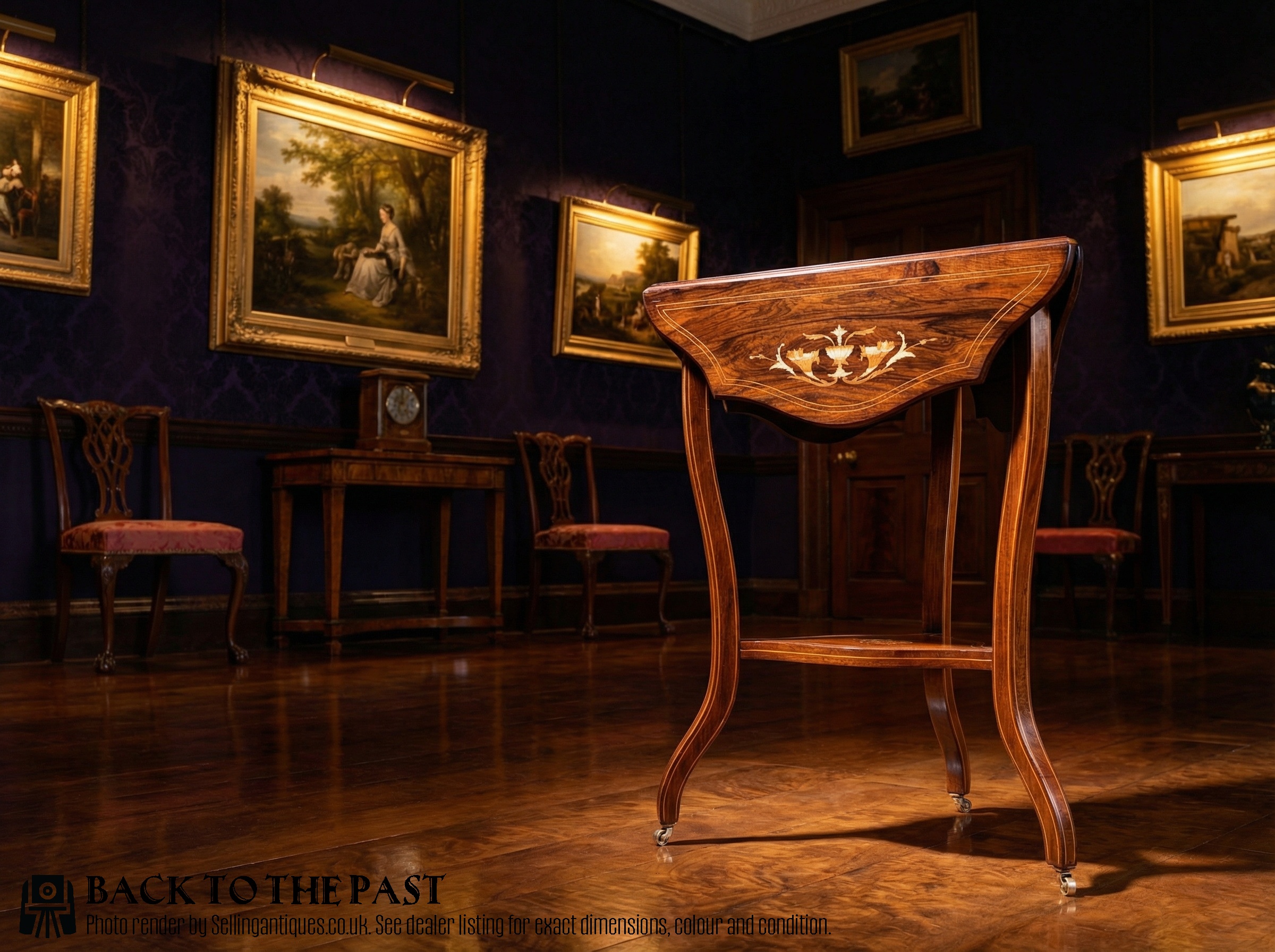
The edwardian rosewood table covers a variety of versatile domestic forms, from occasional and centre tables to writing desks and specialised games surfaces. The pieces seen most frequently on this page combine light proportions with practical functions suited to period reception rooms.
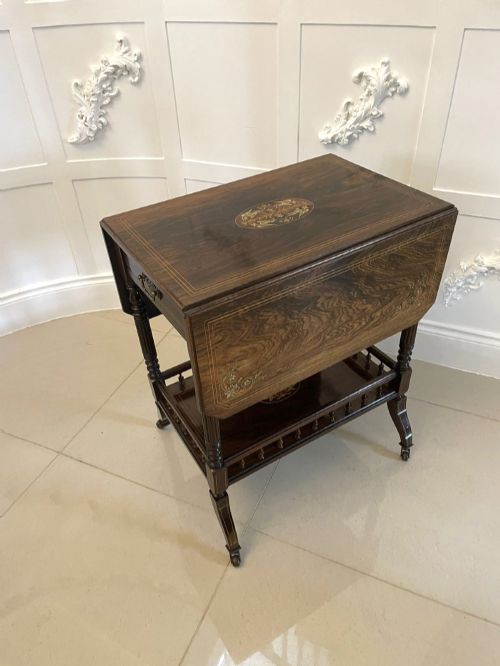
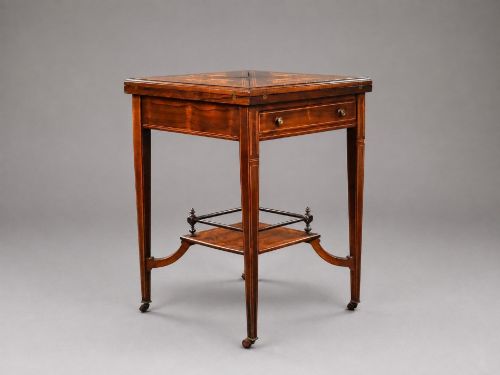
Makers working in the Edwardian period often drew on earlier Sheraton Revival designs, producing light occasional pieces alongside more complex envelope card tables and drop-leaf variations. These tables served both decorative and utilitarian roles in Edwardian homes, acting as centres for display or letter writing.
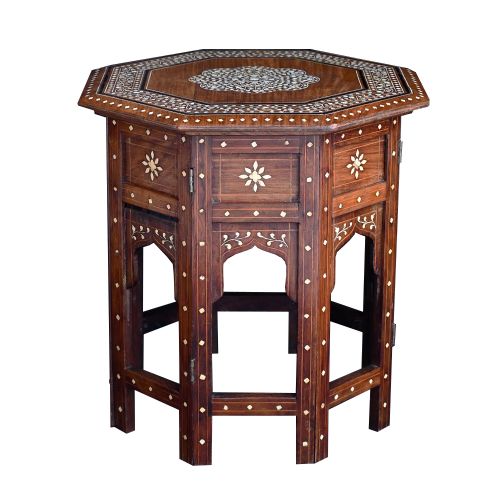
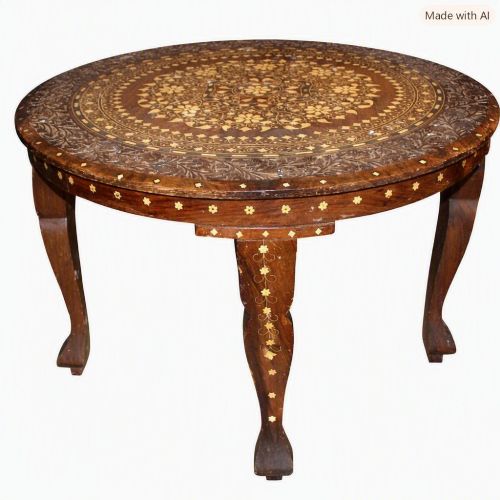
Origins span standard domestic British cabinet making as well as distinct Anglo-Indian workshop traditions involving intricate carving and inlay. Buyers encounter everything from simple lamp tables to multifarious sewing and work tables fitted with internal compartments.
How They Were Made
Cabinet makers utilised dense rosewood timber as the primary structural and visual medium, often contrasting its dark grain with lighter honey-coloured satinwood or boxwood. This contrast formed the basis of intricate linear stringing and geometric marquetry panels set into table tops.
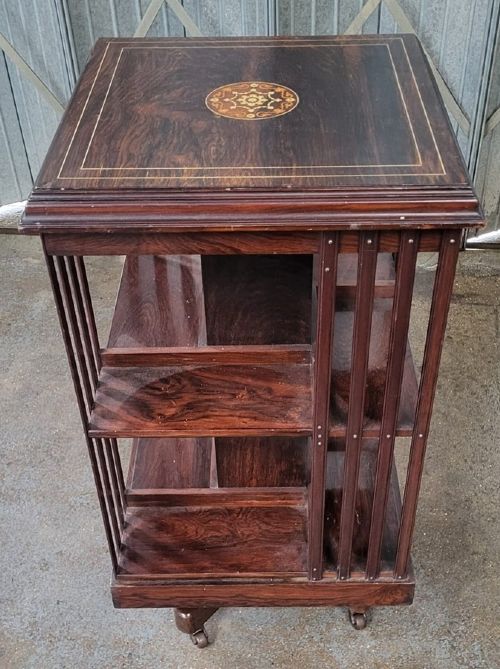
Inlaid details frequently incorporated bone, ivory or contrasting exotic woods to create floral motifs and classical swags across the surface. Construction techniques balanced solid framing with fine veneering, particularly on folding card tables and revolving bookcases where stability remained essential.
Edwardian Rosewood Table Retail Price Guide 2026
Typical asking prices for edwardian rosewood table among the pieces listed under this phrase on Sellingantiques today, from the lower quarter to the upper quarter. They describe what is for sale here now, not the wider market.
Some tables hide compartments for counters or spinning game tops, proving that Edwardian card players took their parlor entertainment very seriously.
What Varies in Quality
The distinction between standard commercial output and fine exhibition work rests on the precision of the marquetry and the selection of the timber grain. Finer examples display tightly fitted joints, crisp boxwood stringing without gaps, and secondary hardwoods that maintain structural integrity over decades of use.
Hardware and operational mechanisms also define the tier of a piece, separating simple fixed tables from smoothly folding envelope tops and weighted revolving bookstands. Superior workshop execution shows in balanced proportions and harmonious secondary timbers rather than mere surface ornamentation.
Maple and Co·Edwards and Roberts·Liberty and Co·Hoshiarpur
The Edwardian Rosewood Table Glossary
- Rosewood
- A dense, dark timber with distinct figuring, widely utilised for high-status cabinet making during the nineteenth and early twentieth centuries. Its rich natural colour provided an ideal dark ground for contrasting light wood inlays.
- Envelope Table
- A card table featuring four triangular flaps that fold diagonally inwards to enclose the playing surface like an envelope. When opened, the rotating top reveals a baize-lined interior and small corner wells for counters.
- Marquetry
- Decorative veneer work arranged in pictorial or geometric patterns using various coloured woods, shells or bone. Artisans cut these elements precisely to fit flush into the primary timber ground.
- Satinwood
- A lustrous, pale yellow timber native to India and Ceylon, frequently employed for contrasting inlay work and banding on darker rosewood furniture. It brightens the overall appearance of Edwardian and Sheraton Revival pieces.
- Bonheur Du Jour
- A small lady's writing desk featuring a raised cabinet, drawers or pigeonholes above the main writing surface. This delicate form gained popularity for boudoir and drawing room use.
- Sheraton Revival
- A late nineteenth and early twentieth century design style drawing inspiration from the neoclassical furniture of Thomas Sheraton. It relies on slender proportions, tapered legs and delicate marquetry decoration.
Edwardian Rosewood Table: Frequently Asked Questions
What is an envelope card table?
An envelope card table is a clever folding table where four triangular flaps pivot inwards to cover the baize gaming surface. This design protected the cloth and provided a compact side table when closed.
Craftsmen often fitted these with small drawers beneath the top for storing cards and counters during games evenings.
How do I care for rosewood furniture?
Rosewood requires stable humidity and protection from direct sunlight to prevent the timber from drying out or fading. Gentle dusting with a dry cloth keeps the surface clean without stripping the historic finish.
Avoid placing damp items directly on the wood, as moisture can damage the delicate polish and lift the fine boxwood inlays.
What distinguishes Edwardian from Victorian tables?
Edwardian tables generally feature lighter proportions, more restrained inlay, and a greater emphasis on delicate occasional forms. Victorian pieces often display heavier timber sections, darker finishes, and denser marquetry decoration.
Both periods share a foundation in revival styles, but Edwardian cabinet makers favored airier silhouettes for smaller drawing rooms.
Where were Anglo-Indian tables made?
Anglo-Indian tables originated in workshops in regions such as Hoshiarpur, where local artisans carved dense rosewood and incorporated intricate bone or brass inlay. British retailers then imported these exotic pieces to meet domestic demand for global aesthetics.
These tables often feature dense foliage carving and folding structural bases distinct from standard British joinery.