





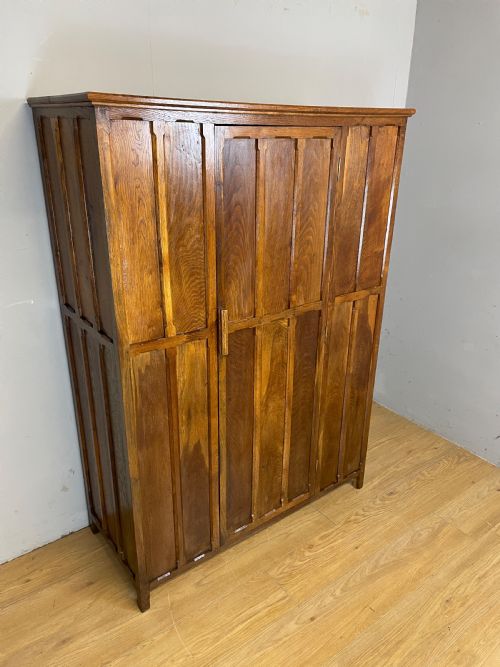
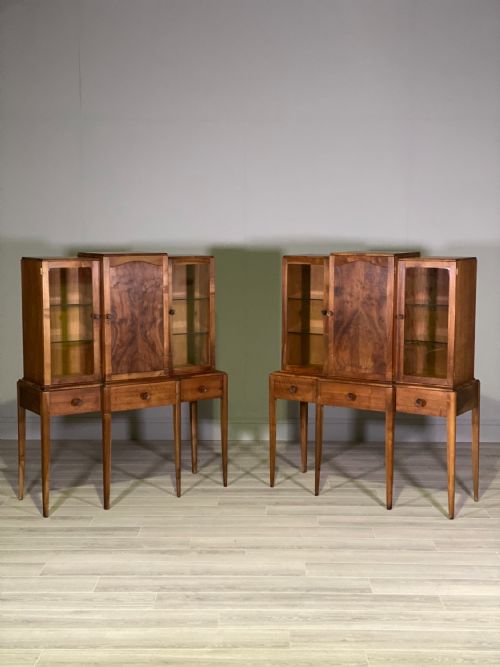
Cotswold School Furniture
Cotswold school furniture brings honest craftsmanship and solid timbers into the home, offering an enduring connection to early twentieth-century design.
Cotswold School Furniture
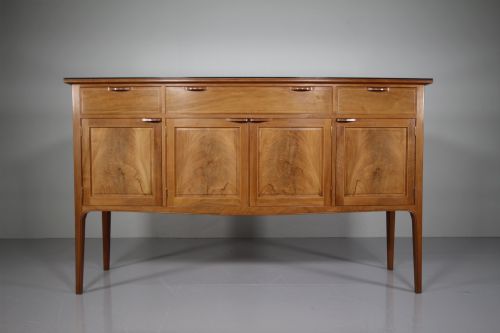
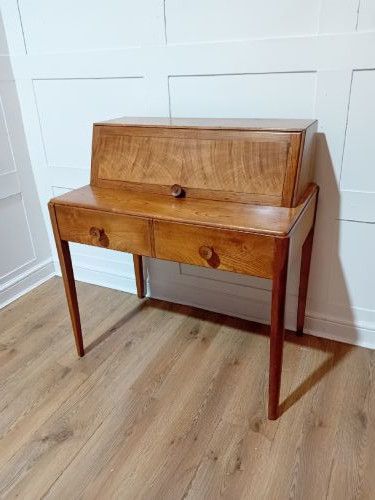
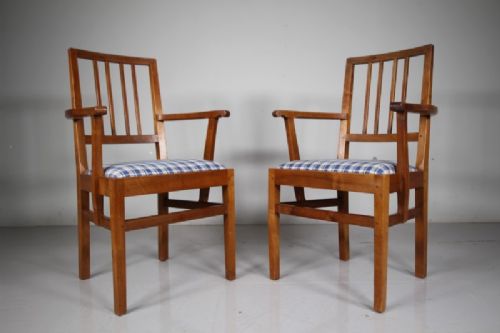
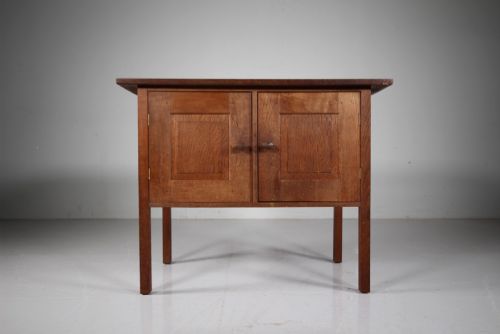
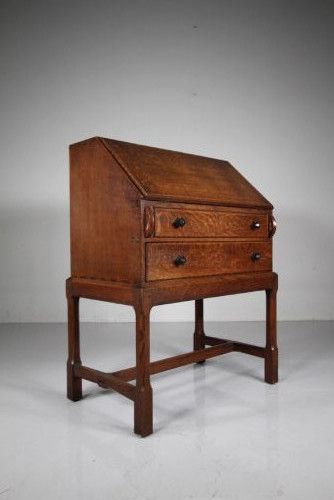
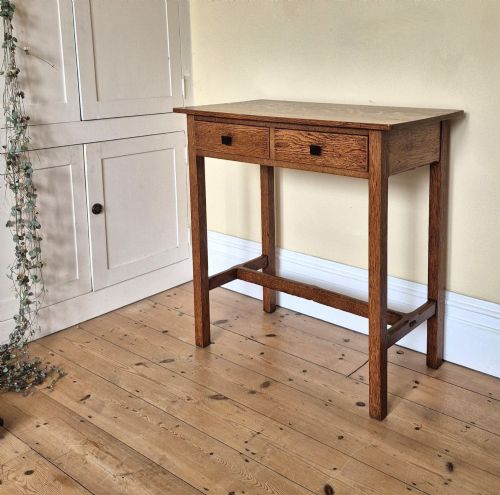
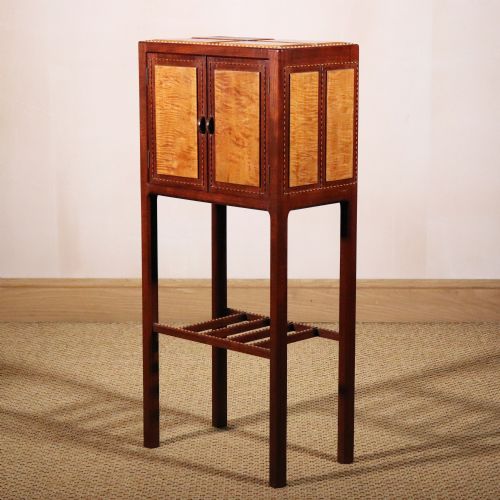
When you search for cotswold school furniture, you encounter practical domestic pieces rooted in the Arts and Crafts tradition. The selection focuses heavily on storage and seating, ranging from sideboards and writing bureaux to open armchairs and single beds.
The majority of pieces date from the 1930s, alongside examples from the 1920s and 1940s. These items often display straightforward construction methods that prioritise utility and tactile timber surfaces over excessive ornament.
How they were made
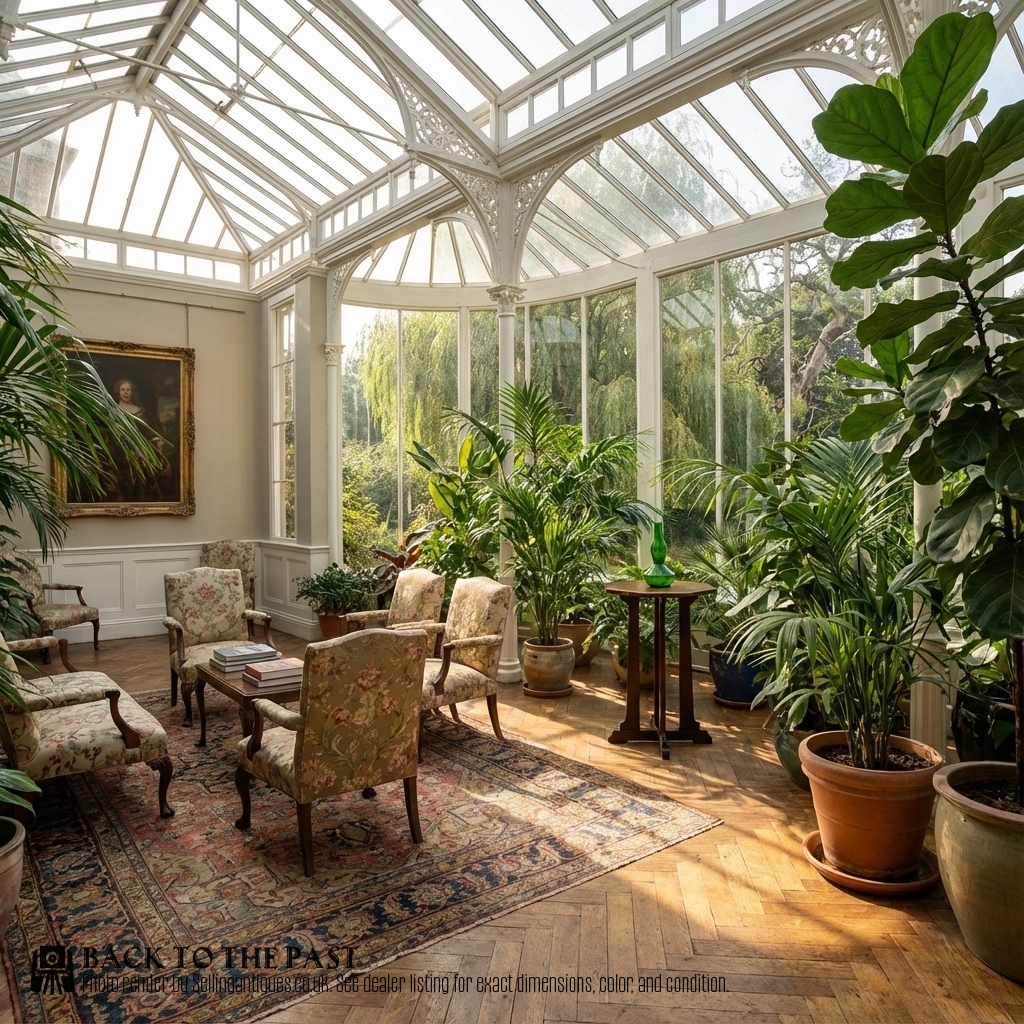
Makers built these pieces using solid timbers such as oak, walnut, fruitwood, and yew wood, supplemented by iron and brass for hardware. Wood selection dictated the character of the item, relying on visible grain rather than applied veneers.
Construction relied on traditional joinery techniques executed by hand or in small workshops. Metal elements like iron and brass served functional roles in hinges, handles, and structural bracing.
Cotswold School Furniture Retail Price Guide 2026
Typical asking prices for cotswold school furniture among the pieces listed under this phrase on Sellingantiques today, from the lower quarter to the upper quarter. They describe what is for sale here now, not the wider market.
The listings span periods from the 19th century through to the 1960s, featuring oak, walnut, fruitwood, and yew wood.
What varies in quality
Quality in these pieces depends upon the clarity of workshop provenance and the integrity of the timber. Maker stamps or direct attribution elevate a piece by confirming its origin within the movement.
The degree of hand-finishing and the selection of figured wood distinguish standard regional output from master workshop production. Better examples maintain crisp joinery and retain their original surface patination.
Oliver Morel·Edward Barnsley·Peter Waals·Stanley Webb Davies·Arthur Reynolds
The Cotswold School Furniture Glossary
- Arts and Crafts
- A design movement advocating handcraftsmanship and simple forms in reaction to machine production. It heavily influenced the development of vernacular workshop furniture.
- Bureau
- A desk featuring a sloping flap that opens to reveal writing surfaces and small compartments. These often incorporate internal pigeonholes and drawers.
- Provenance
- The documented history of ownership or maker attribution for an antique. Stamps and signatures on timber pieces provide the most reliable evidence.
- Patina
- The surface sheen and colour developed by wood over decades of handling and exposure. It indicates age and careful maintenance without harsh stripping.
- Sideboard
- A large low piece of furniture used for storing dining utensils and serving food. They frequently feature deep cupboards and drawers.
Cotswold School Furniture: Frequently Asked Questions
What defines cotswold school furniture?
These pieces originate from a specific design ethos emphasising visible construction, local timbers, and traditional hand joinery. They reject industrial mass production in favour of individual maker integrity.
You will find that items focus on practical domestic use, showing plain surfaces and exposed joints rather than elaborate carved decoration.
How do I spot a maker stamp?
Makers frequently branded or signed their work discreetly on drawer interiors, underneath tabletops, or along the back edges of cabinets. You should inspect these areas carefully in good light.
Finding a clear stamp transforms an anonymous utilitarian item into a documented piece of studio history.
Will oak pieces darken over time?
Solid oak naturally deepens in tone as decades pass, developing a richer honey or bronze hue through exposure to light and air. This ageing process enhances the visible grain of the timber.
Keeping pieces away from direct sunlight prevents uneven fading while allowing the natural darkening to proceed gently.
How do these pieces fit modern rooms?
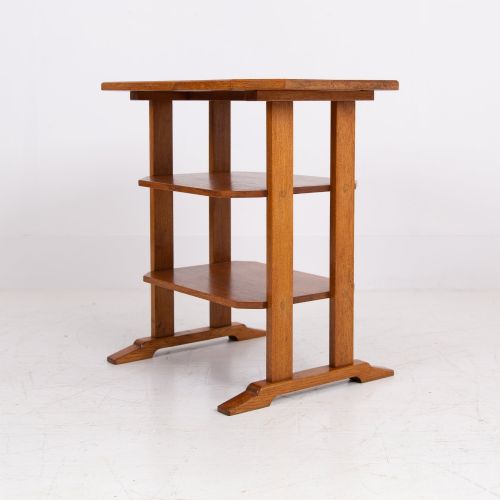
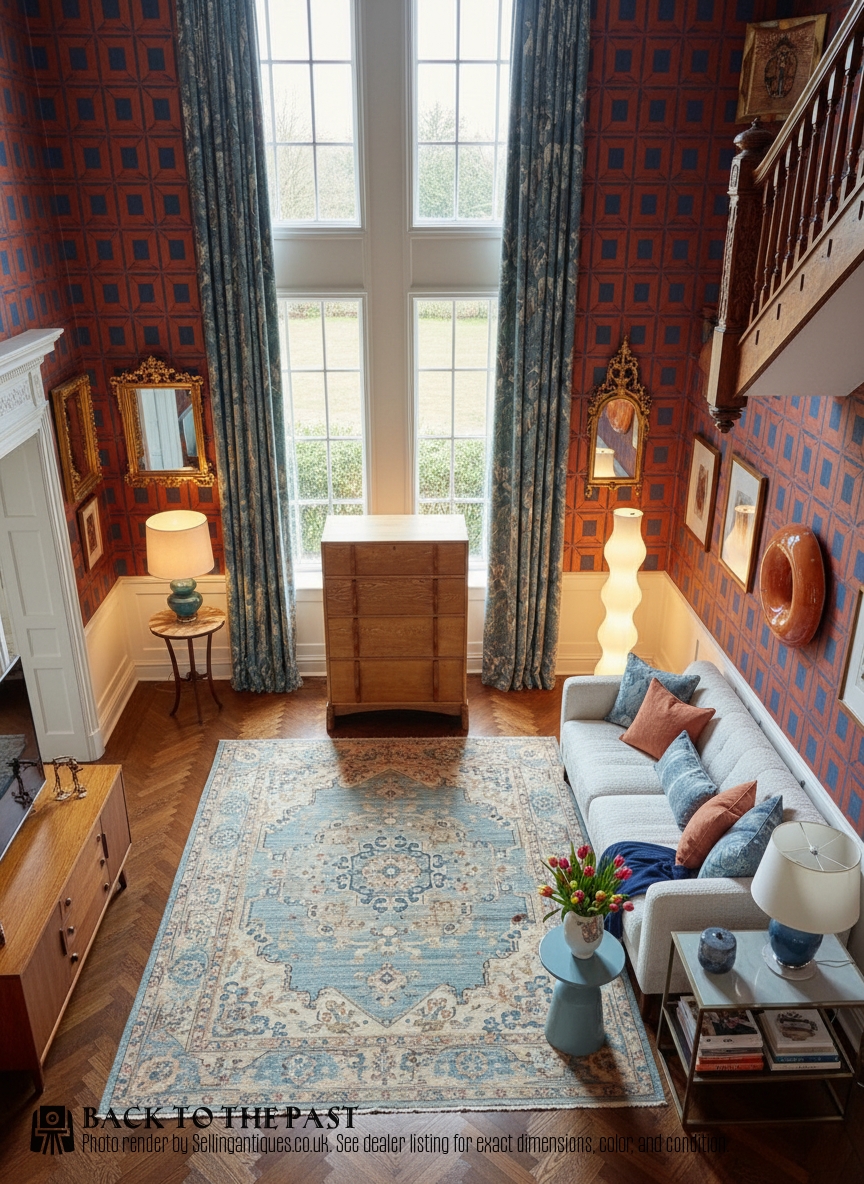
Their restrained proportions and honest materials allow them to sit comfortably alongside contemporary or mid-century interior schemes. A bureau or side table adds warmth without overwhelming a space.
Because they were built for everyday domestic utility, they remain entirely functional for modern storage and daily living.