

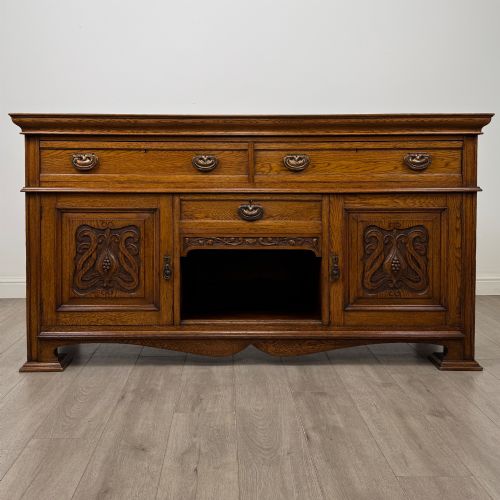
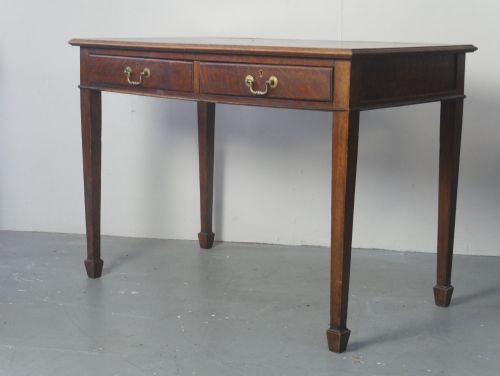
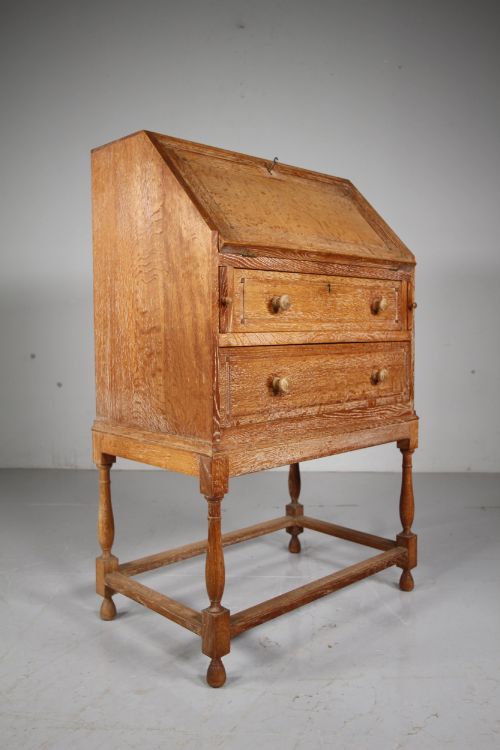
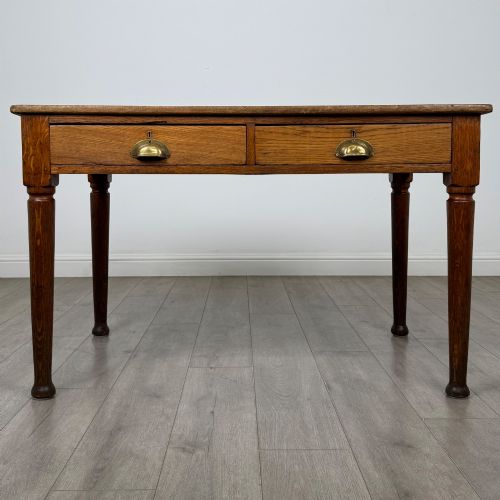
Solid Oak Drawers
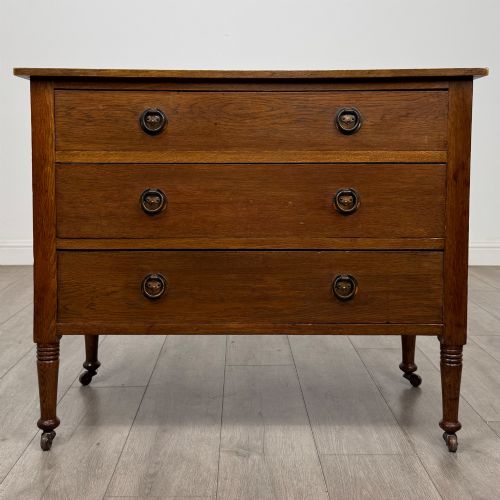
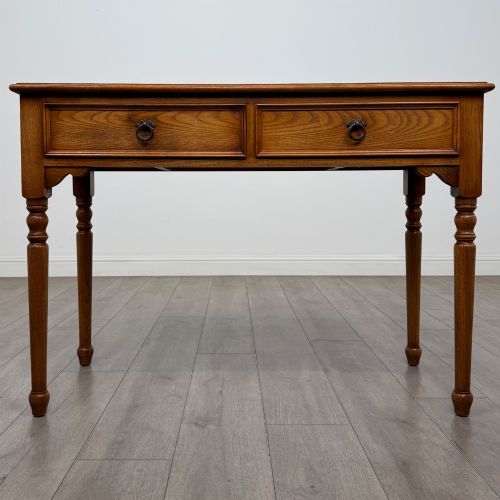
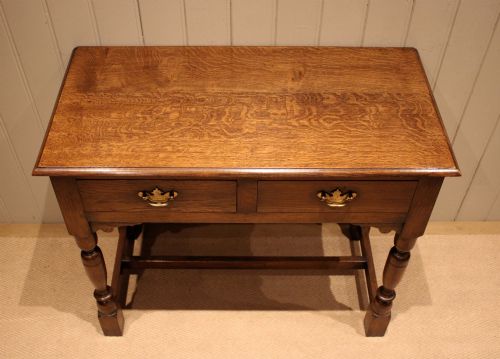
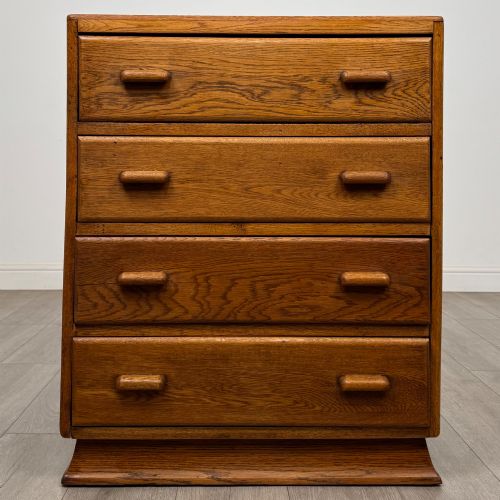
Solid oak drawers bring enduring utility and honest timber grain into a room, offering substantial storage built to last.
Identifying solid oak drawers
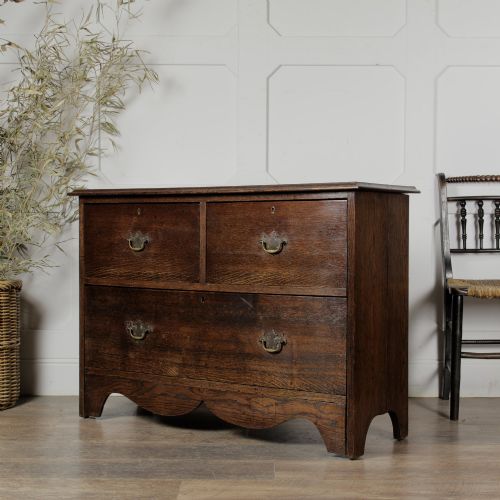
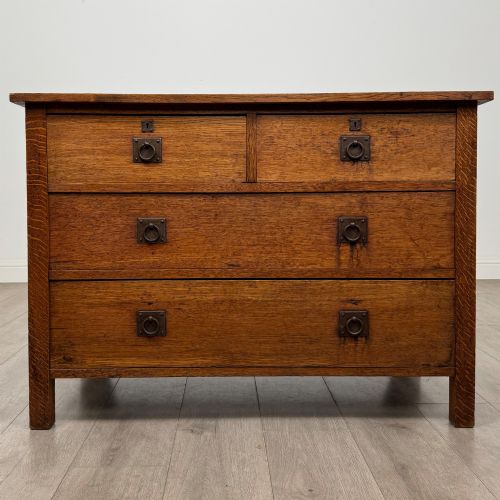
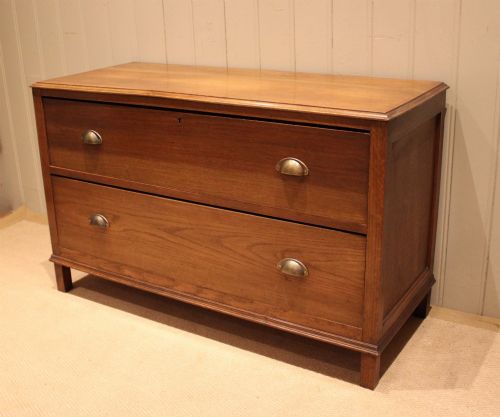
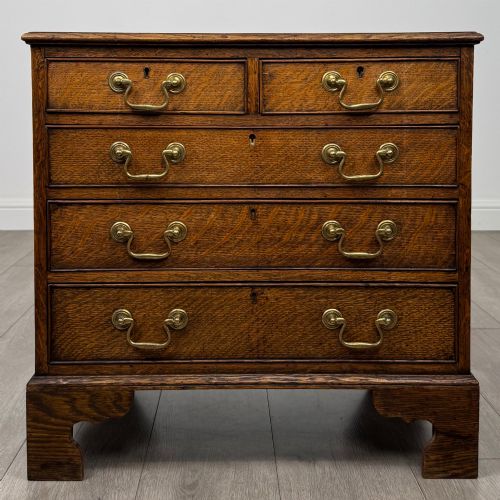
Solid oak drawers appear across several distinct historical periods, spanning from the eighteenth century through the Edwardian era and into the 1930s. The pieces on this page are chest of drawers configurations, including low, tall, narrow, and large formats.
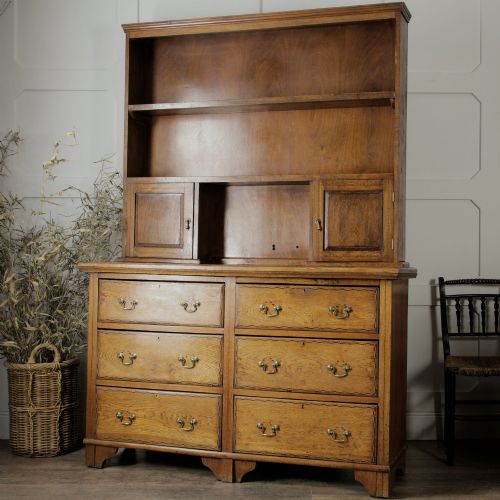
The English country and Arts and Crafts movements dominate the style descriptions, alongside Edwardian, Art Nouveau, and Art Deco interpretations. Buyers encounter standard chests of three or five drawers, alongside specialised forms such as bank of drawers, plan chests, and dressers.
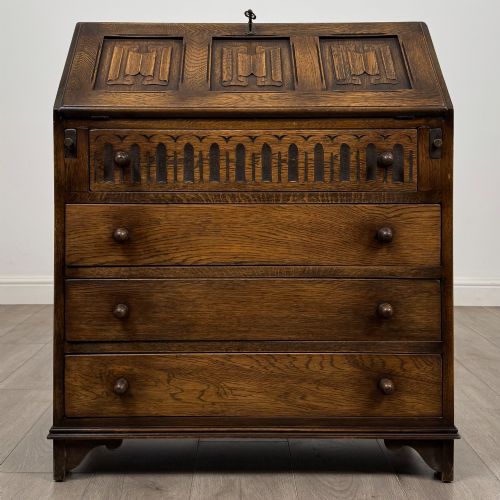
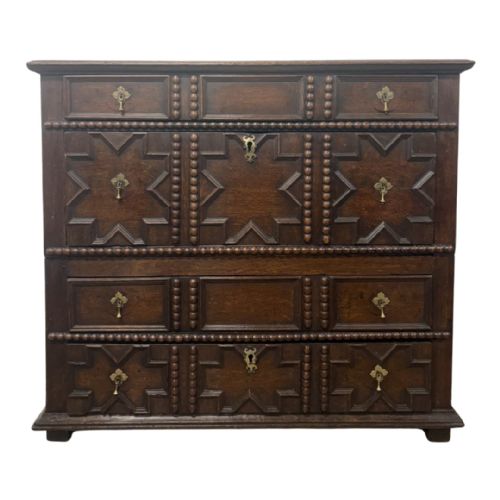
Origins stretch across English workshops, Cotswold school studios, and French makers, showing considerable variety in regional design. Pieces range from plain utility builds to detailed Jacobean styles and serpentine fronts.
Variations in standard
The distinction between standard utility items and finer regional or school pieces rests in the ambition of the design and the selection of the timber. Workshop attribution, such as Cotswold school output, elevates a piece above standard domestic furniture.
Hardware choices and finishing details define the character of individual items. Pieces retaining original swan neck handles or specific period brasses display a higher degree of preservation.
Retail Price Guide 2026
Typical UK retail prices for solid oak drawers, calculated from the Sellingantiques database of over a million retail prices indexed since 2003. This retail price guide relies exclusively on Sellingantiques data; no external sources or auction records are used, so the figures do not describe the wider market.
Some chests arrive ready to wax or paint, offering an invitation to pick up a brush and make the timber your own.
Peter Waals·Harris Lebus
The Solid Oak Drawers Glossary
- Arts & Crafts
- A design movement prioritising traditional craftsmanship and simple forms over mass production. Pieces from this tradition often emphasise honest construction and visible timber grain.
- Cotswold School
- A twentieth-century regional design grouping associated with handmade furniture and honest structural principles. Peter Waals represents this tradition in the archive.
- Bank of drawers
- A configuration featuring multiple smaller compartments arranged in a wide or tall formation. These pieces originate from offices, workshops, or domestic storerooms.
- Tambour front
- A sliding shutter constructed from narrow strips of wood glued to a flexible canvas backing. This mechanism conceals interior filing compartments or bureau fittings.
- Limed oak
- A finish achieved by applying a white or pale pigment to the grain of oak timber. This treatment lightens the appearance while highlighting the natural texture.
Frequently Asked Questions
How do I date solid oak drawers?
Dating relies on observing handle styles, construction methods, and overall proportions relative to known periods like the Georgian era or the Arts and Crafts movement.
Secondary indicators include timber preparation marks and backboard construction, which change across the eighteenth, nineteenth, and twentieth centuries.
Where should I place a heavy oak chest?
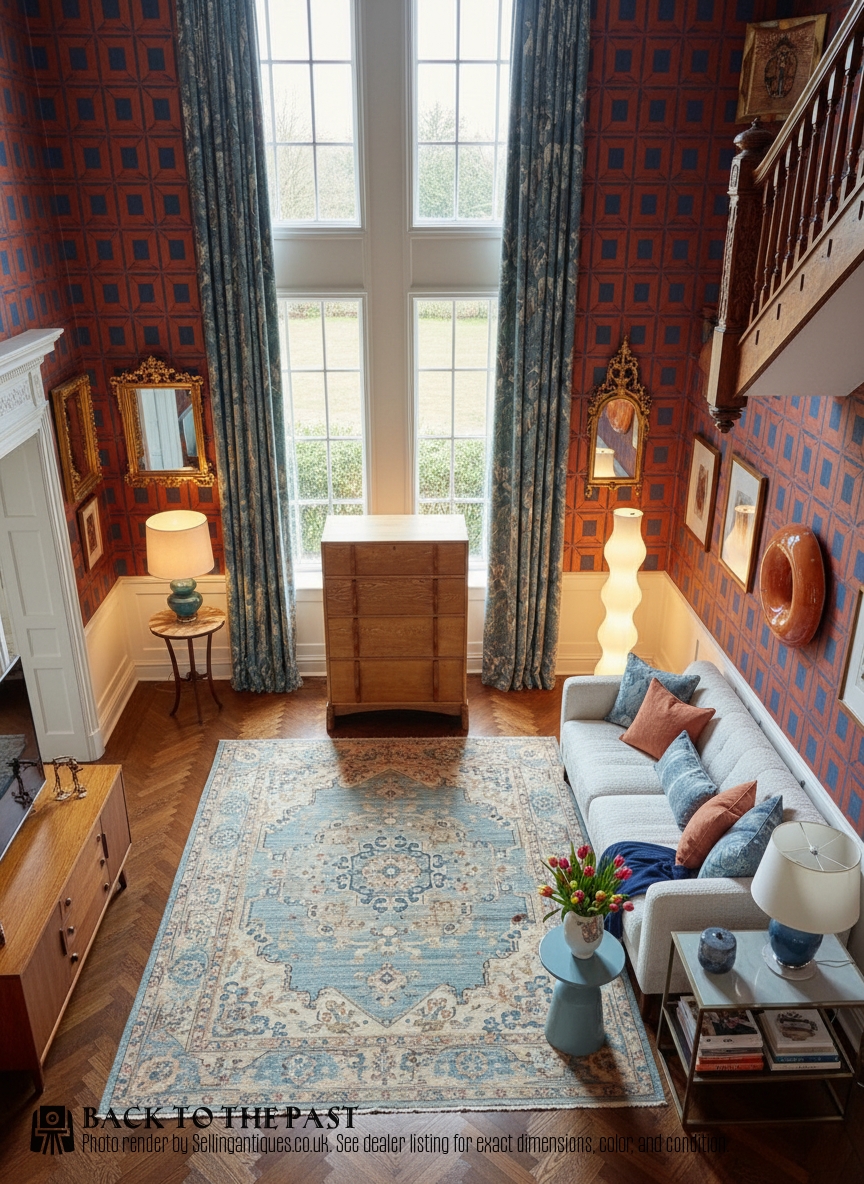
These robust pieces suit bedrooms, living spaces, and hallways where substantial timber furniture anchors the room. Their weight requires stable flooring and adequate clearance for drawer extension.
Keep solid oak away from direct heat sources and strong sunlight to prevent timber movement or surface drying.
Are these drawers suitable for daily use?
Solid construction makes these chests exceptionally durable for everyday storage needs. The dense nature of oak handles regular opening and closing without structural compromise.
Periodic wax maintenance helps preserve the timber surface against everyday wear.
What is an oak plan chest?
Plan chests consist of very wide, shallow drawers originally designed for architectural drawings, maps, or large documents. In modern settings, they serve diverse storage roles for flat items or textiles.
Their substantial footprint and bank format distinguish them from standard bedroom chests.