
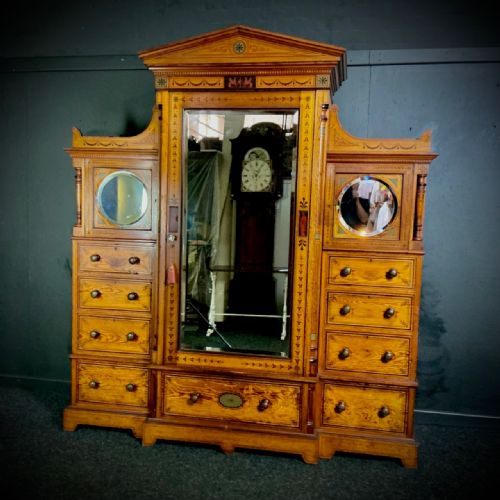
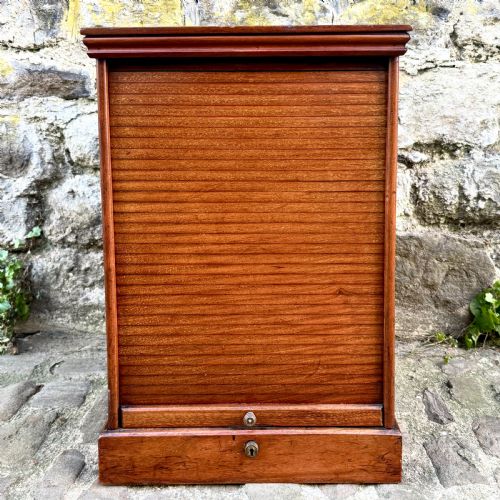
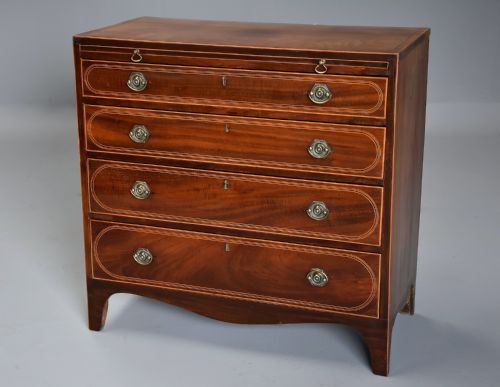
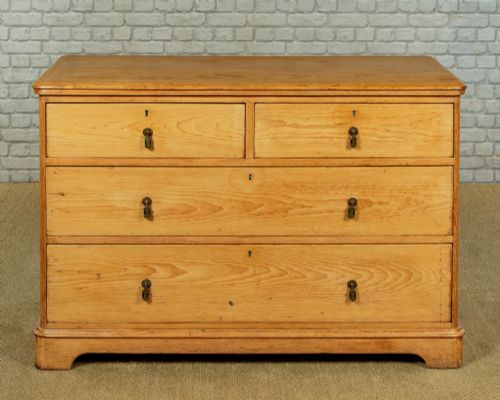
Late Victorian Chest Drawers
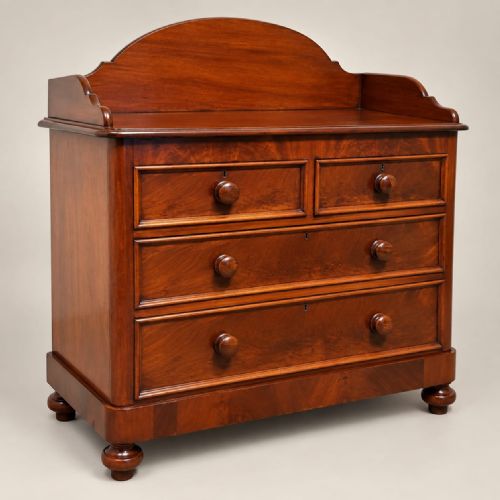
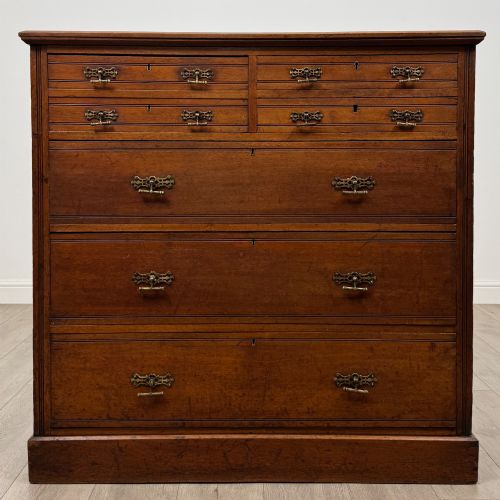
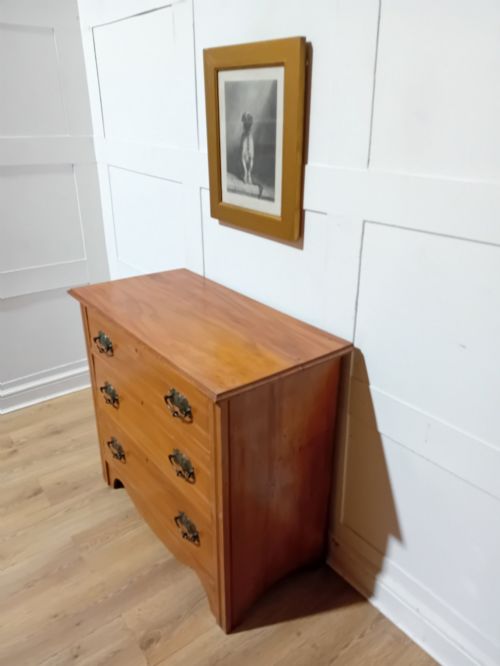
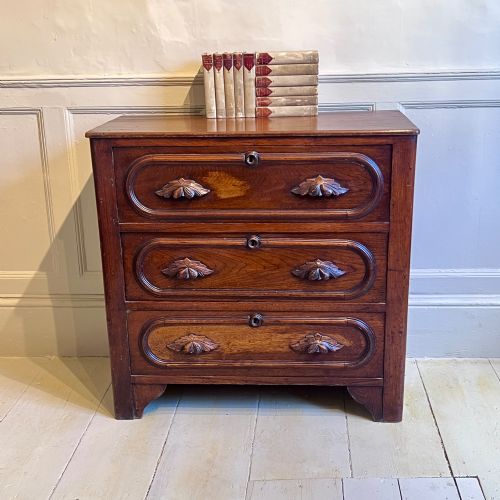
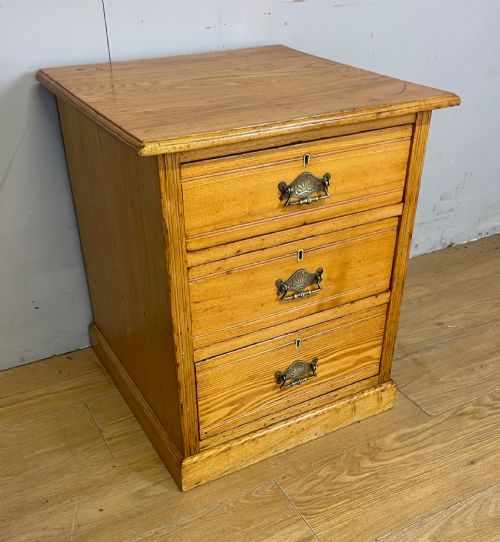
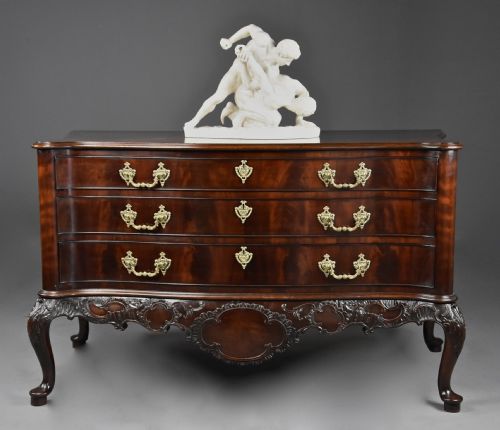
A late victorian chest drawers provides sturdy domestic storage built from dense timbers like mahogany and walnut during the final decades of the nineteenth century.

Late Victorian Chest Drawers
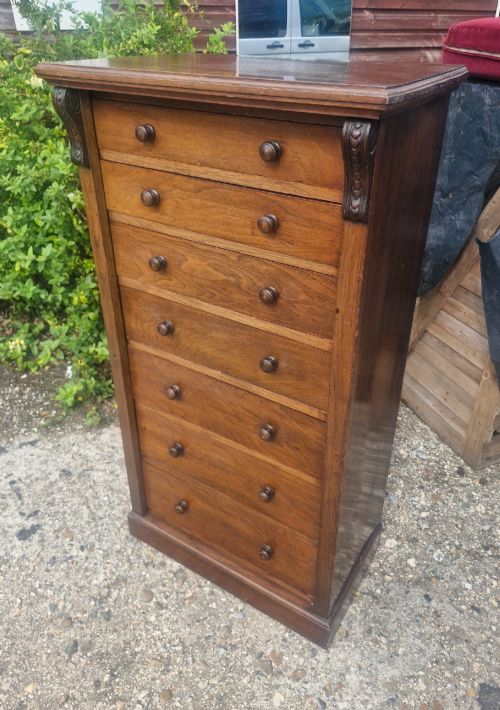
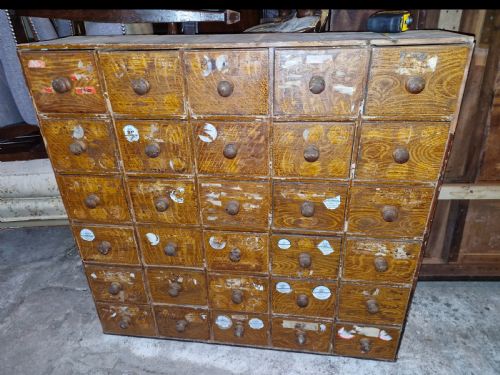
When you search for a late victorian chest drawers, you encounter utilitarian and decorative bedroom furniture manufactured primarily between eighteen eighty and nineteen hundred. These pieces range from narrow Wellington chests and bedside lockers to large mahogany or pine drawer units designed to hold clothing and household linens.
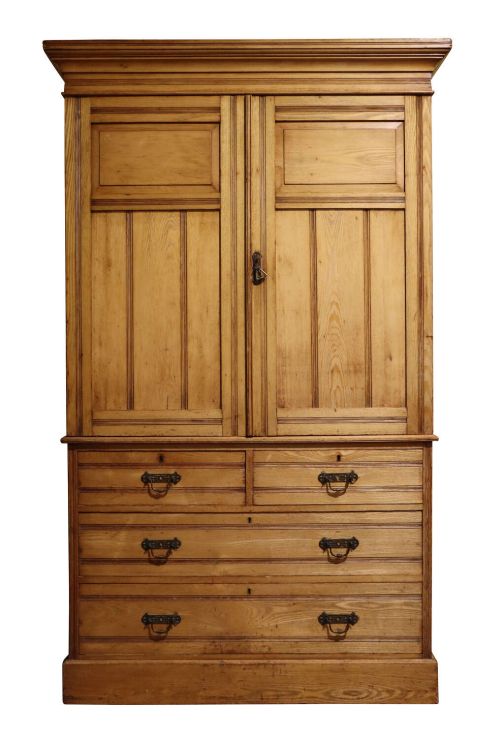
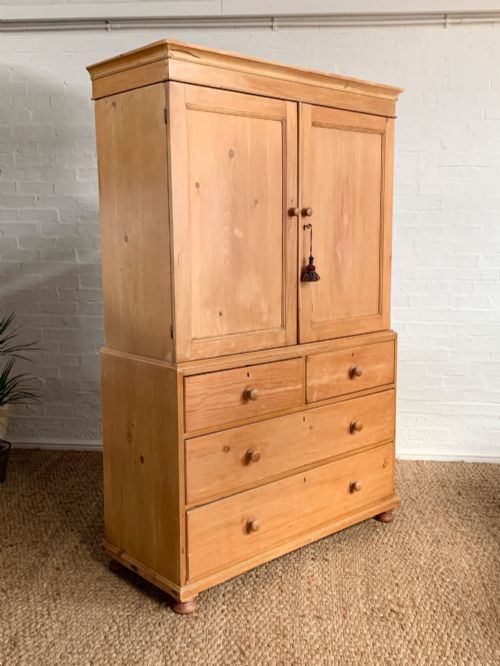
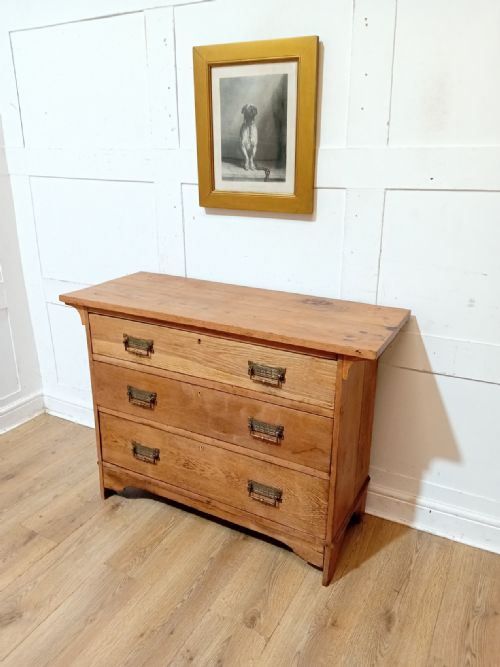
The versions most commonly met on this page combine traditional drawer arrangements with revival styles or utilitarian pine construction. Cabinetmakers working in this era produced both high-end showroom pieces in burr walnut and robust workshop items in stripped or painted deal.
Materials and Construction
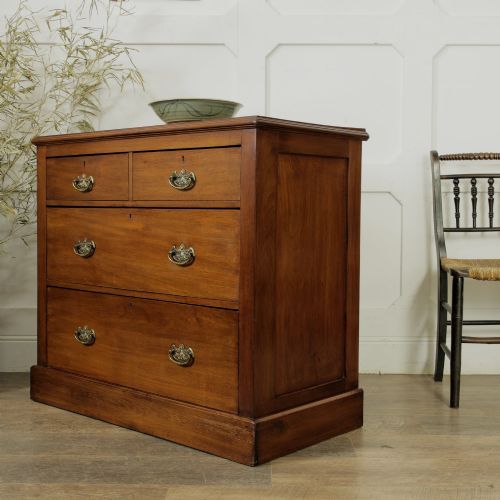
Makers utilised solid native and imported timbers, pairing mahogany, walnut, and ash carcases with secondary pine for drawer linings and internal framing. Brass hardware, including drop handles and escutcheons, complemented inlaid satinwood and decorative veneers.
Joinery techniques relied on dovetailed drawer construction and substantial framing to support heavy loads of linen and clothing. Many workshops incorporated proprietary brass locks from makers like Hobbs to secure the contents.
Listings feature pine, mahogany, walnut, and satinwood across Victorian, Edwardian, and Arts and Crafts styles.
Standards of Craftsmanship
The grade of timber selection dictates much of the distinction between standard domestic items and high-end cabinet work. Figured veneers such as burr walnut and bird's eye maple appear on bespoke commissions, whereas utility pieces utilise plain deal or straightforward mahogany.
Hardware specification and internal secondary woods also separate workshops. Solid brass fittings, finely cut dovetails, and panelled drawer bottoms indicate higher workshop standards than mass-produced pine carcases.
Maple & Co·Jas Shoolbred·Harris Lebus·Druce & Co
The Late Victorian Chest Drawers Glossary
- Wellington chest
- A tall, narrow chest of drawers secured by a hinged vertical locking bar on one side. This bar is typically held in place by a small padlock or key lock.
- Commode
- A low cabinet or chest of drawers designed for bedroom use. In nineteenth-century pieces, this term often describes a decorative serpentine or bow-fronted chest.
- Dovetail
- A traditional interlocking joint used to secure drawer corners. Fine, closely spaced pins indicate skilled manual woodworking.
- Aesthetic movement
- A late nineteenth-century design style emphasising simplicity, Japanese influence, and ebonised or natural wood surfaces. Pieces from this movement often avoid heavy Victorian ornamentation in favour of clean geometric lines.
Late Victorian Chest Drawers: Frequently Asked Questions
How do I identify a late Victorian chest?
Examine the timber choices, construction methods, and hardware styles typical of the late nineteenth century. Many pieces feature machine-sawn secondary woods combined with hand-cut dovetails.
Look for diagnostic period details such as Aesthetic Movement inlays, brass drop handles, and manufacturer stamps on drawer linings or locks.
What wood was used for these chests?
Makers constructed these cabinets from a wide variety of hardwoods and softwoods depending on the intended market. Mahogany, walnut, and ash provided sturdy surfaces for formal bedrooms.
Pine and satin walnut served as primary materials for simpler domestic storage units and painted chamber furniture.
Are these chests suitable for modern bedrooms?
These pieces provide deep, functional drawer space that accommodates contemporary clothing storage needs. Their solid timber construction handles daily use reliably.
Proportions vary from compact bedside lockers to tall narrow chests, allowing them to fit into bedrooms of different floor areas.
What is a Wellington chest?
A Wellington chest is a tall, slender drawer unit characterised by a hinged locking stile on the right side. This vertical wooden flap fastens over the drawer edges to secure the entire stack.
Originating earlier in the nineteenth century, these cabinets remained popular for holding papers, linen, or small garments.