
Bedroom Chest of Drawers
A bedroom chest of drawers provides essential bedside and dressing storage in timber forms ranging from compact Victorian mahogany to expansive Georgian designs.
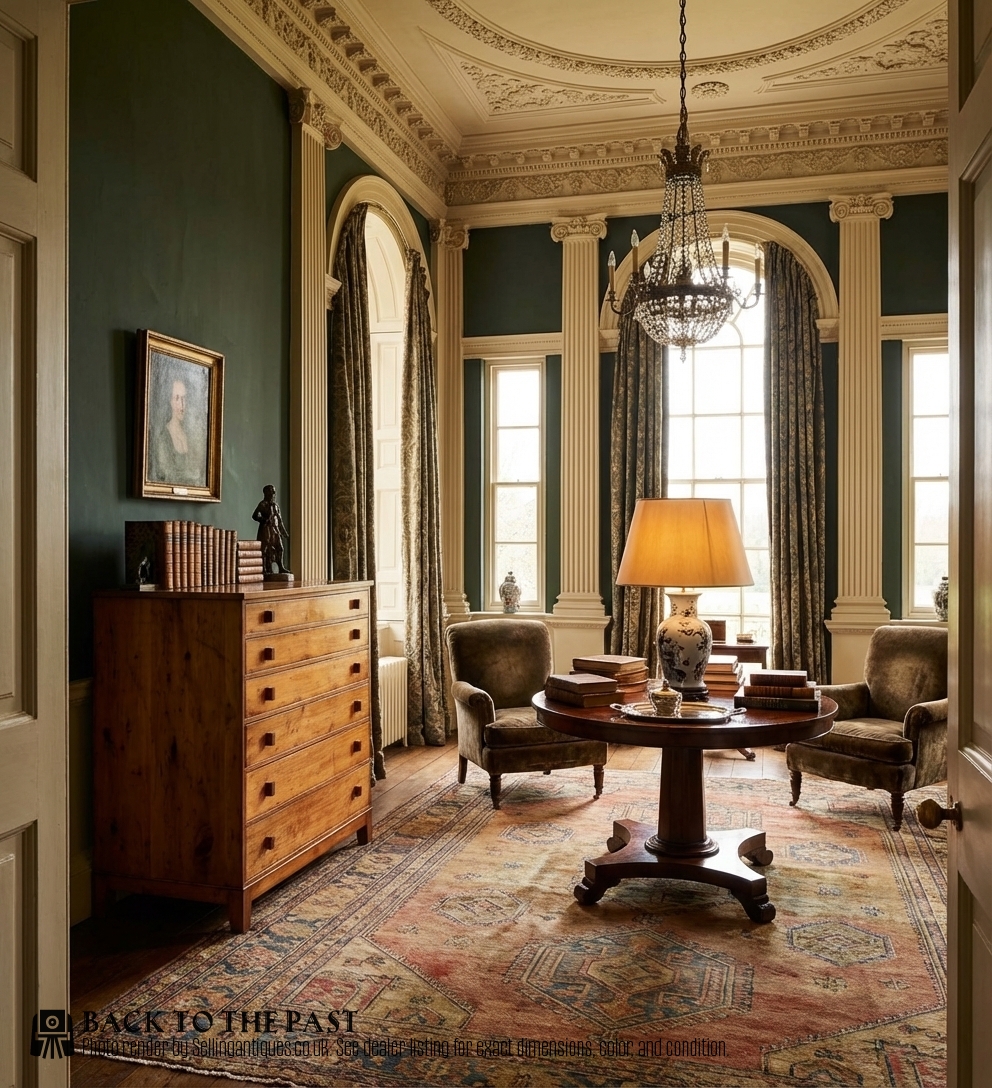
Forms and Origins
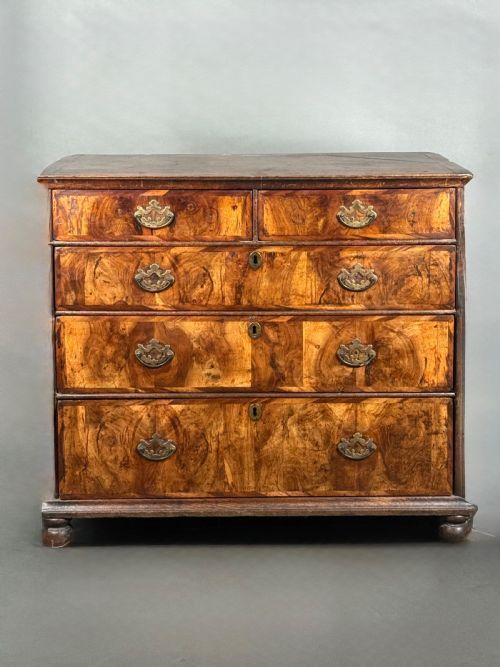
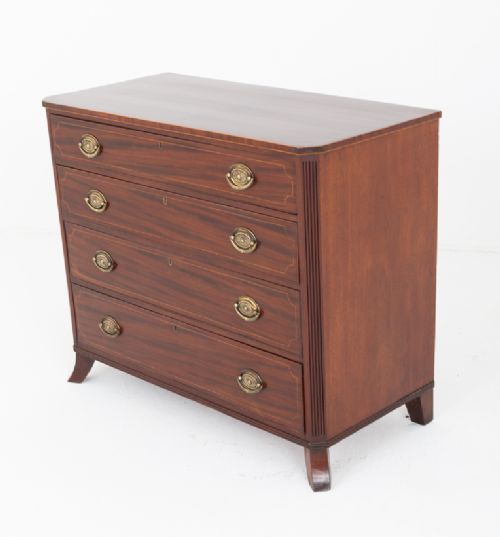
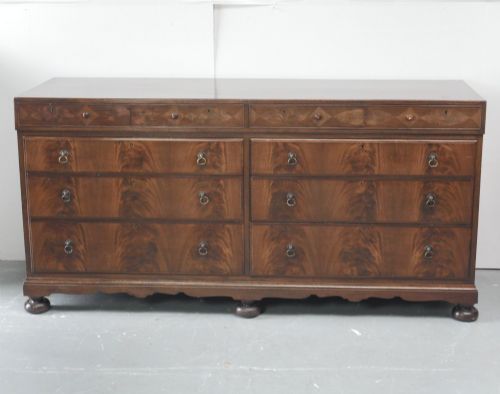
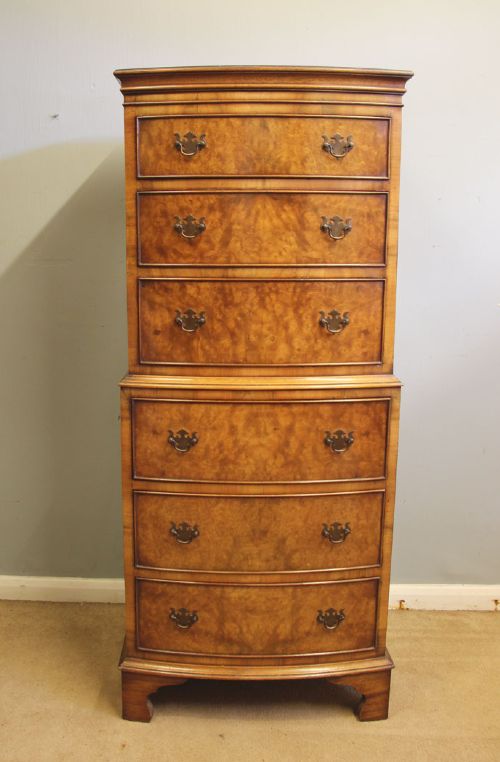
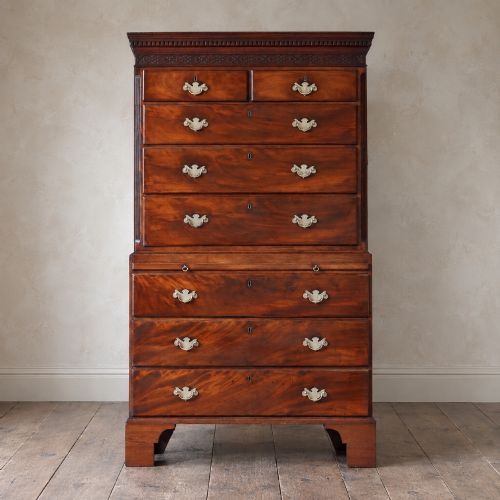
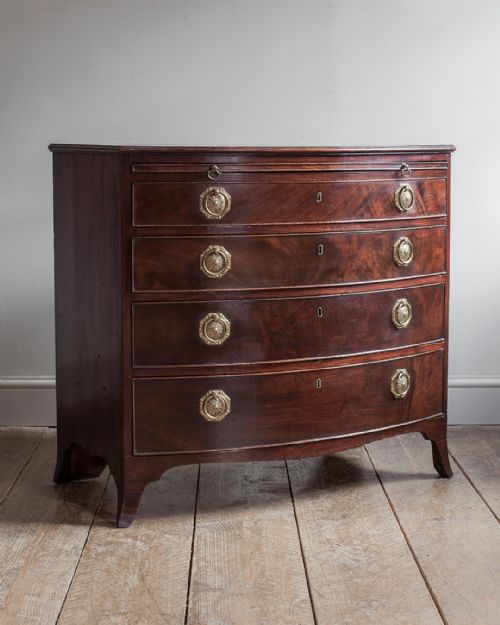
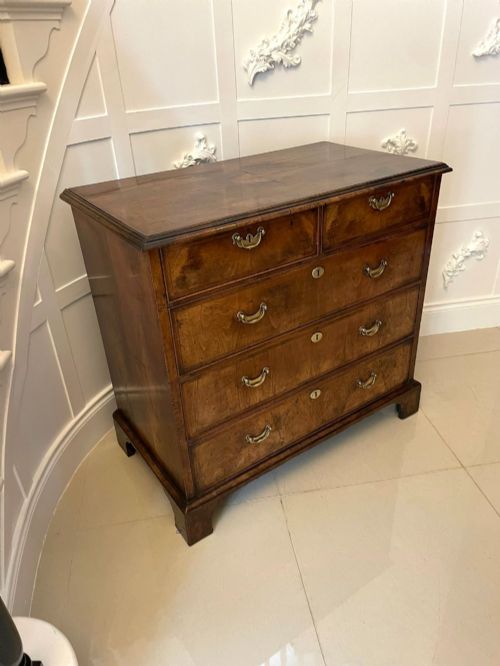
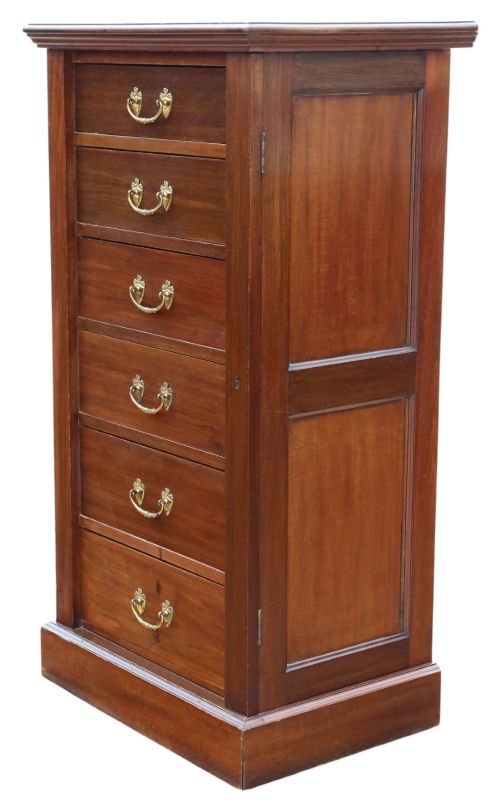
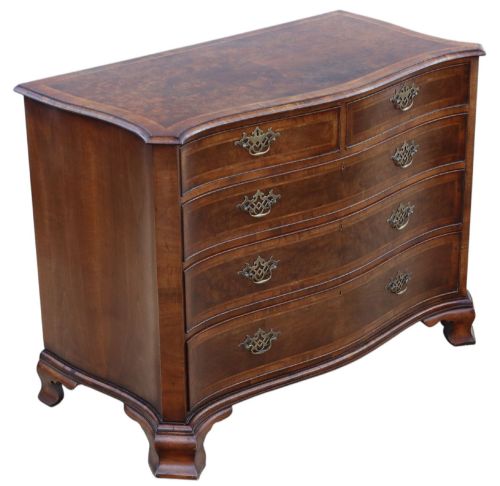
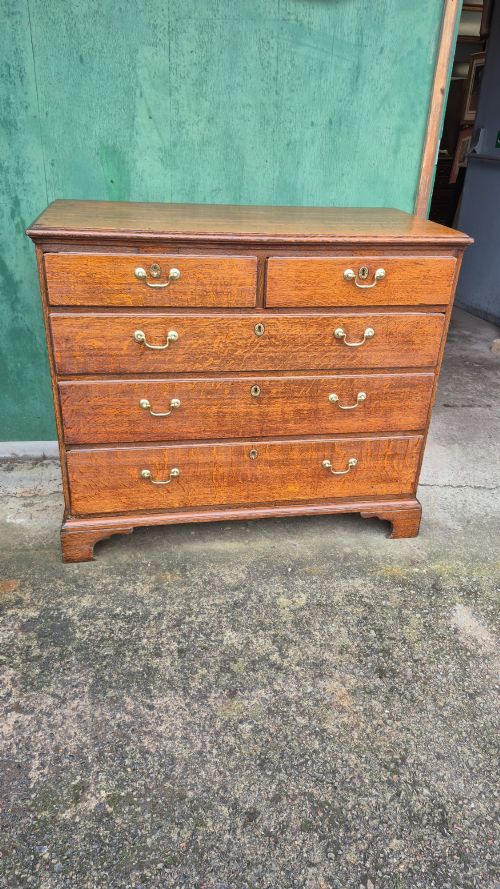
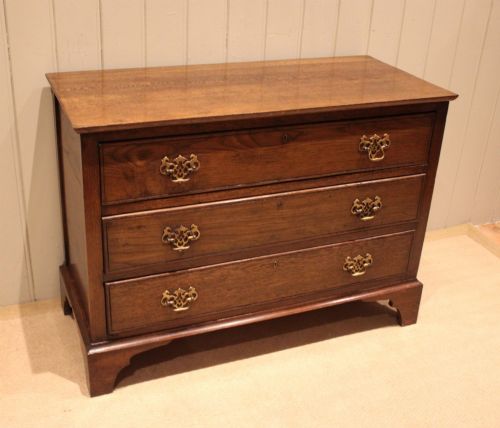
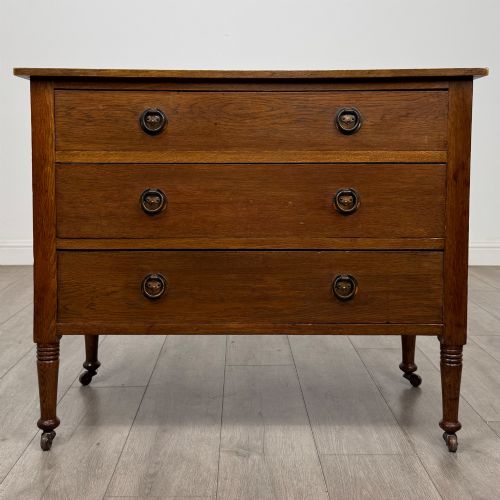
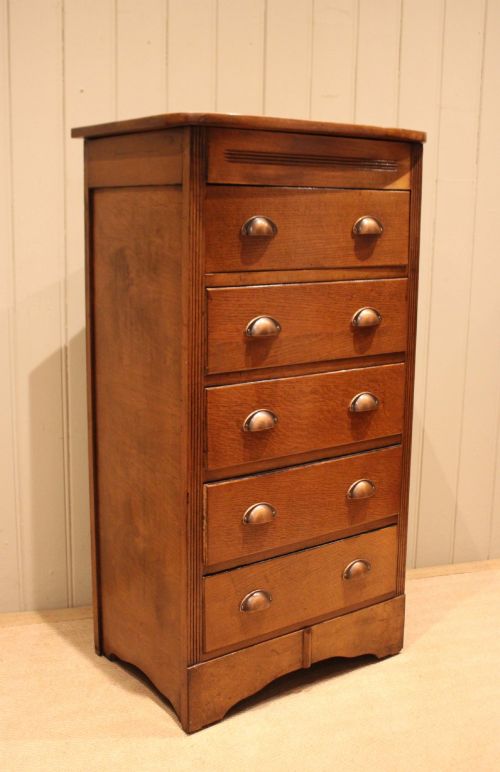
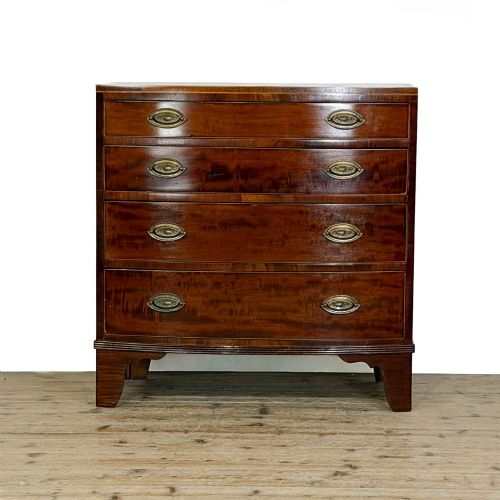
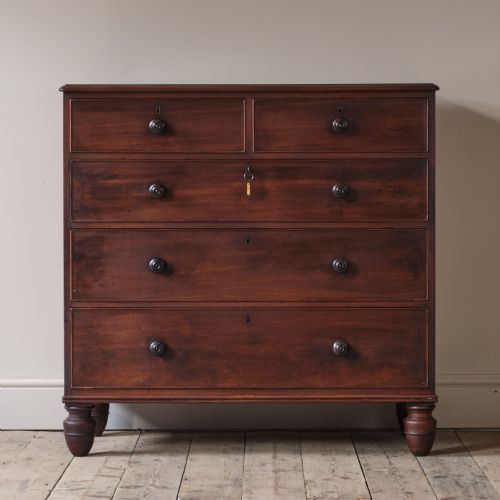
A bedroom chest of drawers serves as a primary storage piece, appearing in forms such as standard chests, bowfront commodes, tallboys, bachelors chests, and compactums. The version most commonly met on this page is the English mahogany or walnut chest, alongside regional variants in oak, pine, yew wood, and burr walnut.
The historical span extends from seventeenth-century country house furniture through Georgian, Victorian, Edwardian, and Art Deco periods, encompassing both standalone pieces and matching components from larger bedroom suites.
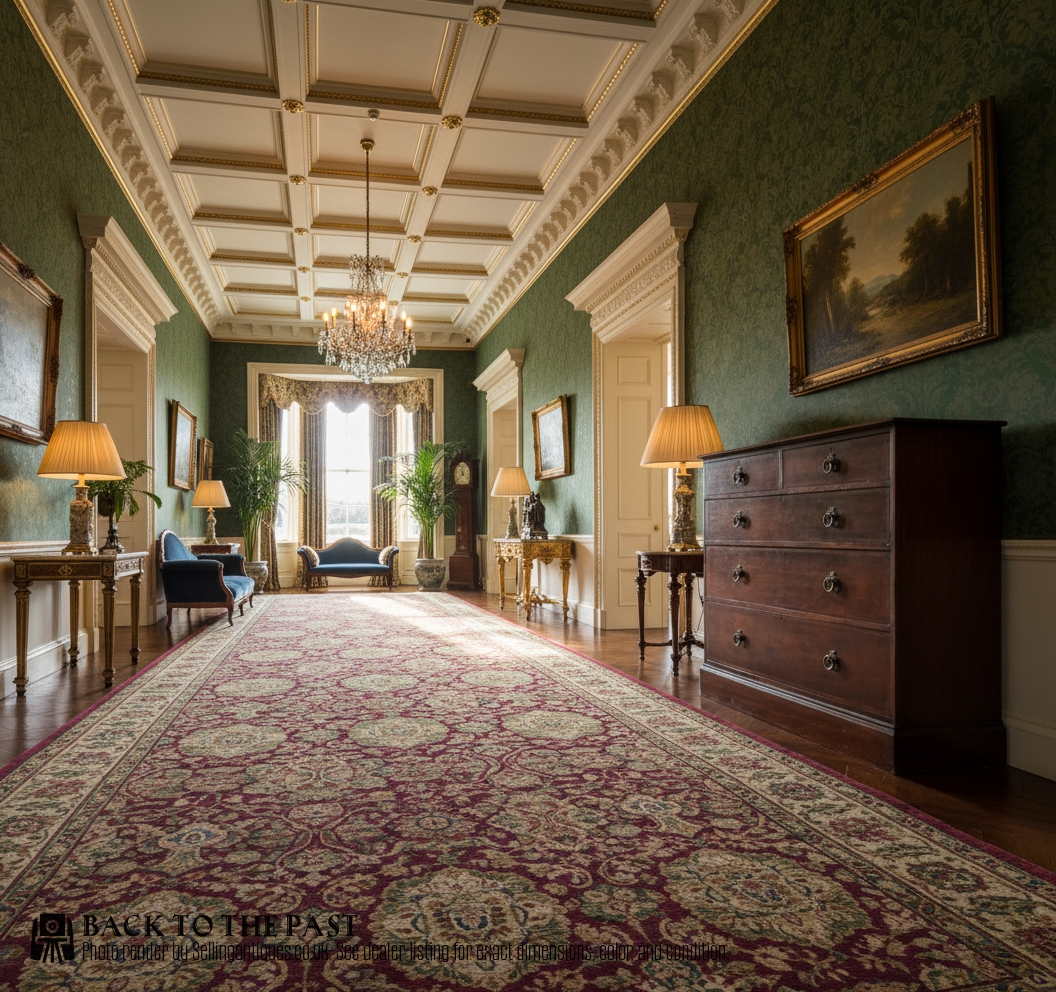
Materials and Construction
Cabinetmakers utilised hardwoods such as mahogany, oak, walnut, and solid yew wood, often employing decorative veneers like flame mahogany, burr walnut, satinwood, and Macassar ebony. Secondary timbers include pine, while hardware frequently incorporates brass fittings and handles.
Specialised iterations integrate functional elements such as writing slides, baize-lined surfaces, marble tops, and fitted compartments, constructed using period joinery techniques across English, French, and Biedermeier traditions.
Retail Price Guide 2026
Typical UK retail prices for bedroom chest of drawers, calculated from the Sellingantiques database of over a million retail prices indexed since 2003. This retail price guide relies exclusively on Sellingantiques data; no external sources or auction records are used, so the figures do not describe the wider market.
Early craftsmen ensured gentlemen could write letters from bed without spilling ink by including pull-out slides.
Craftsmanship and Proportion
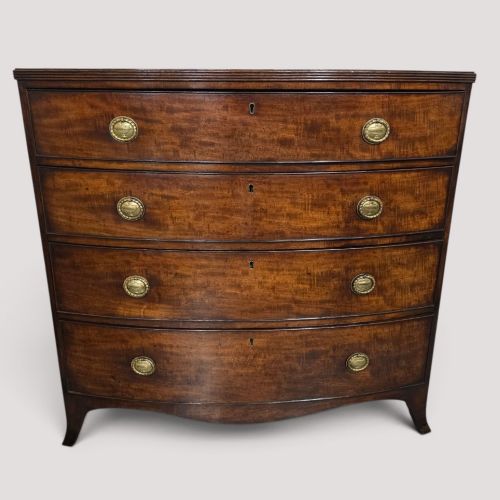
Superior examples demonstrate refined proportions, particularly in serpentine and bowfront profiles, where the curvature of the drawer fronts requires exact carpentry. The choice of timber grain, from figured walnut to flame mahogany, dictates the visual impact of the facade.
Attribution to documented workshops, such as Gillows, or adherence to recognised design styles like those of Edward Barnsley and the Arts and Crafts movement, elevates the standing of a piece through verified execution.
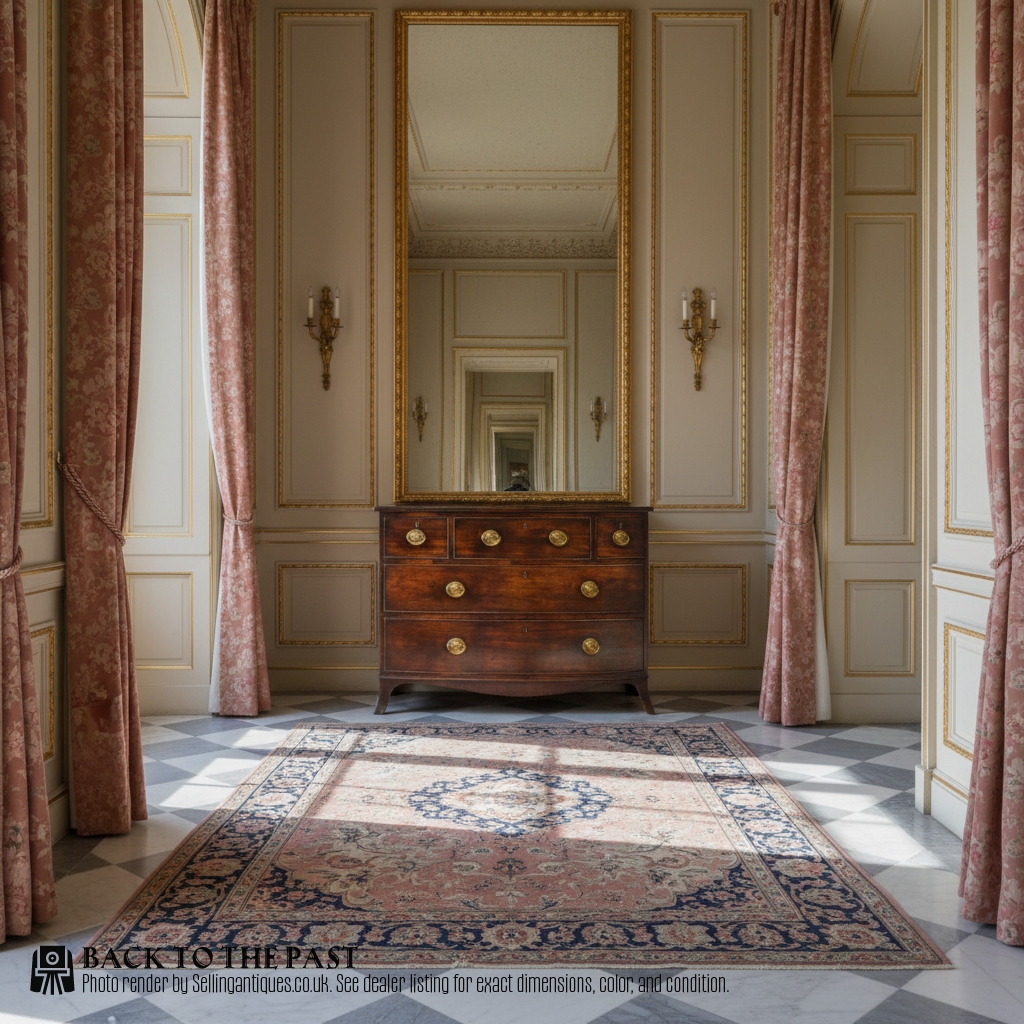
Gillows·Edward Barnsley·Ruhlmann
The Bedroom Chest of Drawers Glossary
- Bowfront
- A convex, curved cabinet front popular during the Georgian and later periods. This shape softens the profile of standard storage furniture.
- Tallboy
- A tall chest of drawers, often constructed in two stacked sections to maximise vertical storage. These pieces frequently date from the eighteenth and nineteenth centuries.
- Commode
- A low chest of drawers or cabinet, often featuring a marble top in French examples. The term originates from the French for convenient.
- Bachelors chest
- A compact chest of drawers equipped with a pull-out writing slide above the primary drawers. This form combines writing and storage functions.
- Writing slide
- A pull-out board integrated into the upper section of a chest for correspondence. It slides back into the carcase when not in use.
Frequently Asked Questions
How do I date a chest of drawers?
Dating relies on timber selection, construction methods, and hardware styles across periods from the seventeenth century to the Art Deco era. Secondary woods and dovetailing techniques provide key physical evidence.
Comparing the profile, such as a Georgian bowfront versus a Victorian rectangular carcase, further clarifies the period of manufacture.
What is a bachelors chest?
A bachelors chest is a smaller form of bedroom storage that includes a pull-out shelf for writing. These pieces date predominantly to the Georgian period.
The integrated slide sits directly above the top drawers, offering a surface without requiring a separate desk.
Are marble top chests French?
Many marble top chests originate from France, particularly associated with Louis Philippe, Biedermeier, and Empire styles. The stone surface provided a durable, decorative finish.
English makers occasionally adopted similar treatments, though timber tops remain standard for domestic production.
How do tallboys differ from standard chests?
Tallboys are built higher, often in two separate sections stacked one upon the other to create greater vertical capacity. They accommodate more storage without increasing floor footprint.
This vertical format appeared frequently in Georgian and Victorian country house settings.