
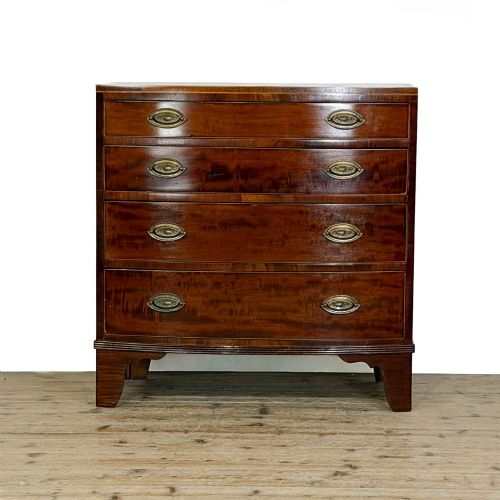
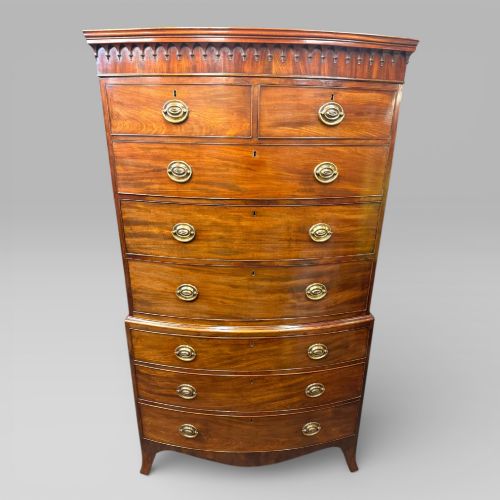


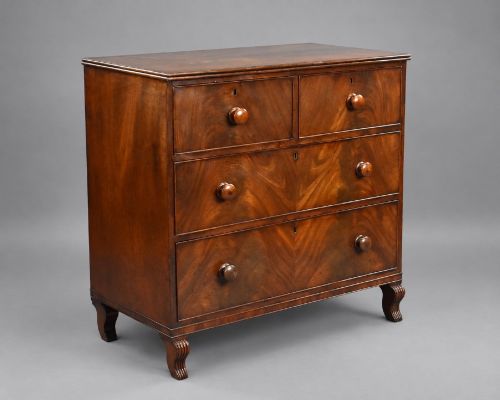
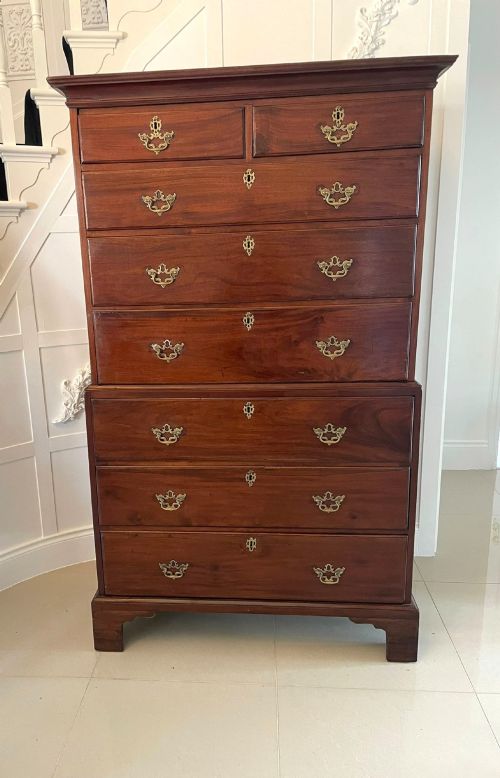
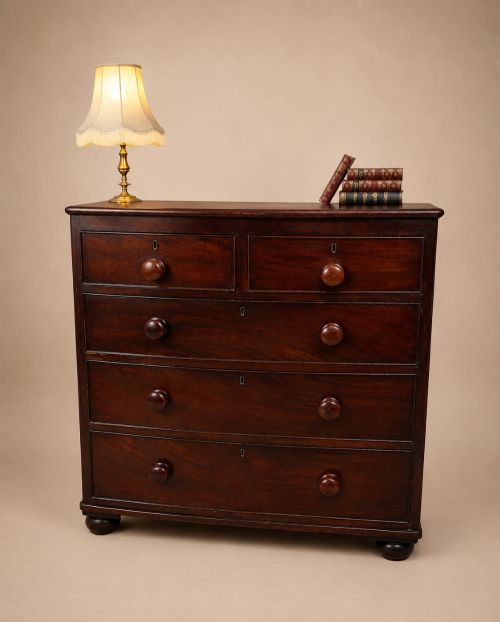
Traditional Mahogany Tallboy
A traditional mahogany tallboy brings stately presence and deep storage to a room, offering upright proportions that house many drawers without claiming too much floor space.

Materials and Construction
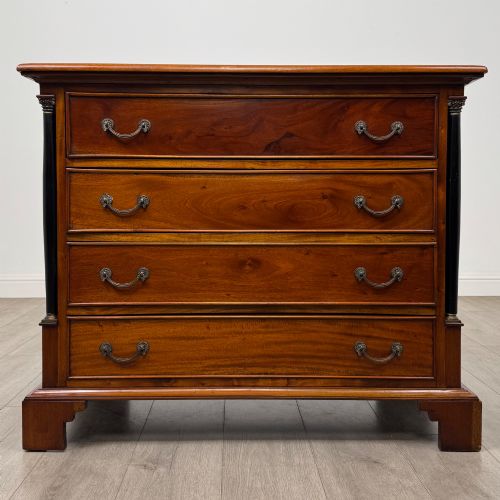
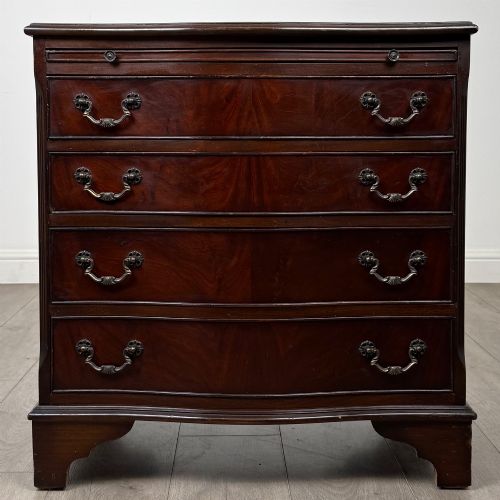
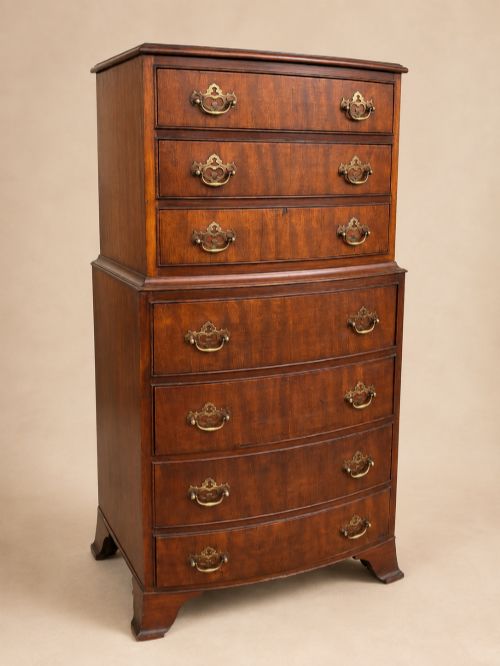
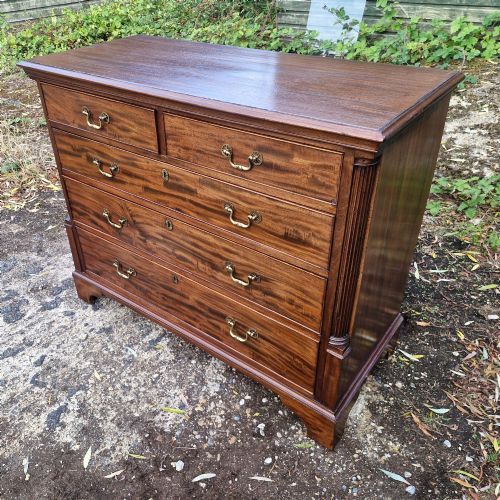
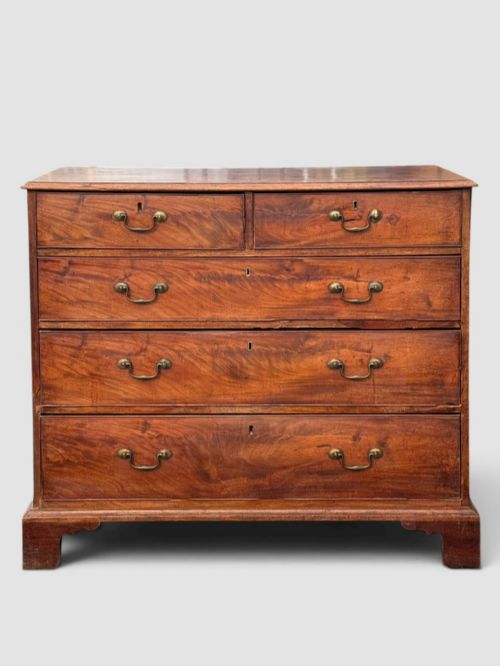
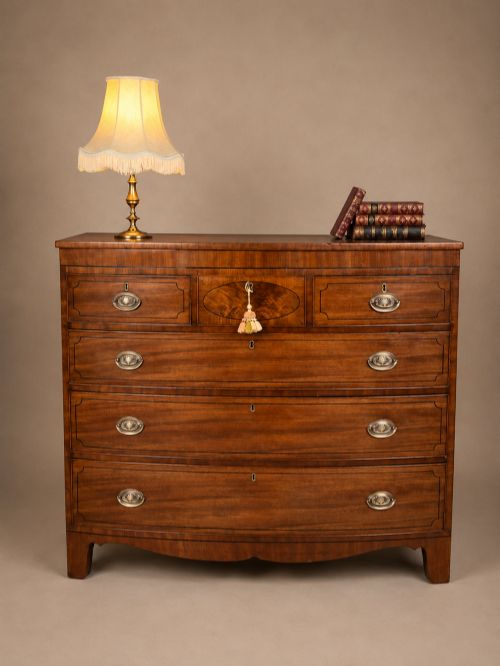
Cabinetmakers built these tall forms using solid timber frameworks paired with flame mahogany veneer to create rich, figured grain patterns on drawer fronts. Secondary woods such as pine appear inside drawer linings and internal carcases.
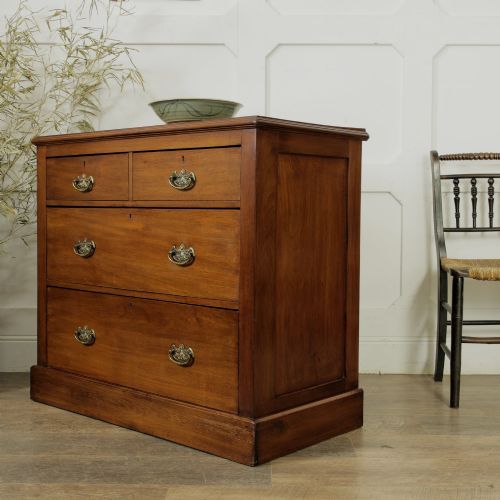
Metalwork played a functional and decorative role, with brass handles and escutcheons fitted to secure drawer fronts. Construction techniques relied on tight dovetail joints for drawers and robust carcase assembly to support the weight of multiple stacked sections.

Measures of Quality
Quality rests heavily on the selection of timber veneers and the crispness of the cabinetwork. Pieces utilising highly figured flame mahogany display superior visual depth compared to plain wood surfaces.
Proportion and structural integrity distinguish finer examples from standard production. The alignment of drawer tiers, the neatness of dovetail joints, and the retention of original brass hardware define the upper tiers of craftsmanship.
Traditional Mahogany Tallboy Retail Price Guide 2026
Typical asking prices for traditional mahogany tallboy among the pieces listed under this phrase on Sellingantiques today, from the lower quarter to the upper quarter. They describe what is for sale here now, not the wider market.
The selection spans pieces from the eighteenth century through the Edwardian period, incorporating flame mahogany veneer, brass hardware, and pine internal structures.
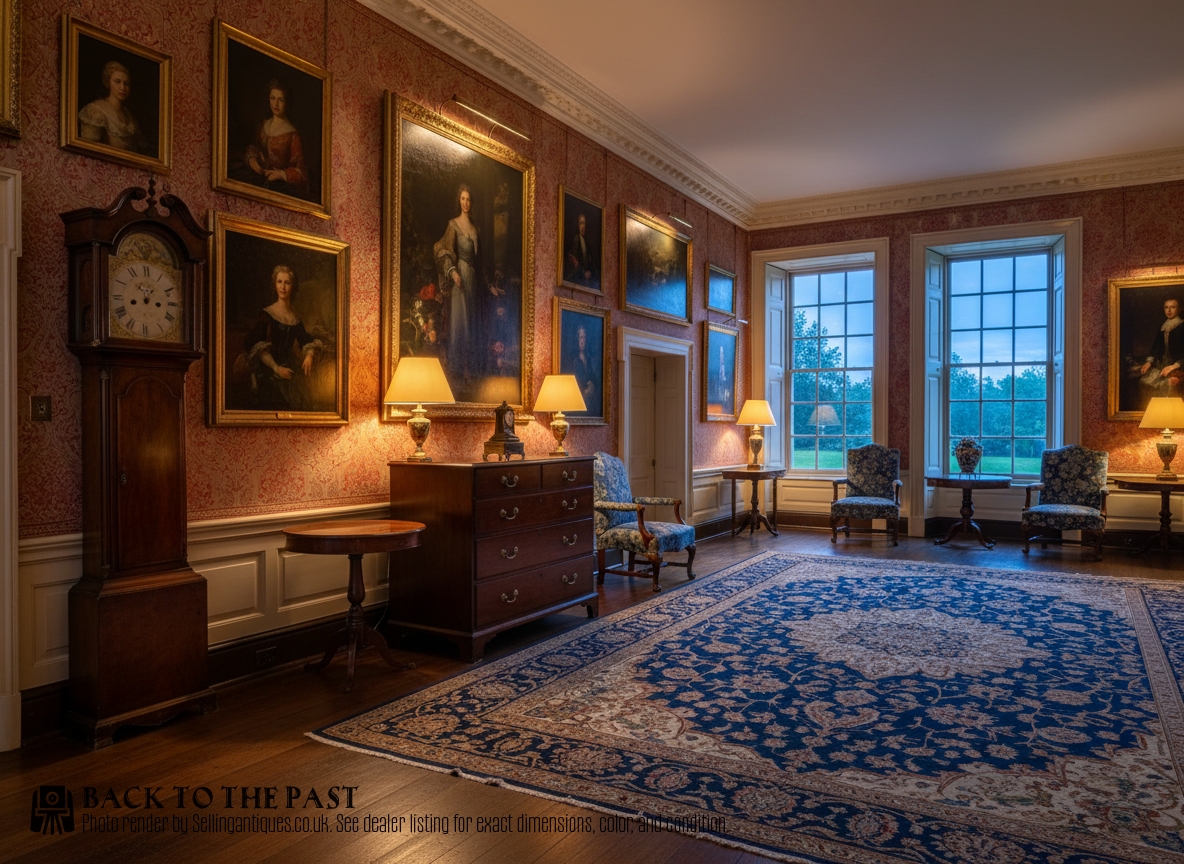
Warings Liverpool
The Traditional Mahogany Tallboy Glossary
- Chest on chest
- A tall storage unit comprising one chest stacked directly upon a larger base chest, creating substantial vertical capacity.
- Bow front
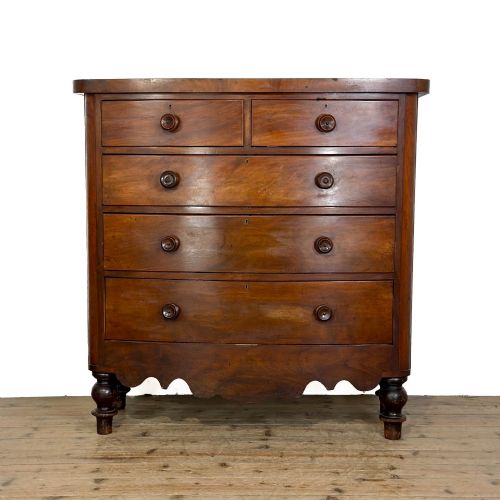
- A convex curved front profile that projects outward in the centre, frequently seen on Georgian and Victorian drawer units.
- Serpentine
- A front contour characterised by a convex centre flanked by concave curves, demanding high skill from the cabinetmaker.
- Flame mahogany
- A veneer cut from timber fork sections that produces a flamy, flickering grain pattern prized for its decorative effect.
- Dovetail
- An interlocking joint used in drawer construction, formed by interlocking wedge-shaped fingers that provide immense strength.
Traditional Mahogany Tallboy: Frequently Asked Questions
What is a tallboy?
A tallboy is a high storage chest designed to hold garments across multiple stacked drawers while maintaining a compact footprint on the floor.
These pieces often combine two distinct carcases, such as a chest on chest arrangement, to achieve their impressive height.
How do I date a mahogany chest?
Dating relies on examining construction methods, timber choice, handle styles, and overall stylistic traits. Georgian pieces tend to show hand-cut dovetails and specific bracket feet, while later Victorian and Edwardian examples introduce different secondary woods and machine assistance.
Hardware placement and lock mechanisms also provide clear chronological markers for attribution.
Where should I place a tallboy?
These upright pieces suit bedrooms and dressing rooms where floor space is limited but vertical storage is required. Their height allows them to fit neatly against blank wall spaces without dominating the room.
Ensure adequate clearance for opening drawers fully, particularly in rooms with lower ceilings.
Are these pieces solid mahogany?
Most examples combine solid timber carcases and frames with fine mahogany veneers applied to the visible drawer fronts and panels. Secondary woods like pine appear internally for drawer linings and backboards.
This method prevented warping while presenting a grand exterior appearance.