


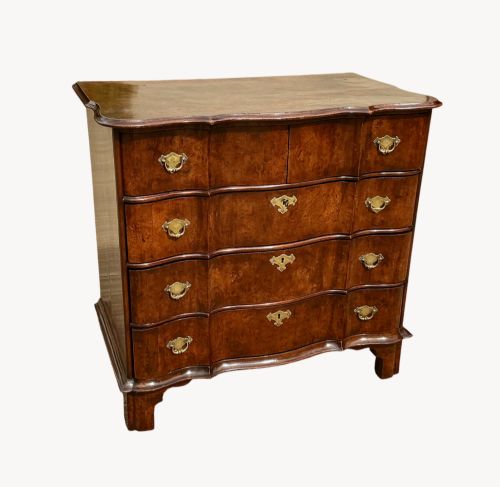
Georgian Wooden Commode
A georgian wooden commode brings solid domestic proportion and rich timber grain into a room, offering deep drawers built for daily utility.
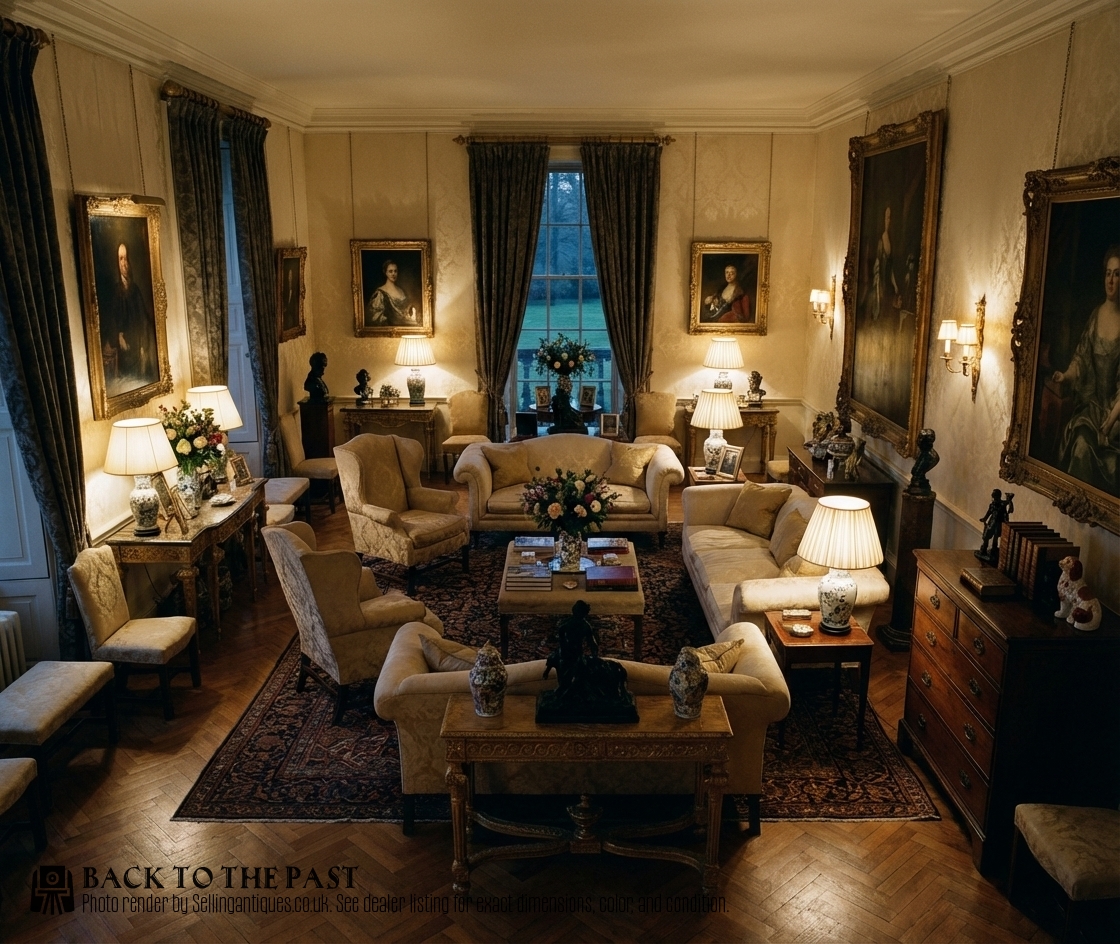
Georgian Wooden Commode
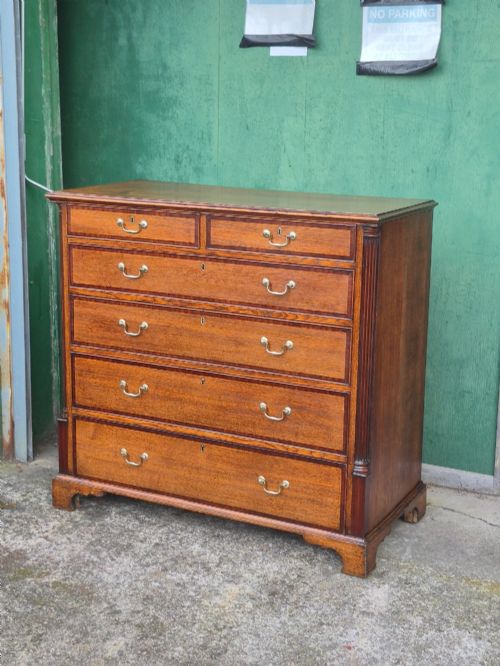
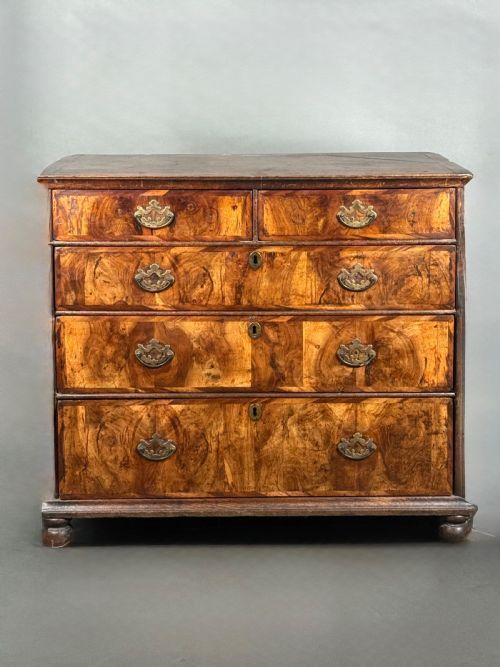
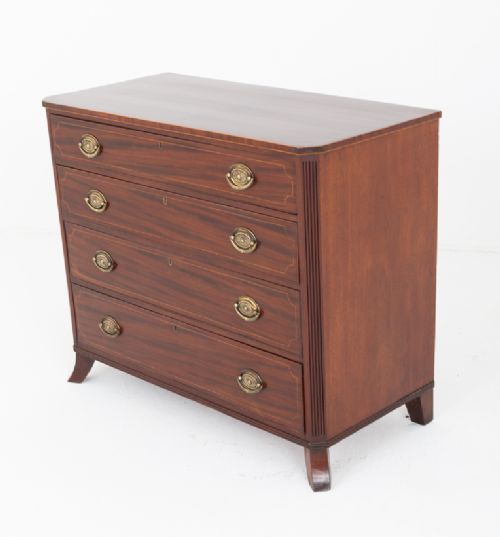
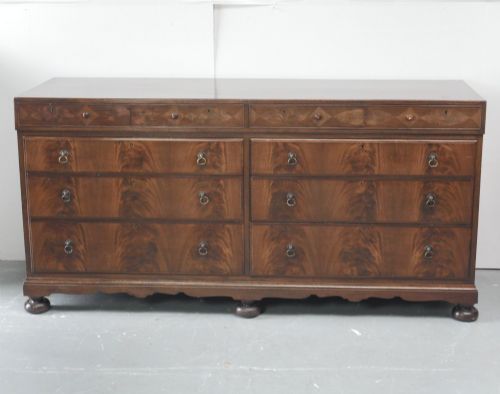
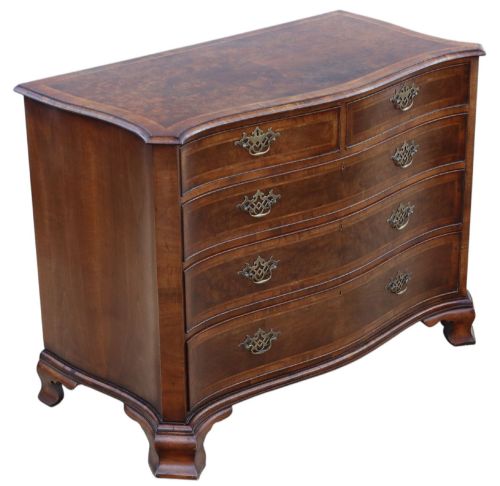
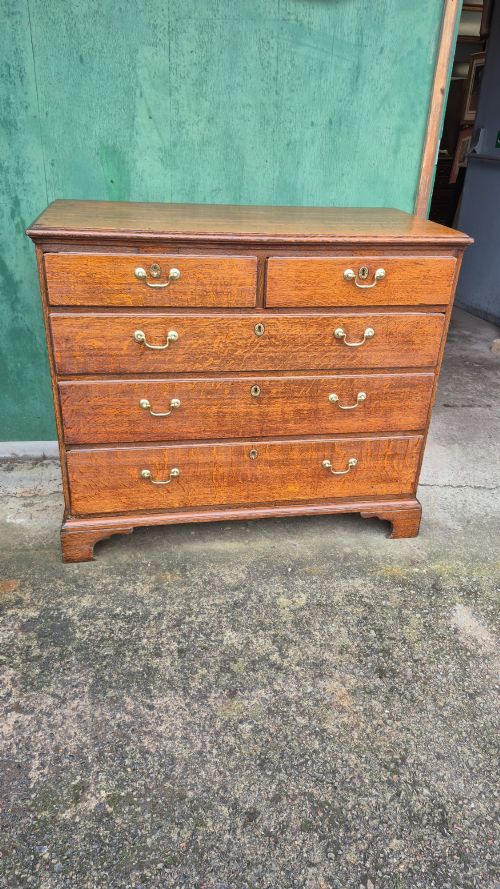
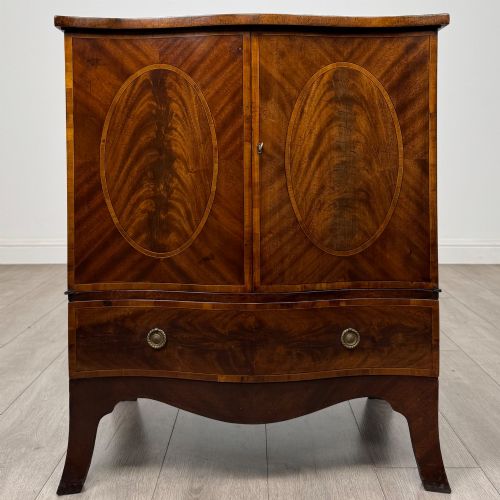
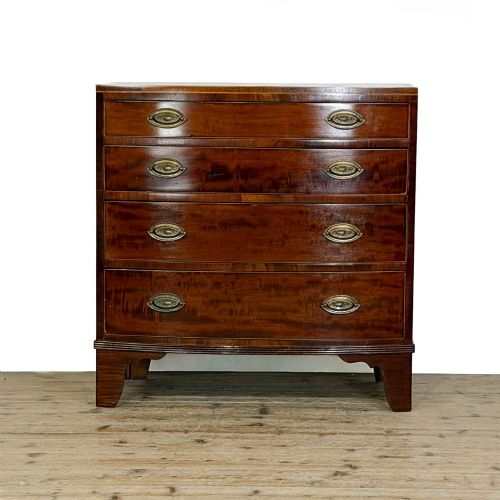
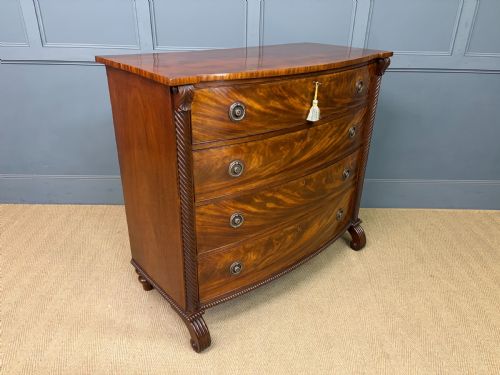
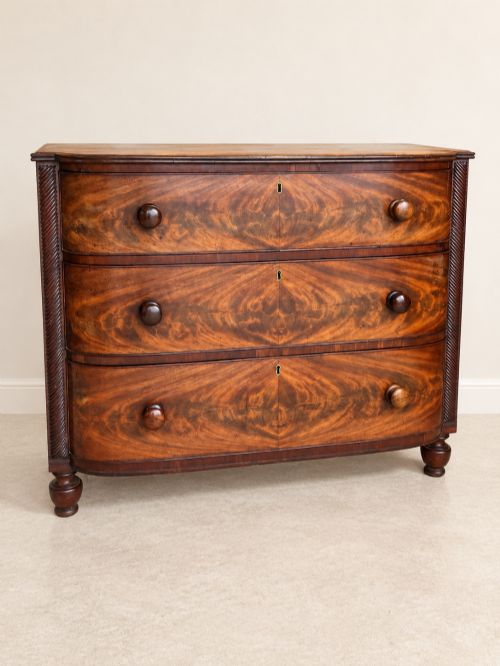
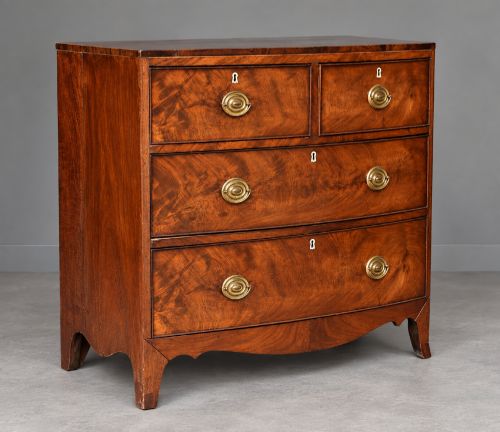
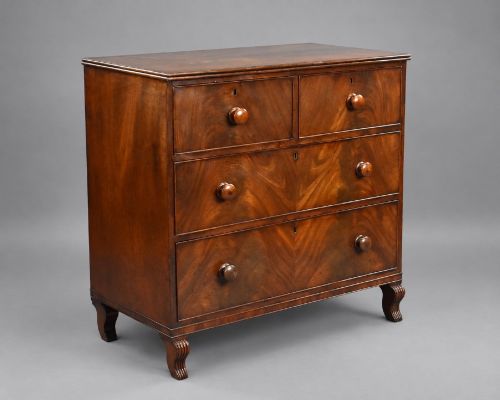
When you search for a georgian wooden commode, you encounter substantial case furniture built primarily as chests of drawers, bow fronts, and serpentine cabinets spanning the eighteenth and nineteenth centuries. These pieces originate from periods such as the Georgian, Regency, and Queen Anne eras, displaying rectangular or curved drawer configurations.
The version you are most likely to meet on this page is a mahogany or walnut chest featuring multiple graduated drawers, sometimes fitted with a brushing slide. Makers constructed these items in oak, walnut, and mahogany, often applying decorative crossbanding or veneers to the primary surfaces.
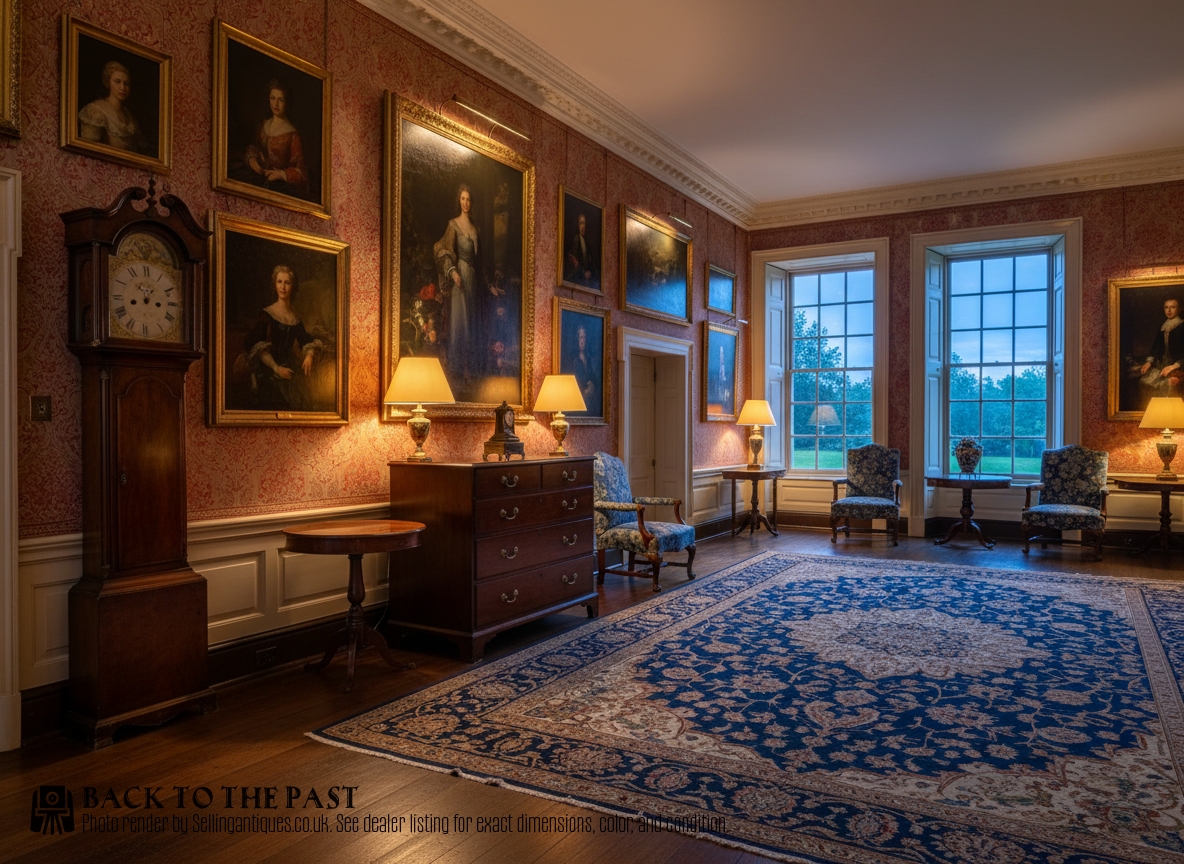
Materials and construction methods
Cabinet makers built the primary carcase of a georgian wooden commode using structural timbers like oak or deal, applying fine face veneers of mahogany, burr walnut, or flame mahogany across the drawer fronts and top surfaces. Crossbanding in contrasting timbers such as satinwood added a deliberate border around the edges of the carcase.
Drawers utilised hand-cut dovetail joints at the corners to withstand heavy pulling forces, while brass drop handles or ring pulls secured through backplates operated the hardware. Secondary woods inside the drawer linings typically consisted of oak or pine.
Georgian Wooden Commode Retail Price Guide 2026
Typical asking prices for georgian wooden commode among the pieces listed under this phrase on Sellingantiques today, from the lower quarter to the upper quarter. They describe what is for sale here now, not the wider market.
Listings feature eighteenth and nineteenth-century periods, including George III, Regency, and Edwardian eras, constructed in mahogany, walnut, oak, and brass.
Assessing craftsmanship and finish
The standard of a georgian wooden commode rests on the selection of timber veneers, where highly figured flame mahogany or burr walnut with matching grain patterns commands greater visual harmony across the front drawers. Uniformity in the dovetailing and the retention of original brass hardware elevate the integrity of the piece.
Proportion and execution define the distinction between standard utilitarian storage and finer examples, particularly where serpentine or bow fronts demand complex curved carpentry. Smooth drawer operation and well-fitted internal framing indicate disciplined workshop practice.
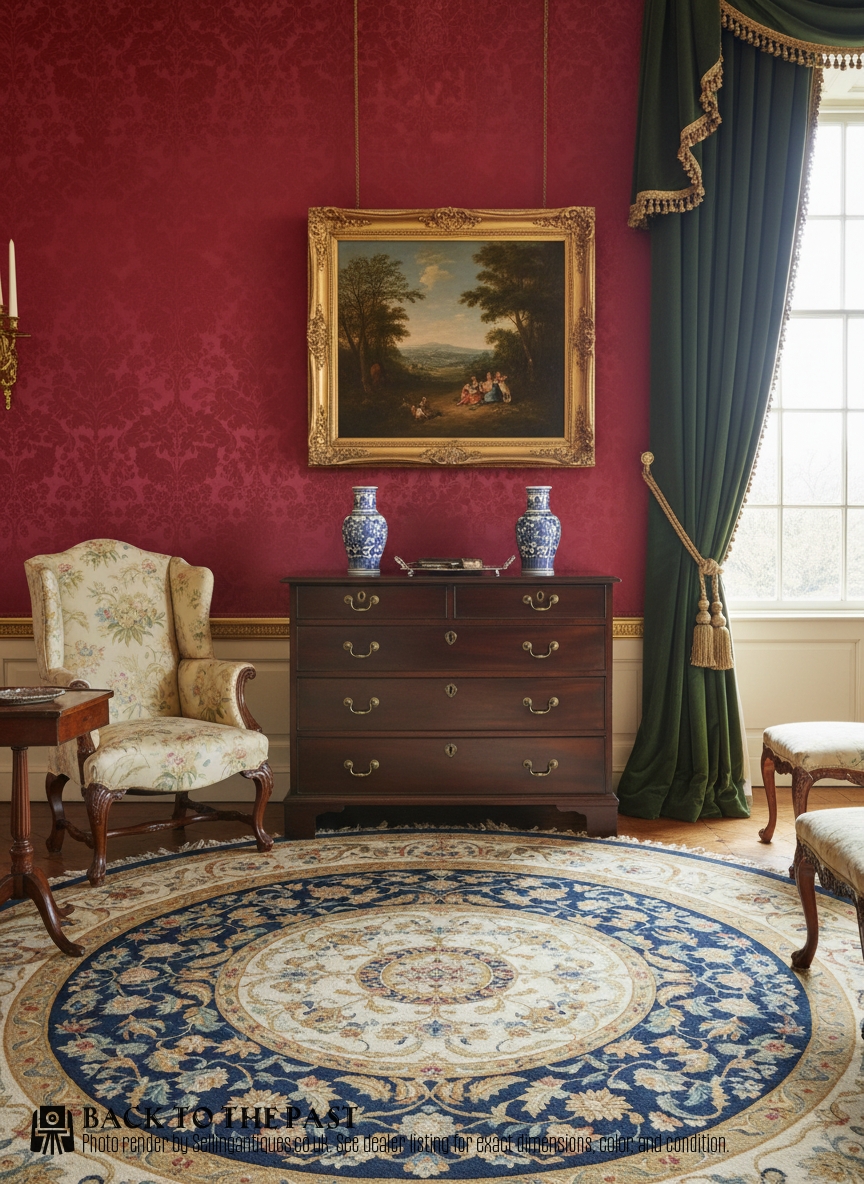
Whytock And Reid
The Georgian Wooden Commode Glossary
- Brushing slide
- A pull-out shelf located beneath the top surface, originally intended for folding garments or serving as a writing surface. It retracts flush into the cabinet frame when not in use.
- Bow front
- A convex curved cabinet front that projects outward in a gentle arc. This shape gained popularity during the late eighteenth and early nineteenth centuries.
- Serpentine
- A front profile defined by a central convex curve flanked by two concave curves, or vice versa. This undulating form requires precise carpentry and shaping of solid timber or thick veneers.
- Crossbanding
- A narrow strip of veneer applied to the border of a panel or drawer front with the grain running perpendicular to the main surface. It frames the central timber figure.
- Dovetail
- A traditional corner joint formed by interlocking wedge-shaped fingers pinned together. Hand-cut dovetails indicate older cabinet-making methods prior to machine production.
Georgian Wooden Commode: Frequently Asked Questions
What is a brushing slide used for?
A brushing slide provides a temporary horizontal surface that pulls out from just below the top boards of the chest. Owners historically utilised this ledge for brushing clothes or folding garments before placing them into drawers.
In modern rooms, the slide serves as a convenient resting place when sorting through items or displaying small objects. It slides smoothly back into the frame to maintain clean lines.
Are these chests suitable for bedroom storage?
These cabinets provide deep, sturdy drawers designed specifically for household storage and clothing organisation. The solid timber construction ensures stability under daily domestic use.
Their classic proportions allow them to sit comfortably against bedroom walls while offering generous capacity for modern garments and linens.
How can I tell the period from the wood?
Early eighteenth-century pieces frequently employ figured walnut or solid oak with warm, rich tones and herringbone banding. These reflect the prevailing tastes of the Queen Anne and early Georgian eras.
Later pieces from the Regency period typically feature deep flame mahogany or satinwood crossbanding. The transition in timber preference helps date the execution of the cabinet.