

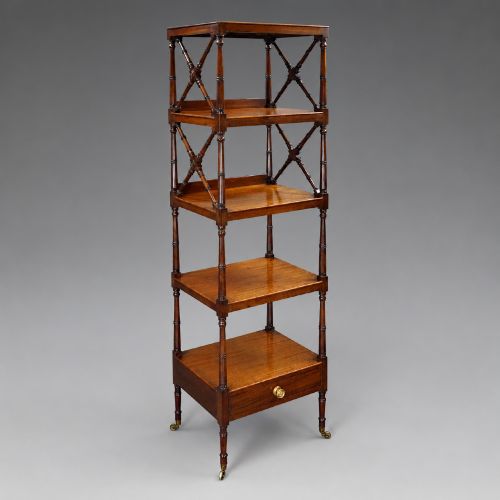


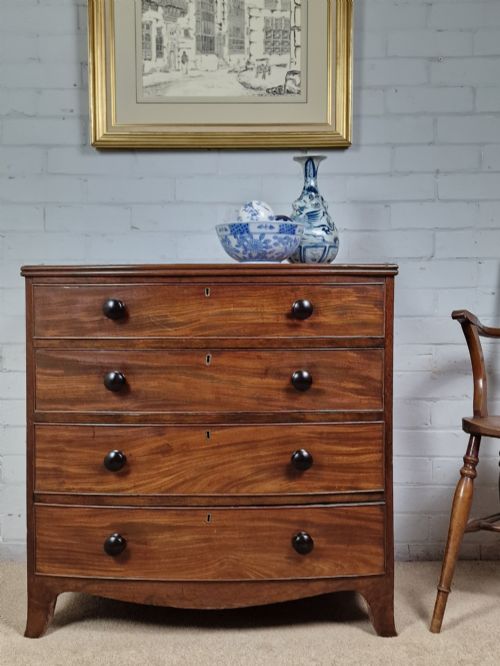
Period Mahogany Drawers
These period mahogany drawers offer rich timber grains and practical storage, spanning Georgian elegance through to Edwardian utility.
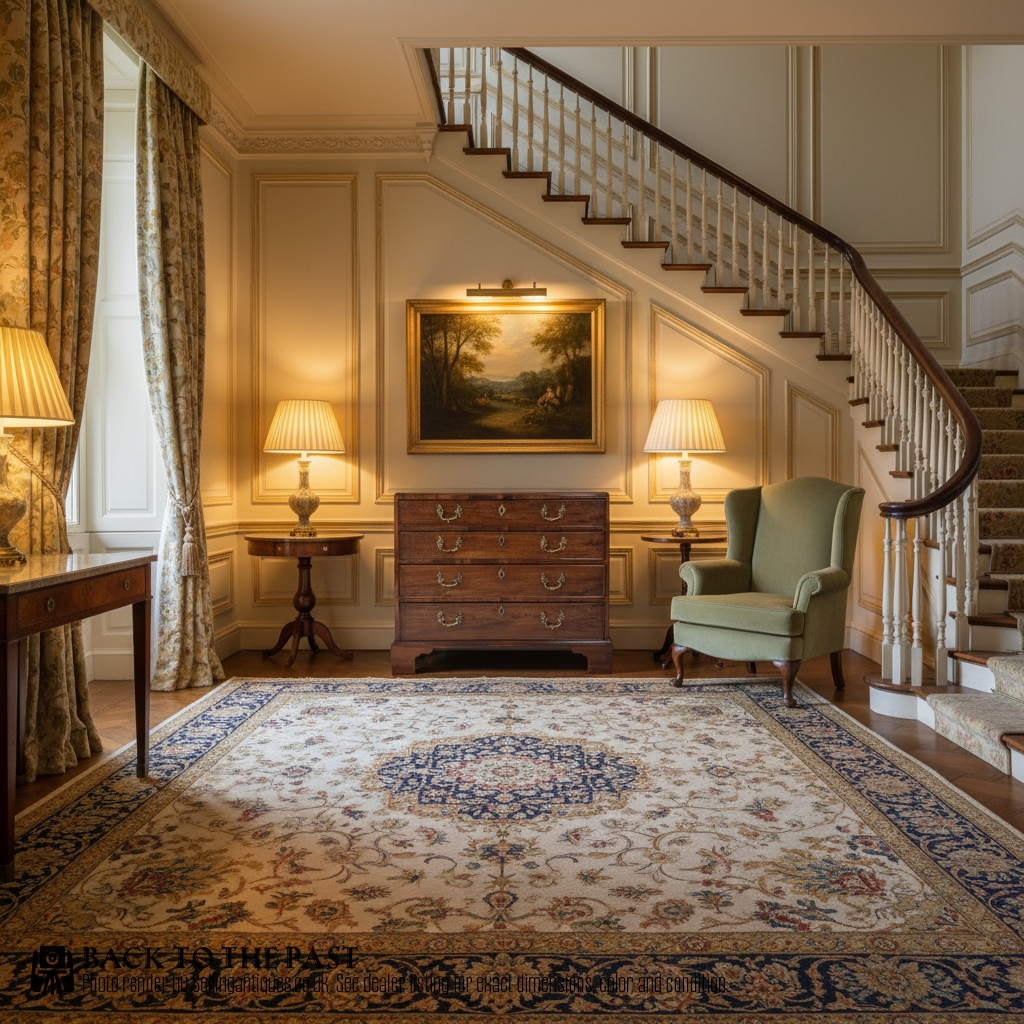
Period Mahogany Drawers
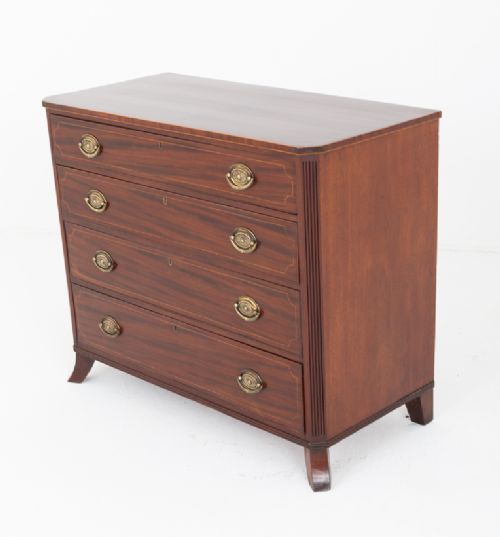
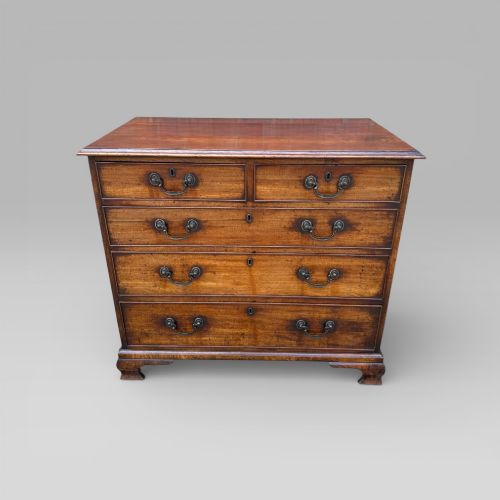
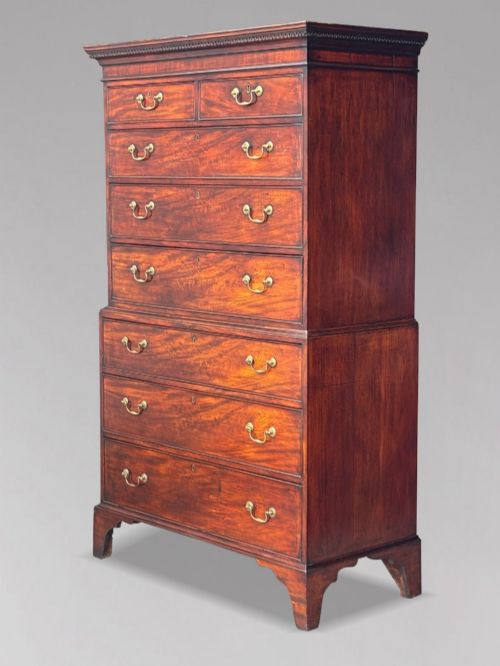
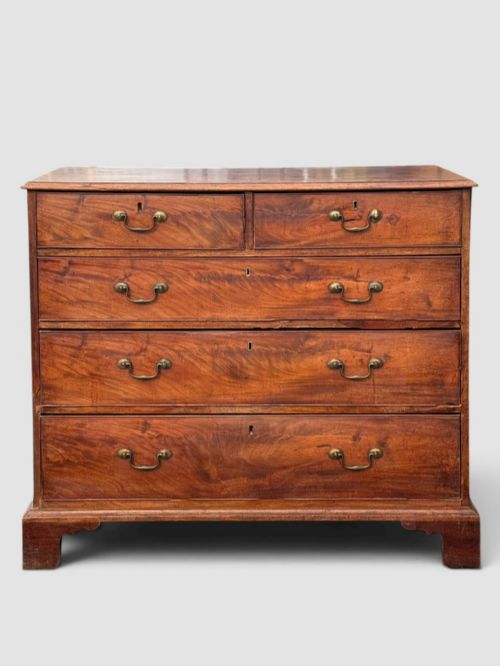
Period mahogany drawers appear primarily as chests of drawers, alongside tallboys, bachelors chests, and combination wardrobes. These pieces emerge across Georgian, Regency, Victorian, and Edwardian eras, bringing functional compartment storage into domestic interiors.
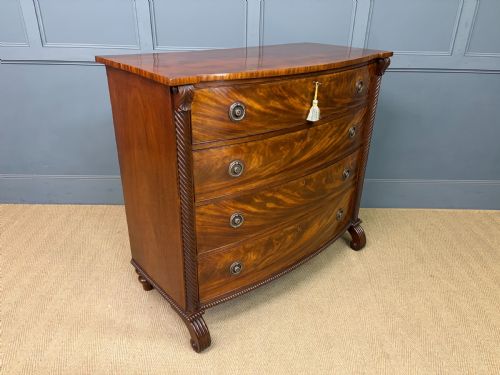
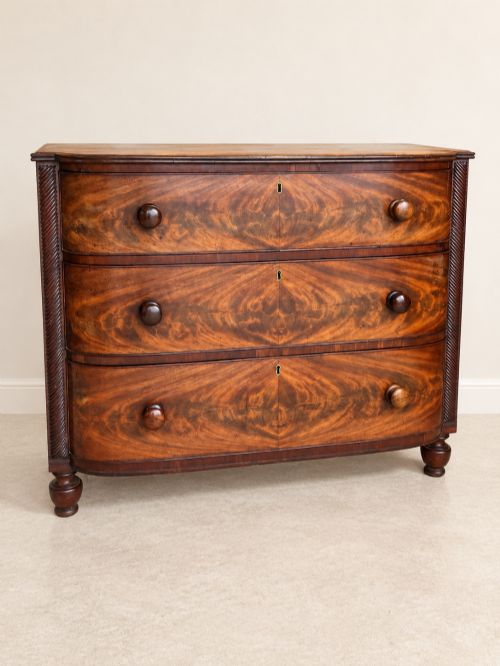
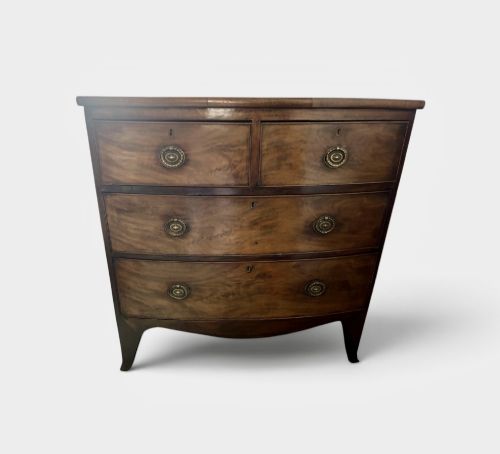
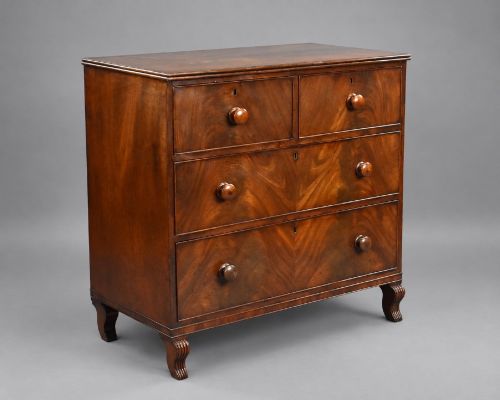
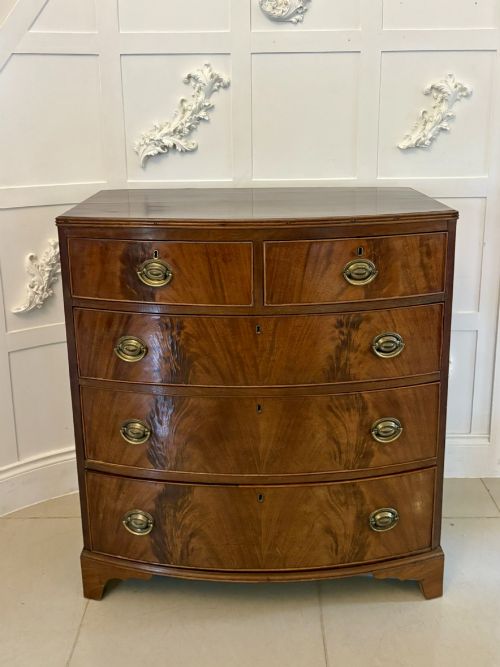
The most common form met on this page is the chest of drawers, often constructed with multiple horizontal tiers of graduating drawers. Buyers encounter both straight fronts and curved bow fronts, alongside specialist formats like small-scale and serpentine designs.
Origins span the eighteenth and nineteenth centuries, reflecting shifting stylistic preferences from early Georgian proportion to Regency curvature and Edwardian refinement. Each piece provides deep carcase storage shaped by the design standards of its specific period.
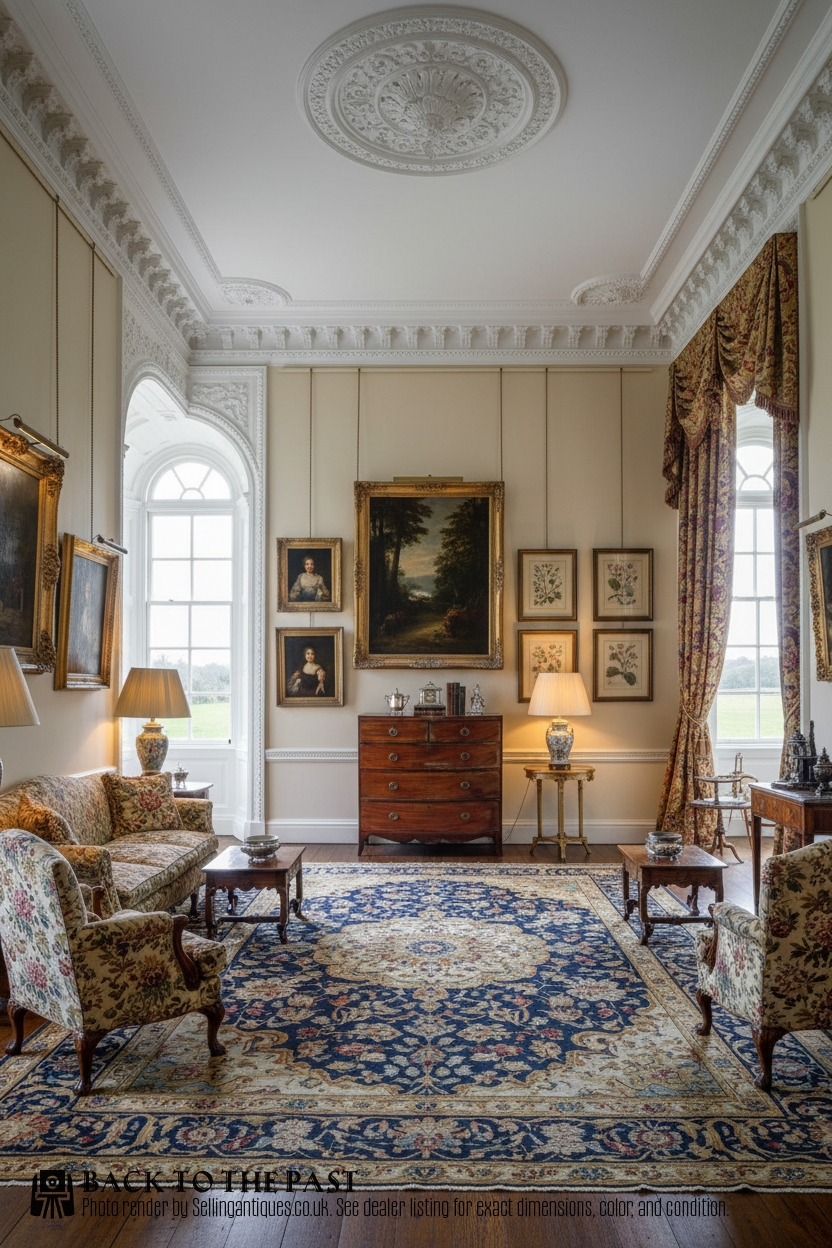
Materials and Construction
Cabinet makers construct these pieces using solid mahogany and mahogany veneers, occasionally incorporating Cuban mahogany for dense grain patterns. Structural carcase elements and drawer linings frequently utilise pine alongside the primary timber.
Metal hardware forms an integral part of the fabrication, with brass handles and escutcheons fitted to drawer fronts. Inlaid decorative elements appear on specific styles, integrating contrasting woods and fine stringing into the mahogany surfaces.
Retail Price Guide 2026
Typical UK retail prices for period mahogany drawers, calculated from the Sellingantiques database of over a million retail prices indexed since 2003. This retail price guide relies exclusively on Sellingantiques data; no external sources or auction records are used, so the figures do not describe the wider market.
Object forms include standard chests, tallboys, bachelors chests, and combination wardrobes.
Defining Quality
Proportion and scale dictate the upper tier of the range, where small-scale or miniature examples demonstrate exceptional spatial restraint. Cabinet makers achieve distinction through balanced drawer gradation and harmonious overall dimensions.
Timber selection and surface execution separate ordinary examples from the finest pieces. Rich figuring in the mahogany veneer, precise brass mounts, and subtle inlay work indicate superior workshop execution.
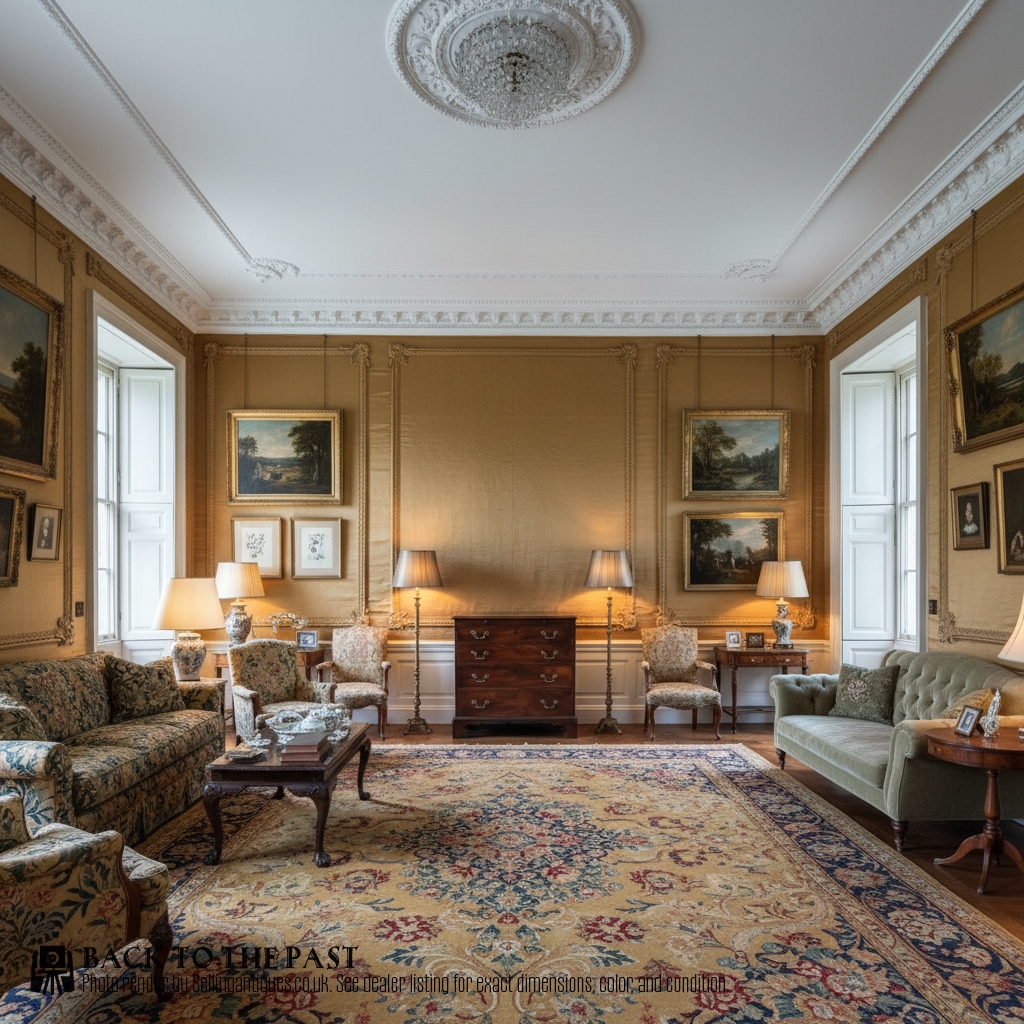
Heals Of London
The Period Mahogany Drawers Glossary
- Bow front
- A convex curved cabinet front that projects outward in an arc. This curved profile appears frequently on Regency and Georgian chests of drawers.
- Serpentine front
- A furniture front featuring a central convex curve flanked by two concave curves. This undulating shape requires advanced cabinet making skill.
- Tallboy
- A tall chest of drawers made by stacking one chest on top of another. These vertical units maximise storage floor space.
- Bachelors chest
- A compact drawer unit typically featuring a fold-over top surface. These small pieces served domestic writing and storage functions.
- Wellington chest
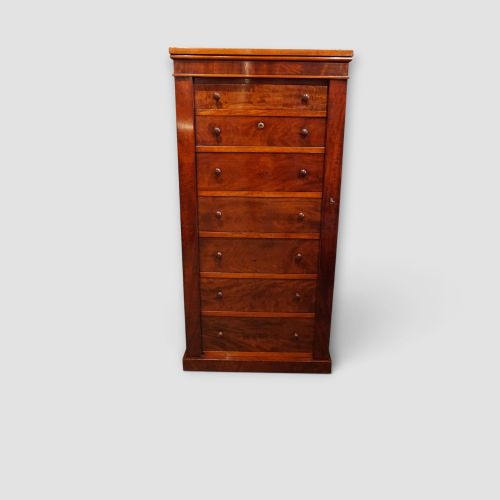
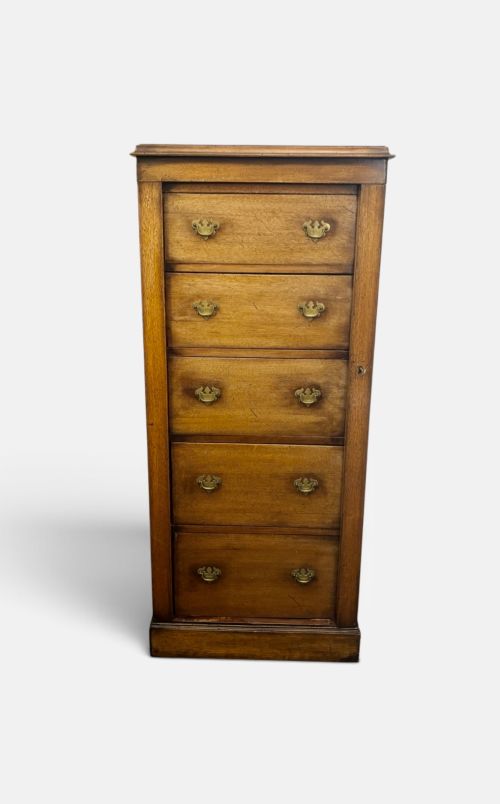
- A vertical locking chest of drawers secured by a hinged side locking bar. This narrow format originates in the nineteenth century.
Frequently Asked Questions
What is a bachelors chest?
A bachelors chest is a compact drawer unit that often incorporates a fold-over writing flap above the primary storage tiers. These small pieces provided multi-functional utility in domestic rooms.
Cabinet makers produced them in modest proportions to fit smaller spaces while maintaining full drawer storage below the writing surface.
How do bow front chests differ?
Bow front chests feature a convex curved front that softens the linear geometry of standard rectangular storage furniture. This curved profile emerged as a prominent feature during the Georgian and Regency periods.
Craftsmen shaped the drawer fronts and carcase frames to follow this continuous arc, creating a more dynamic visual presence in a room.
Where were secondary timbers used?
Secondary timbers such as pine appear inside the carcase construction, specifically for drawer linings, internal dividers, and backboards. Cabinet makers reserved primary mahogany for exterior visible surfaces.
This traditional practice provided structural stability while managing the weight and cost of the finished furniture piece.
What distinguishes a tallboy?
A tallboy is a tall storage unit formed by stacking a chest of drawers upon a lower base section. This vertical configuration provides substantial drawer capacity within a compact floor footprint.
Master craftsmen proportioned these tall structures to maintain stability and visual balance across multiple horizontal drawer tiers.