


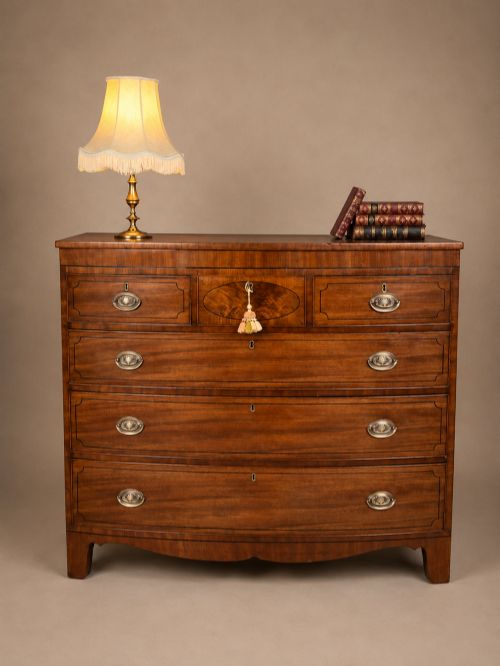
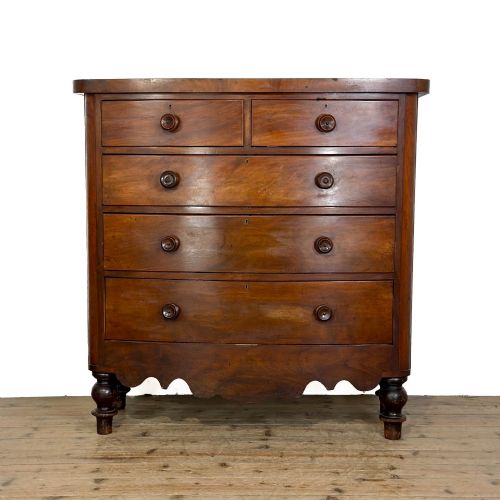
Antique Bowfront Dresser
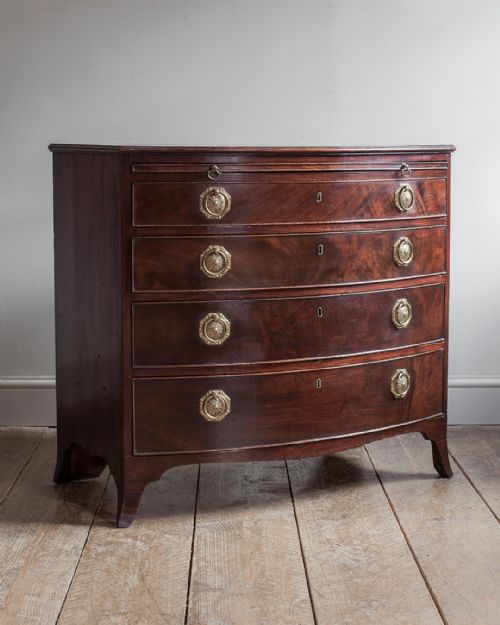
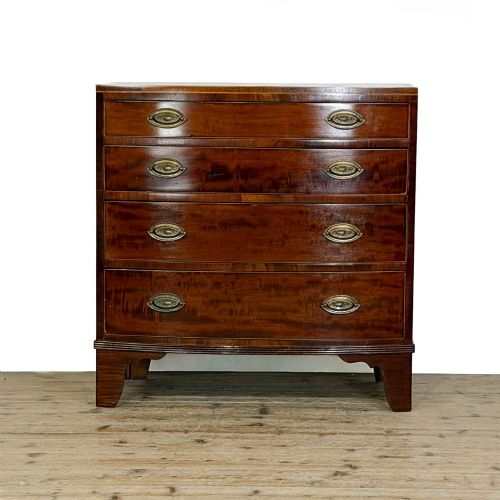
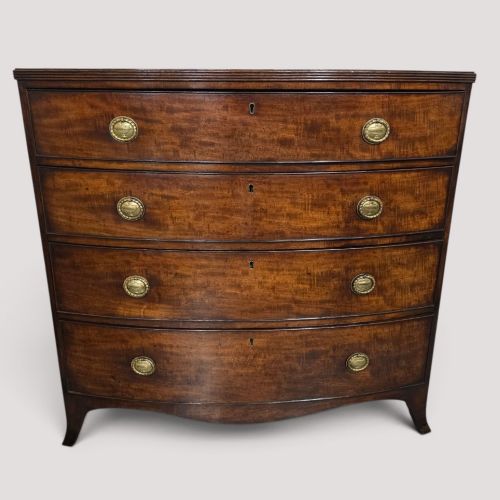
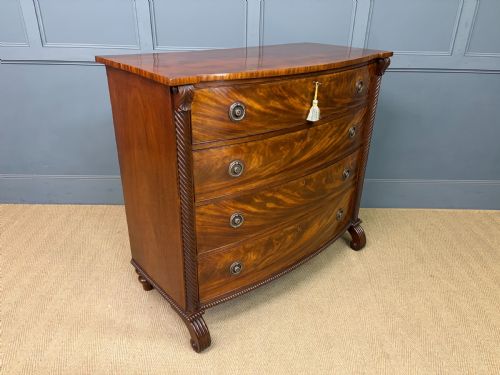
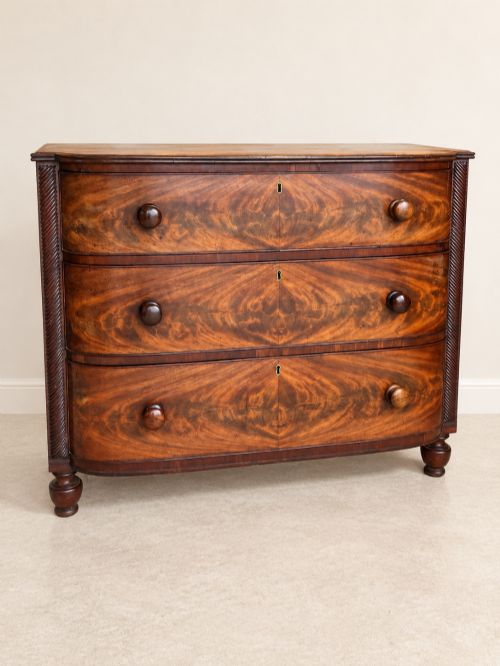
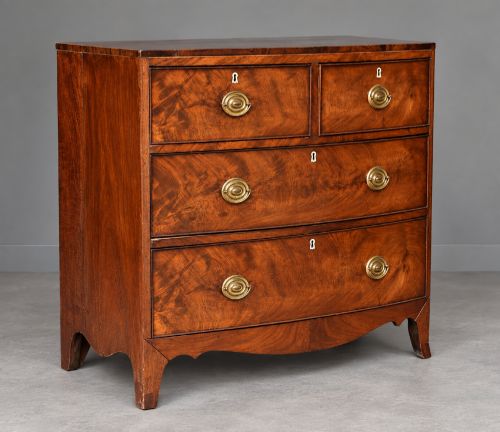
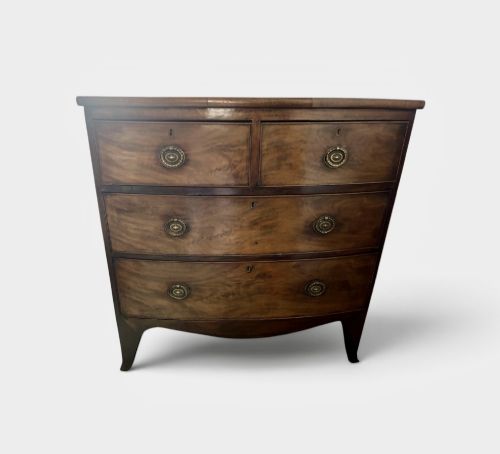
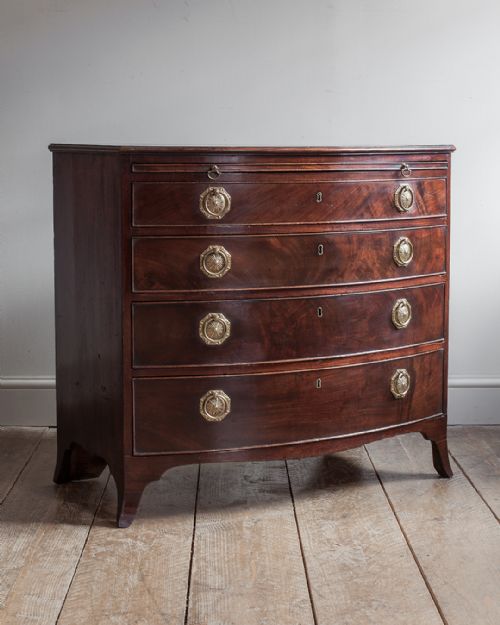
An antique bowfront dresser brings genuine Georgian and Regency character to a room with its curved mahogany facade and fine brass hardware.
Understanding the antique bowfront dresser
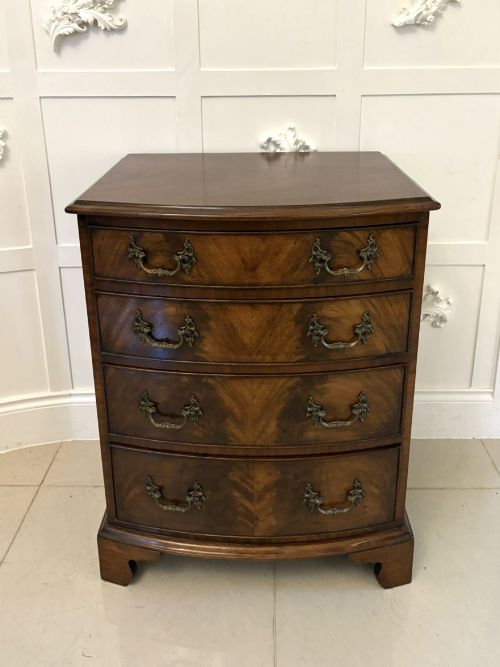
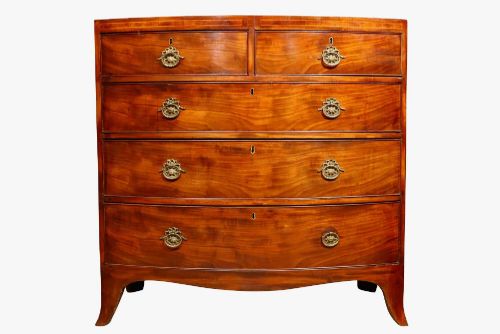
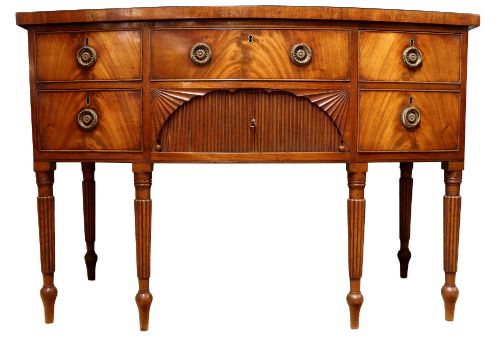
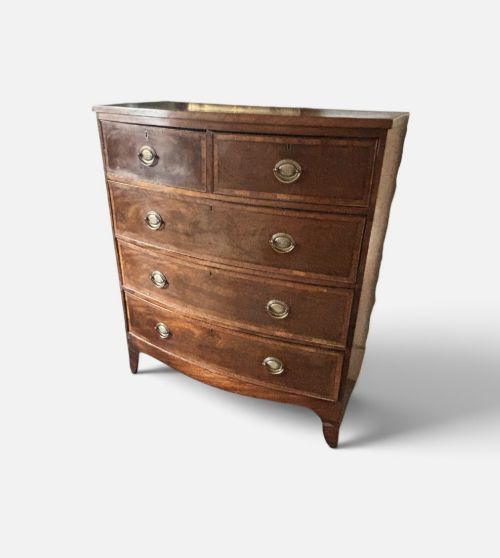
The antique bowfront dresser typically takes the form of a chest of drawers or a sideboard featuring a convex curved front. Pieces originate from the Georgian and Regency periods, alongside examples dated to eighteen hundred and the eighteenth century.
Makers designed these furniture pieces in regional workshops using styles such as Sheraton alongside standard Georgian and Regency aesthetics. Buyers most frequently encounter mahogany chests of drawers with small proportions alongside larger sideboards.
The form provides functional storage while presenting a distinct curved profile that sets it apart from standard flat-front furniture. Each piece reflects the cabinet-making traditions of its specific period through its construction and proportions.
Materials and construction
Cabinet makers constructed these pieces primarily using solid mahogany, often complemented by contrasting boxwood stringing or inlay work. Timber selection focused on rich grain patterns that aged to deep, warm tones over the centuries.
Functional metal elements include brass handles and escutcheons fitted to the drawer fronts. Construction techniques relied on traditional joinery methods suited to creating the curved bowfront shape without compromising structural integrity.
Retail Price Guide 2026
Typical UK retail prices for bowfront dresser, calculated from the Sellingantiques database of over a million retail prices indexed since 2003. This retail price guide relies exclusively on Sellingantiques data; no external sources or auction records are used, so the figures do not describe the wider market.
Materials recorded on this page include mahogany, brass, and boxwood.
Separating the ordinary from the exceptional
Quality differences stem from the precision of the curved front joinery and the selection of figured mahogany timber. Superior examples display harmonious proportions, crisp boxwood detailing, and original brass hardware that complement the cabinet work.
Finer pieces maintain integrity in their drawer construction and carcase framing, reflecting the high skill level of the original maker. Lesser examples often show coarser secondary timbers and less refined handling of the curved facade.
The Antique Bowfront Dresser Glossary
- Bowfront
- A furniture facade that curves outward in a convex shape. This profile requires specialised joinery to shape the drawers and carcase.
- Mahogany
- A durable tropical hardwood imported for high-end cabinet making during the Georgian and Regency eras. Its stability makes it ideal for shaped furniture.
- Boxwood
- A dense, pale wood utilised for contrasting stringing and inlay lines on period furniture. It provides a sharp visual border against darker timbers.
- Escutcheon
- A protective plate surrounding a keyhole on a drawer or cabinet door. These brass fittings serve both a functional and decorative purpose.
- Sideboard
- A long dining room furniture piece designed for serving food and storing tableware. Georgian versions often incorporate the curved bowfront shape.
Frequently Asked Questions
What is an antique bowfront dresser?
An antique bowfront dresser refers to a chest of drawers or sideboard featuring a convex curved front profile. These pieces date from the Georgian and Regency periods.
Cabinet makers built them primarily in mahogany, often incorporating boxwood details and brass hardware. The curved shape distinguishes them from standard flat-front furniture.
How do I date a bowfront chest?
Dating relies on identifying stylistic markers from periods like Georgian, Regency, or the eighteenth century. Construction methods and wood choices also indicate age.
Early pieces often feature specific hardware types and timber selections typical of eighteenth and early nineteenth-century workshops.
Where were these pieces used?
Original owners placed these chests and sideboards in bedrooms, hallways, or formal dining rooms for storage and display. Their substantial construction suited daily domestic life.
Today, they function similarly in modern homes, providing practical drawer space while adding period character to an interior.
What woods are commonly found?
Mahogany stands as the predominant timber used for these pieces across the Georgian and Regency eras. Cabinet makers valued it for its strength and grain.
Boxwood frequently appears alongside mahogany as secondary wood for stringing, creating fine contrasting borders on drawer fronts.