
Regency Bow Front Chest
A regency bow front chest brings fluent curves and rich timber to a room, offering generous storage with exceptional elegance.
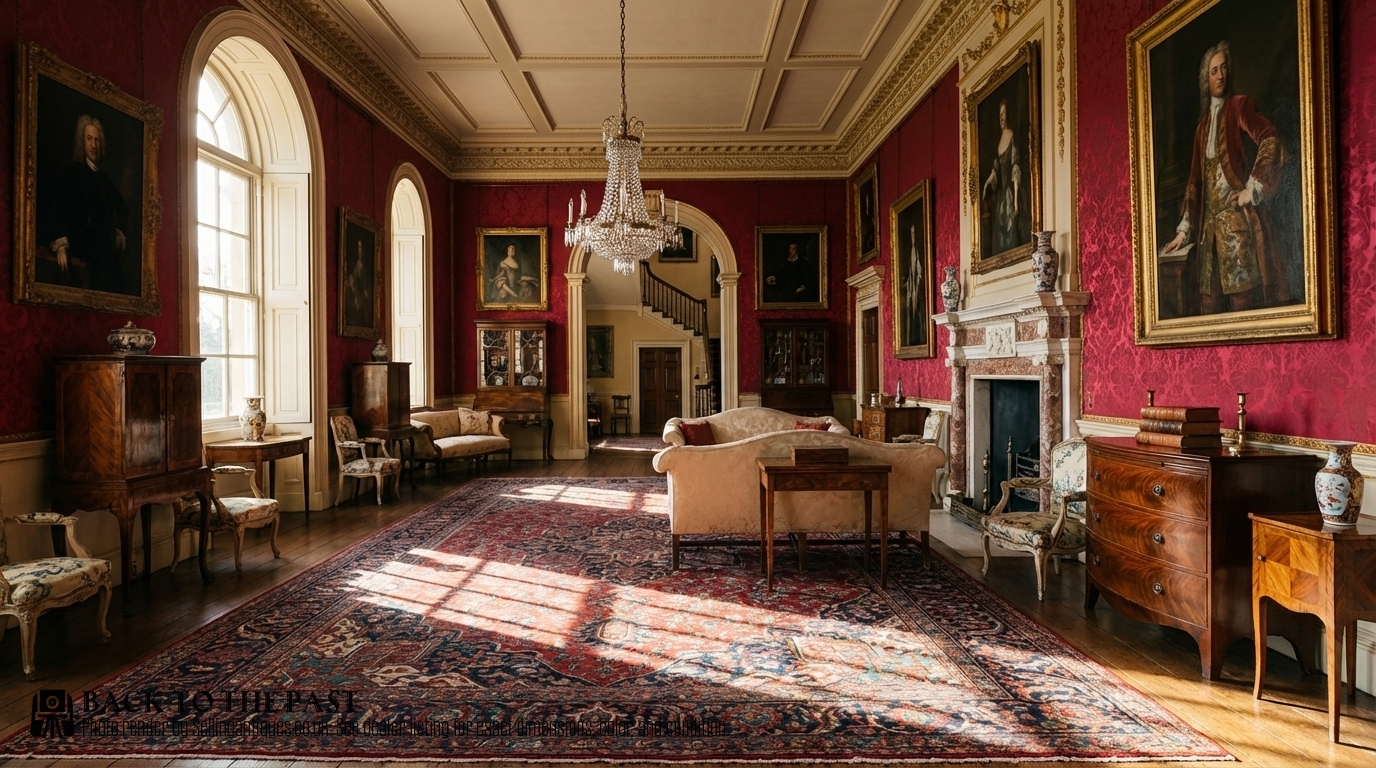
The Regency Bow Front Chest
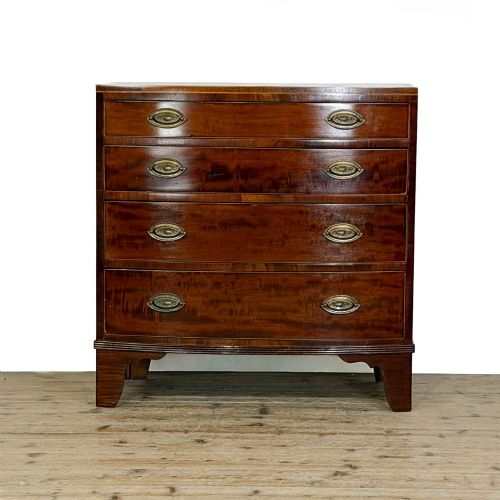
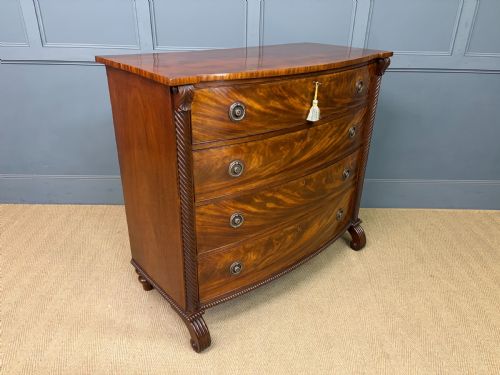
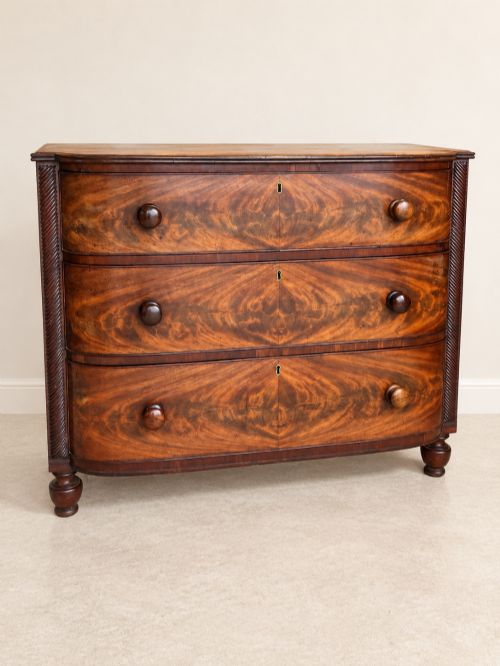
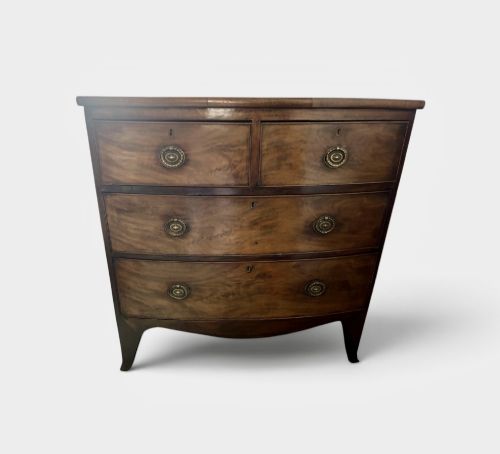
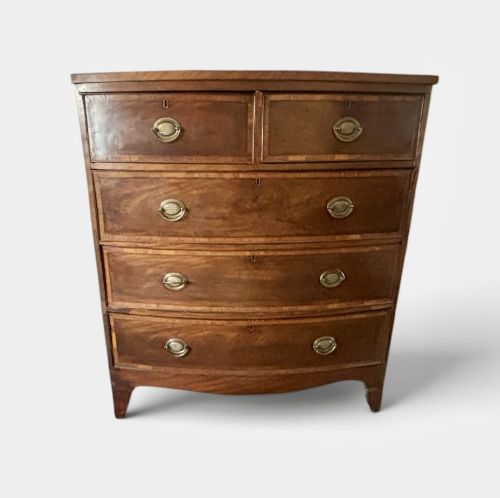
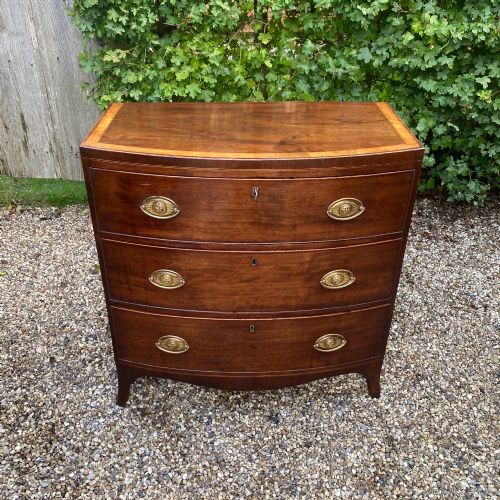
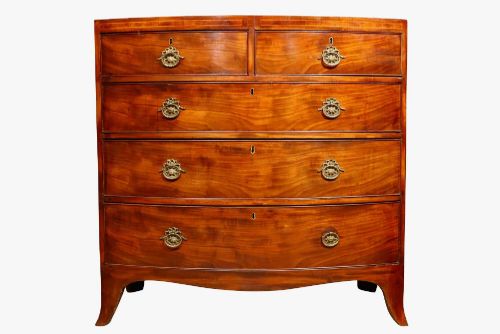
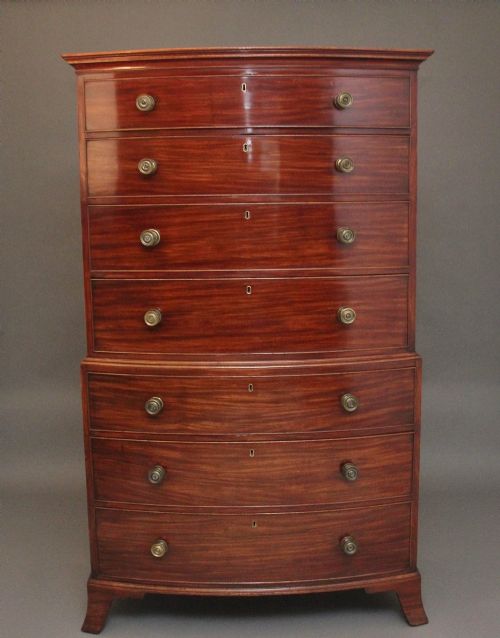
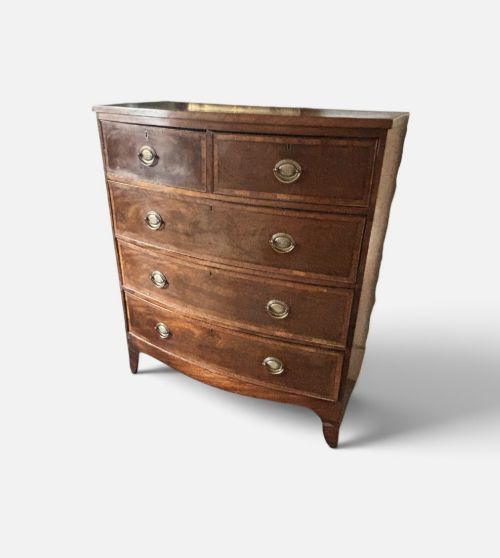
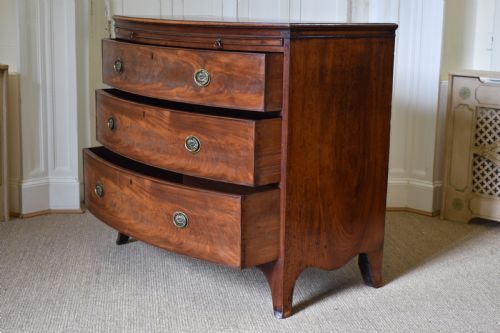
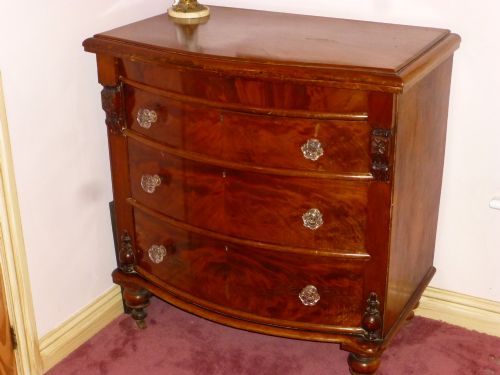
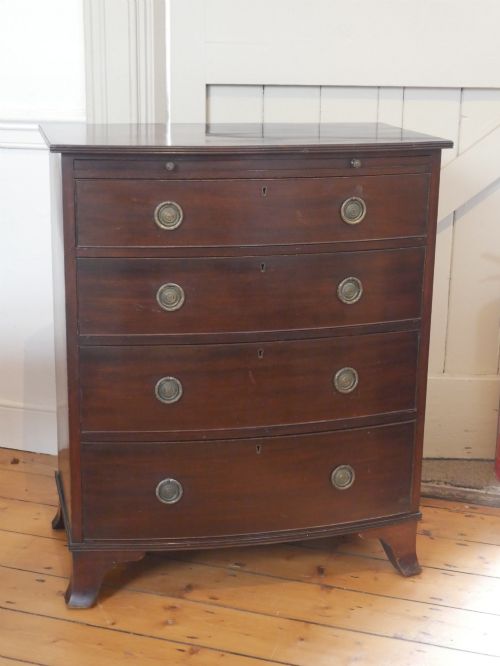
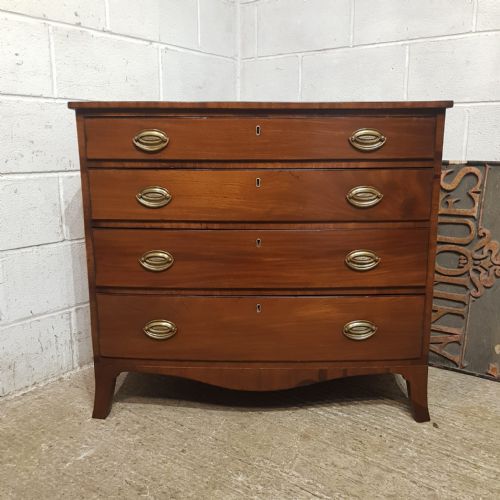
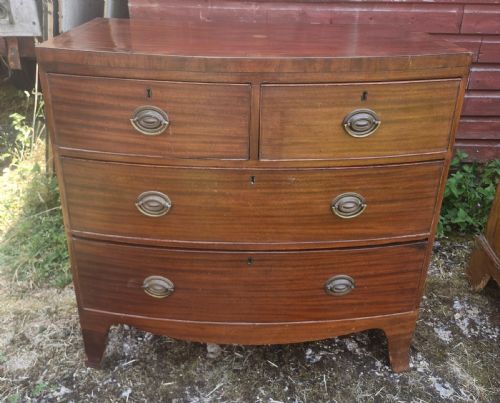
A regency bow front chest is a distinct form of chest of drawers defined by its convex curved front, most commonly encountered from the Regency period, Georgian era, and the wider nineteenth century. These pieces serve as practical bedroom or hallway storage while presenting a striking architectural silhouette against a wall.
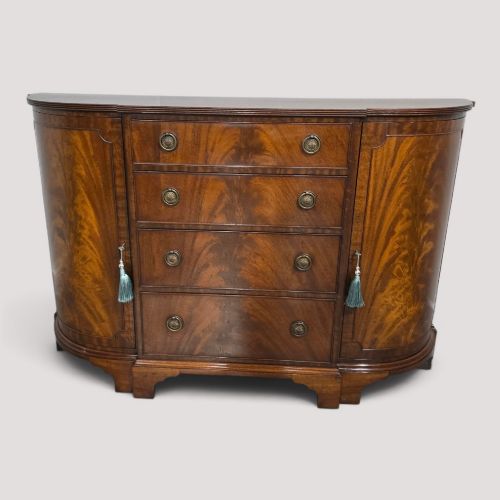
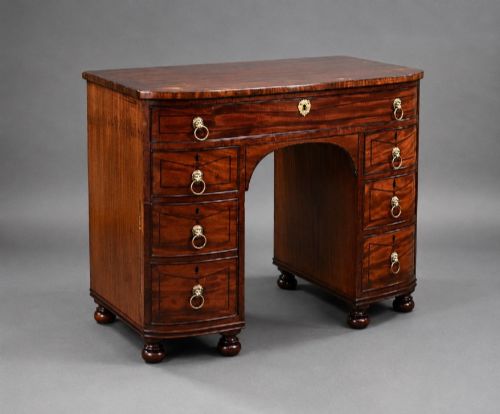
The prevailing examples seen here are constructed in rich mahogany, frequently displaying figured grain patterns or flame veneer across the drawer fronts. They typically stand on bracket feet or short legs, offering a balanced proportion that suits both traditional and contemporary interiors.
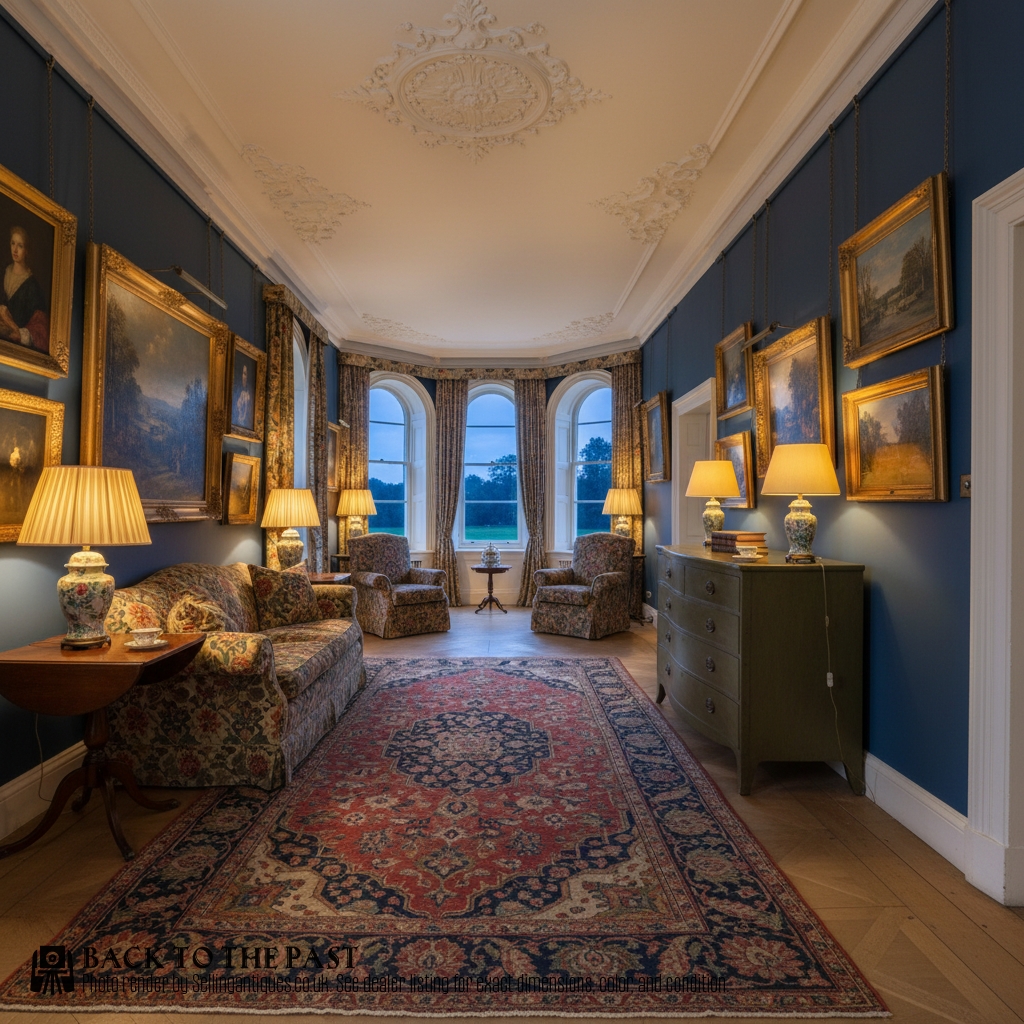
Materials and Construction
Cabinet makers utilised solid mahogany and applied flame mahogany veneer to the curved drawer fronts, often enhancing the surfaces with boxwood stringing or cross-banding. The underlying carcase structure relies on traditional timber framing to support the sweeping front profile.
Hardware details such as brass handles and backplates are secured to the drawer faces, whilst internal drawer boxes are assembled with precise joinery. Selected pieces incorporate painted wood finishes or specialised inlays including satinwood to accent the primary timber.
Retail Price Guide 2026
Typical UK retail prices for regency bow front chest, calculated from the Sellingantiques database of over a million retail prices indexed since 2003. This retail price guide relies exclusively on Sellingantiques data; no external sources or auction records are used, so the figures do not describe the wider market.
Some chests feature cheeky sabre front legs that make the cabinet look ready to march right out of the room.
Judging Quality
Quality rests upon the selection of timber, where deeply figured mahogany and matched veneer sheets elevate a piece far above plain stock. The crispness of the curved bow front and the subtlety of cross-banding or boxwood inlay demonstrate the maker's hand.
Proportion and scale dictate the desirability of these chests, with smaller dimensions and well-balanced heights commanding particular attention. Original brass hardware and clean interior construction further distinguish superior examples from standard workshop output.
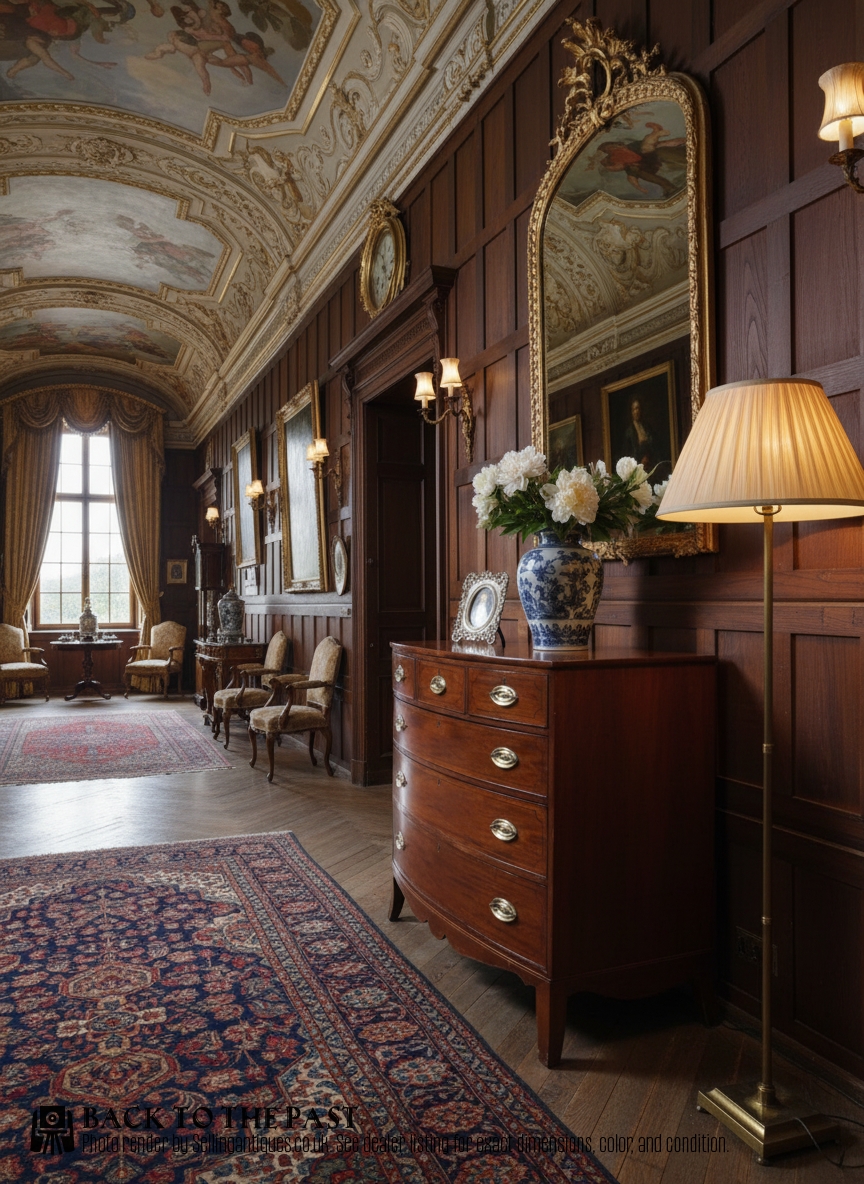
The Regency Bow Front Chest Glossary
- Bow front
- A convex curved front profile that projects outward, typical of these chests of drawers. This curved shape requires specialist woodworking skill to execute cleanly.
- Flame mahogany
- A veneer cut from timber where the branch meets the trunk, producing a flickering flame-like pattern. It is highly prized for its decorative visual impact.
- Cross-banding
- A narrow strip of veneer applied border-wise around the edges of a drawer front, with the grain running at right angles to the central panel. This technique creates a neat framing effect.
- Boxwood stringing
- A thin inlay of pale boxwood set flush into the darker mahogany surface. It provides a sharp linear contrast that defines the edges of panels and drawers.
- Bracket foot
- A simple foot shape formed by two pieces of wood joined at a mitre, supporting the corners of the chest. It provides a stable and understated base.
Frequently Asked Questions
What rooms suit a bow front chest?
These chests work wonderfully in bedrooms as traditional clothes storage or in hallways where their curved profile softens narrow spaces.
Their shallow ends and projecting centres allow them to sit comfortably against walls without dominating the floor area.
How do I date a Regency chest?
Examine the timber selection, handle styles, and construction methods to establish the period of manufacture.
Pieces from the Regency era often feature figured mahogany veneers, specific brass plate handles, and characteristic proportions.
Are these chests practical for daily use?
The multiple drawers provide deep and organised storage space for clothing, linens, or household items.
Smooth drawer action and sturdy timber construction ensure they function reliably as everyday furniture.
What is the difference between Georgian and Regency styles?
Georgian pieces often display heavier classical proportions and robust architectural details, spanning a broader eighteenth-century timeline.
Regency examples tend to embrace more refined curves, lighter timbers, and delicate inlaid stringing details.