
Inlaid Mahogany Drawers
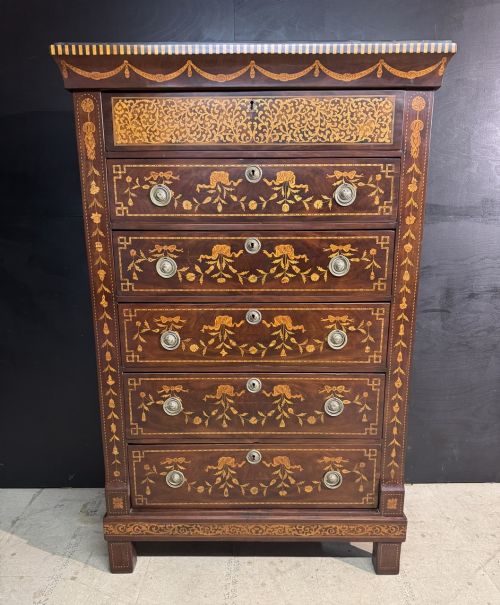
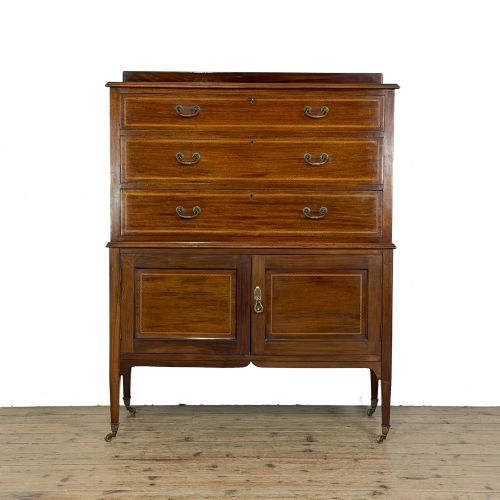
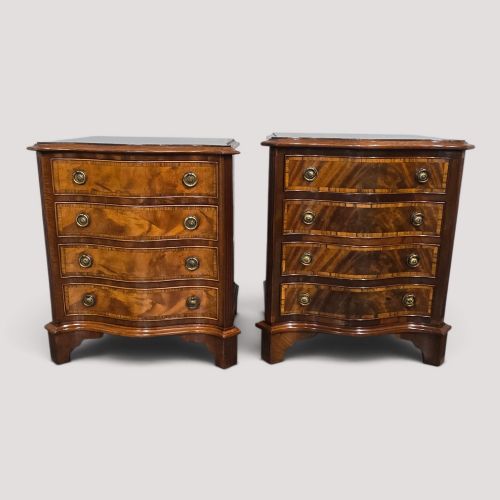
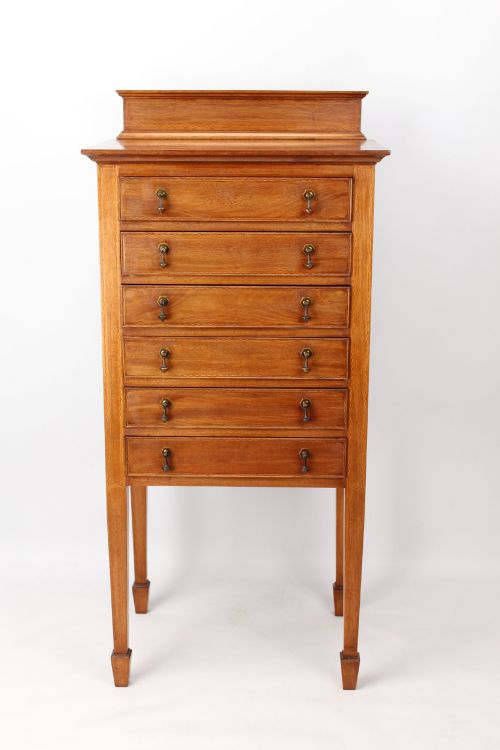
Inlaid mahogany drawers bring together rich timber and delicate contrasting banding from Georgian, Regency, and Edwardian periods.
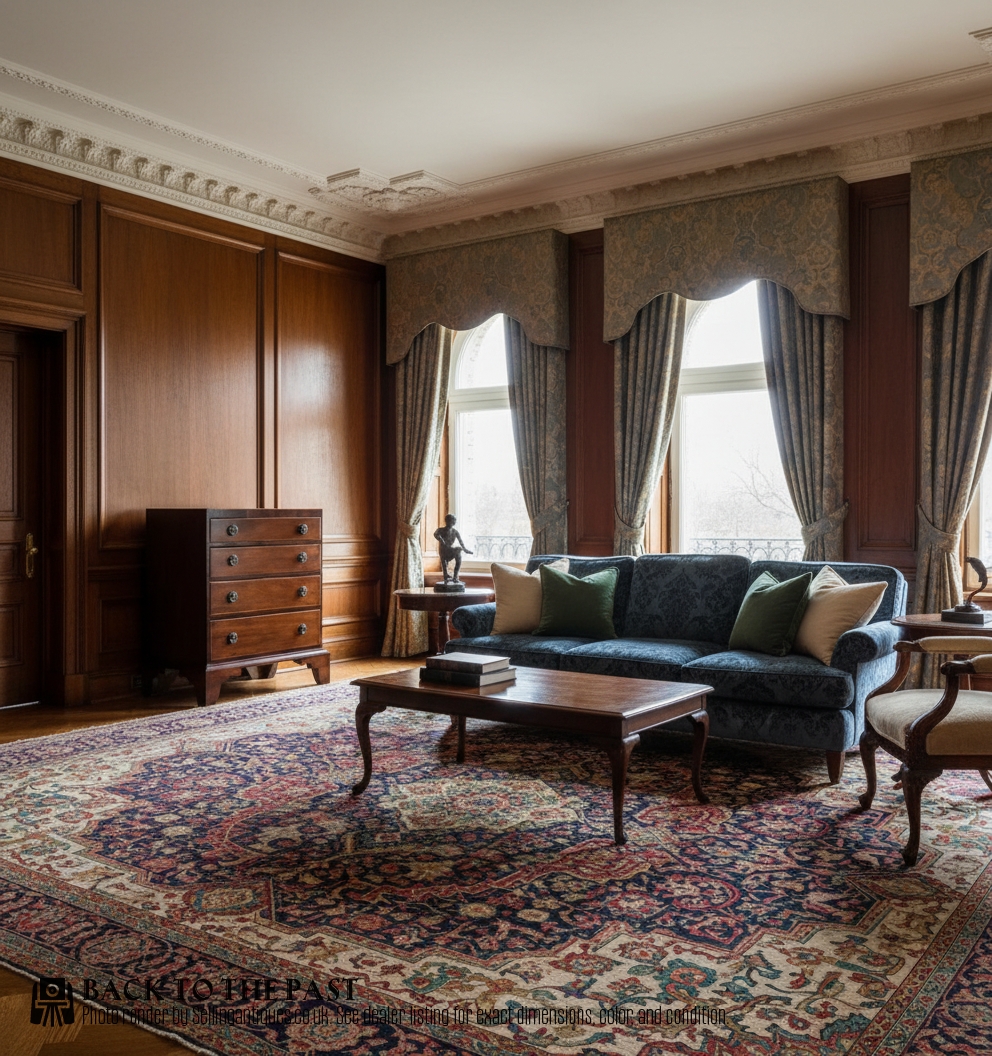
Inlaid Mahogany Drawers
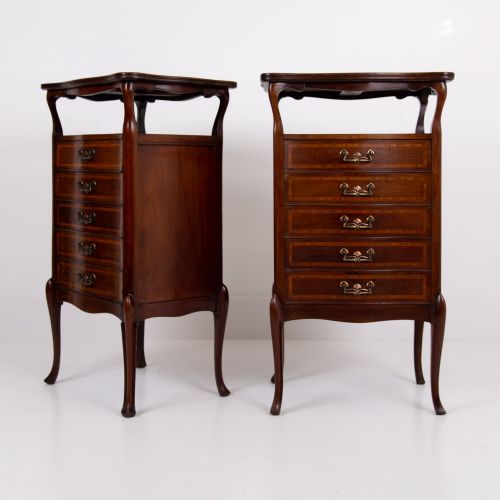
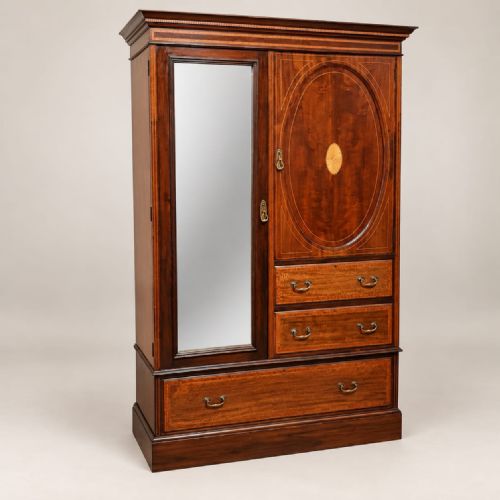
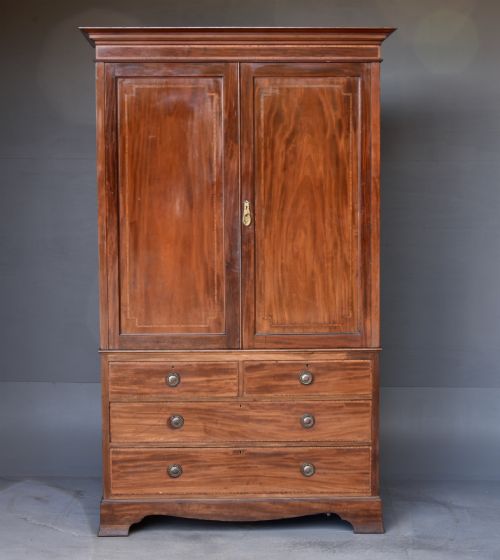
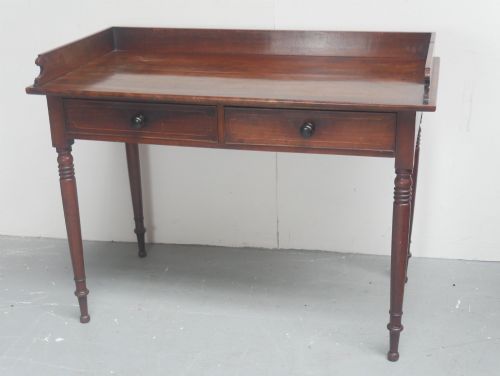
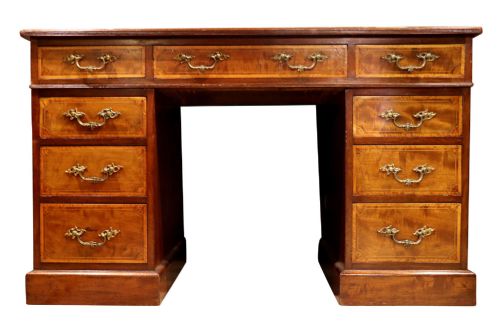
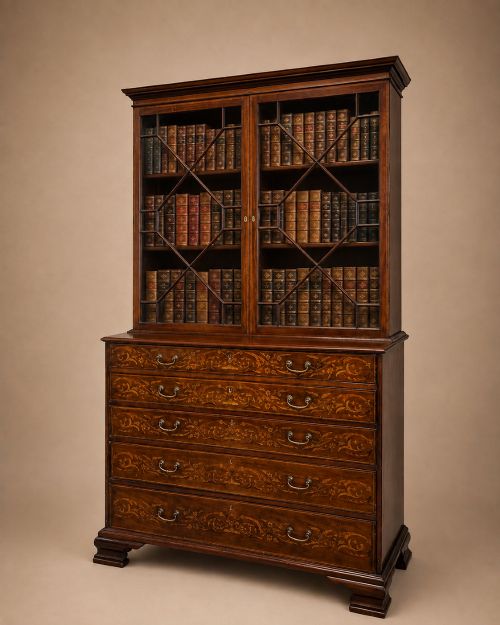
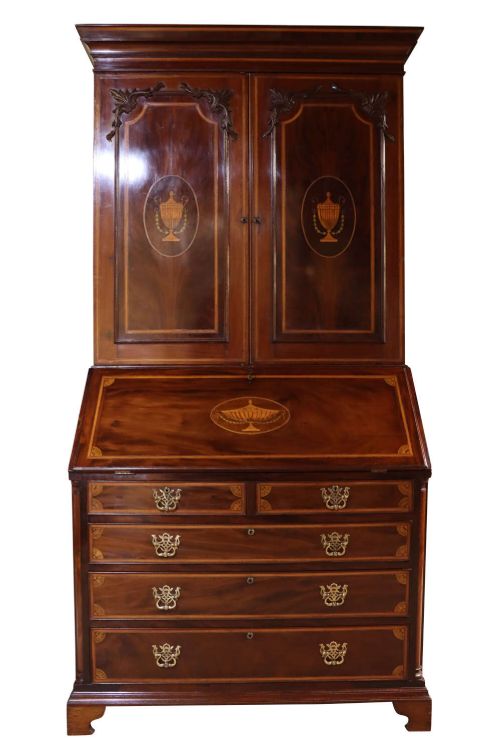
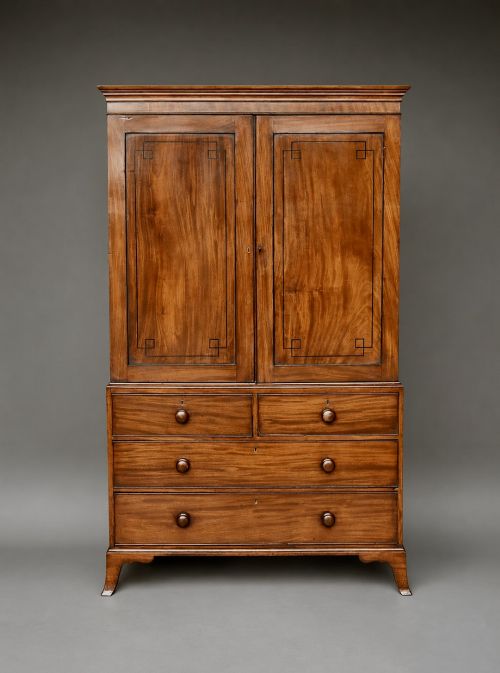
When searching for inlaid mahogany drawers, a buyer encounters a diverse group of case furniture spanning the eighteenth, nineteenth, and early twentieth centuries. The selection ranges from compact bedside chests and bow-fronted side cabinets to large wardrobes, writing desks, and tall tallboys.
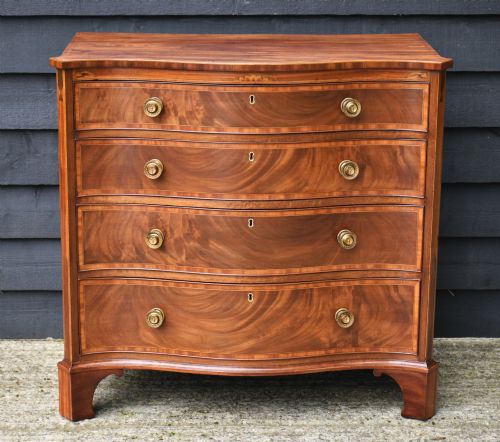
The most frequent items on this page are chests of drawers from the Georgian and Edwardian eras, often featuring graduated tiers, brass hardware, and delicate borders of lighter wood. Pieces take various forms, including bachelor chests, secretaire cabinets, and music cabinets, reflecting the changing domestic needs of their original owners.
Originating across British and continental workshops, these items demonstrate how cabinet makers adapted classical proportions to suit both grand townhouses and smaller bedrooms. The survivals show a steady continuity of form from George III periods through to Edwardian revivals.
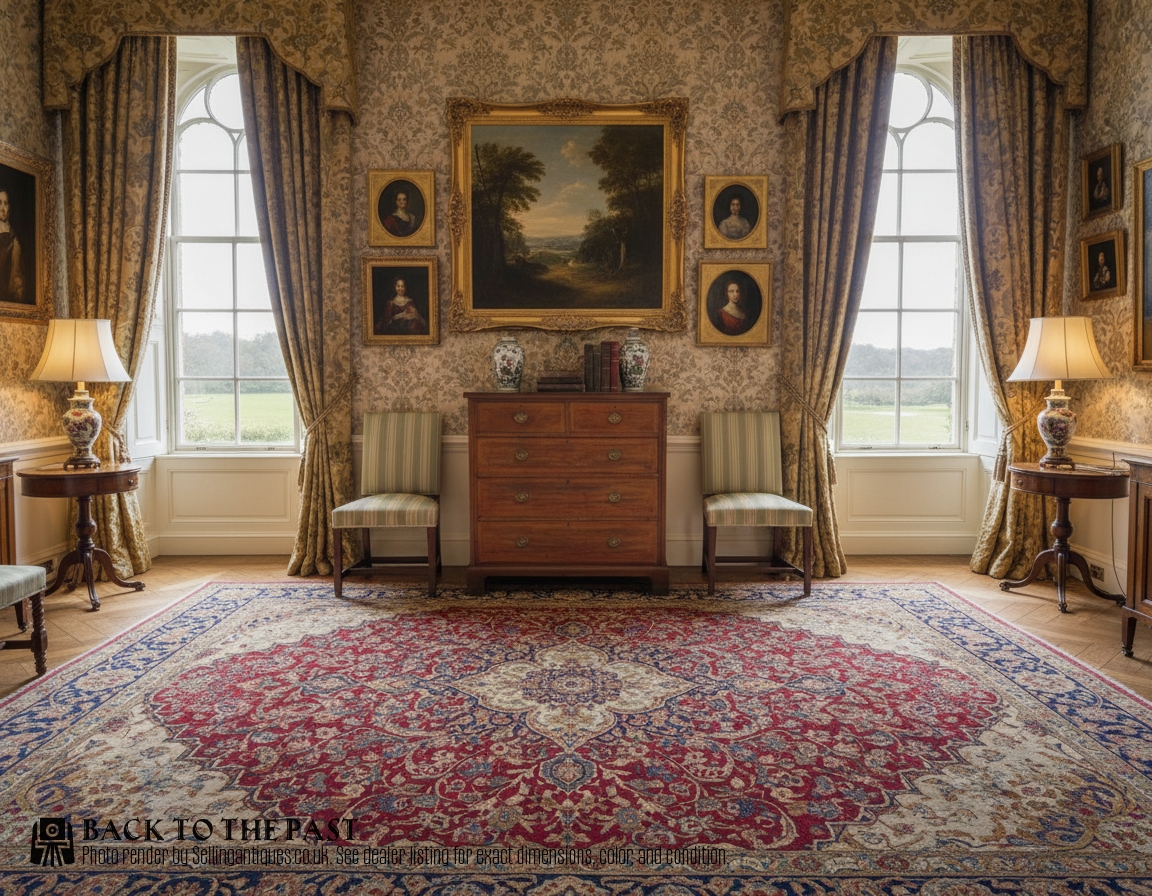
Judging the Workmanship
Quality rests upon the precision of the cabinet work, visible in the tight tolerances of drawer dovetails, the smooth movement of runners, and the thickness of the mahogany veneers. Superior examples display continuous, unbroken grain across drawer fronts and crisp, unblemished stringing.
The refinement of the contrasting inlay and the originality of the brass fittings further distinguish standard production from exceptional workshop output. Finer pieces retain their secondary timbers intact and exhibit careful hand-finishing on internal drawer linings and backboards.
Inlaid Mahogany Drawers Retail Price Guide 2026
Typical asking prices for inlaid mahogany drawers among the pieces listed under this phrase on Sellingantiques today, from the lower quarter to the upper quarter. They describe what is for sale here now, not the wider market.
Listings feature items spanning the Georgian, Regency, Victorian, and Edwardian periods, constructed in solid mahogany with satinwood and boxwood inlay.
maples & co·Edwards & Roberts·J Shoolbred·Druce & Co·Christopher Pratt Bradford
The Inlaid Mahogany Drawers Glossary
- Bow front
- A convex curved cabinet front that projects outward in a smooth arc. This shape became especially popular during the Regency and late Georgian periods for chests of drawers.
- Stringing
- A narrow strip of contrasting timber inlaid into the surface of the wood to form linear borders. It defines the edges of drawer fronts and panels on Edwardian and Georgian furniture.
- Secretaire
- A cabinet or chest containing a fitted pull-down writing drawer with small internal compartments and pigeonholes. These multifunctional pieces often disguise their writing surface behind a standard drawer facade.
- Dovetail
- A traditional interlocking joint used to secure drawer corners together. Hand-cut dovetails with narrow pins indicate older, pre-machine construction methods.
- Brushing slide
- A pull-out shelf located just beneath the top surface of a chest or desk. Originally utilised for dusting garments or writing brief notes before paper was plentiful.
Inlaid Mahogany Drawers: Frequently Asked Questions
How do I date an inlaid mahogany chest?
Dating relies on examining construction methods, timber thickness, and the style of the brass hardware. Hand-cut dovetails and secondary woods like oak usually point to eighteenth or early nineteenth-century origins.
Later Edwardian pieces often utilise machine-sawn components, thinner veneers, and brighter satinwood stringing. Comparing the secondary timber and backboards helps confirm the period of manufacture.
How were these drawers originally used?
These pieces served multiple domestic functions in bedrooms, dressing rooms, and libraries for storing garments, linens, and personal valuables. Specialised variants included writing surfaces or compartments for sheet music.
Larger chests accommodated seasonal clothing, while smaller bedside cabinets held chamber lighting and night-time essentials. Writing desks and bureau bookcases combined storage with dedicated workspace.
How do I care for antique mahogany?
Mahogany requires stable room humidity and protection from direct sunlight to prevent the timber from drying out or fading. Gentle dusting with a dry, soft cloth maintains the polished surface without damaging the delicate inlay.
Applying traditional beeswax occasionally helps nourish the wood and preserve the depth of the grain. Avoid placing items near direct heat sources or damp environments.
Are replacement handles common?
Hardware replacement happens frequently on antique furniture due to heavy daily use or changing domestic fashions over the centuries. Many pieces retain period-appropriate brass handles even if the original fixings were updated.
Looking closely at the interior drawer timber reveals filled old screw holes if the hardware configuration changed. Original handles add significant interest for collectors valuing untouched condition.