



Inlaid Wood Bureau
An inlaid wood bureau offers a practical workspace framed by decorative surface detail, spanning periods from the Georgian era through to Edwardian interpretations.
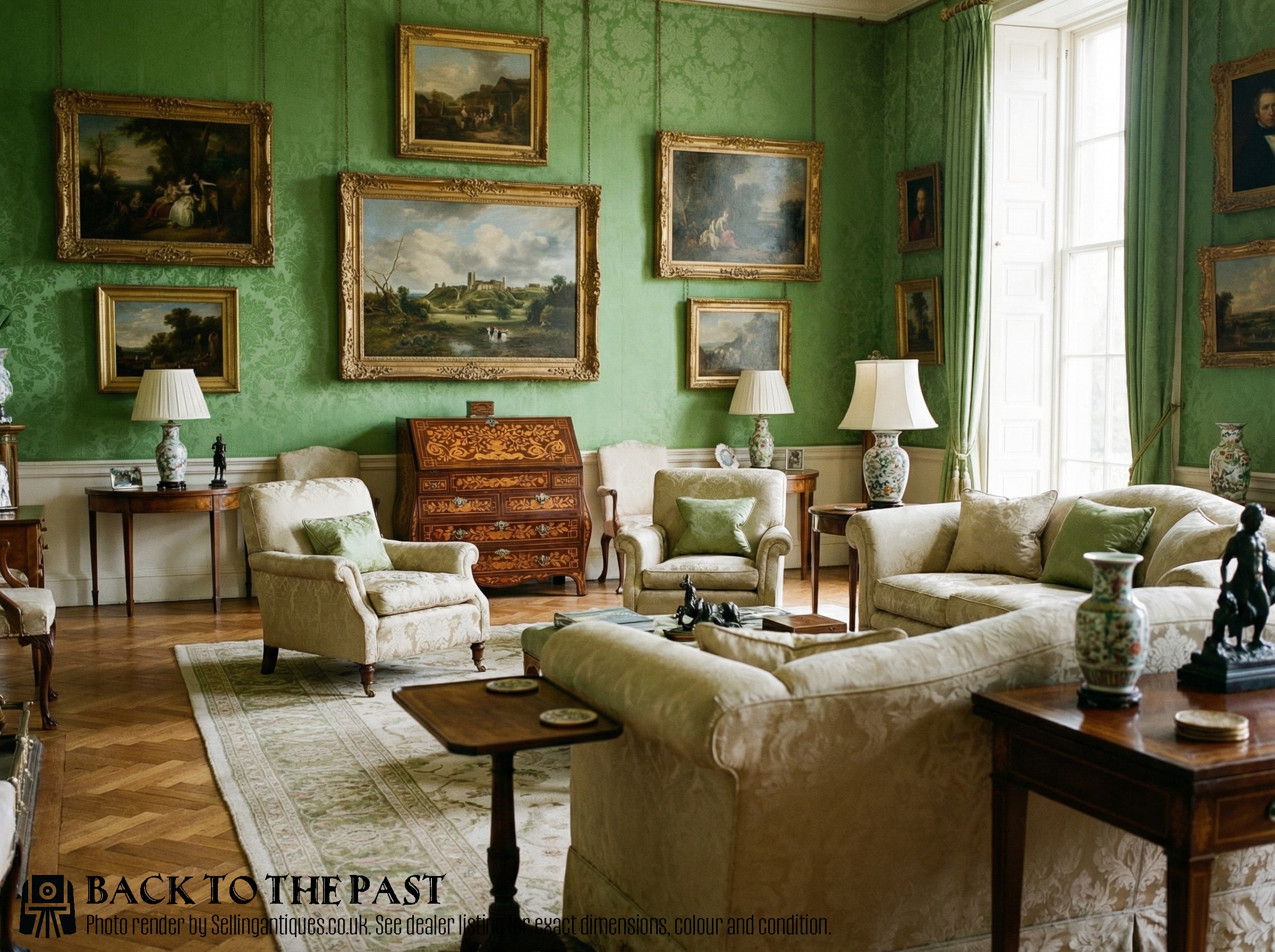
Inlaid Wood Bureau
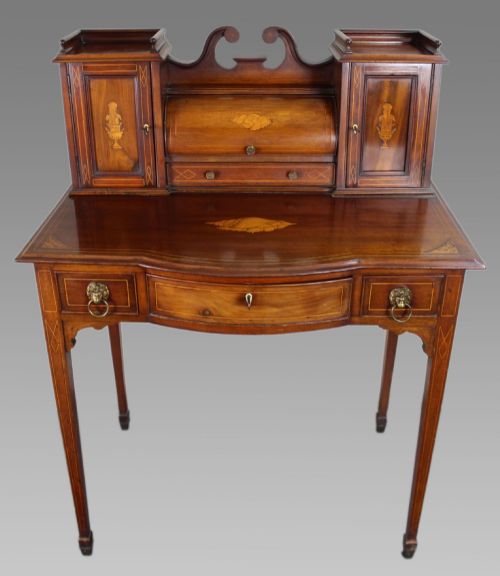
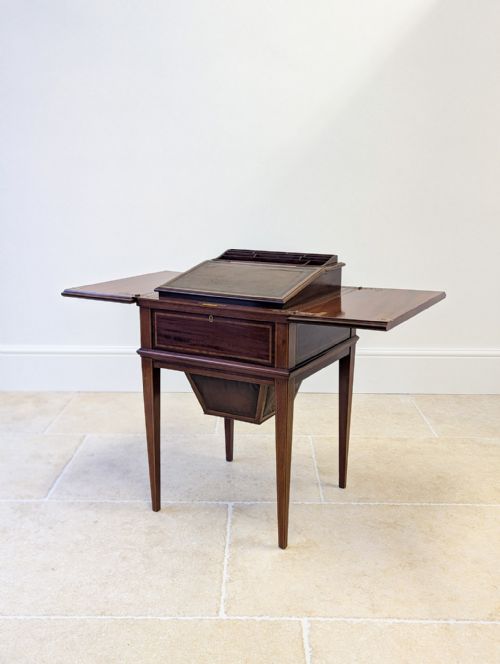
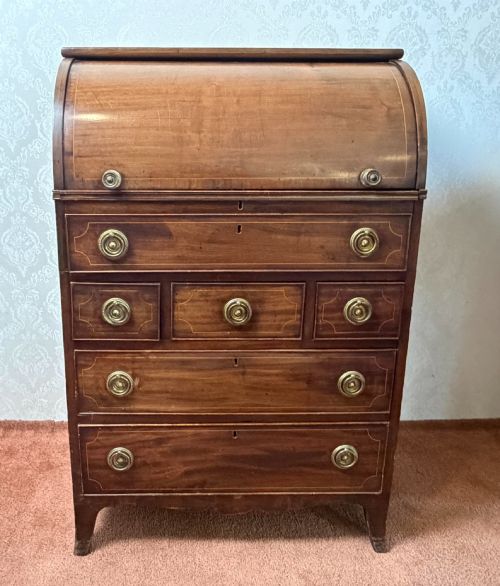
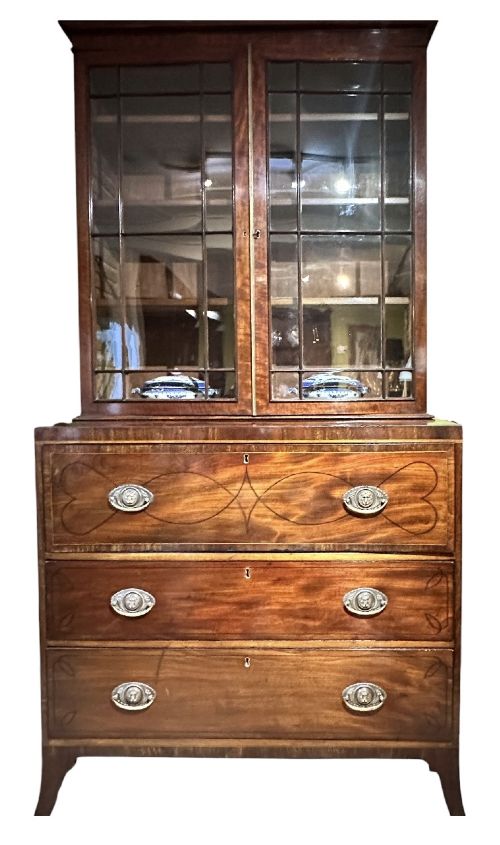
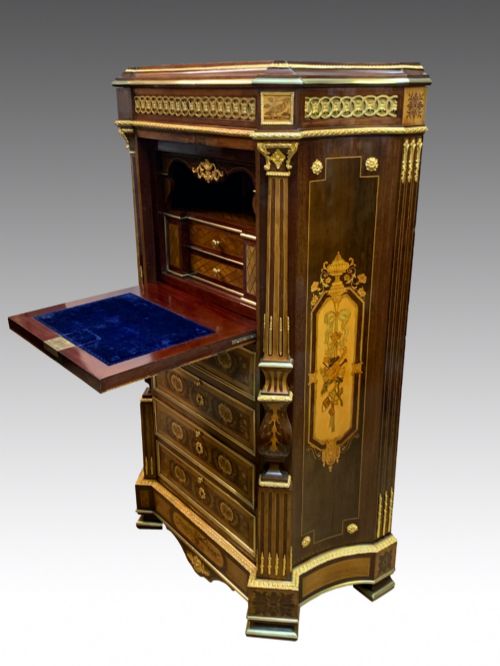
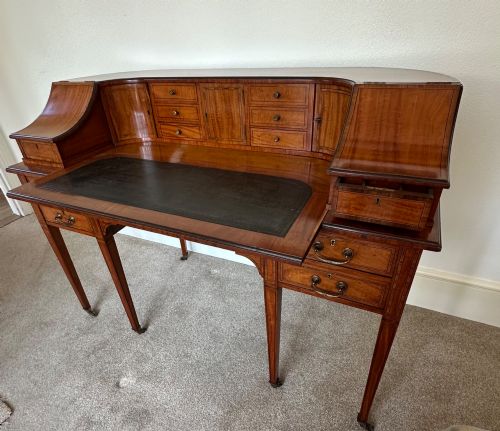
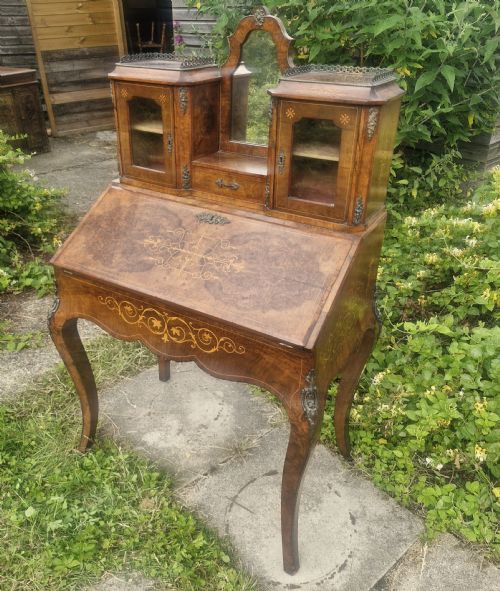
An inlaid wood bureau encompasses writing furniture with fitted compartments, drop-front writing slopes, and decorative contrasting veneers or banded lines. The form ranges from substantial Georgian writing desks and bureau bookcases to compact Edwardian satinwood models and French bureau de dame examples.
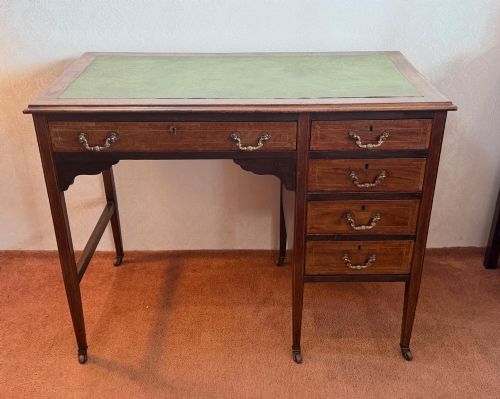
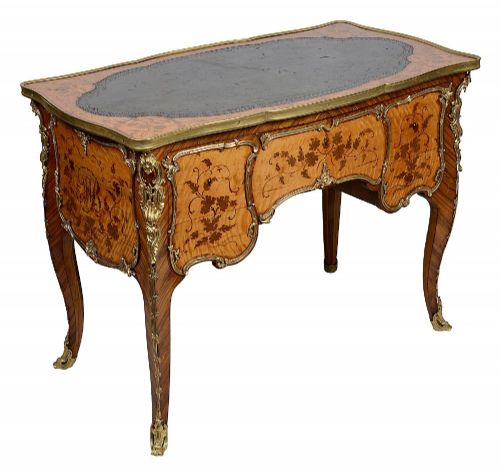
The pieces on this page emerge primarily from the Georgian, Victorian, and Edwardian periods, alongside nineteenth-century French workshops. Buyers will encounter mahogany carcases with satinwood highlights, rosewood marquetry finishes, and walnut constructions featuring fitted interior drawers and pigeonholes.
These items served domestic writing and record-keeping needs in formal libraries, drawing rooms, and studies. Their survival demonstrates both utilitarian purpose and decorative ambition through changing interior design tastes.
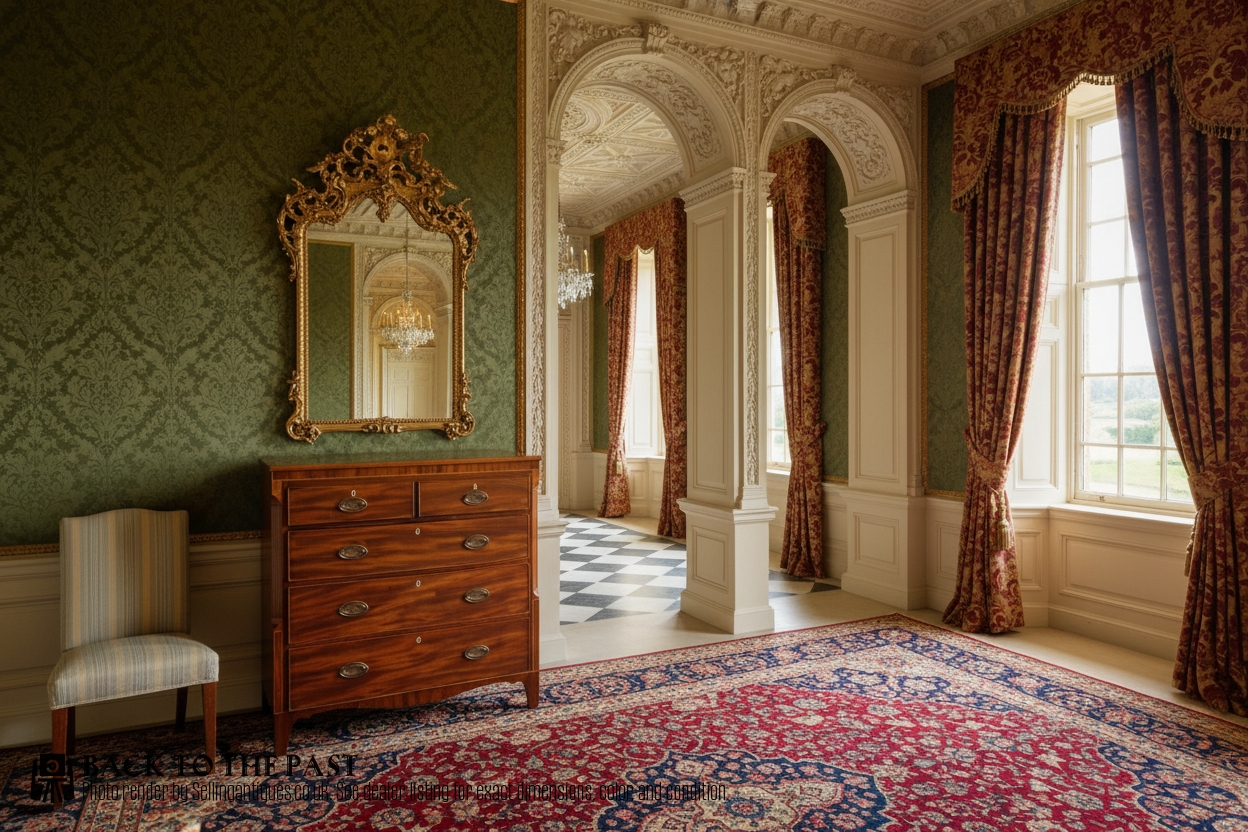
How they were made
Cabinet makers constructed the primary carcase using timbers like mahogany, walnut, rosewood, and kingwood, often shaping curved fronts or incorporating tiered bookcase superstructures. Secondary structural elements and drawer linings frequently relied on oak or deal to provide stability for the working parts.
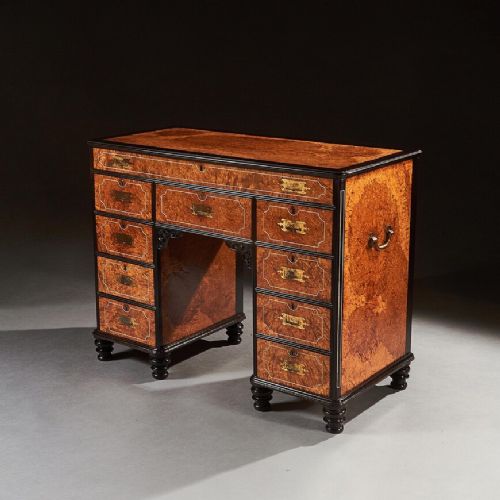
Decorative surfaces utilise contrasting veneers and fine stringing through inlay and marquetry techniques, incorporating satinwood, boxwood, and floral motifs. Brass handles, key escutcheons, and occasional ormolu mounts complete the assembly of these writing desks and cabinets.
Listings feature eighteenth-century Georgian designs alongside nineteenth-century French marquetry and Edwardian satinwood variations.
What varies in quality
The calibre of an inlaid wood bureau rests upon the precision of the cabinet work, the depth of figuring in the timber, and the intricacy of the contrasting veneer patterns. Superior examples display seamless alignment across moving writing flaps and tightly fitted interior pigeonholes.
Selected pieces integrate high-grade secondary woods, finely cast brass hardware, and hand-cut marquetry rather than simpler banded lines. The cohesion between the structural joinery and the decorative surface enrichment determines the standing of each individual desk.
Maison Krieger·Mawer & Stephenson·James Shoolbred
The Inlaid Wood Bureau Glossary
- Marquetry
- The practice of arranging contrasting veneers into pictorial or geometric patterns on a wooden surface. This technique creates the floral and scroll designs seen on many nineteenth-century French and English writing pieces.
- Bureau de dame
- A small ladies writing desk, often freestanding and fitted with delicate interior compartments. These compact writing tables frequently feature rosewood or kingwood finishes with detailed inlay.
- Crossbanding
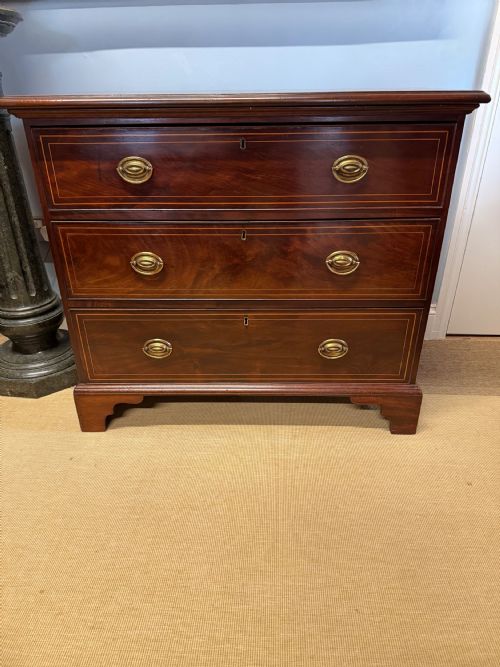
- A border of veneer laid around the edges of a panel so that the grain runs at right angles to the central wood. This framing method defines drawer fronts and writing surfaces on Georgian and Edwardian furniture.
- Secretaire
- A piece of furniture containing a concealed writing drawer or a drop-front writing compartment disguised as a set of drawers or a cabinet. These hybrid forms combine storage capacity with a dedicated writing surface.
- Tambour
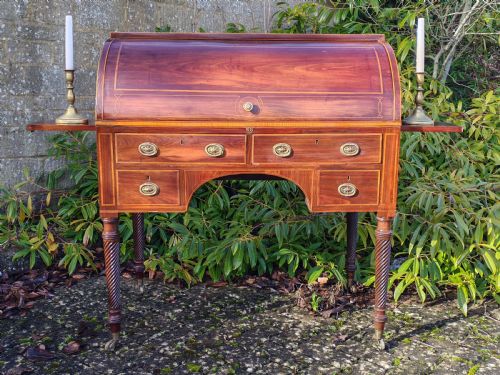
- A flexible sliding shutter formed from narrow strips of wood glued to a canvas backing, used to enclose desk pigeonholes. It runs in concealed grooves to cover the upper writing section of specific writing desks.
Inlaid Wood Bureau: Frequently Asked Questions
How do I date an antique bureau?
Dating relies on examining the construction methods, timber choices, and stylistic markers visible in the carcase and interior fittings. Georgian examples typically feature solid mahogany and simpler linear stringing, while Edwardian pieces often utilise satinwood and painted or complex marquetry.
Secondary woods inside the drawers and the style of the brass hardware also provide clear indicators of the manufacturing period.
Where should I place a bureau?
These desks suit studies, living rooms, and bedrooms where their compact footprints and decorative facades add traditional character. Freestanding French bureau de dame models work well positioned away from walls to display all-round marquetry.
Keep them away from direct sunlight and strong heat sources to protect the delicate wood veneers and leather writing surfaces from drying out.
What is the difference between a bureau and a bureau bookcase?
A standard bureau consists of a base cabinet with a writing flap and drawers, whereas a bureau bookcase incorporates an upper shelved cabinet with glass or panelled doors. The bookcase section provides display or storage space above the working desk area.
Both forms share similar internal desk arrangements but differ significantly in overall height and architectural presence.