

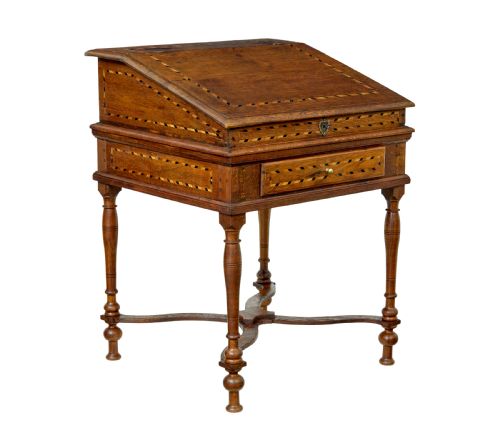
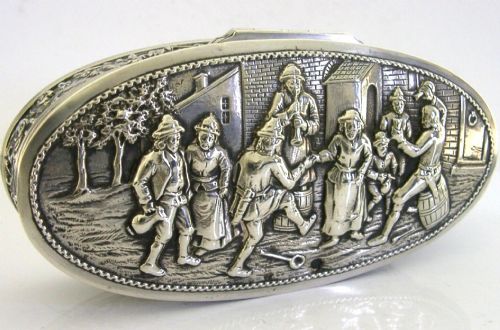
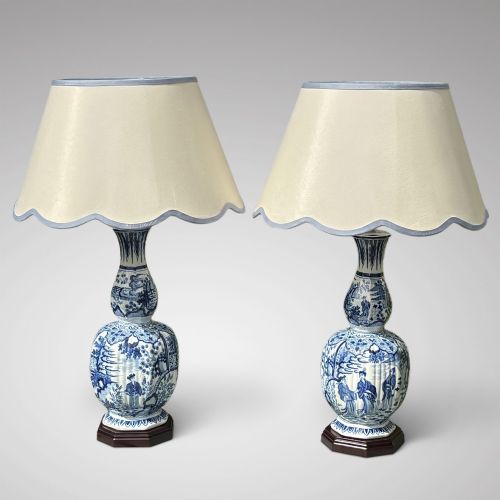
Antique Dutch Desk
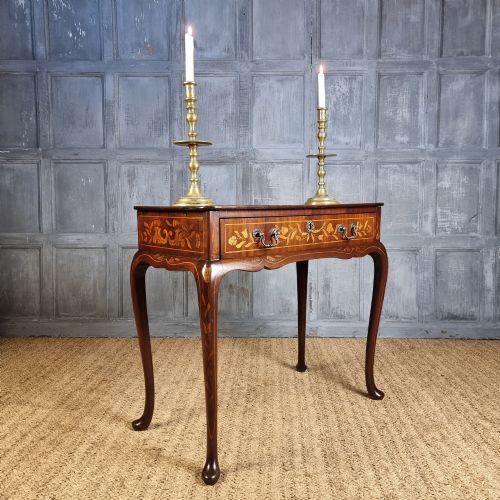
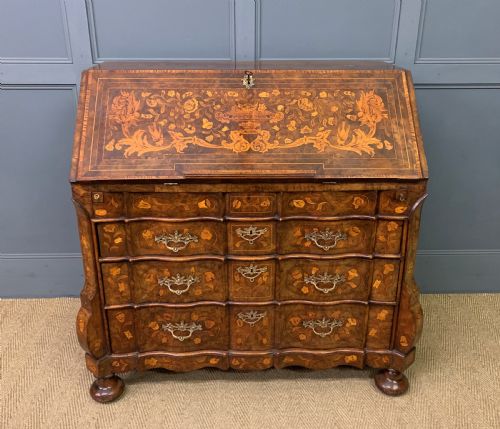
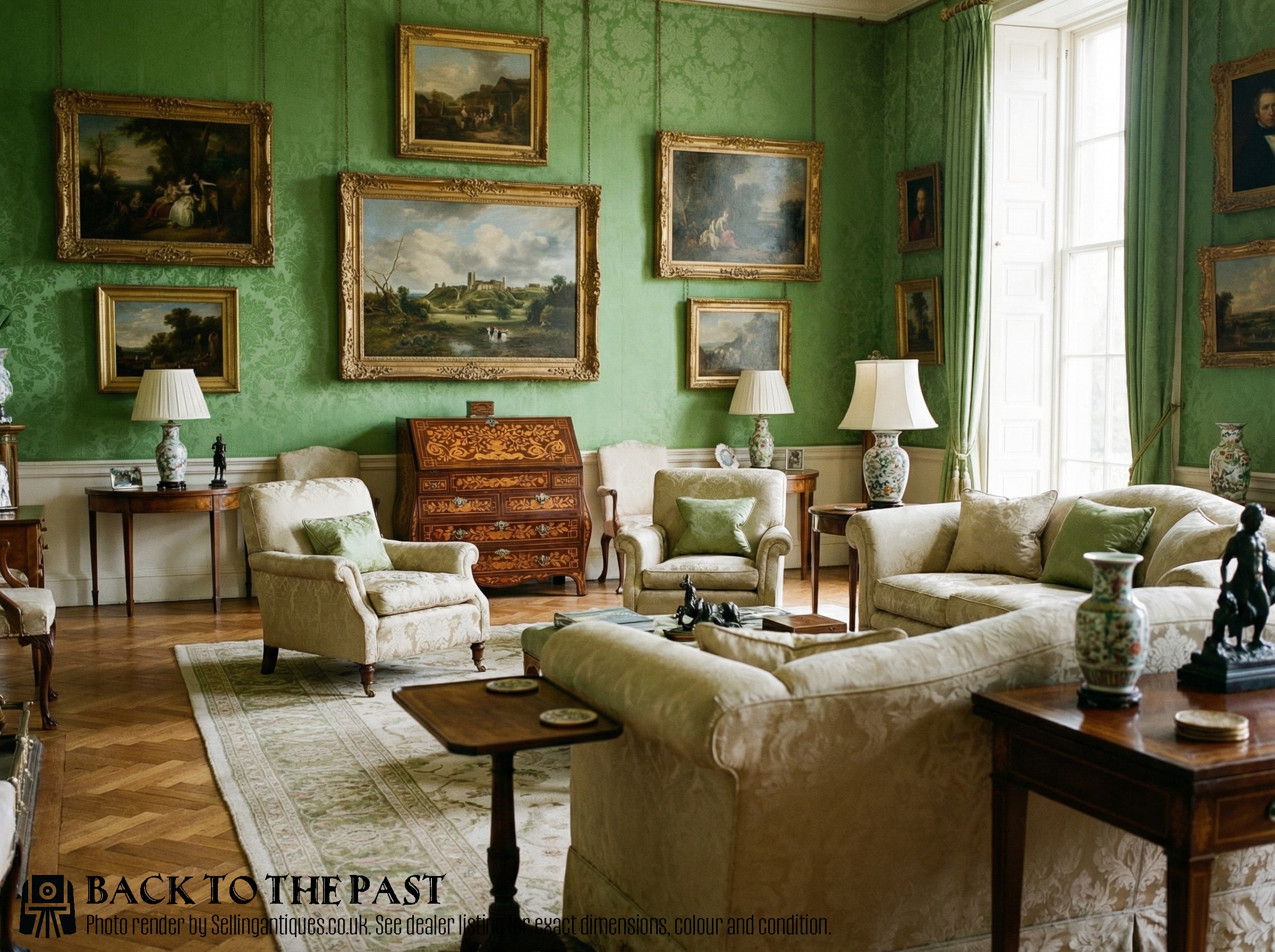
An antique dutch desk brings elaborate floral marquetry, bombé forms and rich burr walnut into a room from the eighteenth century onwards.
Antique Dutch Desk
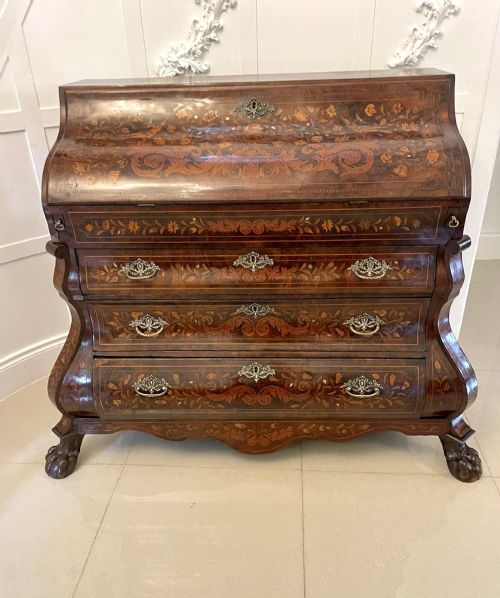
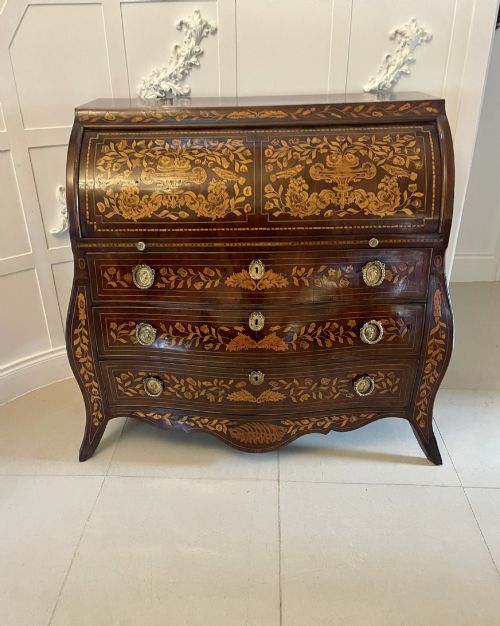
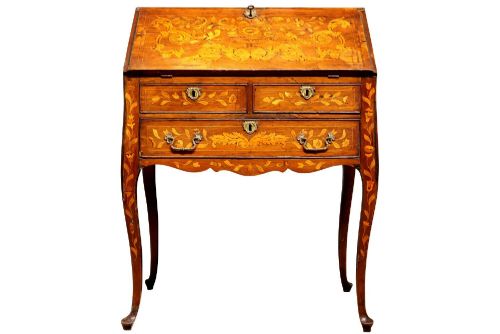
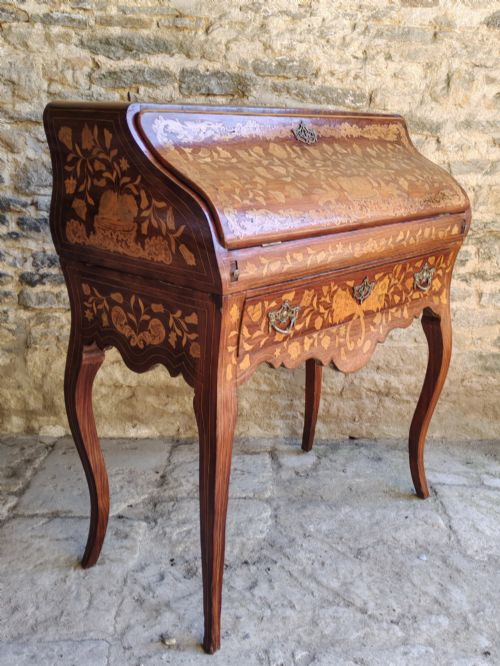
When you search for an antique dutch desk, you find writing furniture spanning from the eighteenth century into the nineteenth century. The most common forms on this page are bureaux, bureau bookcases and cylinder bureaux, often shaped with characteristic bombé fronts.
Alongside standard writing furniture, the selection includes specialised pieces such as architects' tables, writing slopes and secretaire cabinets. These items share the same heavy investment in pictorial wood inlay and dramatic curved silhouettes.
Materials and construction
Cabinet makers constructed carcass frames in solid oak or pine before applying veneers of walnut, burr walnut or mahogany. They shaped the distinctive bombé fronts by building up curved wooden blocks or steaming thick timbers into swelling contours.
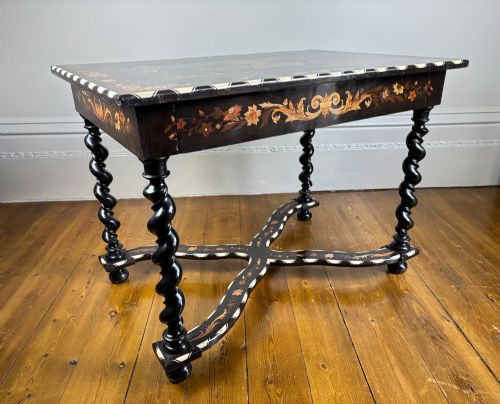
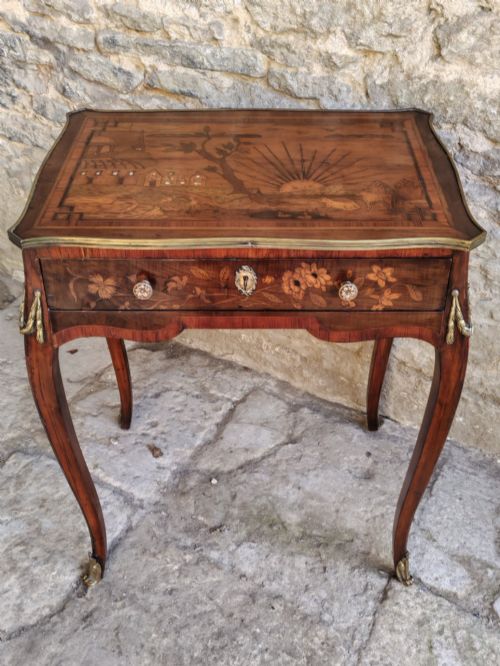
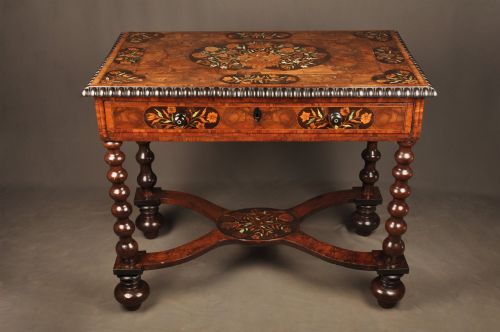
The defining decorative technique is marquetry, created by cutting floral and avian patterns from fruitwood veneers and fitting them into a contrasting ground. Master craftsmen added bone or ivory inlay details to highlight specific botanical motifs within the complex wooden pictures.
Listings feature eighteenth-century and nineteenth-century pieces built from walnut, mahogany, oak and fruitwood.
Quality variations in the range
The standard of an antique dutch desk rests principally on the ambition and execution of its marquetry. Pieces at the upper end display dense, naturalistic floral and bird compositions covering every exterior surface, including the sides and fall-front interior.
Structural complexity also dictates value, particularly the presence of a true bombé curve rather than a simple straight front. Pieces retaining original fire-gilt brass handles, fitted interior compartments and well-figured burr walnut veneers stand above simpler iterations.
The Antique Dutch Desk Glossary
- Bombé
- A swelling, convex outward curve on the front and sides of a piece of furniture. This characteristic eighteenth-century shape requires advanced woodworking skill to veneer successfully.
- Marquetry
- A technique where different coloured wood veneers are pieced together to form pictorial designs. Artisans utilise fruitwoods to render detailed flowers, leaves and birds.
- Bureau
- A sloping desk that opens to reveal a writing surface and small pigeonholes or drawers. The fall-front lid conceals the inner stationery compartments when closed.
- Bureau bookcase
- A tall two-part furniture form combining a sloping desk base with upper shelving enclosed by doors. These large pieces served as both writing stations and storage for libraries.
- Fruitwood
- Dense timber derived from fruit-bearing trees such as pear, apple or cherry. Craftsmen prize these woods for their fine grain and distinct natural tones in inlay work.
Antique Dutch Desk: Frequently Asked Questions
What is a bombé front?
A bombé front is a pronounced convex curve that swells outward on the lower section of a bureau or desk. This undulating shape creates a dramatic silhouette typical of eighteenth-century Dutch cabinet making.
Crafting this contour required skilled carpentry to bend and shape solid timbers or thick veneer substrates without cracking the wood. It remains a primary indicator of ambitious design in older Dutch furniture.
How do I care for marquetry?
Marquetry requires stable room conditions away from direct sunlight and sudden radiator heat to prevent the delicate fruitwood veneers from lifting. Maintaining consistent humidity preserves the natural glues holding the intricate wooden pictures to the carcass.
Apply a light microcrystalline wax periodically rather than modern liquid polishes to nourish the timber surface. Gentle dusting with a dry, soft cloth prevents surface grit from scratching the fine inlay work.
What wood was used?
Cabinet makers relied heavily on walnut, burr walnut and mahogany for the primary exterior surfaces of these desks. These timbers provided rich, dark backgrounds that made the lighter fruitwood marquetry stand out vividly.
Oak frequently served as the secondary wood for drawer interiors, carcase frames and structural supports. Occasional pieces incorporated satinwood or ebonised elements to add further contrast to the decorative schemes.
Are interiors fitted with drawers?
Most antique desks feature an arrangement of small internal drawers, pigeonholes and secret compartments concealed behind the sloping fall-front. These compartments stored stationery, documents and valuables securely within the main writing cavity.
More elaborate bureau bookcases often include central locking cupboards and removable document boxes inside the fitted interior. The complexity of these internal fitments generally matches the quality of the exterior marquetry.