



Dutch Baroque Furniture
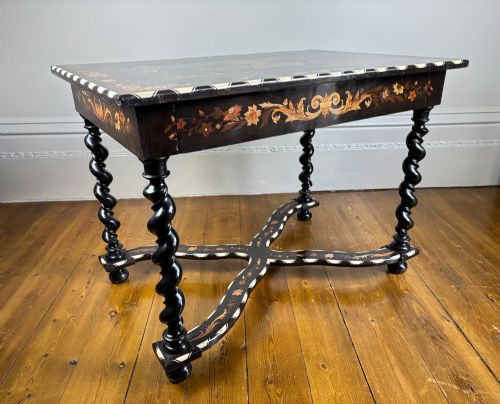
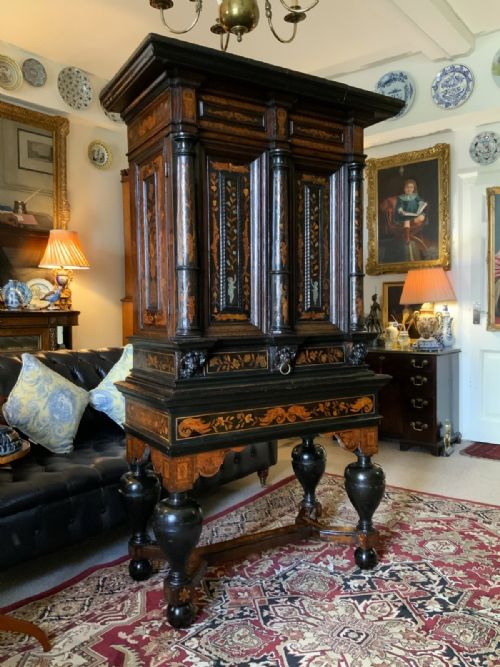
Dutch baroque furniture brings serious presence to a room through deep wood tones and elaborate floral marquetry.
Dutch Baroque Furniture
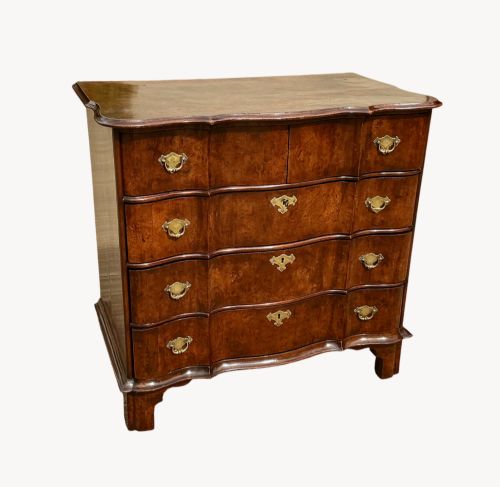
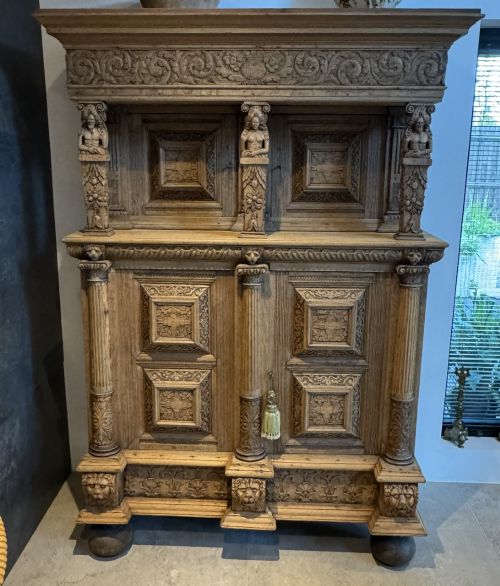
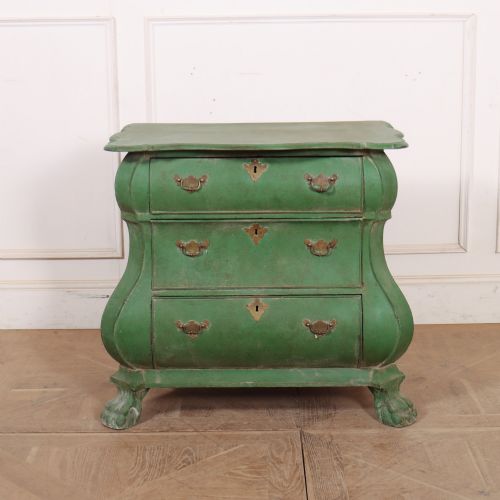
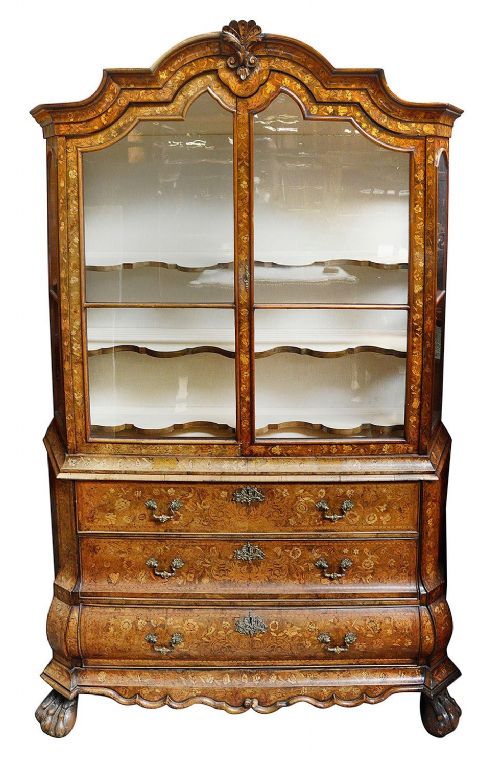
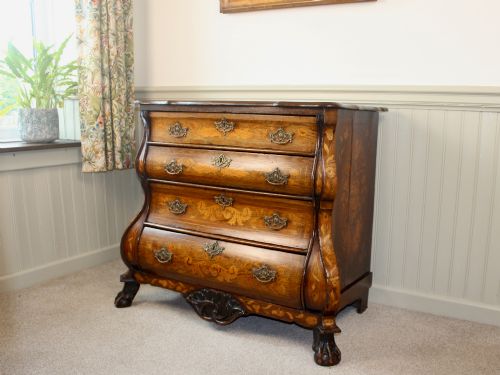
Dutch baroque furniture comprises substantial timber pieces designed with deep moulding, curvaceous fronts, and rich surface decoration. When exploring dutch baroque furniture, buyers encounter forms ranging from imposing cabinets and linen presses to serpentine chests of drawers and side tables.
The objects span multiple centuries, touching the seventeenth, eighteenth, and nineteenth centuries alongside later revival pieces. Cabinets on stand, armoires, and bombe chests dominate the selection, offering significant storage alongside decorative display.
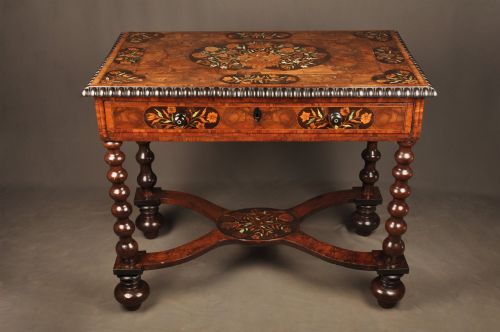
Makers utilised native and imported timbers, shaping them into monumental case pieces and smaller decorative items like games tables and corner cabinets.
How They Were Made
Craftsmen built structural carcasses from sturdy timbers like oak and walnut, applying delicate veneers over the core. Burr walnut and fruitwood added varied grain patterns across larger surfaces.
Marquetry formed a central technique, inlaying bone, pewter, and lighter woods to create complex floral designs. Ebonised wood provided dark contrast, while brass hardware completed the construction.
Dutch Baroque Furniture Retail Price Guide 2026
Typical asking prices for dutch baroque furniture among the pieces listed under this phrase on Sellingantiques today, from the lower quarter to the upper quarter. They describe what is for sale here now, not the wider market.
Listings feature oak, walnut, and burr walnut alongside fruitwood marquetry and ebonised finishes across several centuries.
What Varies in Quality
The standard of marquetry dictates the tier of a piece, separating simple surface patterns from intricate floral compositions that wrap seamlessly around curved drawer fronts. Precision in the inlay work and the harmonious grain matching of burr walnut veneers define superior execution.
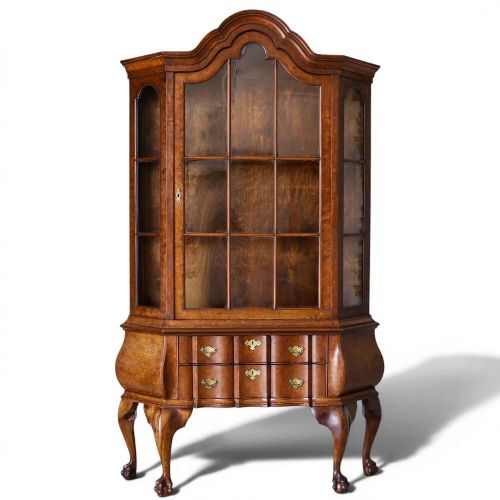
Structural complexity also separates standard items from exceptional ones, particularly in the shaping of bombe forms and the joinery of heavy armoires and cabinets on stand.
King Willem I of the Netherlands
The Dutch Baroque Furniture Glossary
- Bombe
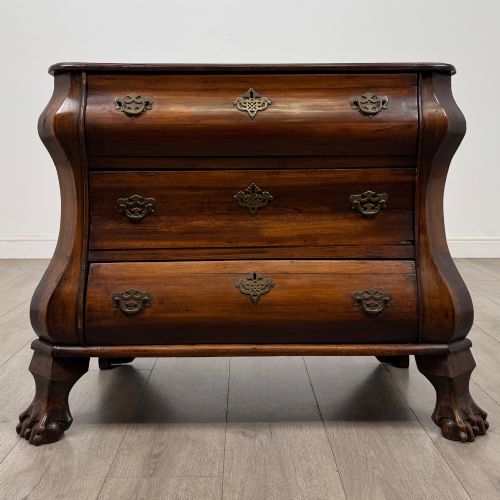
- A bulging, outward-curving shape typical of continental case pieces. This swelling profile requires expert veneer shaping.
- Marquetry
- Decorative veneer patterns assembled from various woods, bone, and metal. Craftsmen cut these elements to form elaborate floral scenes.
- Kussenkast
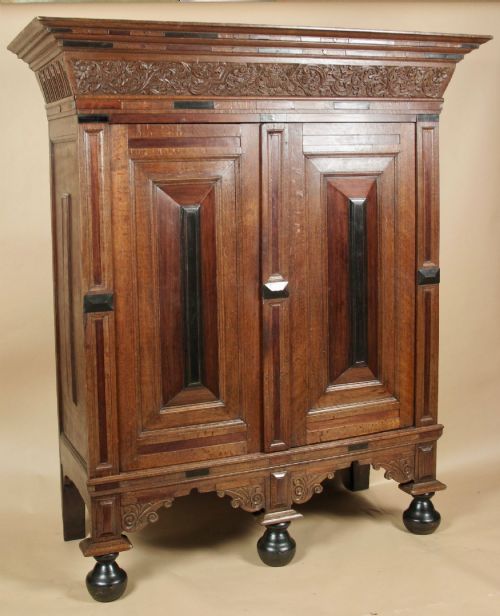
- A large Dutch cupboard featuring cushion-moulded panel doors. These monumental armoires showcase heavy timber framing.
- Vitrine
- A glass-fronted cabinet designed for displaying objects. Upper glazed sections sit atop solid wooden bases.
- Ebonised
- Timber treated to imitate ebony. This dark finish highlights contrasting inlay materials like pewter and bone.
Dutch Baroque Furniture: Frequently Asked Questions
What defines Dutch baroque furniture?
These pieces combine heavy architectural proportions with extravagant surface decoration, featuring rich veneers and floral marquetry.
Craftsmen balanced structural weight with flowing curves, particularly in bombe chests and monumental cabinets.
How do I place a bombe chest?
A bombe chest requires space to let its swelling silhouette and rich wood grain stand out properly. Position it against a plain wall where lighting catches the curved drawer fronts.
Keep surrounding decor restrained to let the intricate marquetry remain the focal point of the interior.
Are these pieces strictly seventeenth century?
While the style originates in the seventeenth century, the evidence includes eighteenth and nineteenth-century examples alongside later revival pieces.
Maker techniques evolved across these periods, producing everything from authentic seventeenth-century armoires to nineteenth-century display cabinets.
What timbers were commonly used?
Walnut and oak form the structural backbone of these items, supplemented by fruitwood, rosewood, and burr elm. Artisans selected these woods for their strength and grain pattern.
Inlays incorporate ebonised wood, pewter, and bone to create high-contrast decorative panels.