

Floral Marquetry Furniture
Floral marquetry furniture brings intricate, blooming timber work into a room, offering centuries of decorative craft for daily use.
What floral marquetry furniture is
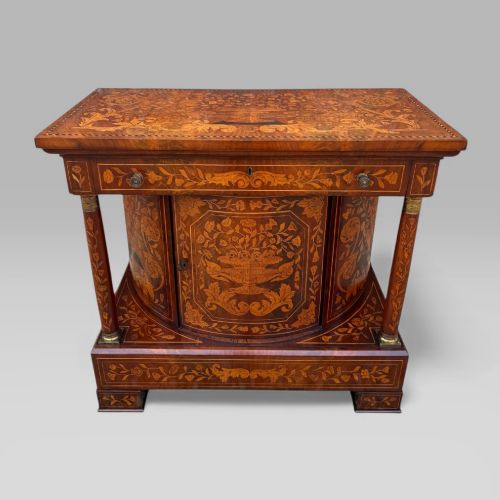
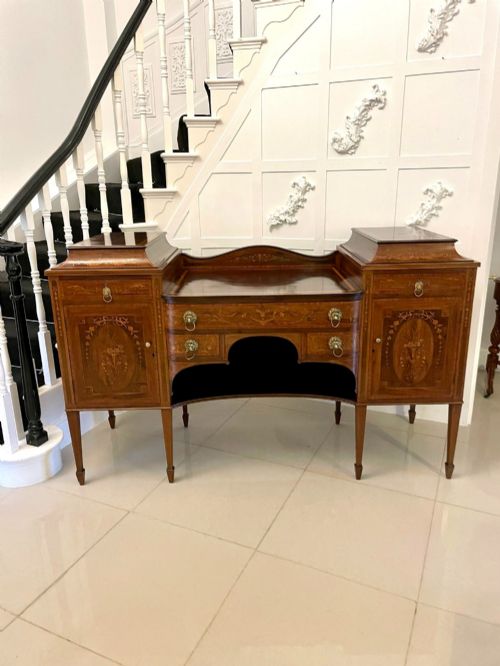
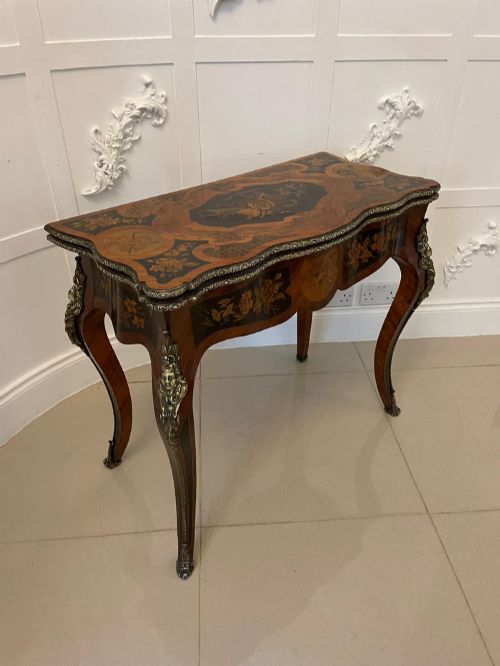
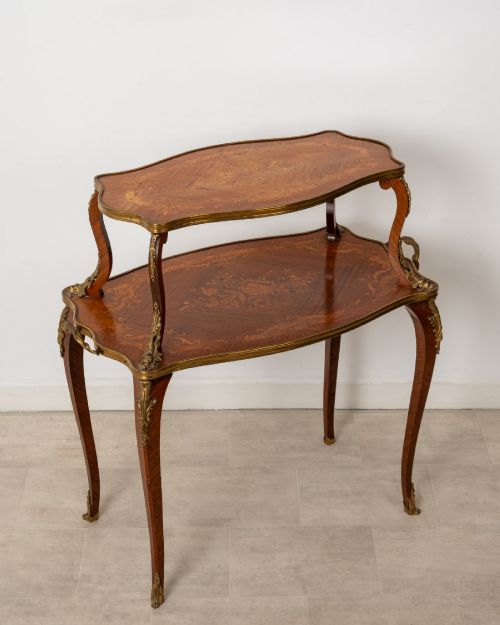
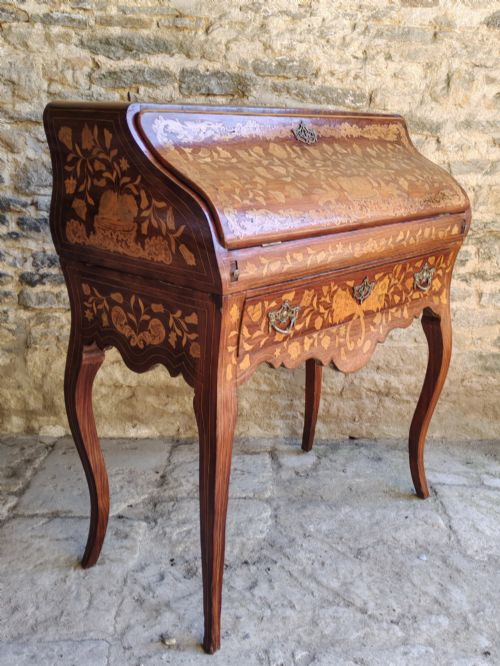
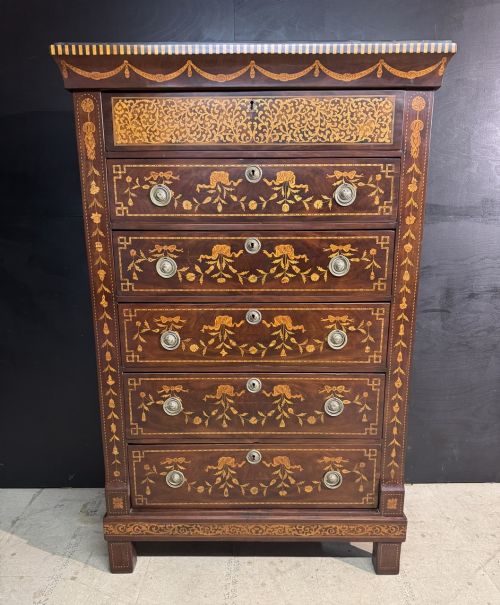
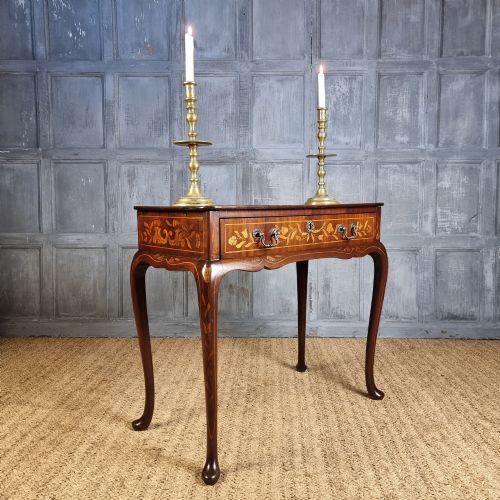
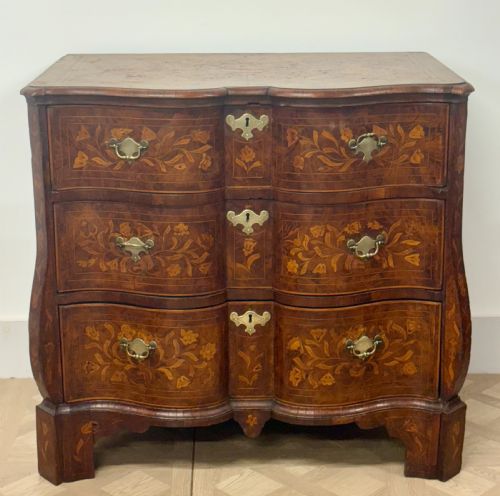
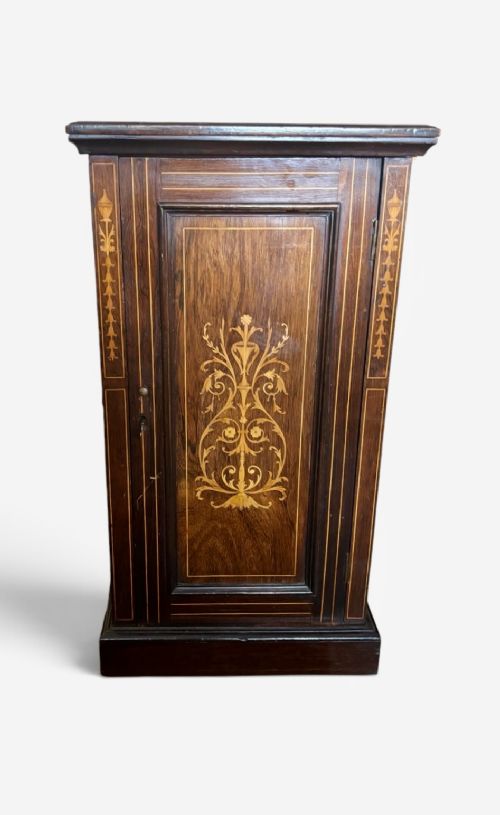
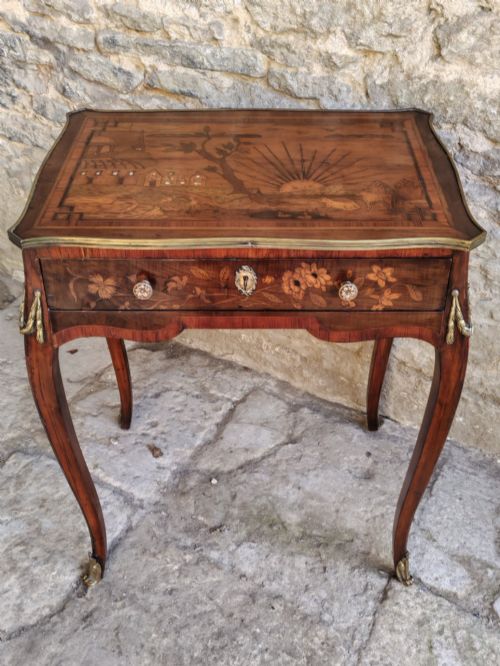
When you search for floral marquetry furniture, you encounter sophisticated timber furnishings decorated with elaborate plant and flower designs cut from fine veneers. These pieces span the eighteenth century and the nineteenth century, including the Sheraton Revival period.
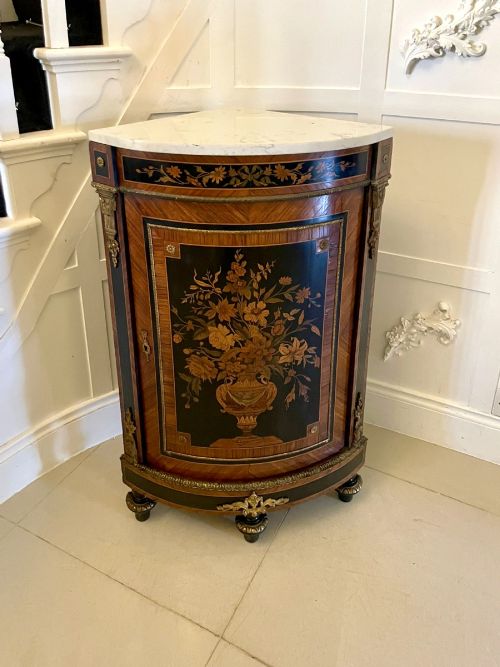
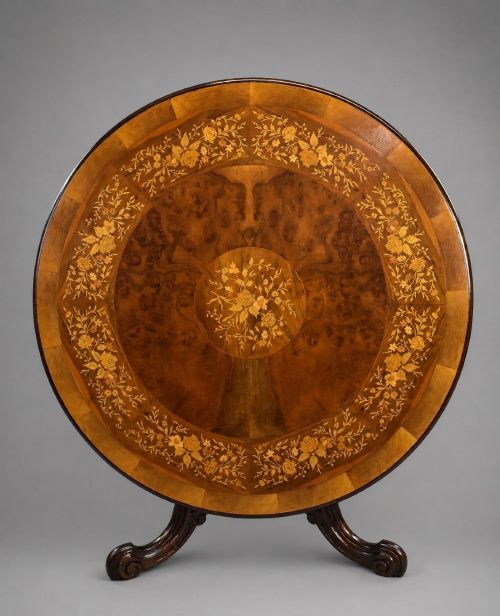
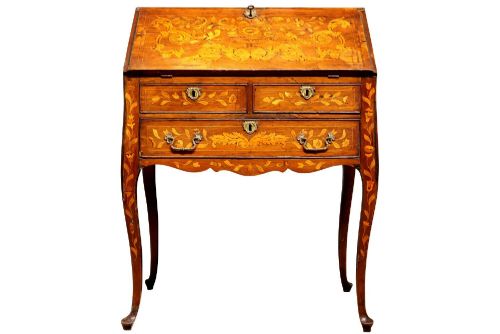
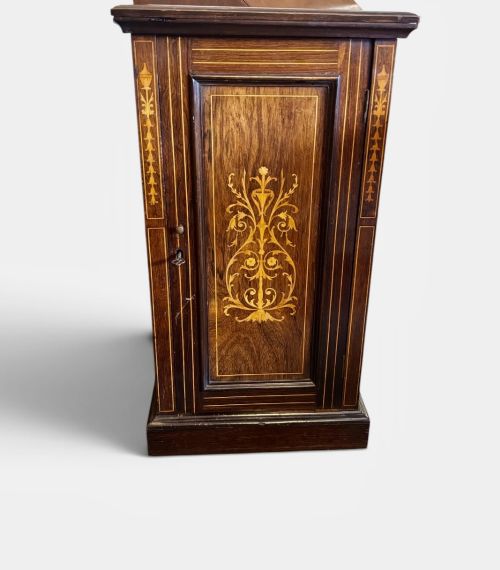
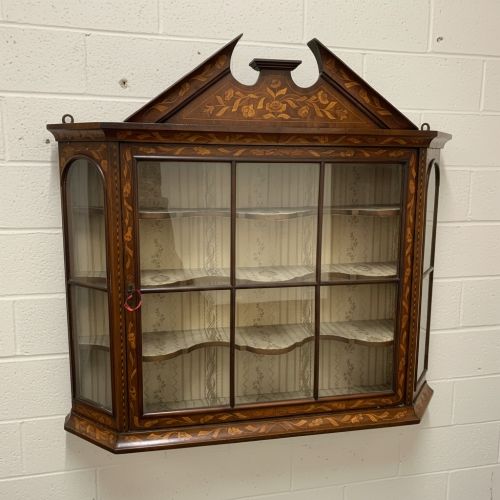
The selections on this page showcase a variety of forms designed for domestic utility and display. You will find chests of drawers, centre tables, corner cabinets, display cases, bureaux, miniature cabinets, and games tables.
Many examples originate from continental workshops, particularly reflecting Dutch Baroque, Dutch Rococo, and general eighteenth-century Dutch traditions. These items combine structural cabinetry with pictorial wood inlay to create striking focal points.
Materials and construction
Cabinet makers built these pieces using primary timbers such as walnut and oak to form the sturdy carcase and structural elements. Glass also appears in glazed doors for cabinets and display cases.
The decorative surfaces rely upon fruitwood veneer and fruitwood inlay combined with specific floral marquetry techniques. Brass hardware often provides functional pulls, escutcheons, and hinges across drawers and doors.
Retail Price Guide 2026
Typical UK retail prices for floral marquetry furniture, calculated from the Sellingantiques database of over a million retail prices indexed since 2003. This retail price guide relies exclusively on Sellingantiques data; no external sources or auction records are used, so the figures do not describe the wider market.
The furniture forms recorded include games tables, corner cabinets, and miniature apprentice pieces.
Judging quality
Quality rests upon the precision of the veneer cutting and the natural tonal shading achieved within the fruitwood flowers and foliage. Finer execution displays sharp botanical contours and seamless integration into the walnut background.
The structural integrity of the underlying carcase and the faithful adherence to period styles such as Dutch Rococo or Sheraton Revival determine the standing of each piece. Superior examples maintain the crispness of their original marquetry panels without excessive replacement or blurring.
Edwards and Roberts
The Floral Marquetry Furniture Glossary
- Marquetry
- The art of forming decorative patterns on a wooden carcase by fitting together small pieces of veneer. It differs from inlay by covering the entire surface rather than sinking designs into a solid base.
- Veneer
- A thin slice of fine timber applied over a secondary wood to provide a decorative exterior. Fruitwoods are frequently utilised for this purpose to achieve contrasting natural colours.
- Carcase
- The main structural body or framework of a piece of furniture such as a chest or cabinet. It provides the solid foundation upon which decorative veneers are laid.
- Escutcheon
- A protective plate surrounding a keyhole, often made of brass on period furniture. It serves a functional purpose while adding a decorative metal accent to doors and drawer fronts.
Frequently Asked Questions
What is floral marquetry?
Floral marquetry is a decorative technique where thin slices of various woods are meticulously shaped and fitted together to form pictorial arrangements of flowers and leaves on furniture surfaces.
Craftsmen select timbers like fruitwood to create natural shading within the petals and stems before applying the finished panel to a primary carcase.
How do I care for antique marquetry?
Protect these pieces by keeping them away from direct sunlight, which can fade the delicate fruitwood veneers and alter the natural timber tones over time.
Maintain stable indoor humidity levels and dust gently with a soft cloth rather than applying heavy liquid polishes that might seep into the fine joints.
Where were these pieces made?
Many of these items originate from eighteenth-century Dutch workshops renowned for elaborate floral inlay and baroque or rococo stylistic influences.
Later nineteenth-century British interpretations, such as those from the Sheraton Revival period, also contribute to the styles available on this page.
What rooms suit these tables and cabinets?
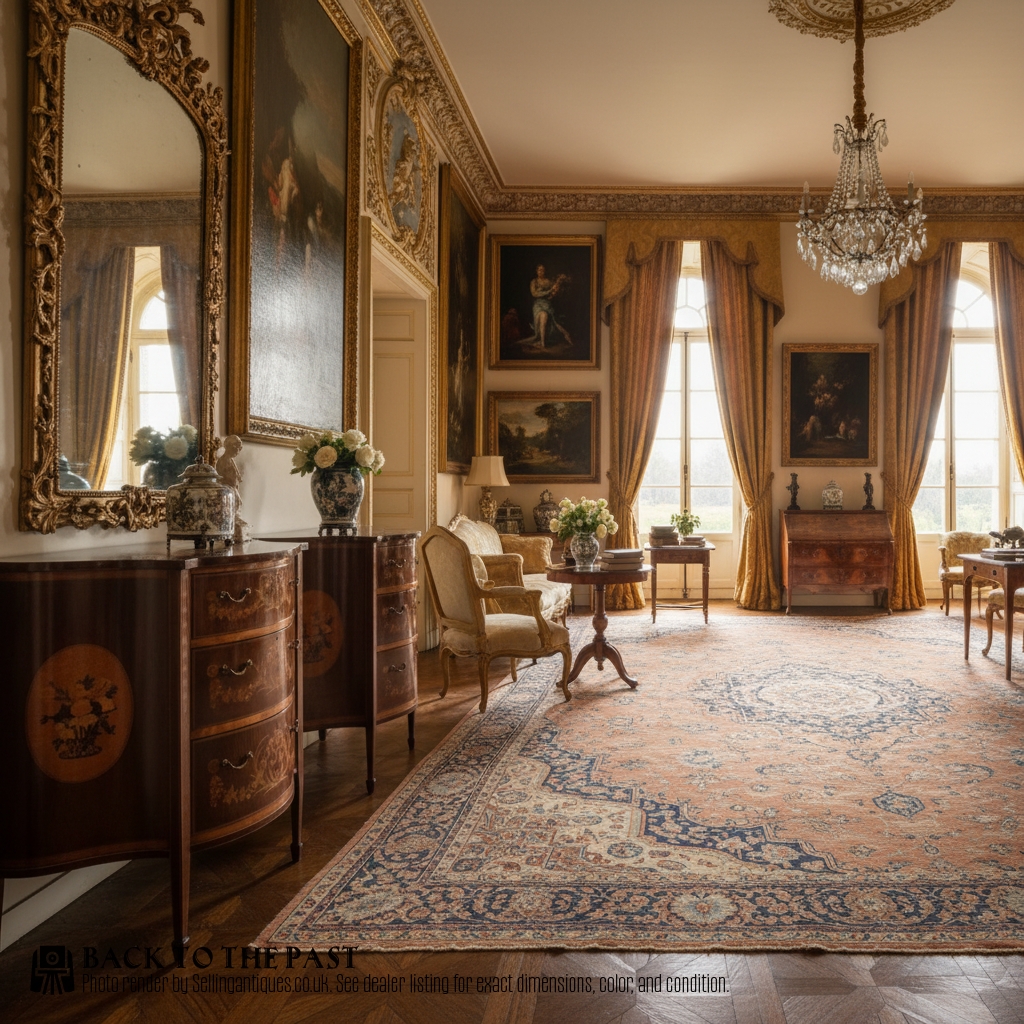
Centre tables and games tables work well as freestanding centrepieces in sitting rooms or studies where the top surface remains visible for appreciation.
Cabinets, chests of drawers, and corner cupboards fit neatly into dining rooms or hallways, providing practical storage while displaying the detailed timber work.