



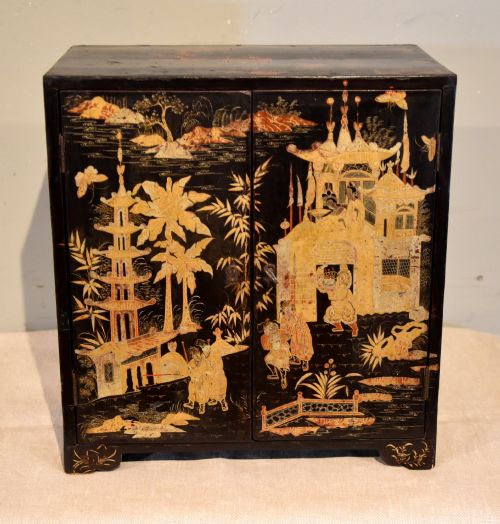

Antique Miniature Cabinet
An antique miniature cabinet is a small-scale piece of furniture or storage item, offering master craftsmanship and compact charm for serious collectors.
Antique Miniature Cabinet
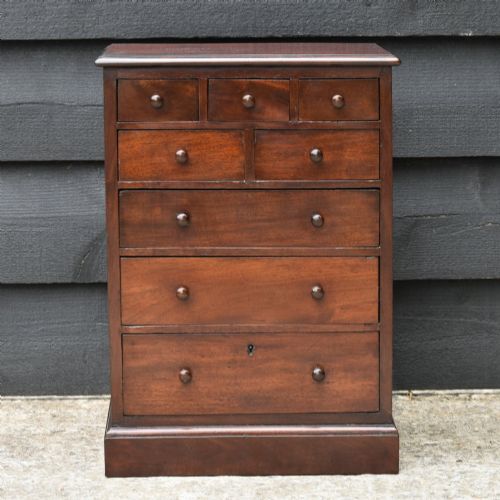
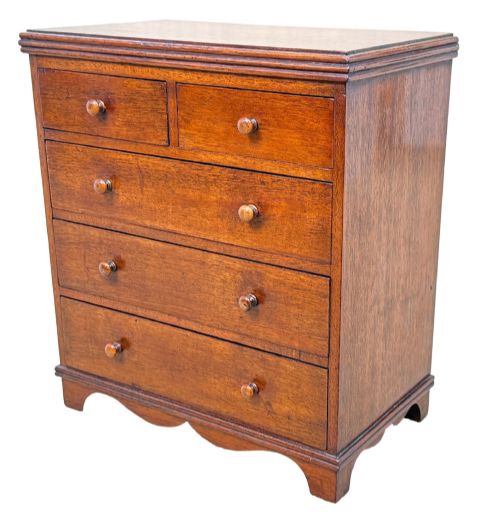
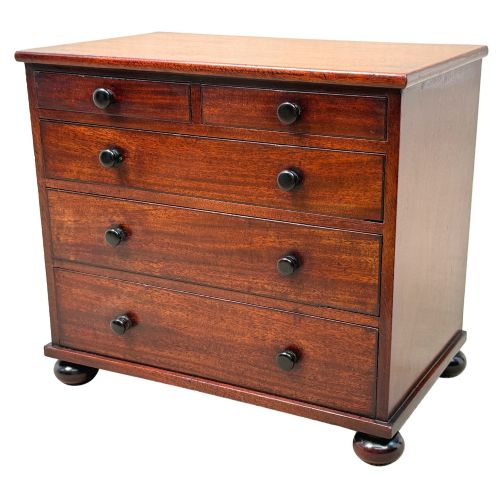
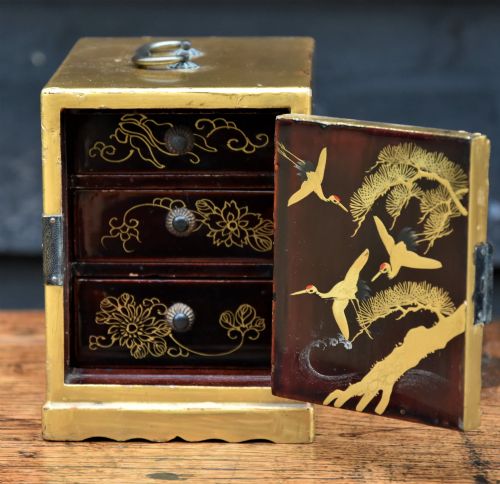
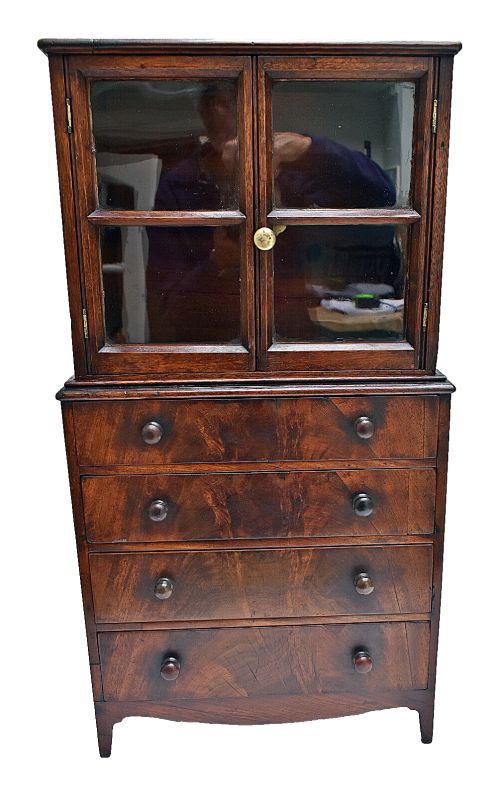
The versions most likely to meet you on this page are Victorian and Georgian pieces rendered in mahogany, walnut, or oak. Examples span from apprentice pieces and furniture samples to utilitarian spice drawers and decorative tabletop vitrines originating from English, French, and Scottish workshops.
Materials and Construction
Cabinet makers utilised dense hardwoods such as mahogany, walnut, burr walnut, and satinwood alongside sturdy regional timbers like oak, pine, and fruitwood. Surfaces often featured French polishing or detailed inlay work to highlight the natural grain.
Specialised examples incorporated brass hardware, glass panels for display, and fine dovetail joints on miniature drawers. Construction mirrors full-size cabinet making traditions scaled down with precise carpentry.
Antique Miniature Cabinet Retail Price Guide 2026
Typical asking prices for miniature cabinet among the pieces listed under this phrase on Sellingantiques today, from the lower quarter to the upper quarter. They describe what is for sale here now, not the wider market.
Some nineteenth-century artisans even built automated musical liquor cabinets on a miniature scale to entertain guests.
Standards of Execution
Quality rests upon the fidelity of the proportions and the precision of the joinery used in miniature scale. Finer examples display meticulous attention to detail, such as hand-cut dovetails and well-fitted drawer linings that match full-size master furniture.
The choice of timber significantly dictates the standard of the piece, with richly figured burr walnut, satinwood, and figured mahogany marking out superior output. Secondary woods and simpler stained pine typically denote more utilitarian or regional items.
A. F. Lloyd, Bideford·Royal Crown Derby
The Antique Miniature Cabinet Glossary
- Apprentice piece
- A small-scale item of furniture created by a craftsman to demonstrate skill for trade guild admission or as a masterwork. These items mirror standard furniture forms precisely.
- Collector's cabinet
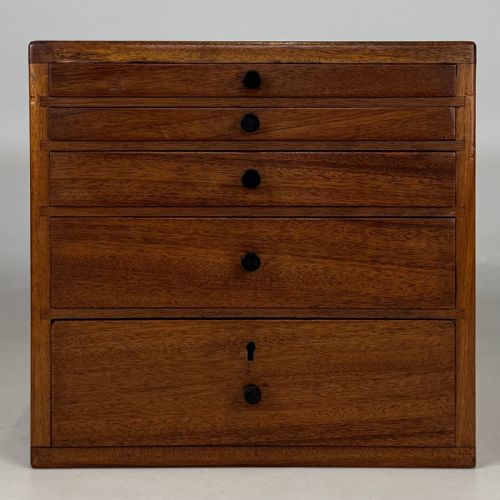
- A specialised small cabinet fitted with multiple shallow drawers designed for housing specimens, coins, or medals. They frequently feature secure locking doors.
- Serpentine chest
- A chest of drawers featuring a convex centre flanked by concave ends, or vice versa. This undulating curved front demands advanced woodworking skill.
- Vitrine
- A glass-panelled display cabinet intended for showcasing delicate items or curiosities. The term derives from the French word for glass.
- Spice drawers
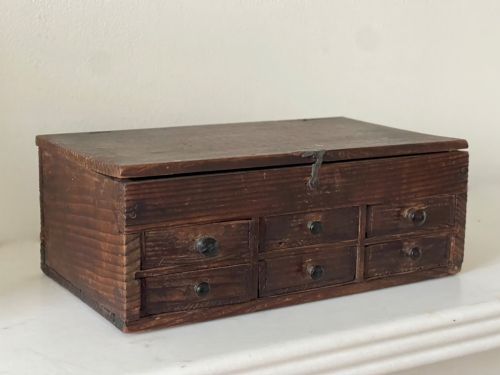
- A small set of multi-tiered wooden drawers traditionally used in domestic kitchens for storing culinary herbs and spices. They often date to the eighteenth and nineteenth centuries.
Antique Miniature Cabinet: Frequently Asked Questions
What is an apprentice chest?
An apprentice chest is a small-scale furniture piece traditionally made by a trainee craftsman to prove competency in woodworking techniques. These items demonstrate the exact construction methods of full-sized furniture scaled down.
Collectors prize them for their meticulous attention to detail and historical association with trade guilds. They function as charming tabletop display items today.
How were tabletop cabinets used?
Tabletop cabinets served various functional roles in historical homes, from storing valuable jewellery and stationery to housing natural history specimens and coins. Their compact size allowed them to sit securely on larger desks or tables.
Today, owners utilise them to display small collections while maintaining a tidy interior space. They offer practical storage without dominating a room.
How do I identify a Georgian miniature cabinet?
Georgian pieces typically feature timbers like walnut, oak, or early mahogany with simple, elegant proportions reflecting eighteenth-century design rules. Look for hand-cut dovetailing and period-appropriate brass handles.
Examining the secondary woods inside the drawers helps confirm the period of construction. Secondary timbers often include oak or pine depending on the region of origin.
Are miniature cabinets fragile?
These cabinets are robustly constructed from hardwoods, but their small scale means delicate elements like glass panels or thin veneers require careful handling. Keeping them away from direct heat sources prevents the wood and glue from drying out.
Routine dusting with a dry cloth maintains the polished finish safely. Proper placement ensures they survive undamaged for generations.