



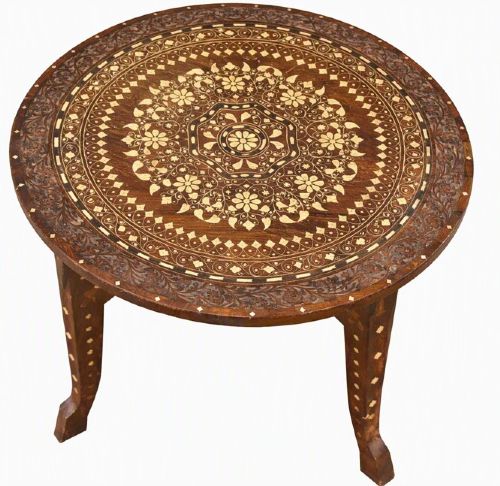
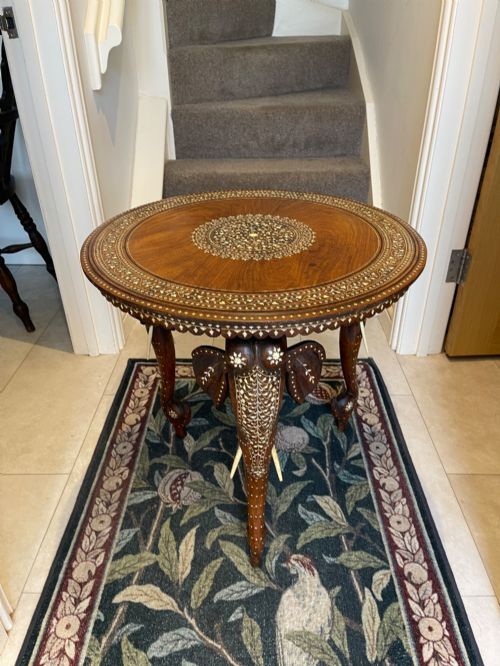
Bone Inlay Table
A bone inlay table brings intricate geometric patterns and luminous surface detail into a room, drawing on traditions from Hoshiarpur, Syria, and Europe.
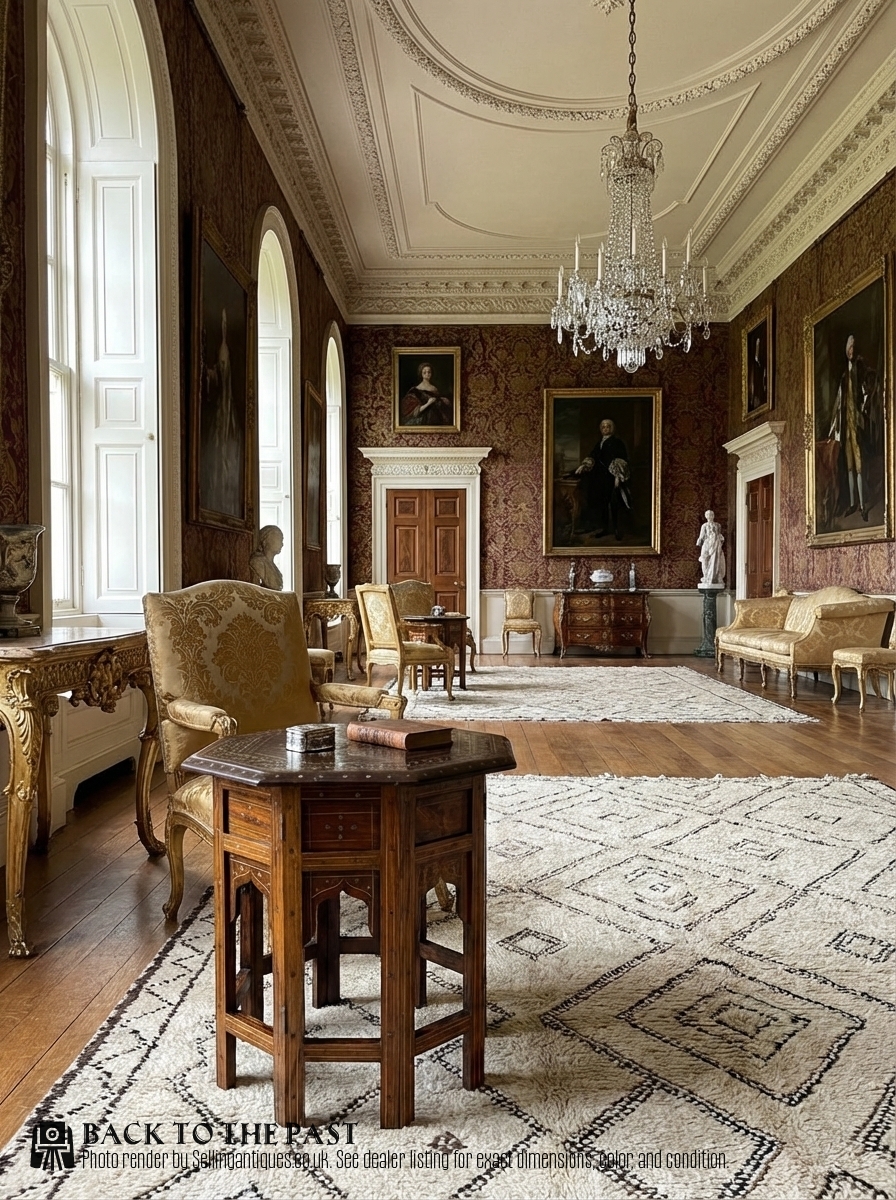
Bone Inlay Table
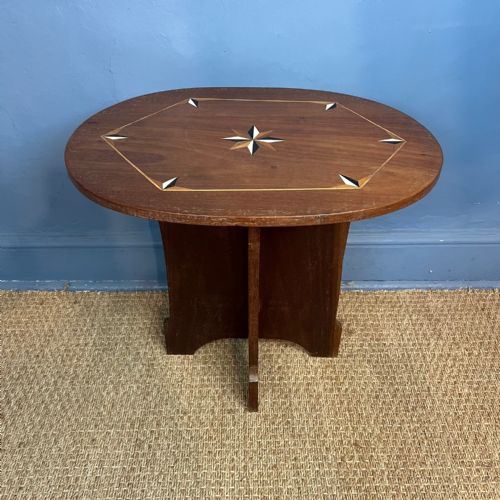
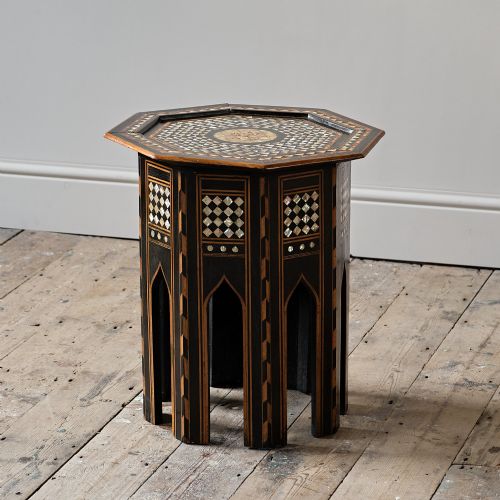
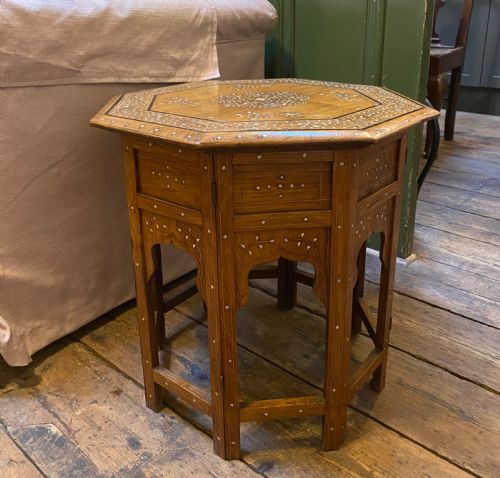
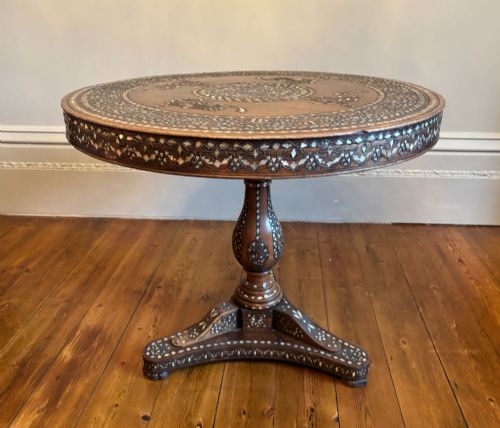
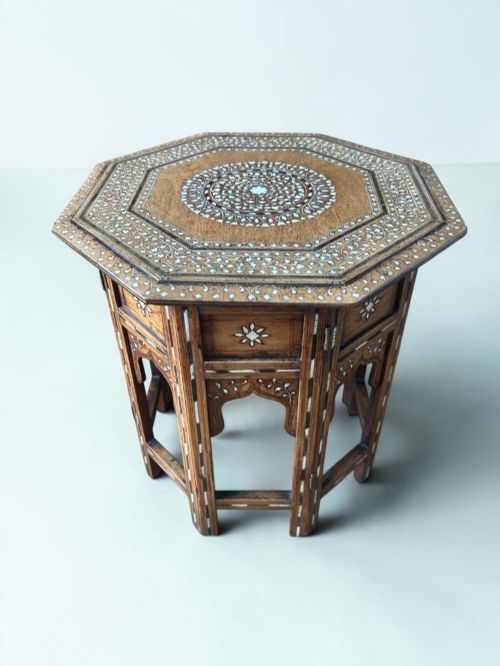
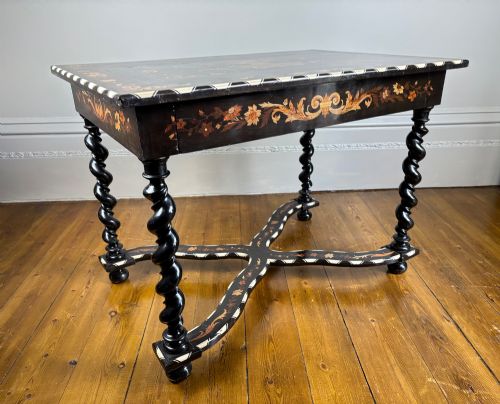
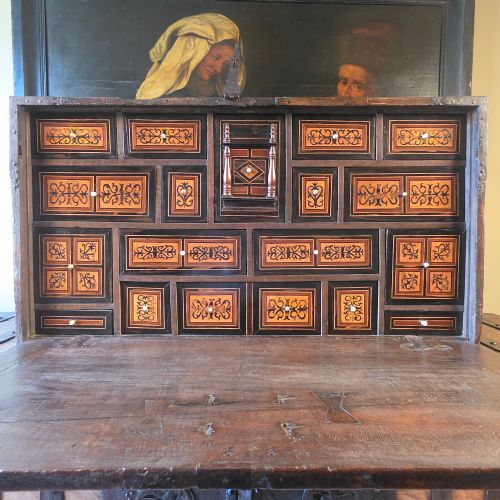
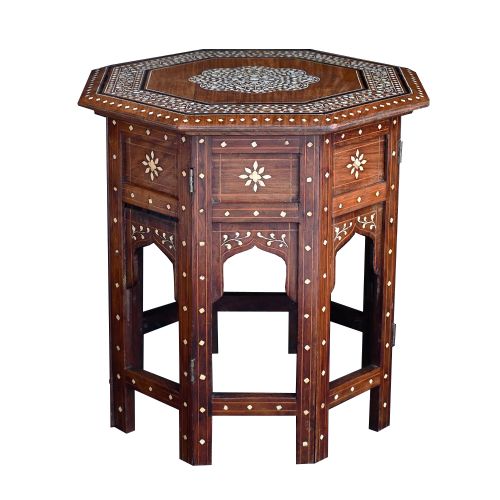
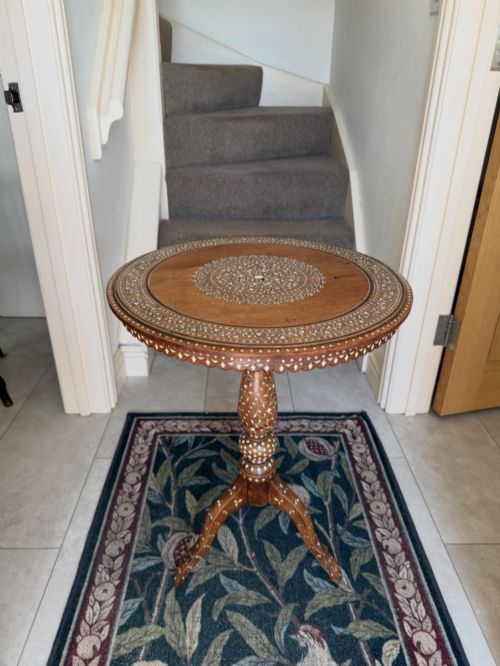
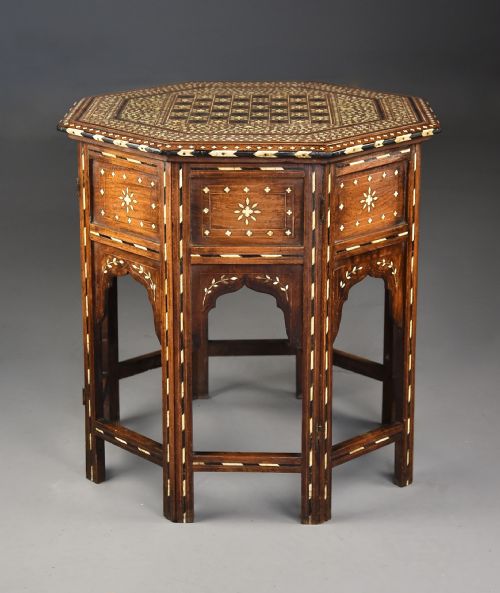
When you search for a bone inlay table, you encounter pieces spanning from the seventeenth century through the early twentieth century, with late nineteenth-century examples appearing most frequently. The selection ranges from compact octagonal occasional tables and pedestals to larger side tables, coffee tables, and folding variants.
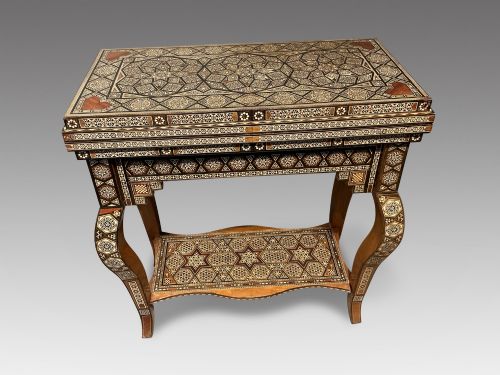
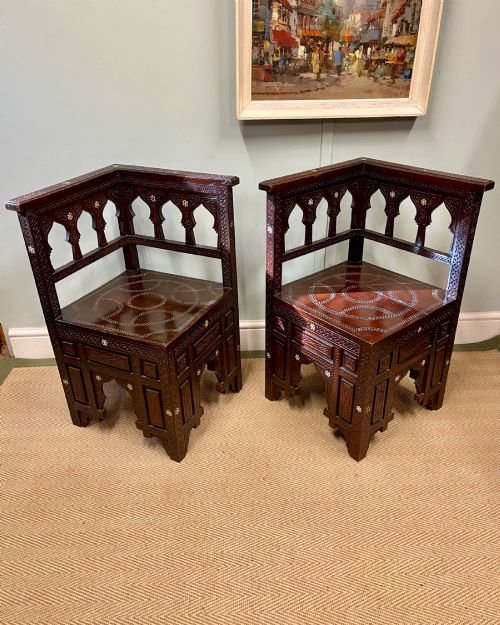
Geographic origins vary widely across the inventory, encompassing Anglo-Indian Hoshiarpur work, Moorish and Syrian designs, alongside European interpretations from Italy, the Netherlands, and Britain. Forms frequently incorporate octagonal tops, carved elephant supports, or two-tier structures intended for display.
Makers and retailers such as Liberty & Co appear alongside regional workshops, connecting these surfaces to the aesthetic movements and Arts and Crafts tastes of the Victorian and Edwardian eras.
Materials and Construction
Craftsmen construct the structural carcass using hardwoods such as teak, rosewood, walnut, and ebonised wood, providing a dark, stable contrast to the lighter decorative elements. Intricate floral and geometric motifs are formed from shaped bone and mother-of-pearl, carefully set flush into hand-carved recesses within the timber.
The surface work relies on meticulous precision, where individual pieces of bone are engraved with fine black lines to render foliage, scrolls, and Moorish strapwork. Brass wire and contrasting veneers of ebony, fruitwood, and marquetry occasionally supplement the bone inlay to build up complex pictorial or geometric schemes.
Bone Inlay Table Retail Price Guide 2026
Typical asking prices for bone inlay table among the pieces listed under this phrase on Sellingantiques today, from the lower quarter to the upper quarter. They describe what is for sale here now, not the wider market.
Listings feature woods including teak, rosewood, walnut, and ebonised timber combined with bone, mother-of-pearl, and brass.
Assessing Quality
Quality rests upon the density and precision of the surface decoration, where finer pieces display tight, complex geometric tessellation with minimal filler between the bone elements. The depth and clarity of the surrounding wood carving, particularly on Hoshiarpur tables and elephant supports, indicate the hand of a skilled artisan.
The choice of secondary woods and the retention of original components, including mother-of-pearl accents and intact bone tesserae, distinguish superior examples from heavily restored or later decorative pieces.
Liberty & Co
The Bone Inlay Table Glossary
- Hoshiarpur
- A city in Punjab, India, renowned for intricate woodwork and bone inlay furniture produced extensively for export during the nineteenth and early twentieth centuries.
- Moorish Revival
- An architectural and decorative style popular in the nineteenth century that reinterprets Islamic design elements, frequently featuring heavily carved surfaces and geometric inlay.
- Octagonal
- Having eight sides, a common geometric form for table tops in Anglo-Indian and Syrian furniture design that accommodates complex repeating patterns.
- Marquetry
- The art of applying pieces of veneer to a structure to form decorative patterns, often combined with bone and ebony inlay on European tables.
- Tessera
- An individual small block of bone used in mosaic or inlay work to build up intricate geometric and floral designs.
Bone Inlay Table: Frequently Asked Questions
How do I clean a bone inlay table?
Dust the surface regularly with a soft, dry cloth to prevent particles from settling into the recessed grooves between the bone and wood. Avoid liquid cleaners, harsh chemicals, or excessive moisture, which can loosen the natural adhesives and discolour the bone.
Condition the surrounding timber periodically with appropriate furniture wax, taking care not to build up heavy residues over the inlaid sections.
Are these tables sturdy enough for daily use?
Many examples are structurally robust, utilising dense hardwoods like teak or rosewood that easily support lamps, books, and decorative objects. Folding variants and tables with intricate pierced carving require gentle handling to prevent strain on the joints.
Placing coasters on the surface protects the antique finish from moisture rings and heat damage during everyday living.
How do I distinguish Hoshiarpur from Moorish work?
Hoshiarpur pieces typically feature dense overall floral and animal carving in teak, with intricate bone inlay patterns covering the entire surface, including the legs and aprons. Moorish revival tables frequently rely on geometric strapwork, arches, and ebonised or inlaid frames incorporating mother-of-pearl.
Examining the underlying timber and the specific style of the carved lattice work helps clarify the regional origin of the piece.
Why do some tables feature mother-of-pearl?
Mother-of-pearl was incorporated alongside bone to introduce iridescent tonal variation and catch the light on Syrian and Moorish occasional tables. The contrasting white shimmer of bone and the pearlescent sheen created elaborate geometric depth.
This combination highlights high-status craftsmanship intended for affluent Victorian and Edwardian interiors.