





Nineteenth Century Indian Table
A nineteenth century indian table brings dense carving and rich exotic timber into a room, offering both practical surface space and striking historic character.
Nineteenth Century Indian Table
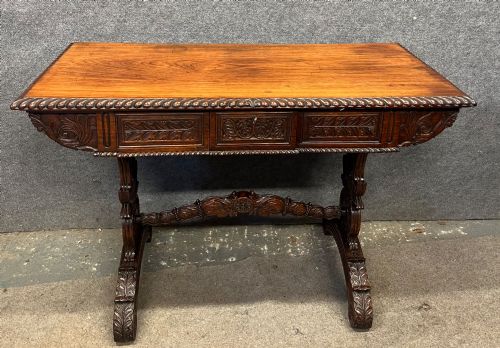
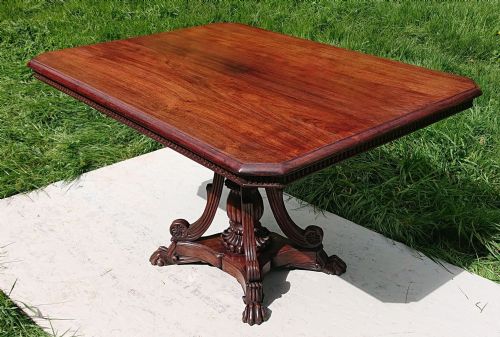
A nineteenth century indian table encompasses a diverse group of domestic furnishings created during the colonial period, frequently crossing paths with Anglo-Indian and Burmese aesthetics. Collectors encounter forms ranging from low occasional tables and octagonal Hoshiarpur pieces to larger centre tables, pedestals, and carved sideboards.
The aesthetic vocabulary bridges traditional South Asian carving traditions with Victorian room layouts, resulting in heavy relief work and distinctive geometric or figural motifs. Most pieces originate from distinct regional workshops in India, Burma, and Ceylon, utilising native timbers suited to intricate hand-chizzling.
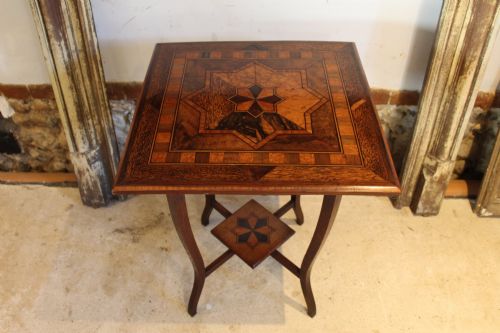
Teak, padouk, and rosewood dominate the surviving examples, while occasional specialised items feature specimen wood marquetry or ebonised surfaces. These tables function effectively as focal points in contemporary interiors, serving as coffee tables, lamp stands, or display surfaces.
Distinguishing Quality and Craftsmanship
The depth, sharpness, and symmetry of the hand carving separate standard commercial output from exceptional masterwork. Superior examples display crisp undercutting and balanced composition across every visible surface.
The selection and treatment of the timber dictate the overall integrity of the piece, with well-figured rosewood, padouk, and specimen woods commanding greater respect. Coarser execution often shows shallow, hasty incisions and less refined assembly of joints.
Nineteenth Century Indian Table Retail Price Guide 2026
Typical asking prices for nineteenth century indian table among the pieces listed under this phrase on Sellingantiques today, from the lower quarter to the upper quarter. They describe what is for sale here now, not the wider market.
Materials recorded across the inventory include teak, padouk, rosewood, brass, ebonised wood, and multi-timber specimen marquetry.
Liberty
The Nineteenth Century Indian Table Glossary
- Anglo-Indian
- Furniture made in India during the British colonial period, combining European room forms with traditional Indian craftsmanship. These pieces often merge British utility with intricate indigenous carving.
- Padouk
- A heavy, durable tropical hardwood displaying a rich reddish-brown tone. It was favoured by colonial makers for its stability and resistance to pests.
- Hoshiarpur
- A town in Punjab renowned for intricate woodwork, particularly octagonal folding tables inlaid with delicate patterns. The work typically combines wood with intricate geometric motifs.
- Marquetry
- The art of applying small pieces of veneered wood to a structure to form decorative patterns. Specimen wood versions utilise multiple contrasting natural timbers.
- Ebonised
- Wood treated with a chemical stain or finish to imitate ebony. This dark, uniform surface was popular during the Victorian Aesthetic Movement.
Nineteenth Century Indian Table: Frequently Asked Questions
How do I care for antique tropical hardwoods?
Antique teak, padouk, and rosewood require minimal maintenance, needing only an occasional dusting with a dry, soft cloth. Avoid placing them near direct heat sources or in fluctuating humidity to protect the dense timber and intricate joints.
Applying a traditional beeswax polish helps nourish the grain and preserves the historic sheen of the surface.
Are these tables sturdy enough for daily use?
Most nineteenth century tables are constructed from heavy, durable tropical hardwoods that provide a stable platform for everyday domestic items like lamps and books. However, heavily carved or pierced surfaces benefit from careful handling to avoid catching delicate wooden edges.
Selecting a form suited to your space ensures it functions reliably as a coffee table or lamp stand.
How do I distinguish Burmese pieces from Indian ones?
Burmese furniture from this period frequently utilises heavy padouk or teak with deep, bold figural carving, often depicting animals or mythological figures. Indian regional pieces vary widely, from the geometric inlay of Hoshiarpur to the intricate floral motifs of northern workshops.
Examining the specific carving style and the choice of native timber usually points toward the workshop's geographic origin.