


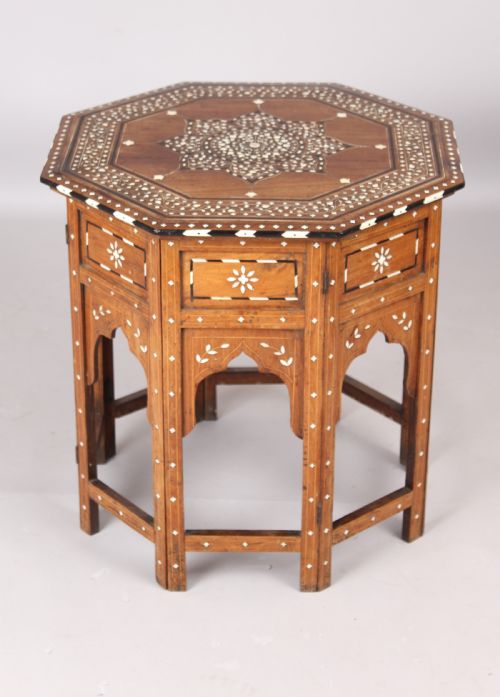


Hoshiarpur Bone Inlay Furniture
These hoshiarpur bone inlay furniture pieces offer intricate craftsmanship and striking geometric patterns, bringing distinctive Anglo-Indian character to any interior.
Hoshiarpur Bone Inlay Furniture
When you search for hoshiarpur bone inlay furniture, you encounter decorative tables and wall mirrors created in the Anglo-Indian style during the late 19th century and early 20th century. These items showcase elaborate hand-worked surfaces designed to catch the eye in a hallway or drawing room.
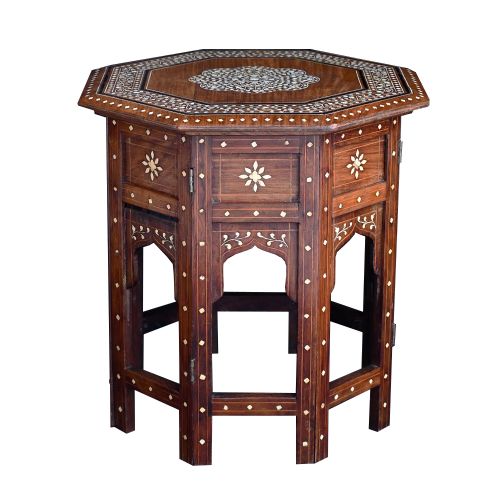
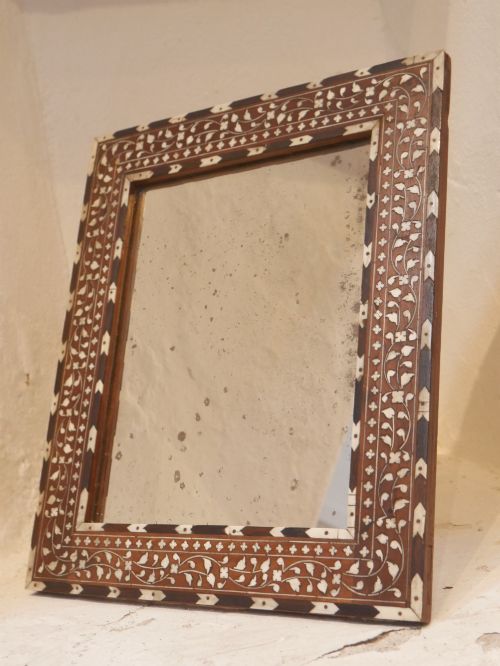
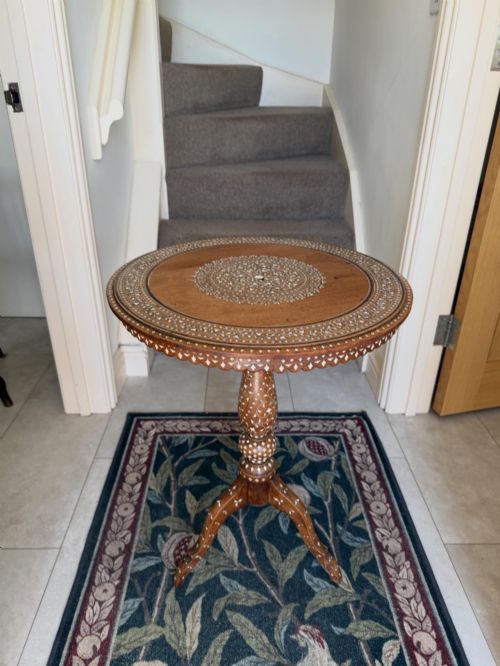
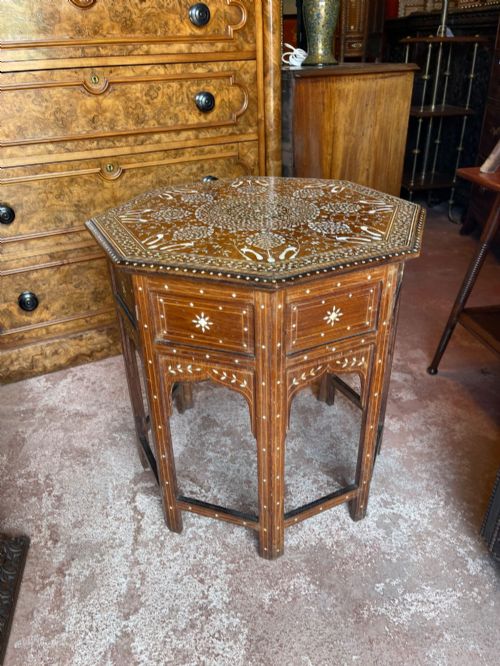
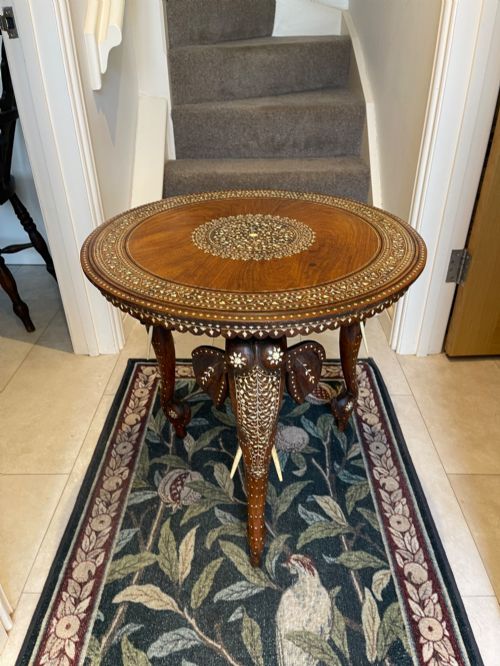
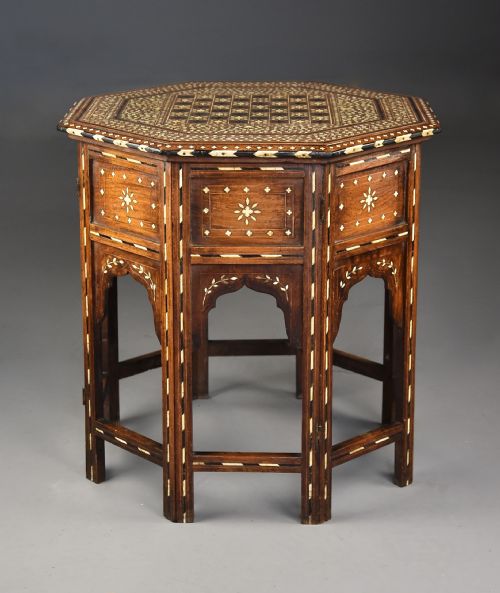
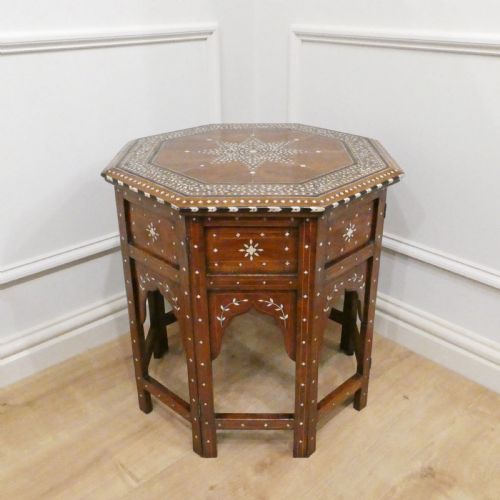
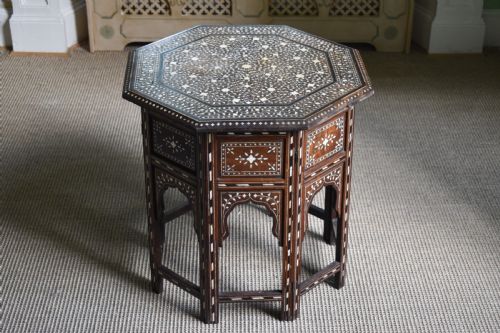
The selection on this page centres on occasional tables, octagonal tables, pedestal tables, elephant tables, and wall mirrors. These pieces typically date from periods between 1880 and 1920, reflecting a distinct regional tradition of detailed woodwork.
How they were made
Artisans constructed these items using dense timbers such as rosewood, teak, hardwood, and ebony, providing a dark foundation for intricate decorative schemes. Into these wooden bases, workers fitted delicate bone inlay elements alongside occasional mirror glass panels to create high-contrast geometric and floral motifs.
The surfaces combine precise inlay work with carved details, requiring steady hand skills passed down through generations. Carpenters and inlay specialists worked in tandem to ensure that the bone sections sat flush within the timber framework.
Listings span four decades from 1880 to 1920, predominantly featuring rosewood, teak, ebony, and bone inlay.
What varies in quality
The distinction between standard examples and the finest items lies in the density and precision of the carving and inlay work. Superior pieces display tightly fitted bone elements with minimal filler, maintaining crisp geometric patterns across complex forms like octagonal or elephant tables.
Wood selection also dictates the overall calibre of a piece, with heavier timbers like ebony and rosewood offering a richer contrast against the white bone inlay. The ambition of the form, ranging from simple occasional tables to elaborate tripod and pedestal designs, signals the maker's skill level.
The Hoshiarpur Bone Inlay Furniture Glossary
- Bone inlay
- A decorative technique where small pieces of bone are set into recesses carved in a wooden surface to form patterns. This method creates the characteristic pale ornamentation seen across Anglo-Indian items.
- Anglo-Indian
- A design style representing the blend of British tastes with traditional Indian craftsmanship during the colonial period. Pieces in this style often feature dense surface decoration.
- Octagonal
- Having eight sides and eight angles. This geometric shape frequently forms the top of occasional tables from this tradition.
- Pedestal table
- A standalone table supported by a central pillar rather than multiple legs. Such forms highlight the carved wooden elements typical of late 19th-century workshops.
Hoshiarpur Bone Inlay Furniture: Frequently Asked Questions
What is hoshiarpur bone inlay furniture?
These items are decorative wooden tables and mirrors produced in the Anglo-Indian style during the late 19th and early 20th centuries. They utilise dark timbers inlaid with pale bone to create intricate patterns.
Originating from the Hoshiarpur region in Punjab, the tradition combines detailed carving with precise geometric inlay work. Pieces range from small wall mirrors to substantial pedestal and occasional tables.
How were these tables used originally?
Drawing rooms and reception spaces utilised these tables for display purposes, holding decorative objects or serving afternoon tea. Their compact occasional formats allowed them to be moved easily around the room.
Larger pedestal and elephant tables acted as focal points in Victorian and Edwardian interiors, showcasing exotic craftsmanship to visitors. Wall mirrors served functional and decorative roles in hallways and boudoirs.
How do I care for inlaid wood?
Maintain these items by keeping them away from direct sunlight and sudden temperature changes, which can dry out the timber and bone. Regular dusting with a soft, dry cloth preserves the intricate surface.
Avoid using liquid polishes or harsh chemical cleaners that might discolour the bone elements or loosen the adhesive holding the inlay. Wax can be applied sparingly to the wooden framework if the timber appears dry.
How do I date these pieces?
Dating relies on examining the timber species, the style of the carving, and the construction methods used in the frame. Pieces from the 1880s and 1890s often feature denser hardwoods and more elaborate geometric compositions.
Items from the early 20th century, such as those from 1910 and 1920, maintain similar Anglo-Indian traditions but sometimes show shifts in scale and decorative emphasis. Comparing the complexity of the bone inlay helps establish the chronology.