



18th Century Dutch Furniture
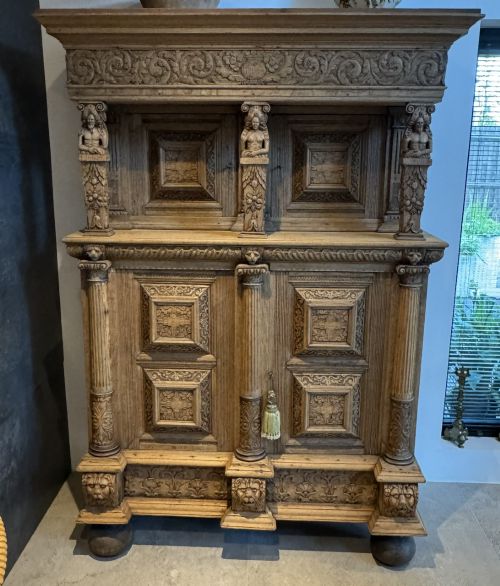
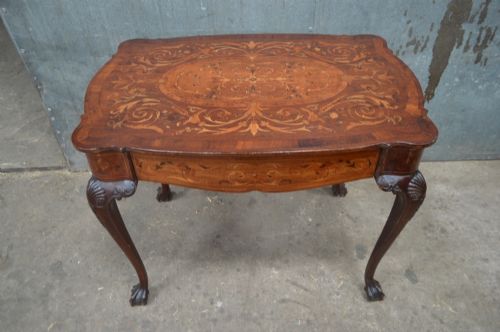
These pieces of 18th century dutch furniture bring substantial presence and intricate floral marquetry to any interior.
18th Century Dutch Furniture
When you search for 18th century dutch furniture, you encounter robust forms built for domestic utility and display. The selection centres on chests of drawers, bureau bookcases, and cabinets alongside smaller tables and side chairs.
Most examples originate from the eighteenth century, though related pieces span into the nineteenth century and the early twentieth century. You meet regional variants including colonial items and country oak pieces.
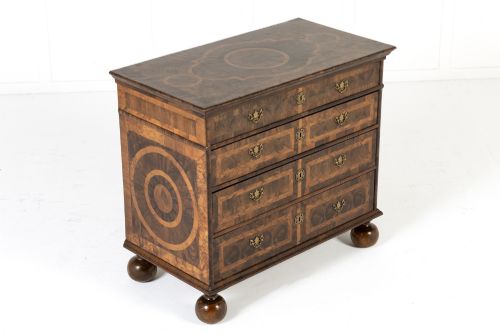
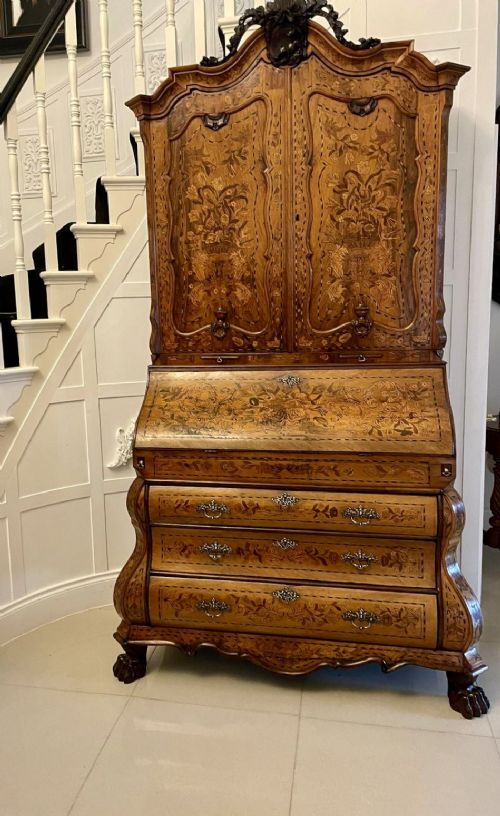
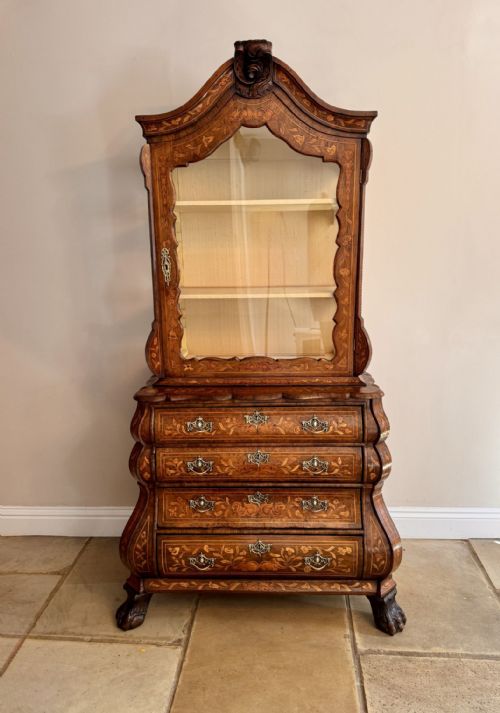
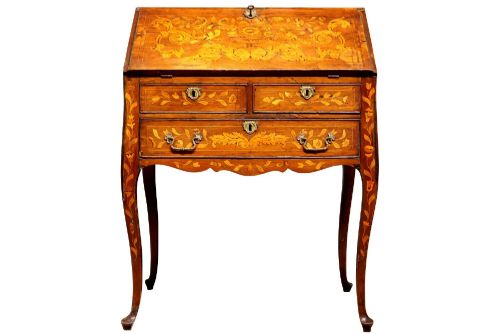
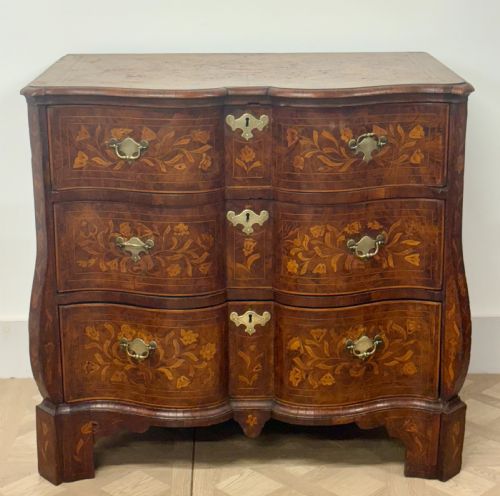
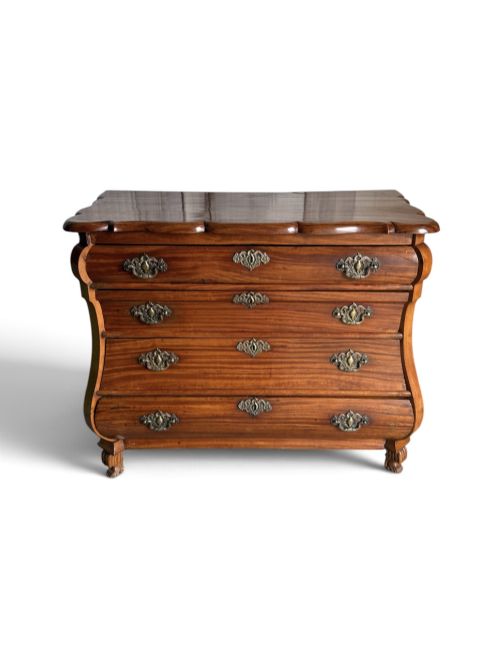
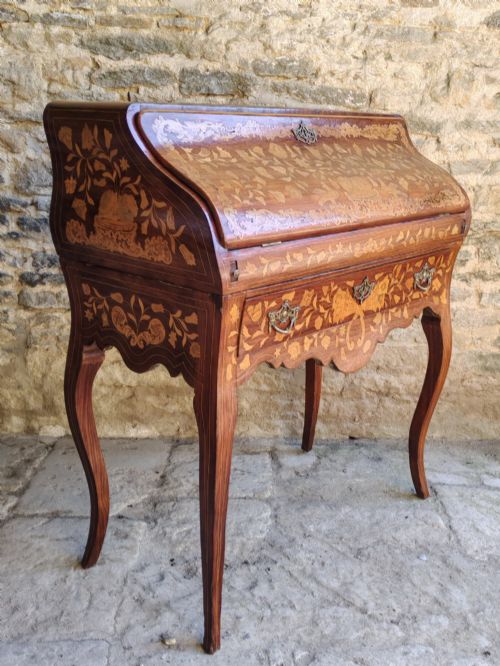
The dominant forms display shaped fronts, bombe profiles, and sloping bureau writing surfaces. Floral marquetry surfaces appear frequently across these primary forms.
Materials and Making
Carpenters utilised native and imported timbers, building foundational carcases in oak, elm, or deal. These structures received rich veneers of walnut, burr walnut, mahogany, and teak.
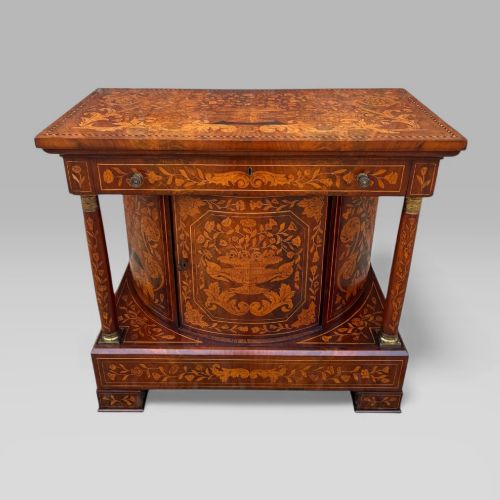
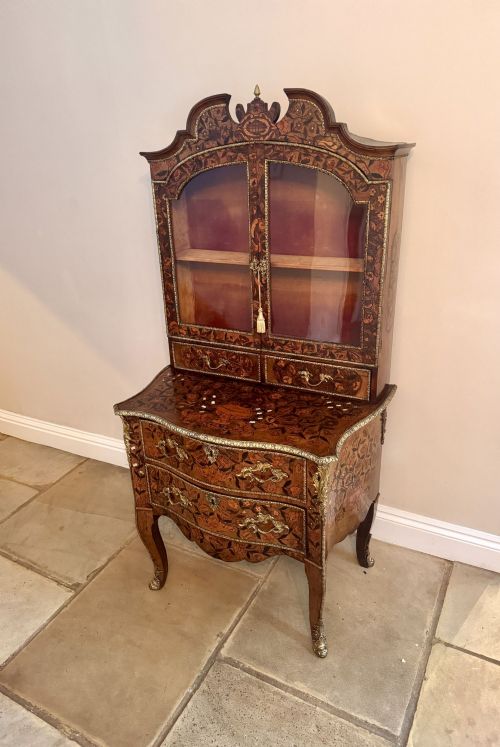
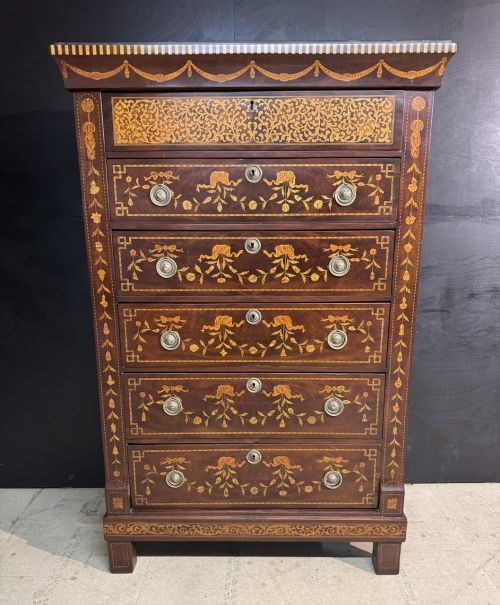
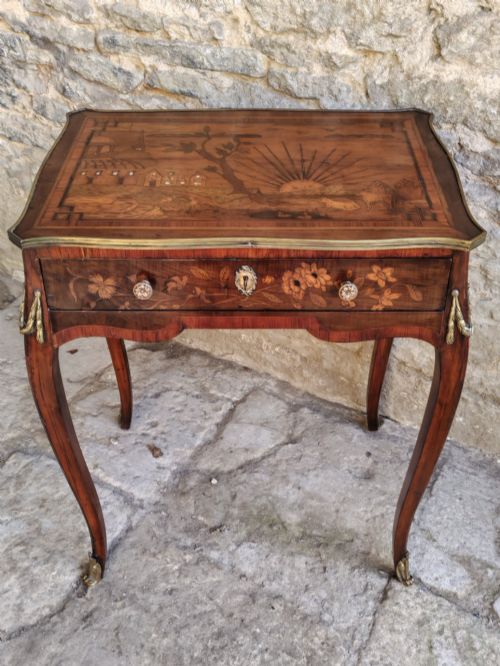
Marquetry panels display elaborate floral and foliate inlay using contrasting fruitwoods and lighter inlays set into darker grounds. Brass hardware, including drop handles and mounts, secures and finishes the drawers and cabinets.
18th Century Dutch Furniture Retail Price Guide 2026
Typical asking prices for 18th century dutch furniture among the pieces listed under this phrase on Sellingantiques today, from the lower quarter to the upper quarter. They describe what is for sale here now, not the wider market.
One miniature apprentice cabinet from the dawn of the nineteenth century preserves the exact marquetry details of its larger workshop siblings.
Gradations in Quality
The standard of timber selection and veneer matching defines the upper tier of these pieces. Dense burr walnut and finely figured mahogany denote superior workshops.
The complexity and crispness of the floral marquetry dictate the level of craftsmanship. Untidy alignment of inlay or crude carving on cabriole legs separate standard utility pieces from exceptional commissions.
The 18th Century Dutch Furniture Glossary
- Bombe
- A swelling, bulging outward profile characteristic of baroque and rococo case furniture. This curved contour requires advanced joinery to shape drawers and carcases.
- Marquetry
- The art of applying decorative veneer pieces in wood to a structural background to form pictorial or floral patterns. Craftsmen use contrasting tones of fruitwood and walnut for depth.
- Bureau Bookcase
- A two-part cabinet combining a sloping desk flap over drawers with upper shelving enclosed by doors. These pieces served domestic writing and storage needs.
- Torchere
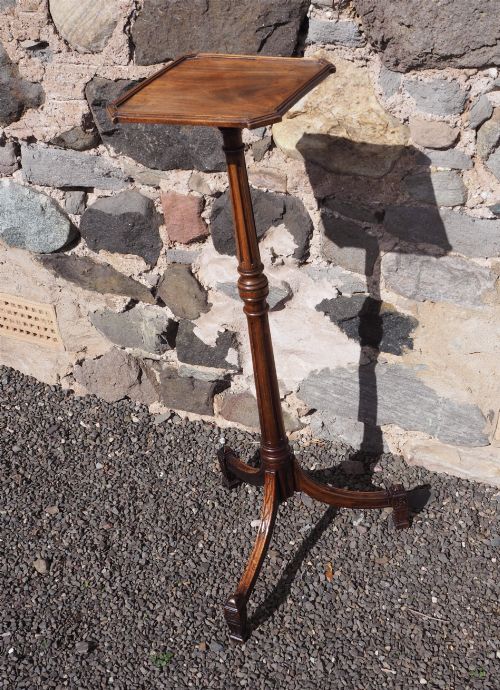
- A tall stand designed to support a candlestick or lamp. These slender supports often display turned stems and tripod bases.
- Vitrine
- A glass-fronted cabinet used for displaying porcelain and curiosities. The framing timber frequently matches the marquetry decoration of associated case pieces.
18th Century Dutch Furniture: Frequently Asked Questions
How do I identify a bombe chest?
Look at the profile of the piece from the side to spot the distinct outward curve of the drawers and frame. The wood grain follows these sweeping contours rather than sitting flat.
Cabinetmakers achieved this shape by building thick carcases and carving or bending the timber to create the swelling silhouette characteristic of mid eighteenth century Dutch design.
Where were these pieces used in the home?
Clients placed bureau bookcases and cabinets in reception rooms and parlours for writing letters and displaying valuable ceramics. Smaller tables and torchere stands filled corners and hallway spaces.
Storage items like linen presses and chests of drawers stood in bedrooms and private chambers to organise textiles and garments.
What wood is underneath the marquetry?
The underlying structural timber is typically oak, pine, or deal, providing a stable foundation for the decorative veneers. Secondary woods also include elm on regional drawer linings.
Craftsmen applied thin sheets of walnut, mahogany, or fruitwood over these carcases before cutting recesses for the floral marquetry inlay.
Are these pieces suitable for daily use?
These items function reliably in modern interiors when handled with appropriate care for antique surfaces. Drawers and writing flaps operate on traditional wooden runners.
Position them away from direct heat sources and strong sunlight to protect the fragile fruitwood inlay and prevent timber movement.
How do regional styles differ?
Dutch colonial items utilise dense tropical timbers such as teak and satinwood combined with brass bound reinforcements suited for maritime transit. Country pieces rely on simpler construction in solid oak or elm.
Urban workshops focused on burr walnut veneers and elaborate marquetry panels reflecting continental baroque and rococo tastes.