
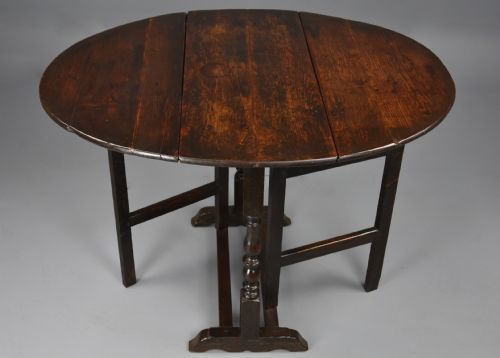
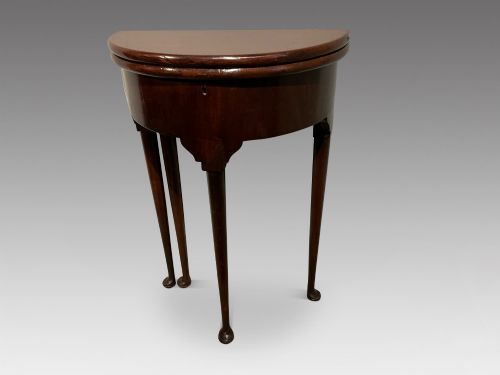
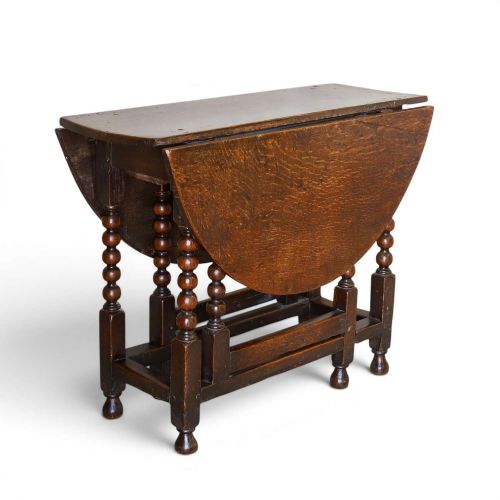
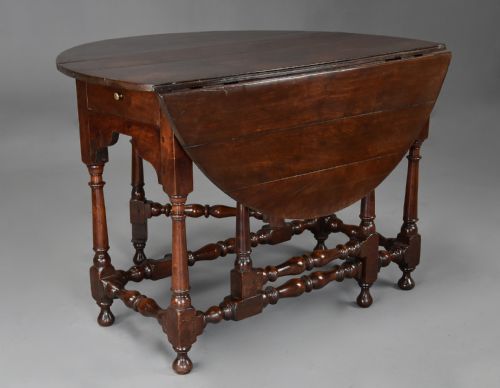
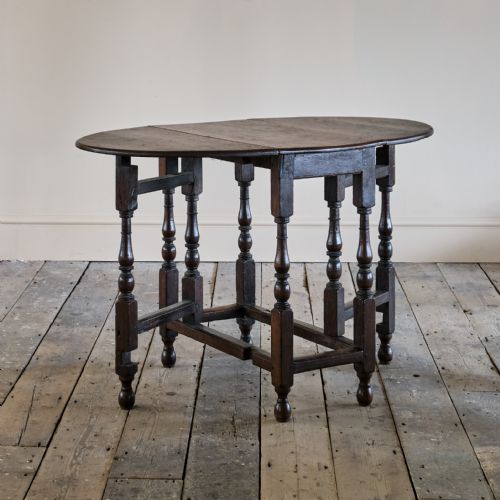

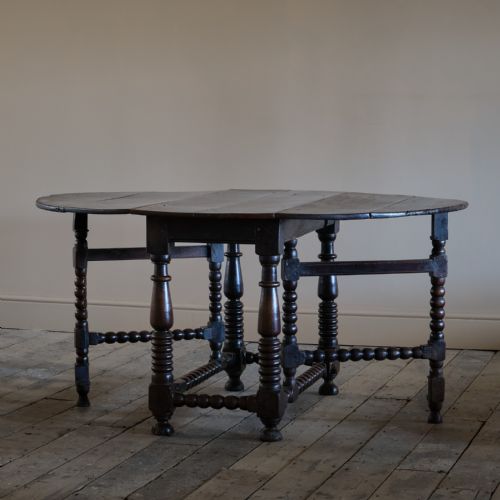
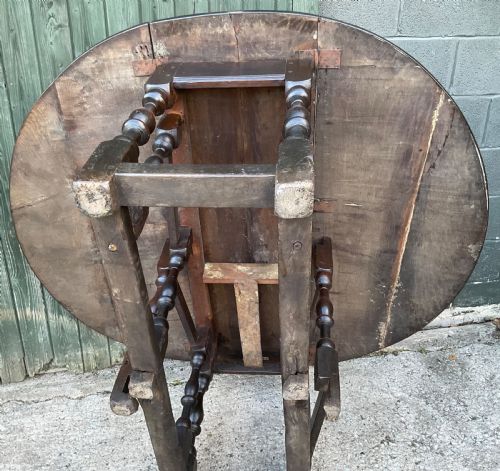


Antique Gate Leg Table
When you search for an antique gate leg table, you are looking for a versatile folding piece built to expand your dining or surface space.
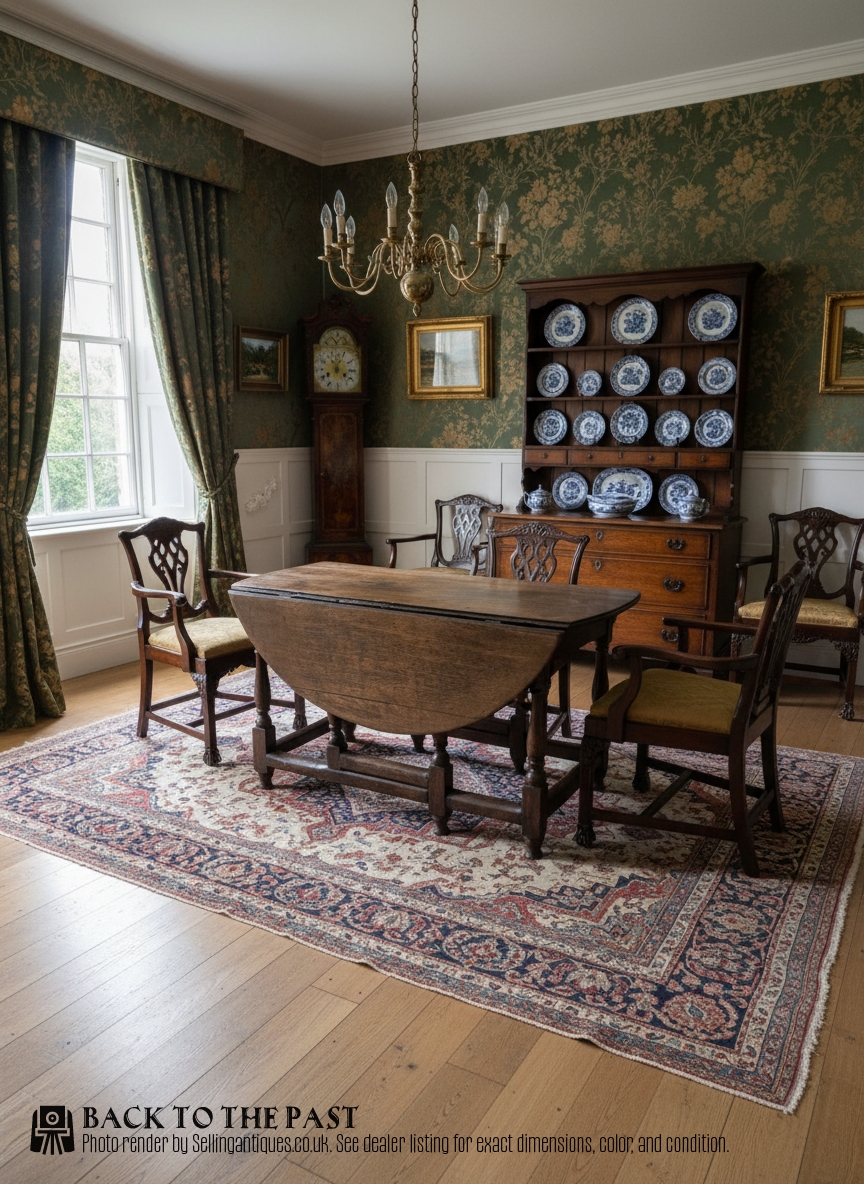
What They Are
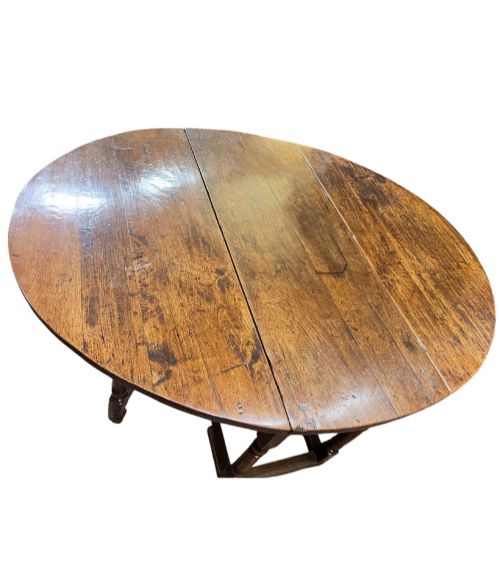
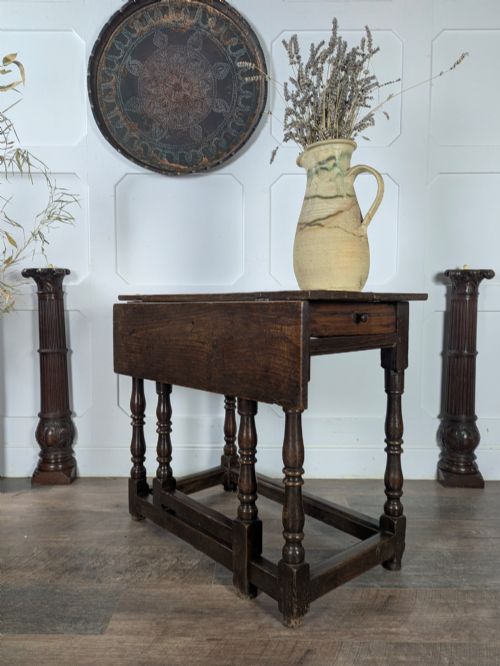
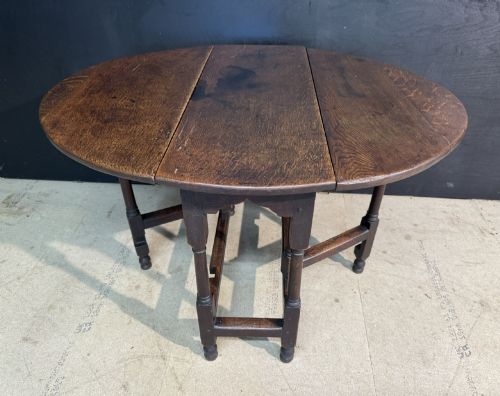
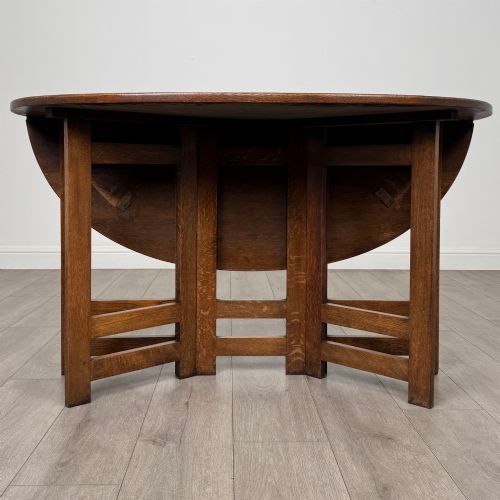
An antique gate leg table is a form of drop leaf furniture where hinged flaps are supported by swinging legs that pivot outward like a gate. When you examine this page, you will most frequently encounter sturdy timber examples dating from the seventeenth and eighteenth centuries, alongside occasional later Victorian interpretations.
These pieces served traditionally as practical dining tables, console tables or occasional surfaces within homes where floor space mattered. The selection ranges from small side tables intended for compact rooms up to large ten-seater dining tables designed for communal gatherings.
The prevailing styles found in this category span Jacobean, Georgian, Dutch Georgian, and Victorian periods. Oak forms the backbone of these pieces, complemented by walnut, mahogany, fruitwood, and elm woods.
How They Were Made
Cabinet makers utilised native timbers such as oak, elm, and fruitwood, alongside imported mahogany and walnut for finer later examples. Iron, brass, and boxwood appear as hardware or decorative inlay details.
Joinery techniques relied heavily on pegged mortise and tenon joints to secure the structural frame, while turned elements like bobbin or barley twist legs were shaped on lathes. Hinges of iron or brass permitted the drop leaves and moving gate legs to operate smoothly.
Retail Price Guide 2026
Typical UK retail prices for gate leg table, calculated from the Sellingantiques database of over a million retail prices indexed since 2003. This retail price guide relies exclusively on Sellingantiques data; no external sources or auction records are used, so the figures do not describe the wider market.
Listings feature oak, mahogany, walnut, fruitwood, boxwood, iron, and brass across Jacobean, Georgian, and Victorian styles.
What Varies in Quality
The distinction between standard examples and superior pieces rests on the choice of timber and the complexity of the turning on the legs. Substantial oak planks with deep, warm patination and tight grain patterns indicate higher grade construction.
Structural integrity of the pivoting gate mechanism and the original condition of the hinges and timber pegs dictate the overall execution. Pieces retaining their original surface finish and untouched timber structure hold greater integrity than those with extensive modern replacements.
The Antique Gate Leg Table Glossary
- Gate leg
- A table design featuring hinged flaps supported by pivoting legs that swing out to hold the leaves upright. This clever mechanism allows the surface area to expand or contract as needed.
- Drop leaf
- A hinged table section that folds down when not in use. It provides flexibility in room layout.
- Bobbin turning
- A type of leg shaping created on a lathe to resemble a series of wooden bobbins or spools stacked end to end. This decorative turning is typical of seventeenth century joinery.
- Barley twist
- A spiral carving resembling a twisted rope running down the length of a table leg. Cabinet makers utilised this technique to add vertical visual texture.
- Patina
- The surface sheen and colour developed over centuries through oxidation, wax, and handling. It signifies the age and usage history of hardwood furniture.
Frequently Asked Questions
How do I use an antique gate leg table today?
These tables function well in modern dining rooms as extendable spaces for meals or in living areas as console tables. Drop the leaves down against a wall when you need to reclaim floor space.
Open both leaves and swing out the gate legs to provide a stable surface for dining or working. Their adaptability makes them suitable for both large and compact interiors.
How can I tell a seventeenth century table from a later reproduction?
Examine the timber surfaces for tool marks, hand-cut peg joints, and natural wear patterns accumulated over generations. Seventeenth century examples frequently display pegged construction and heavy oak framing.
Later revivals often feature machine-cut elements and standardised hardware. Look closely at the underside and the movement of the gate mechanism for clues regarding age.
Did these tables always use oak?
Oak was the primary structural timber for seventeenth and early eighteenth century examples due to its abundance and strength in English joinery. It forms the foundation of most farmhouse and dining formats.
As cabinet making evolved into the Georgian and Victorian eras, workshops introduced mahogany, walnut, fruitwood, and elm. These alternative woods allowed for finer grain details and different colour tones.