
Antique Oak Drop Leaf
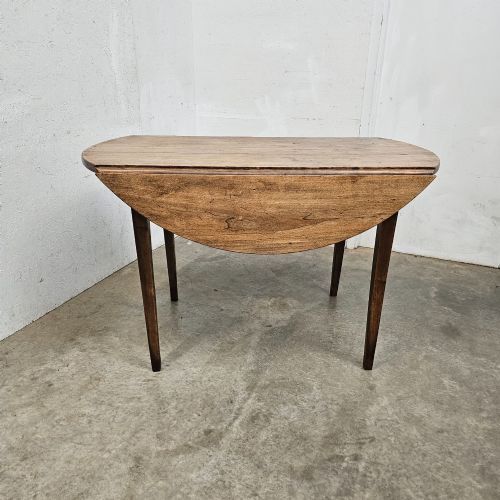
When you search for antique oak drop leaf tables, you are looking for practical timber furniture designed to expand when needed and fold away.

What they are
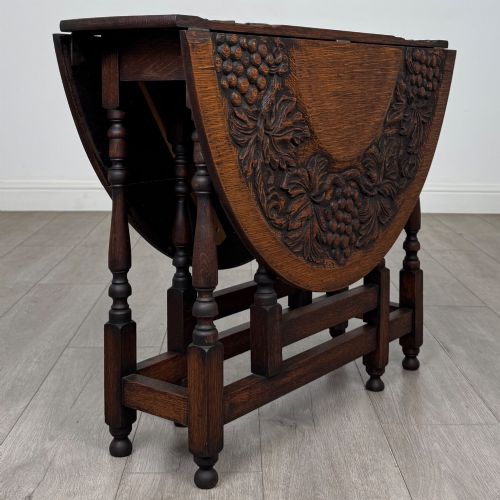
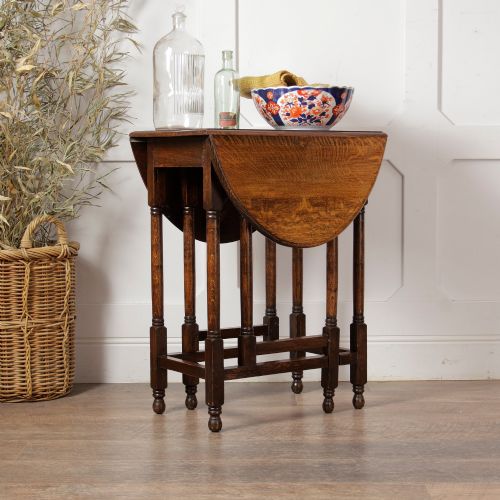
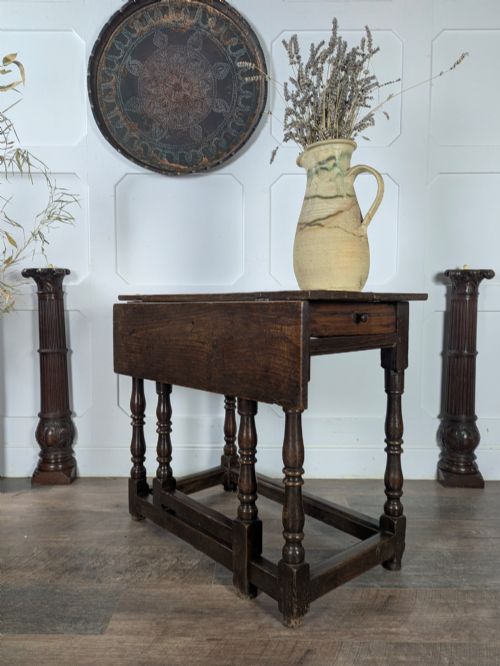
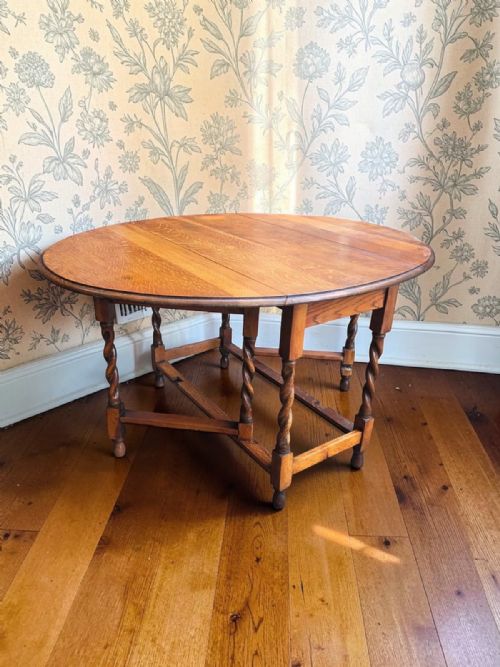
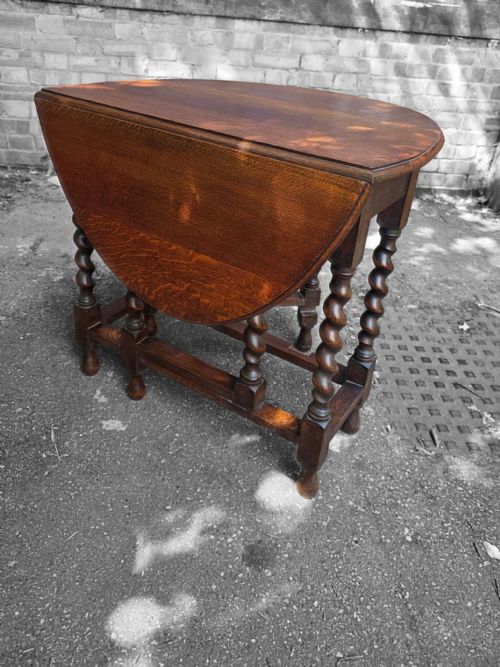
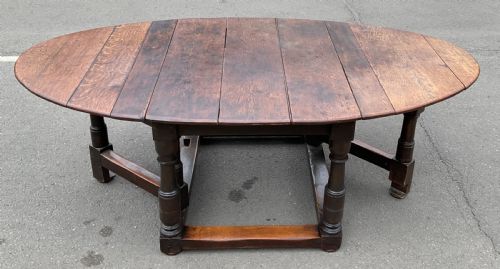
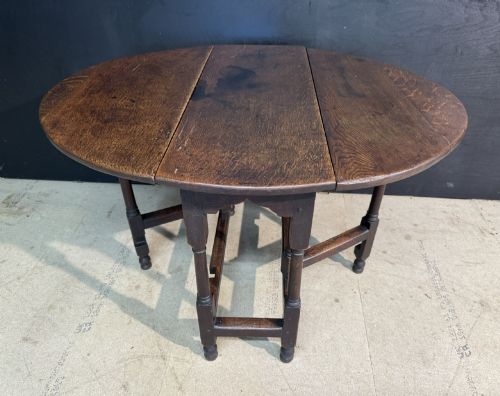
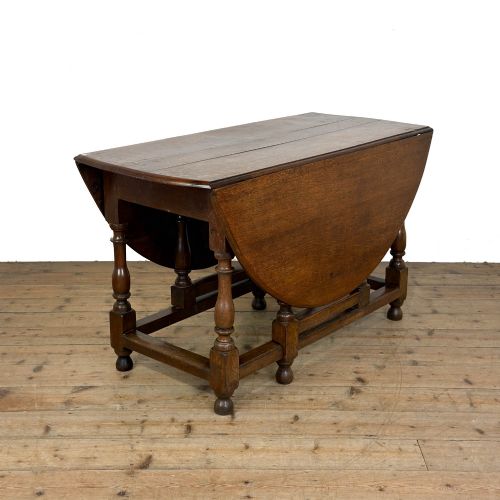
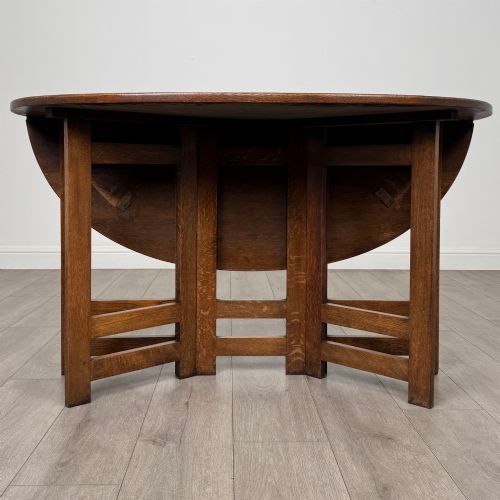
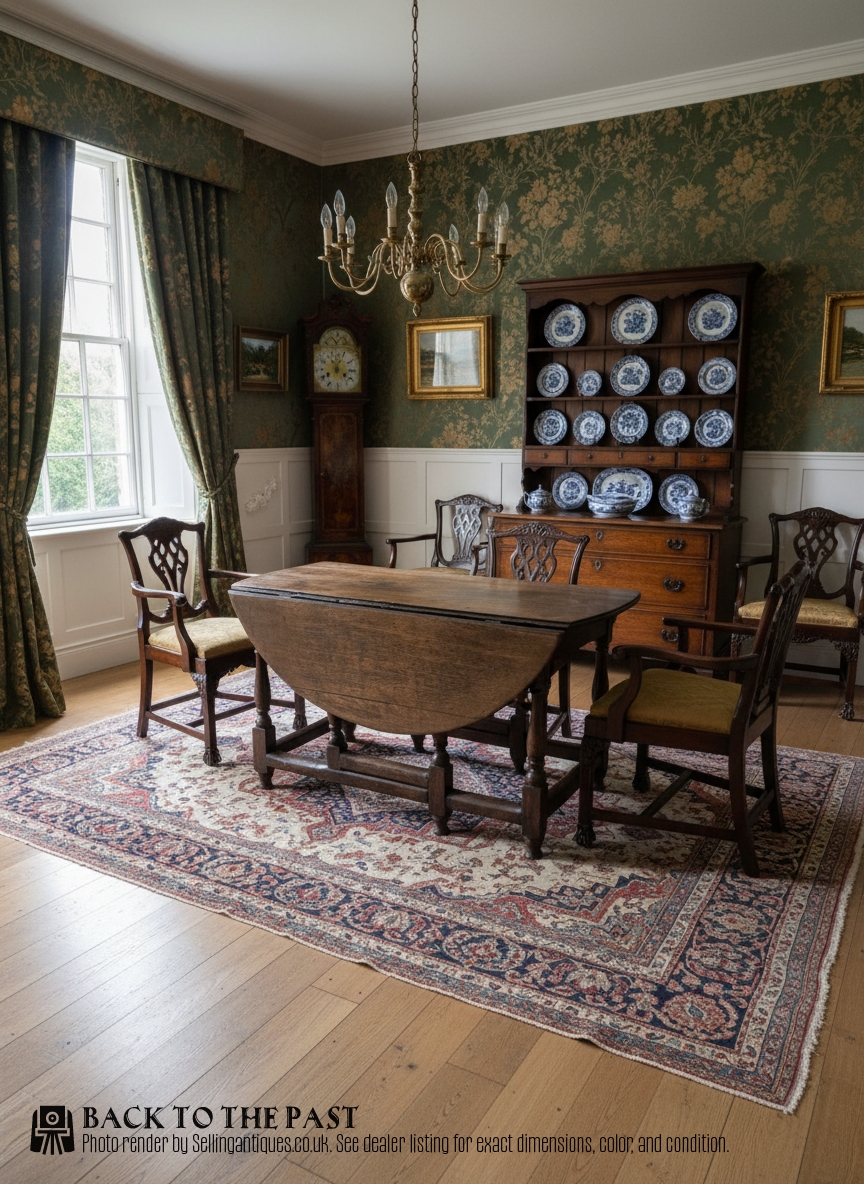
An antique oak drop leaf table is a versatile form of timber furniture featuring a fixed centre section and hinged flaps that raise to create a larger surface. Buyers searching this phrase most commonly encounter gateleg tables, where swinging legs support the extended leaves.
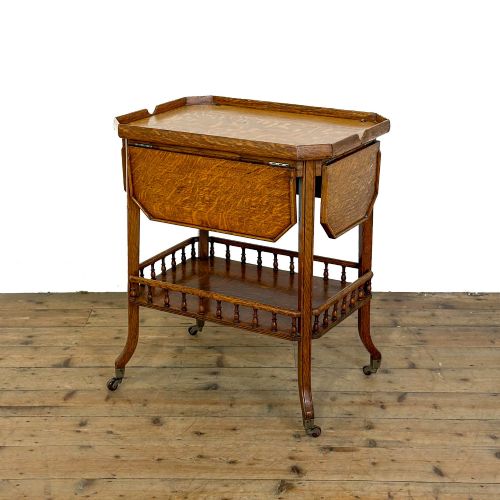
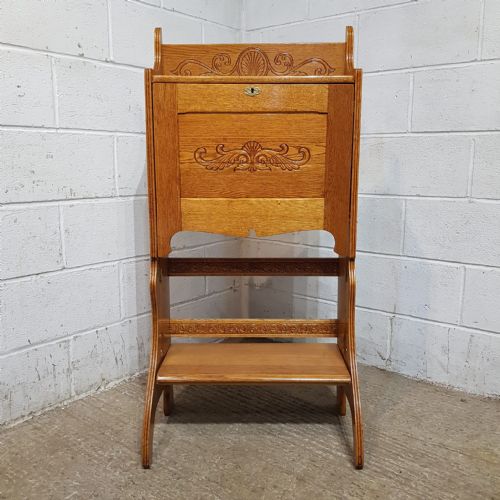
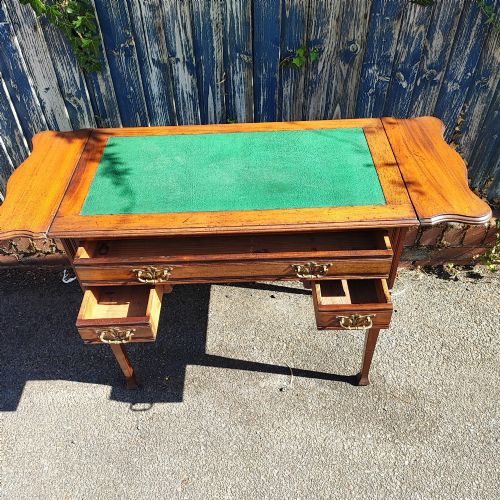
The selections span centuries of cabinet making, ranging from 17th-century and 18th-century dining tables to Edwardian side tables and later revival pieces. Forms vary from large dining tables to compact occasional, coffee and lamp tables.
Origin points across the stock include English and Welsh workshops, utilising native timbers to construct durable furniture intended for daily domestic use.
How they were made
Construction relies primarily on solid oak, frequently paired with iron hardware for hinges and fixings, alongside tiger oak and pale oak variations. Master joiners employed traditional framing methods to ensure stability across the moving leaf joints.
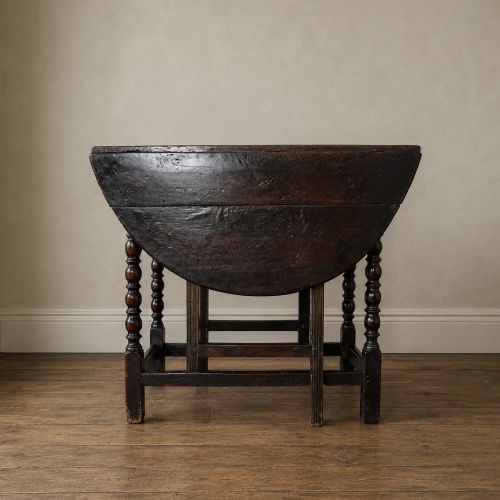
Turning techniques define the structural supports, with carvers and turners producing bobbin turned legs, barley twist supports and plain rectilinear stretchers. Surfaces occasionally feature carved ornamentation on rails and friezes.
Retail Price Guide 2026
Typical UK retail prices for oak drop leaf, calculated from the Sellingantiques database of over a million retail prices indexed since 2003. This retail price guide relies exclusively on Sellingantiques data; no external sources or auction records are used, so the figures do not describe the wider market.
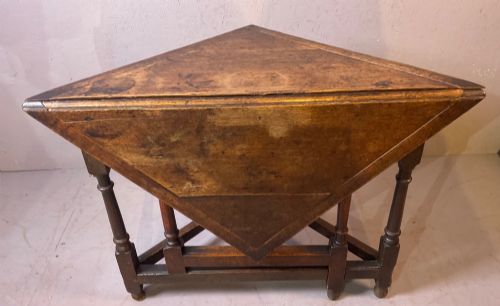
Some Edwardian tables sneakily double as corner furniture, proving that Victorians loved folding things into corners almost as much as we do.
What varies in quality
The calibre of timber selection dictates the visual weight of the piece, with dense grain figuring and solid oak construction marking out superior examples. Poorer specimens rely on lighter secondary woods or display excessive timber shrinkage around the hinges.
Joinery execution separates standard utility tables from exceptional examples, visible in how cleanly the gatelegs swing and how flush the leaves meet the fixed top when raised. The precision of the turnery on legs and stretchers further indicates workshop proficiency.
The Antique Oak Drop Leaf Glossary
- Gateleg table
- A table with hinged flaps supported by legs that swing outward on a gate-like action. This design provides robust support for the drop leaves.
- Bobbin turned
- Leg and stretcher components shaped on a lathe to resemble a series of wooden bobbins or spools. This decorative turning style is common on 17th-century pieces.
- Barley twist
- A spiral turning technique applied to table legs, resembling a twisted rope. This profile gained popularity in later Victorian and Edwardian iterations.
- Pembroke table
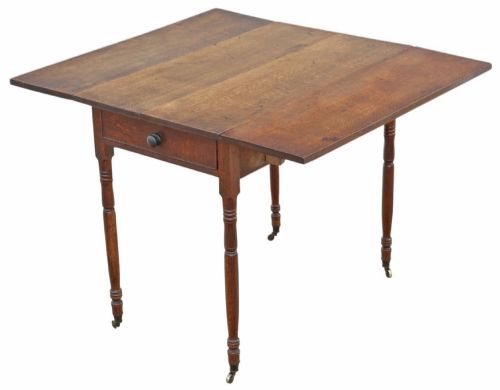
- A small rectangular table featuring two drop leaves on opposing sides and a drawer. They typically serve as occasional or Pembroke style accent pieces.
Frequently Asked Questions
How do I use a drop leaf table in a small room?
Keep both leaves dropped against the central section to utilise the piece as a narrow console or side table against a wall.
Raise one or both flaps only when surface area is required for dining or working, then fold them back down to reclaim floor space.
How can I tell a 17th-century table from a later revival?
Early pieces display authentic hand-tooled joinery marks, peg construction, and dense native timber showing genuine age-related oxidation and wear patterns.
Revival furniture from the 19th and 20th centuries often uses machine-cut components and standardised hardware that lacks the irregularities of period work.
What is the difference between a gateleg and a Pembroke table?
Gateleg tables feature hinged leaves supported by swinging leg assemblies that pull out from the frame to bear the weight of the entire top surface.
Pembroke tables utilise simpler hinged brackets or rule joints to support smaller drop leaves and usually include an integrated drawer.
How do I care for antique oak timber surfaces?
Apply natural beeswax polish occasionally and buff with a soft cloth to nourish the grain and maintain a protective barrier against moisture.
Avoid placing oak furniture in direct sunlight or near heat sources to prevent the solid timber from drying out and splitting.