



18th Century Oak Furniture
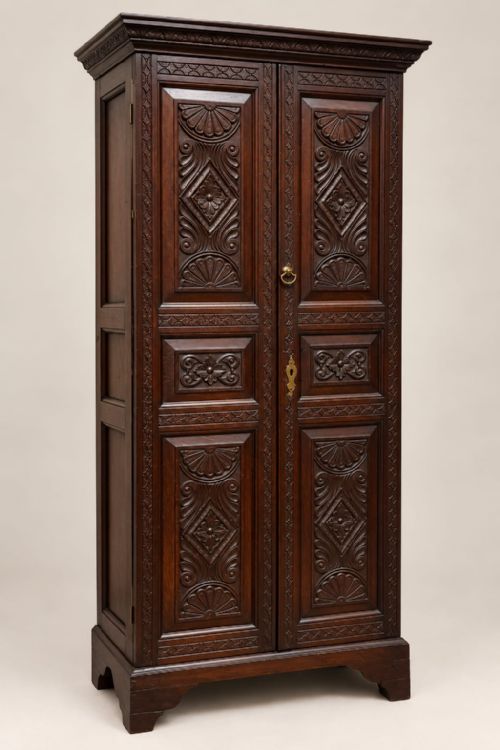
These pieces of 18th century oak furniture bring robust joinery and rich grain directly into everyday rooms.
18th Century Oak Furniture
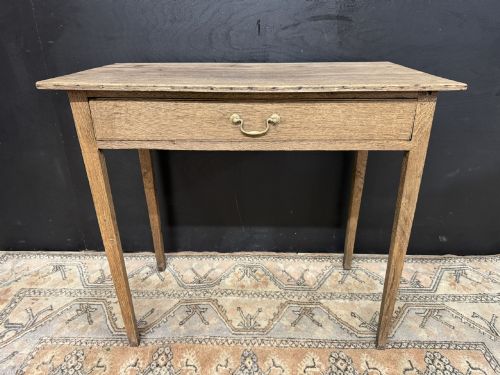
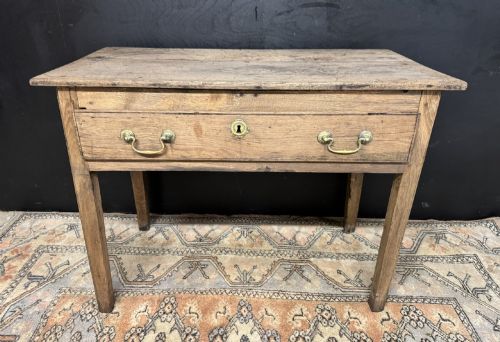
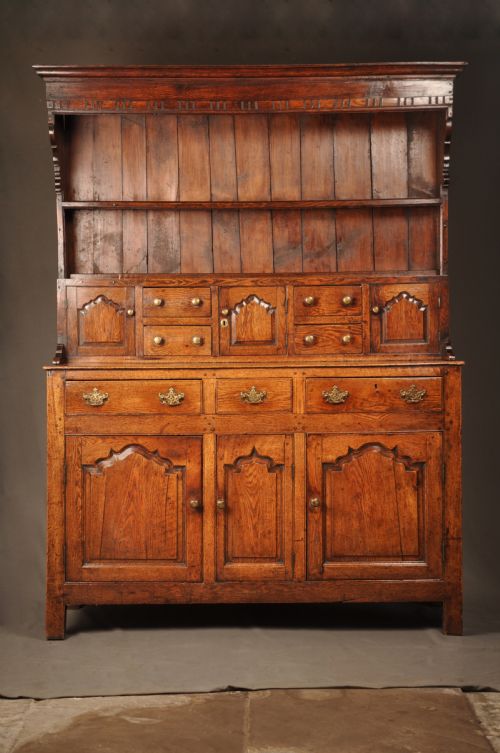
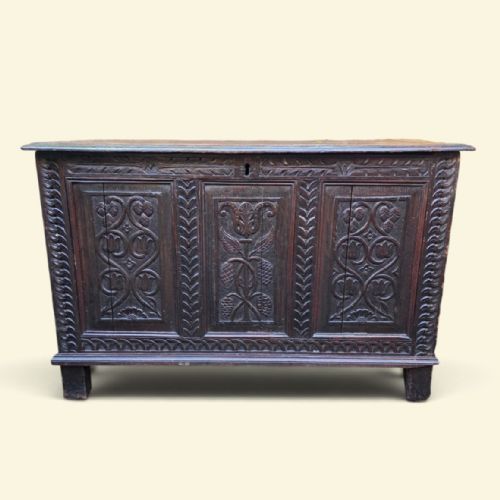
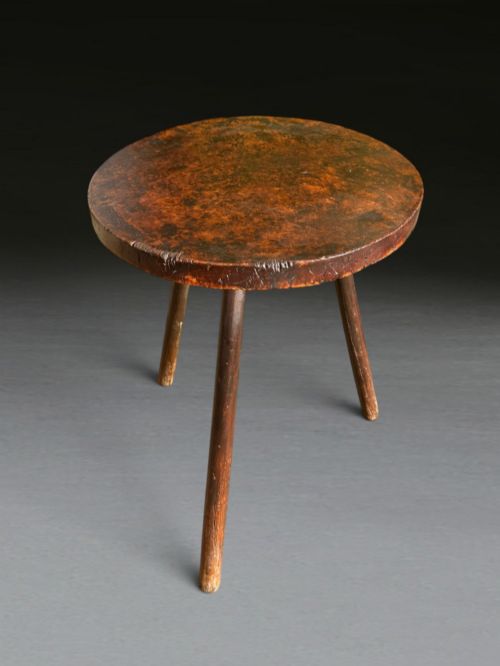
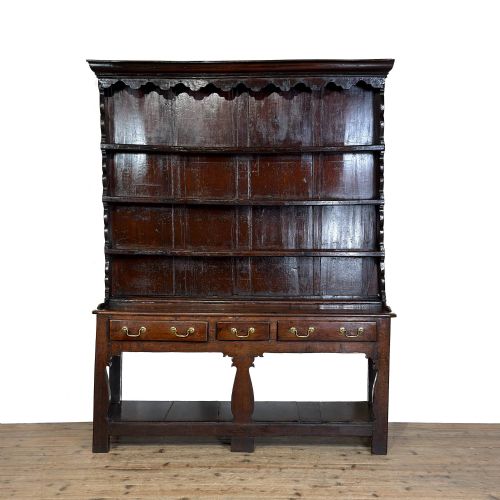
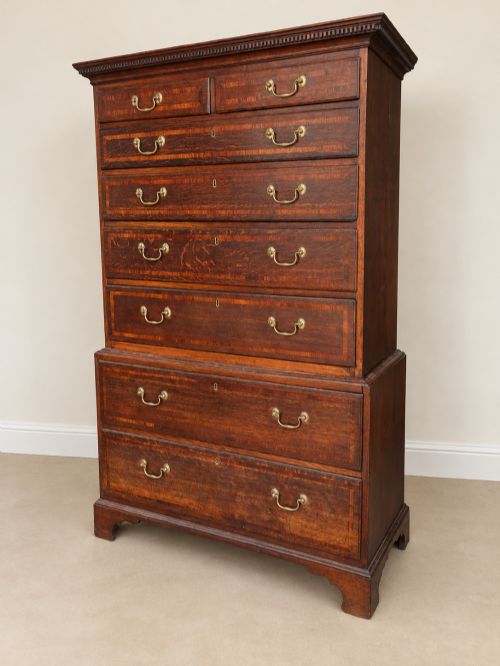
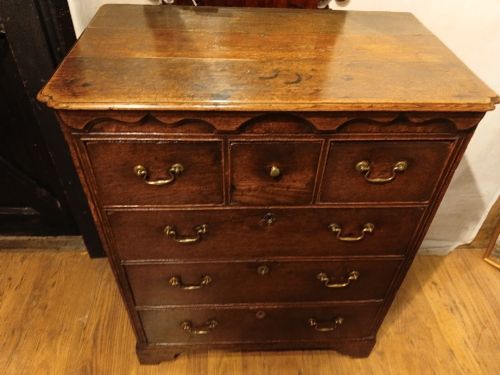
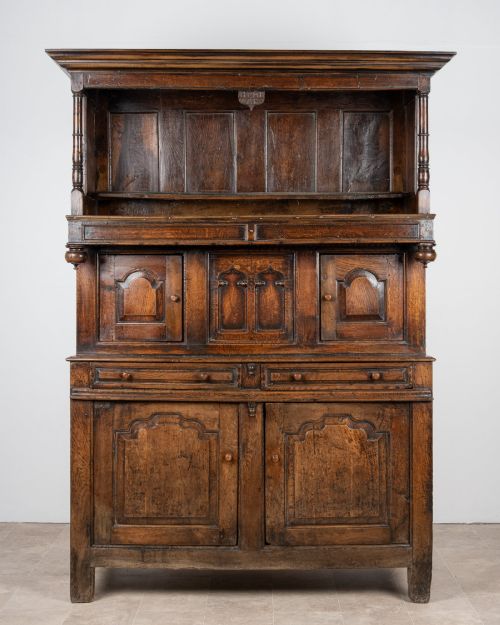
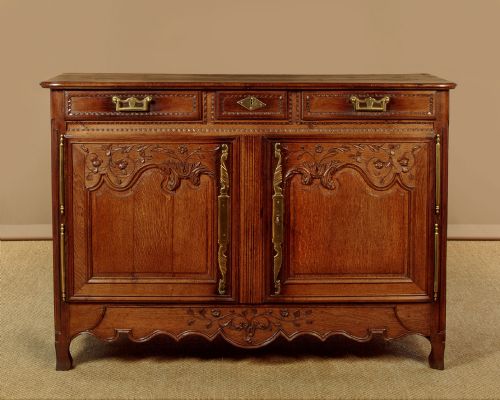
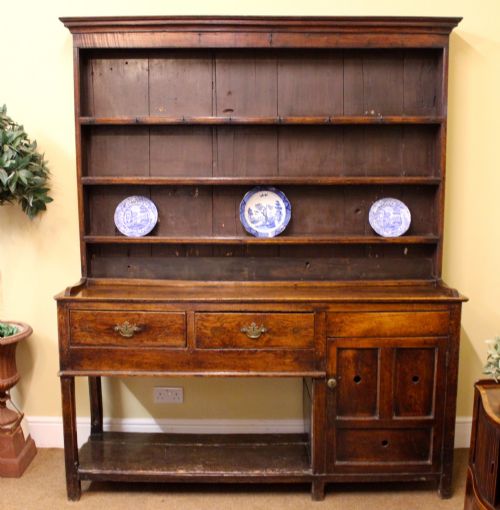
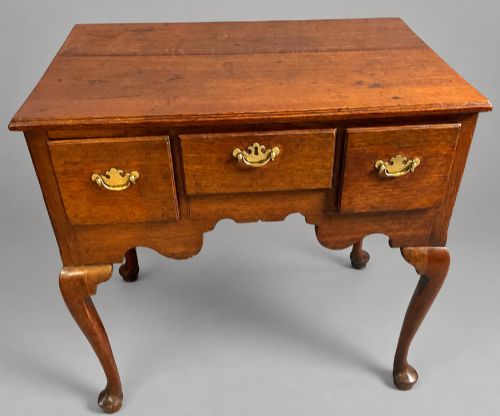
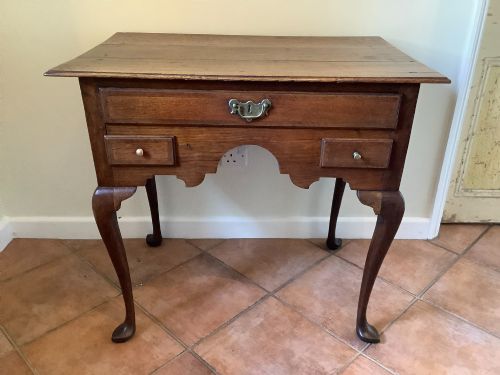
Buyers seeking 18th century oak furniture encounter a range of sturdy domestic items built for daily utility across English, Welsh, and European homes. The selection frequently includes chests of drawers, dressers, settles, lowboys, and cricket tables originating from the eighteenth century and the broader Georgian period.
Regional vernacular pieces appear often, particularly Welsh dressers, box settles, and tridarns reflecting local cabinet-making traditions. Smaller items such as child chairs, side tables, and coffers also populate the selection, showing solid construction in oak alongside secondary woods like ash and elm.
Materials and Construction
Cabinet-makers built 18th century oak furniture using solid timber boards joined with mortise and tenon techniques, often incorporating burr oak for decorative emphasis or mahogany crossbanding on later Georgian examples. Iron and brass hardware, including original drawer pulls and hinges, secured doors and drawers.
Surfaces received various treatments, from waxed finishes that highlighted the natural grain to carved detailing, geometric mouldings, and occasional painted schemes. Regional variations involved local woods like ash or elm for internal components alongside the primary oak.
18th Century Oak Furniture Retail Price Guide 2026
Typical asking prices for 18th century oak furniture among the pieces listed under this phrase on Sellingantiques today, from the lower quarter to the upper quarter. They describe what is for sale here now, not the wider market.
High-backed box settles doubled as draught-excluders in farmhouse kitchens, hiding hidden storage compartments beneath the seats for boots and blankets.
Markers of Excellence
The distinction between ordinary and superior pieces rests on the depth of the timber's patina and the crispness of any carved or panelled detailing. Examples with original brass handles, untouched surfaces, and well-preserved structural joinery command greater attention from collectors.
Proportion and regional character also define the grade of an item, such as the architectural complexity found in a tridarn or the pleasing balance of a lowboy. Alterations to the timber or replaced hardware shift a piece away from the standard set by untouched survivals.
The 18th Century Oak Furniture Glossary
- Patina
- The surface sheen and colour developed by wood over centuries of handling, exposure, and waxing. It serves as a key indicator of age and genuine use.
- Lowboy
- A small side table or dressing table featuring one or more rows of drawers beneath a flat top, typically raised on slender legs.
- Cwpwrdd Tridarn
- A traditional Welsh three-tier cupboard featuring enclosed tiers and display sections, often dated and attributed to specific local workshops.
- Cricket Table
- A small, lightweight three-legged table designed for stability on uneven floors, constructed with a round wooden top.
- Box Settle
- A high-backed wooden bench incorporating a storage compartment beneath the seat, designed to keep occupants warm from draughts.
18th Century Oak Furniture: Frequently Asked Questions
How do I care for 18th century oak furniture?
Keep wooden pieces away from direct heat sources and sudden humidity changes to prevent the solid boards from splitting or warping. Feed the timber occasionally with a traditional beeswax polish to maintain the surface condition without building up heavy residues.
Dust the surface regularly with a soft, dry cloth rather than using modern chemical sprays. Gentle maintenance preserves the historic patina and protects the original grain structure.
Were these pieces used in everyday homes?
Most of these items served practical functions in domestic spaces, from holding household linen in a coffer to serving meals on gateleg tables. Dressers and lowboys organised kitchenware and provided workspace for daily chores.
Larger furniture like settles and tridarns anchored the main living areas of country houses and farmhouses. Their durable construction ensured they survived generations of active family life.
How can I tell the difference between periods?
Early eighteenth-century pieces often display heavier proportions, geometric mouldings, and pegged joinery characteristic of earlier vernacular traditions. Items from the later Georgian era frequently incorporate finer lines, crossbanding, and classical stylistic influences.
Examining the construction methods inside drawers and at the joints reveals how cabinet-making techniques shifted over the decades. Secondary timbers used in internal framing also help establish the approximate decade of manufacture.
Where were these regional pieces made?
Many items originate from rural workshops across Wales and the English shires, where local timber dictated the character of the construction. Distinct regional styles emerged, such as the elaborate tripartite cupboards associated with Snowdonia.
Makers utilised native oak alongside local woods like ash and elm to build furniture suited to specific domestic needs. These geographical origins often remain visible in the distinctive regional vernacular design.