
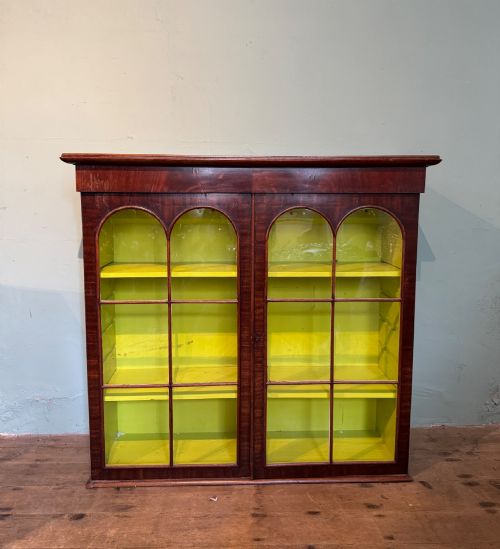
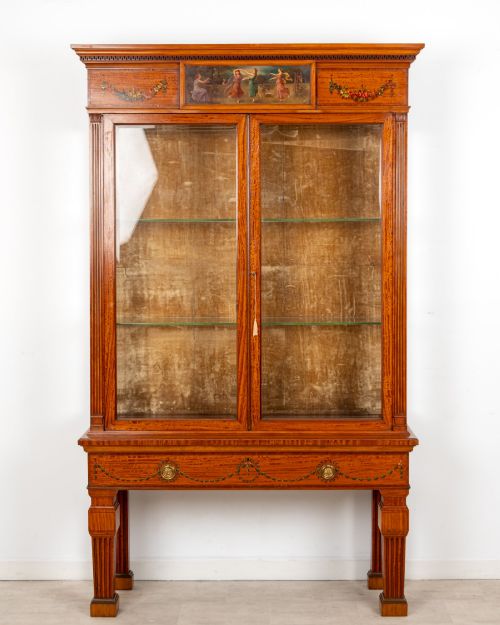
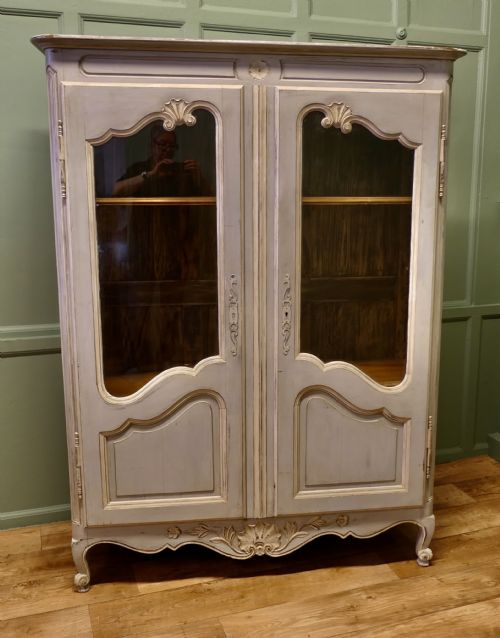
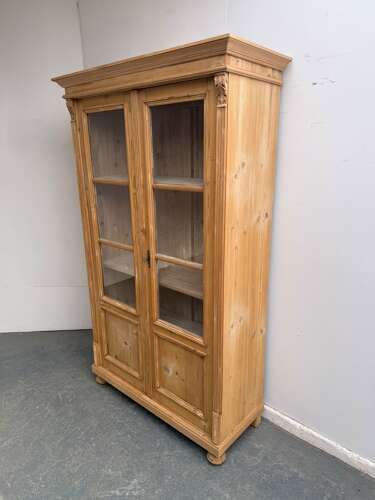
Painted Vitrine Cabinet
A painted vitrine cabinet brings together glazed display space and decorative painted surfaces, offering a traditional setting for cherished objects.
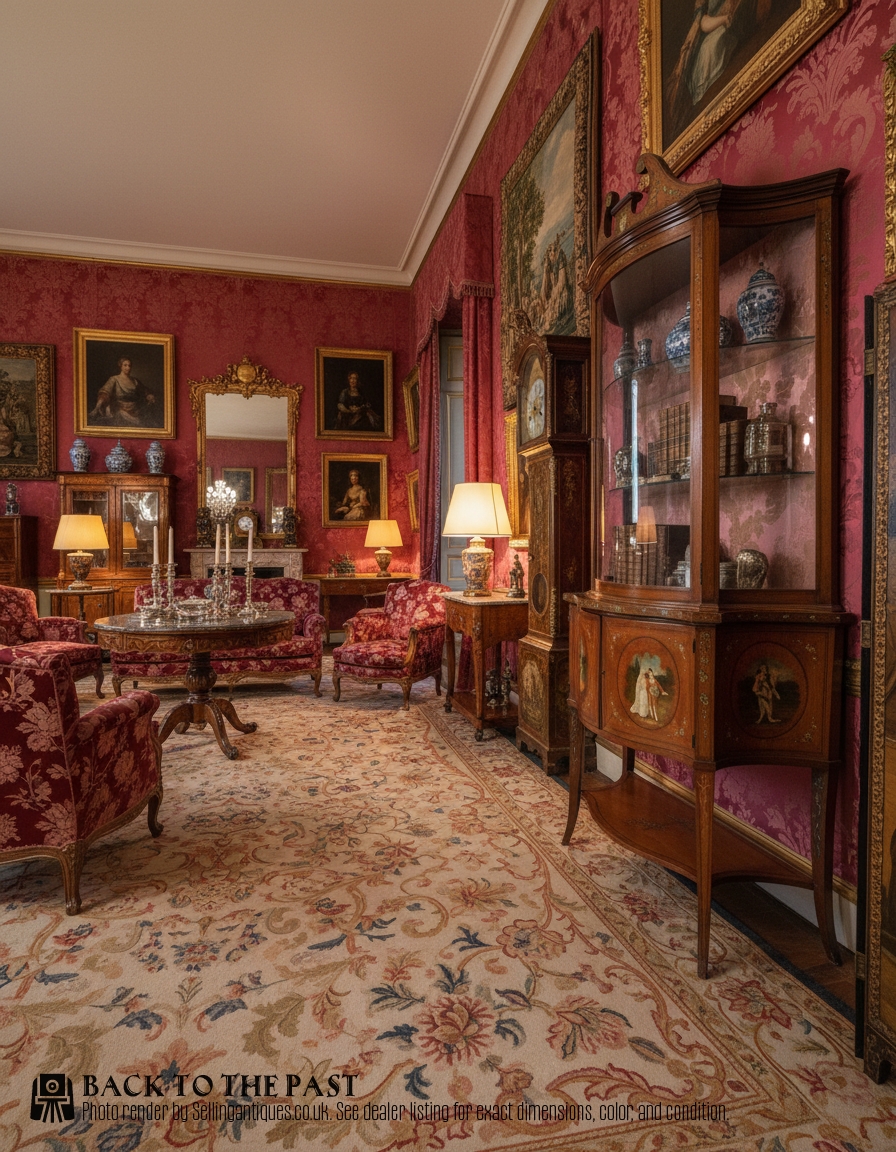
Painted Vitrine Cabinet
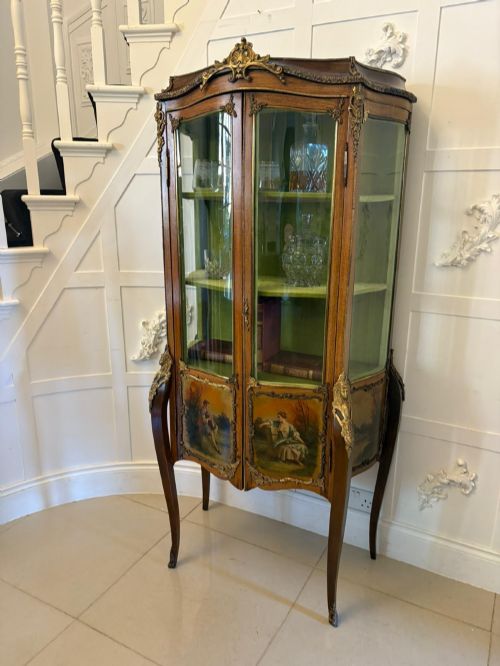
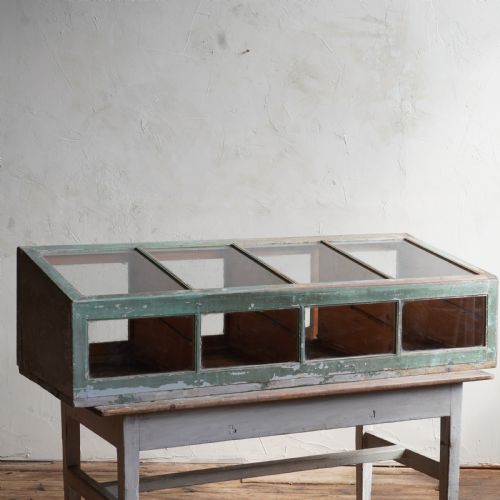
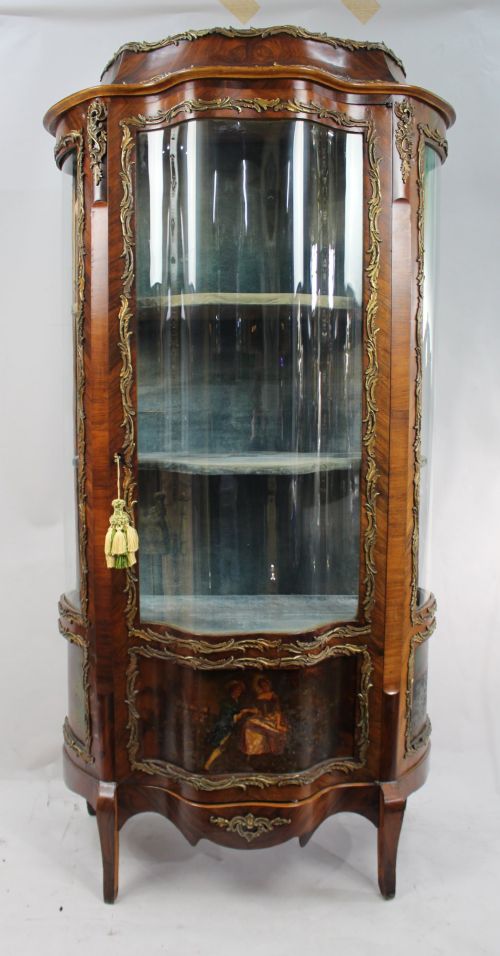
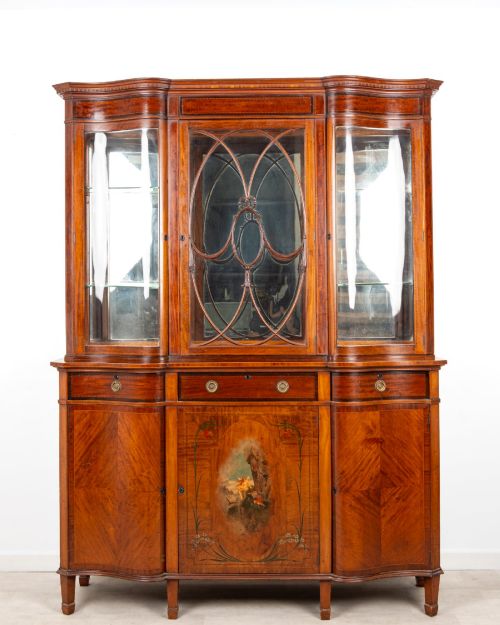
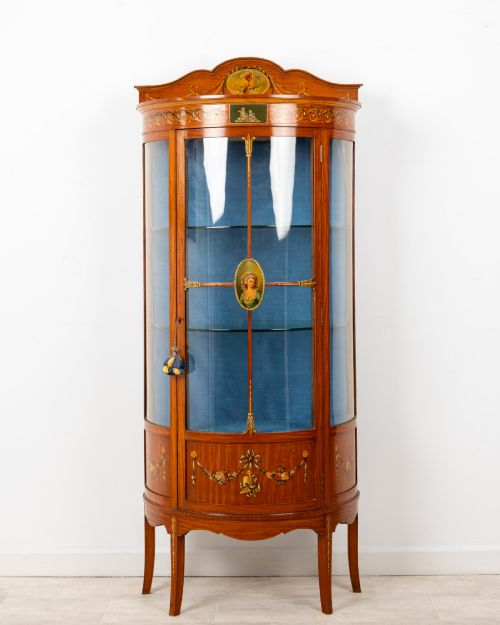
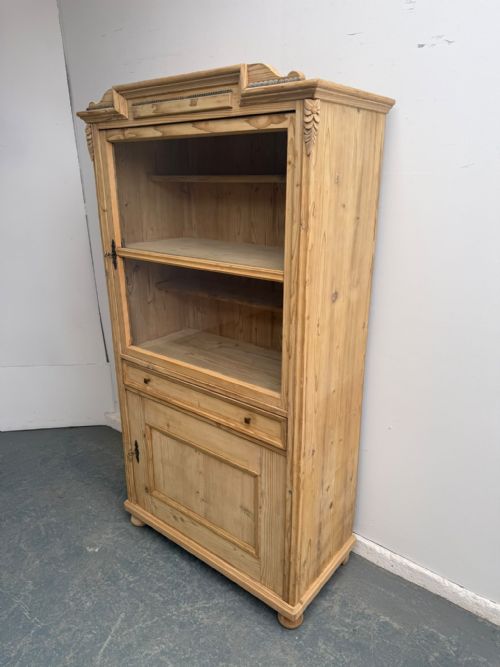
A painted vitrine cabinet combines a glazed enclosure for viewing objects with decorative painted finishes, appearing across various forms from countertop boxes to large double-door bookcases. These pieces originate primarily from the nineteenth and eighteenth centuries, with Edwardian and Victorian examples frequently represented alongside continental European pieces.
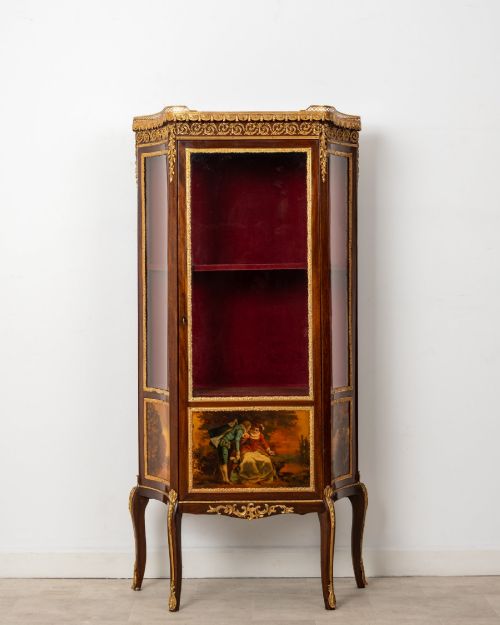
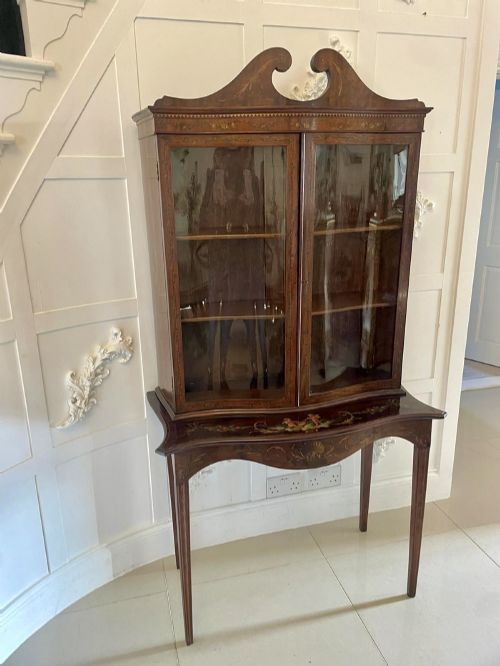
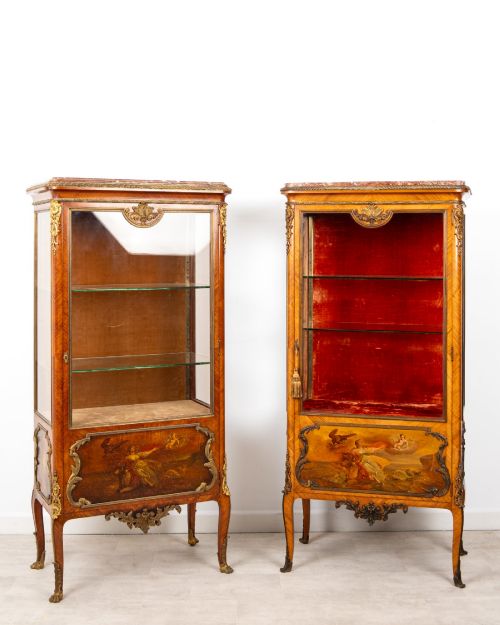
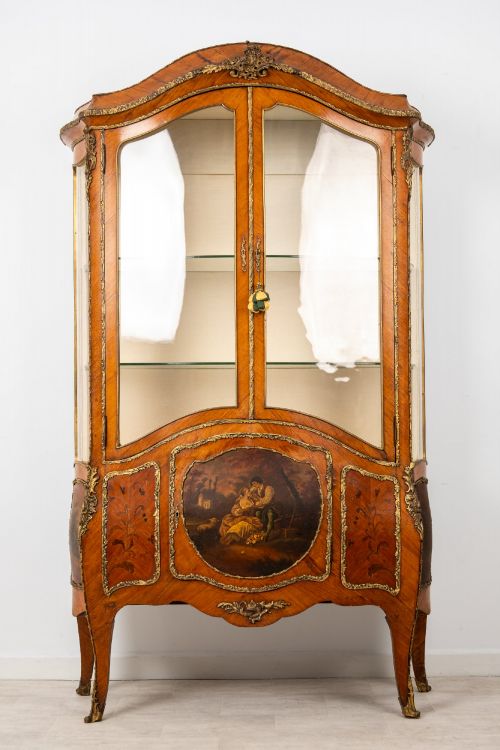
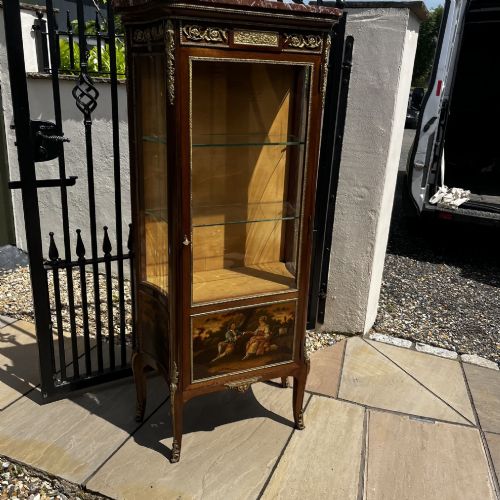
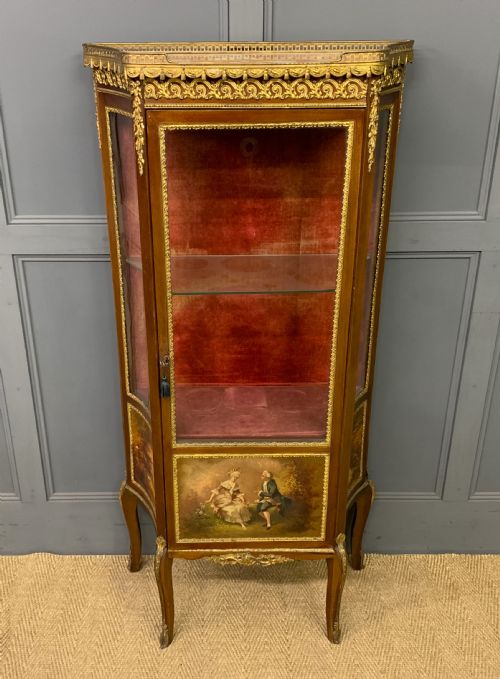
The category encompasses specific regional and stylistic variants, including French Vernis Martin cabinets adorned with painted panels, Dutch pieces with characteristic glazing, and English satinwood or mahogany furniture influenced by Sheraton and Adam revivals. Makers such as Hampton & Sons and Jewell of Holborn contributed to this tradition during the Edwardian period.
Buyers encounter freestanding double-door vitrines, serpentine and bow-fronted display cabinets, wall-hanging vitreens, and corner cabinets. Many incorporate adjustable shelves, glass panels for all-round visibility, and fitted lower cupboards beneath the main display area.
How They Were Made
Cabinetmakers constructed the carcases using timbers such as mahogany, kingwood, satinwood, and pine, often applying painted wood finishes or specialised Vernis Martin decoration. Glass panes were fitted into doors and side panels to enclose the display space securely.
Metal mounts in ormolu and brass accentuate the structure, particularly on French revival pieces, while marble tops provide durable surfaces on specific nineteenth-century examples. Painted panels frequently depict pastoral scenes or floral motifs executed in imitation of traditional lacquer techniques.
Painted Vitrine Cabinet Retail Price Guide 2026
Typical asking prices for painted vitrine cabinet among the pieces listed under this phrase on Sellingantiques today, from the lower quarter to the upper quarter. They describe what is for sale here now, not the wider market.
Several cabinets are simply waiting for a coat of paint, ready to start a brand new artistic career.
What Varies in Quality
The refinement of the painted decoration distinguishes simpler utility furniture from exceptional artistic pieces, particularly where hand-painted Vernis Martin panels or delicate satinwood brushwork are concerned. The precision of cabinet joinery, especially in curved serpentine or bow-front frames, dictates the structural integrity of the piece.
The integration of metalwork, such as chased ormolu mounts and brass fittings, marks the distinction between standard production and high-status workshop output. Original glass and well-preserved marble tops further contribute to the standing of an individual cabinet.
Hampton & Sons·Jewell of Holborn·H. Martin·François Linke
The Painted Vitrine Cabinet Glossary
- Vitrine
- A glass-fronted cabinet designed for displaying fine objects or collections. The term derives from the French word for glass.
- Vernis Martin
- A simulated lacquer finish developed in eighteenth-century France by the Martin brothers, utilising successive coats of varnish over painted decorations. It appears widely on nineteenth-century revival furniture.
- Ormolu
- Gilt bronze mounted onto furniture for decorative effect. It was cast and chased before being applied to prominent sections of nineteenth-century cabinets.
- Satinwood
- A durable timber with a natural golden lustre, frequently used for fine veneers and painted cabinet furniture during the Edwardian and Sheraton revival periods.
- Serpentine
- A curved furniture shape featuring a convex centre flanked by concave curves. This contour requires skilled woodworking to achieve.
Painted Vitrine Cabinet: Frequently Asked Questions
What is a painted vitrine cabinet?
A painted vitrine cabinet is a glazed display piece featuring decorative painted surfaces, designed to showcase porcelain, glassware, or small ornaments while protecting them from dust.
These cabinets range from compact wall-hanging vitrines to large freestanding bookcases with multiple shelves and glazed doors.
How do I date a painted vitrine cabinet?
Dating relies on examining the timber construction, the style of the painted decoration, and hardware such as hinges and locks. Nineteenth-century examples often display French revival influences, while Edwardian pieces frequently utilise satinwood and lighter painted motifs.
Stylistic markers like Sheraton revival details or specific maker signatures provide further chronological context for individual pieces.
Where should I place a vitrine cabinet?
These cabinets suit principal reception rooms, hallways, or libraries where their glazed panels and painted finishes can be viewed clearly. Placing them away from direct sunlight protects both the internal display items and the exterior painted wood.
Freestanding models require stable, level flooring to ensure the glazed doors open and close smoothly.
What items belong inside a vitrine?
Glass shelves and internal glazing make these cabinets ideal for displaying ceramics, silverware, glassware, and small collectibles. The enclosed space keeps delicate objects secure while allowing all-round visibility.
Adjustable shelving heights accommodate objects of varying sizes within the same display enclosure.