



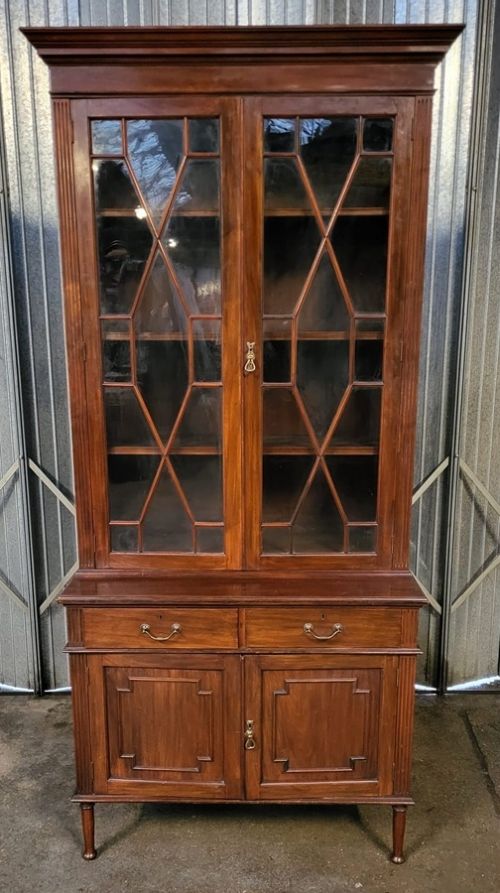
Georgian Style China Cabinet
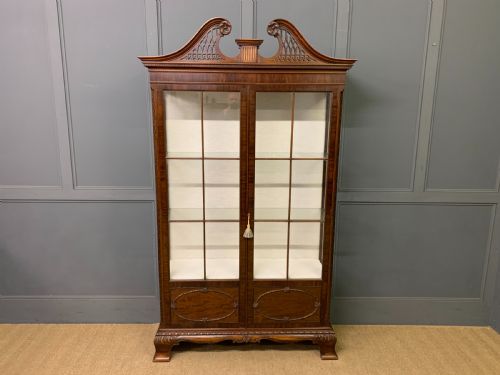
These georgian style china cabinets bring classic elegance to any room, offering refined timber construction and glass display space for prized possessions.
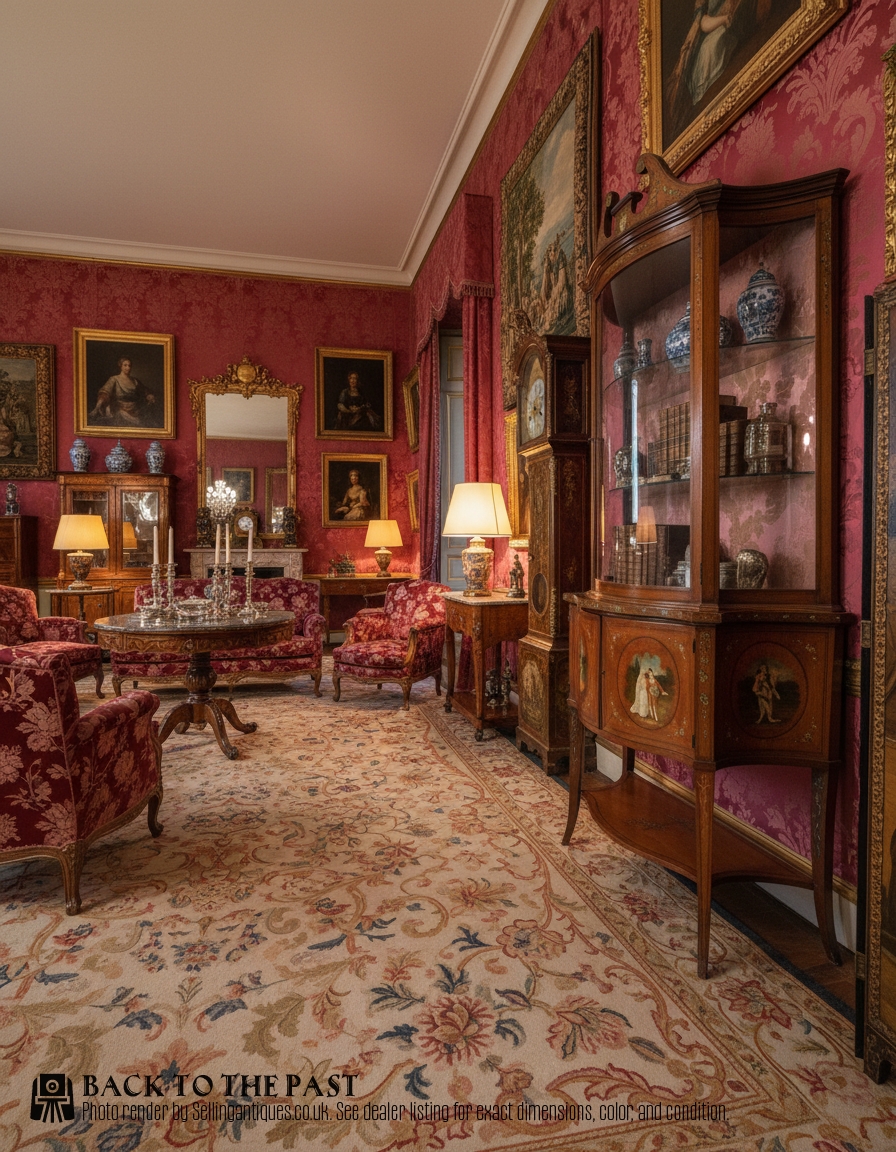
What They Are
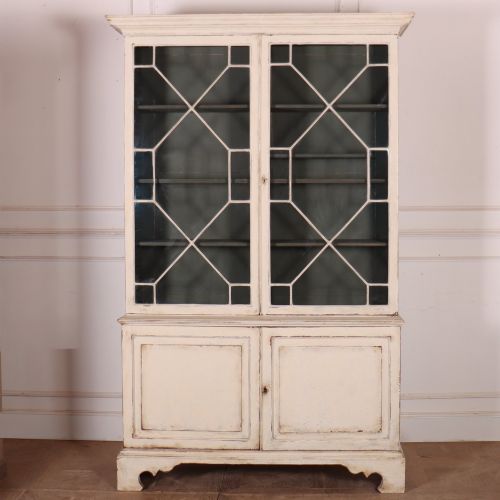
When searching for a georgian style china cabinet, buyers encounter revival interpretations from the nineteenth and early twentieth centuries rather than authentic eighteenth-century originals. These pieces draw heavily on Sheraton and Chippendale design vocabularies, translated through later craftsmanship.
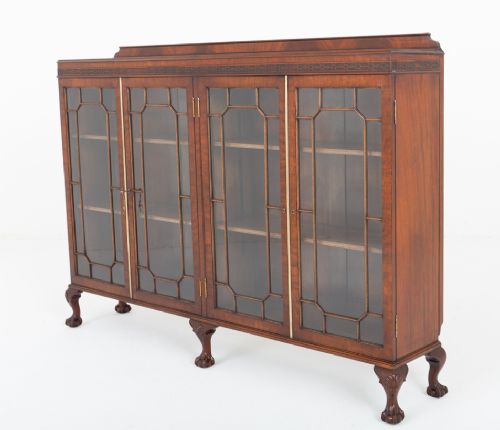
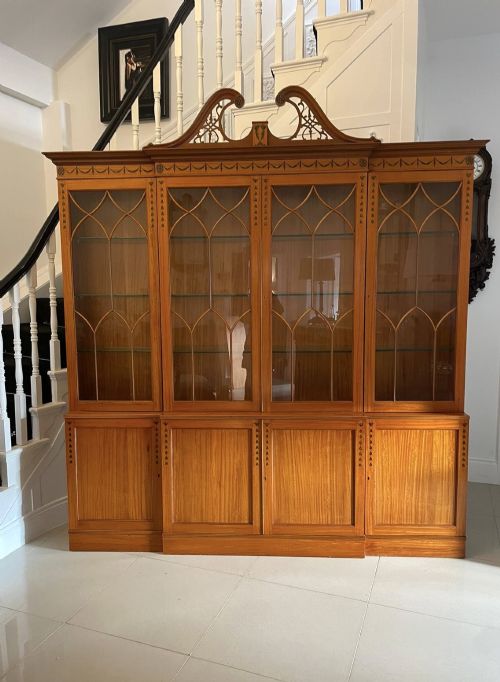
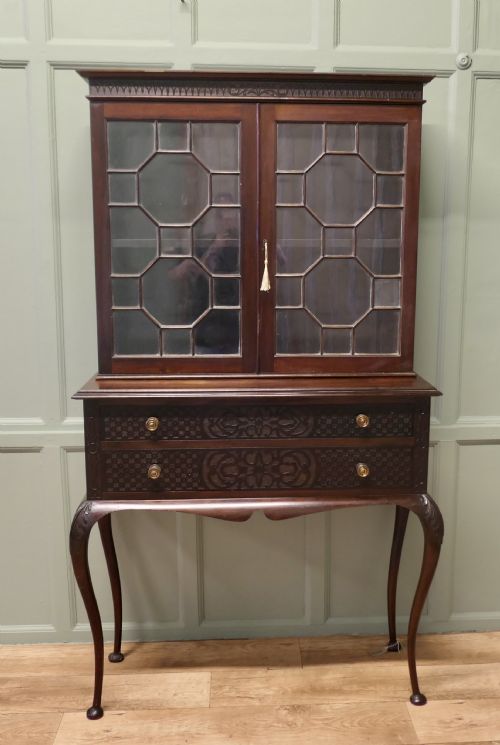
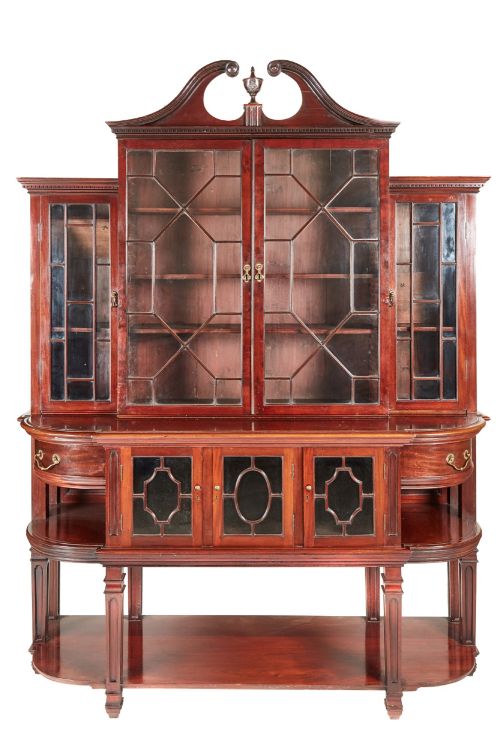
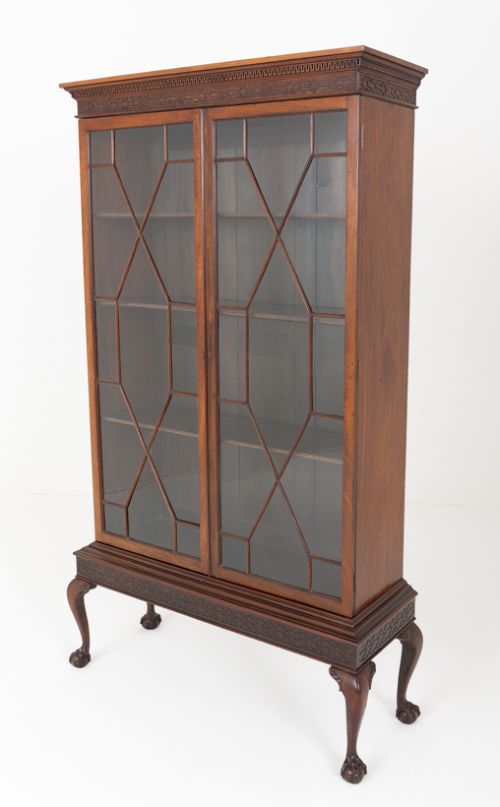
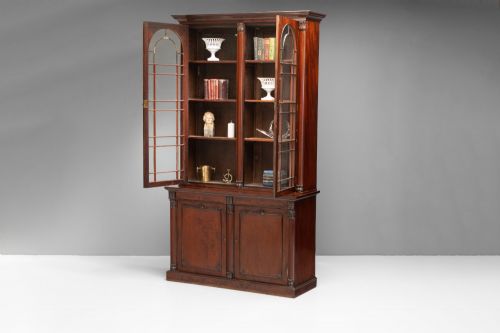
The inventory on this page spans distinct forms including tall display cabinets, cabinets on stands, silver cabinets, and bowfront variants. Mahogany, satinwood, and burr walnut form the structural and decorative basis of these items.
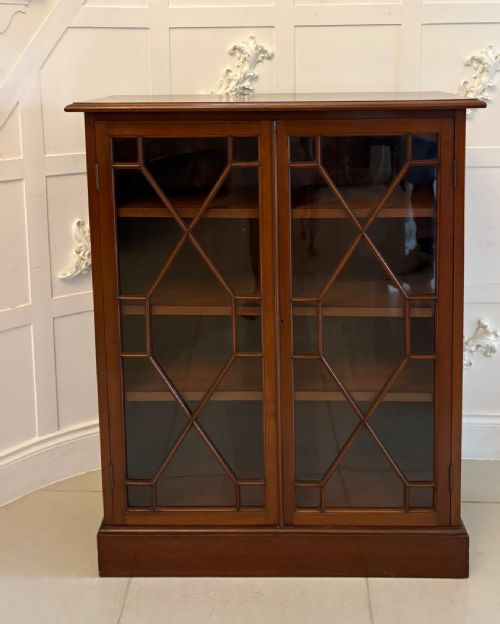
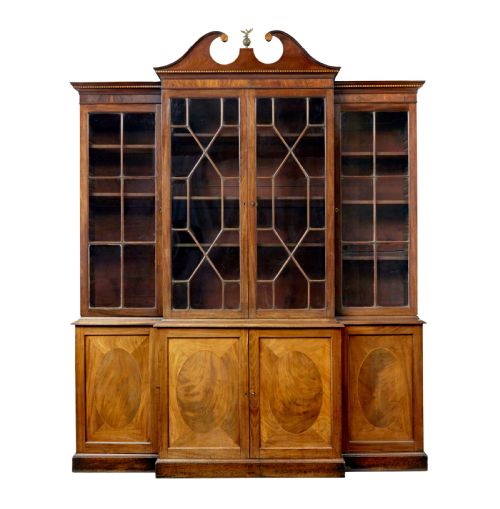
Revival cabinet makers incorporated classic glazed doors, astragal bars, and inlaid decoration to recreate the Georgian aesthetic for later domestic interiors. Pieces range from straightforward mahogany single-door formats to intricately painted satinwood examples.
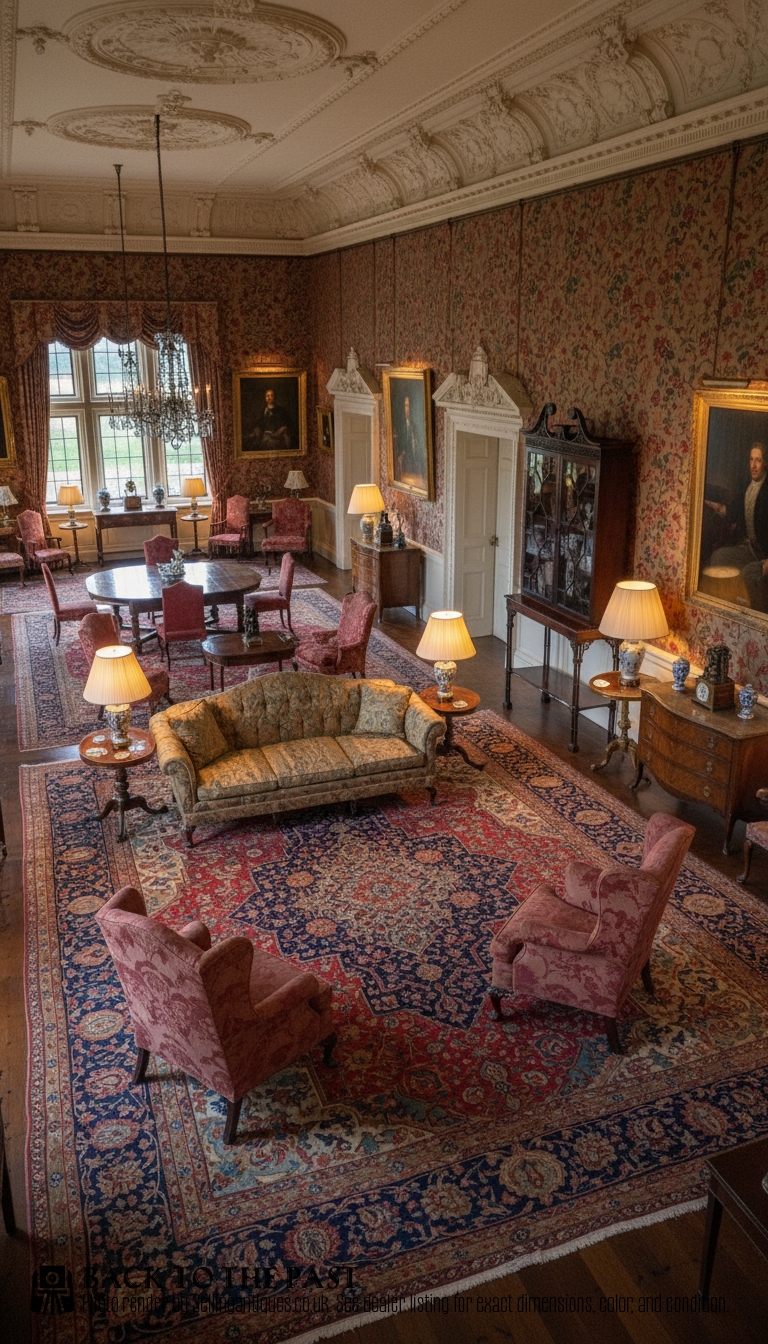
How They Were Made
Makers utilised dense timbers such as mahogany and burr walnut for the primary carcasses, often applying satinwood veneers for contrasting panels and decorative surfaces. Cabinet-makers incorporated glass panels within timber frames, using wood or brass details to finish the structures.
Surface ornament relied on fine inlay work, painted details, and occasional carved elements in the Chippendale revival manner. Interior display areas frequently featured fabric linings to set off porcelain collections, while brass hardware secured doors and drawers.
Retail Price Guide 2026
Typical UK retail prices for georgian style china cabinet, calculated from the Sellingantiques database of over a million retail prices indexed since 2003. This retail price guide relies exclusively on Sellingantiques data; no external sources or auction records are used, so the figures do not describe the wider market.
The documented revival styles span Sheraton and Chippendale designs, appearing across display cabinets, silver cabinets, and cabinets on stands.
What Varies in Quality
The distinction between standard and superior pieces rests upon the precision of the cabinet-making and the fidelity of the revival style. Hand-cut inlay, finely glazed astragal bars, and the selection of highly figured timber veneers elevate individual examples above simpler production.
Execution of decorative details, from painted satinwood panels to carved mahogany mouldings, dictates the visual success of the piece. The integration of functional hardware, such as brass fittings and well-hung doors, reflects the original maker's investment of time and skill.
The Georgian Style China Cabinet Glossary
- Astragal glazed
- Glass panels held within a grid of narrow wooden bars. This technique divides the large viewing area into smaller geometric panes characteristic of eighteenth-century furniture design.
- Cabinet-on-stand
- A distinct furniture form where a display or storage cabinet rests upon an elevated supportive base with legs. This configuration lightened the visual weight of large timber furniture.
- Bowfront
- A curved front facade that gently swells outward in the centre. This shape softens the corners of dining and living rooms while providing additional interior depth.
- Sheraton revival
- A late nineteenth-century design movement inspired by the neoclassical furniture of Thomas Sheraton. It relies on restrained classical proportions, satinwood veneers, and delicate inlay.
Frequently Asked Questions
Are these cabinets genuine eighteenth century?
The pieces available on this page date from the nineteenth century and around nineteen hundred, representing later revival periods rather than authentic Georgian originals.
Craftsmen during the Victorian and Edwardian eras constructed these items using period-appropriate timbers and historic decorative vocabularies.
What is a cabinet on stand?
A cabinet on stand consists of an upper display section supported by an open framework of legs rather than resting directly on the floor. This architectural form elevates the display area and creates a lighter profile in a room.
Such pieces often feature delicate legs joined by stretchers for structural stability.
How do I care for mahogany furniture?
Maintain mahogany surfaces by dusting regularly with a soft, dry cloth and avoiding placement near direct heat sources or strong sunlight. These precautions prevent timber from drying out or veneers from lifting over time.
Occasional treatment with appropriate natural waxes helps preserve the sheen of the polished wood.
What is satinwood painted furniture?
Satinwood is a light-coloured, lustrous timber that provides a pale canvas for decorative hand-painted motifs. Makers utilised this combination during revival periods to achieve a refined neoclassical appearance.
Painted panels typically depict floral swags, classical urns, or delicate ribbonwork.