




18th Century Style Bureau
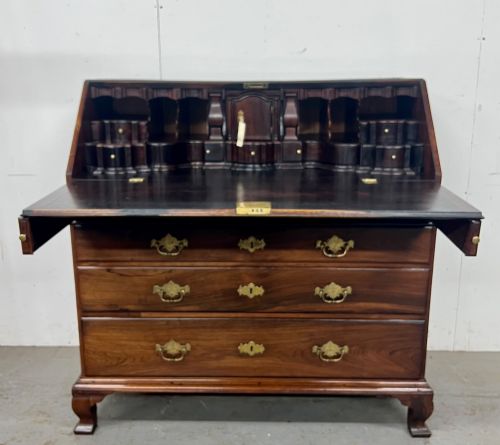
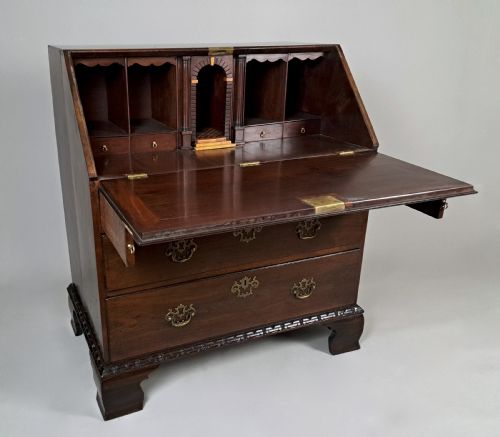
These 18th century style bureau pieces offer practical writing surfaces and concealed storage wrapped in period elegance.
What these pieces are
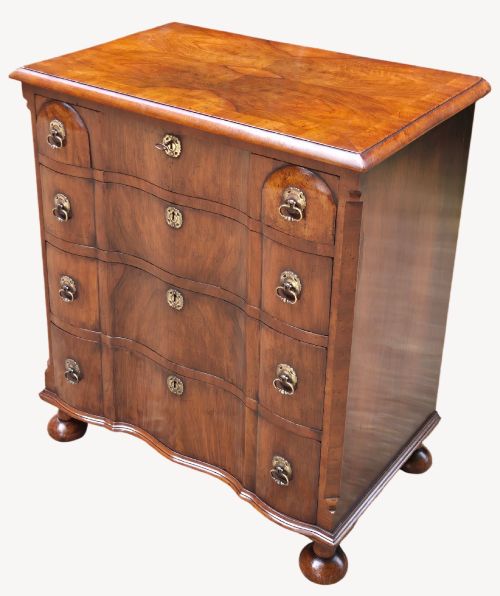
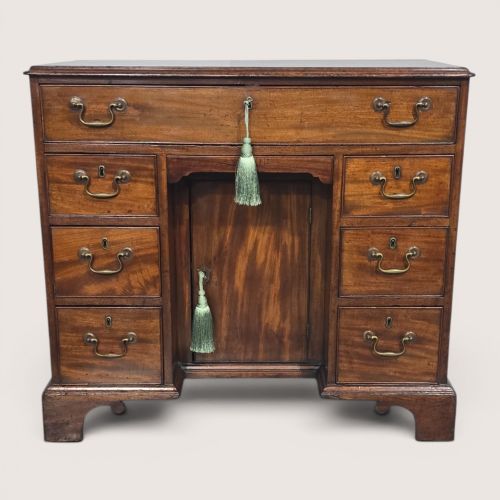
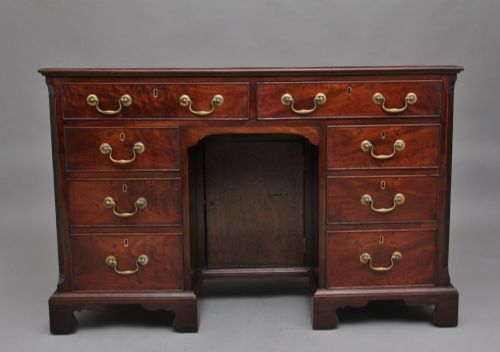
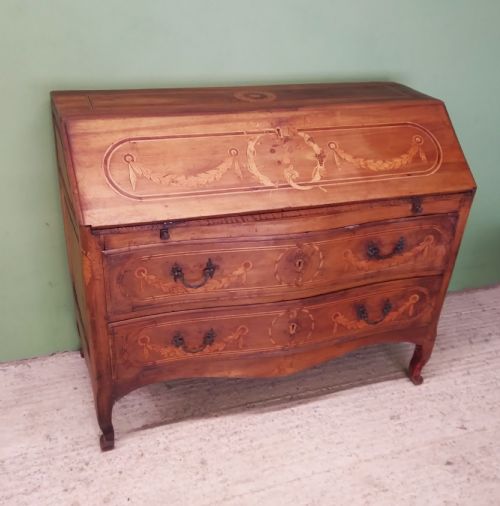
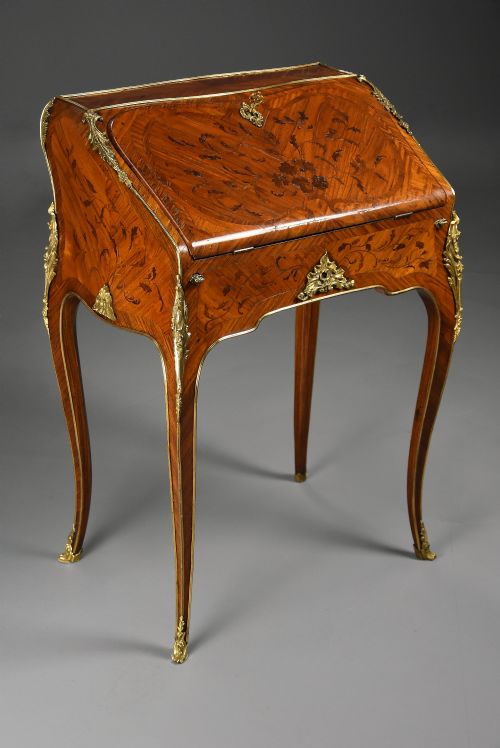
The selections available on this page span several distinct periods including Georgian, 19th Century, 1800, 1860, 1910, and 1920 examples. Buyers most frequently meet walnut, burr walnut veneer, and mahogany constructions alongside decorative variations finished in marquetry inlay, red lacquer, and brass hardware.
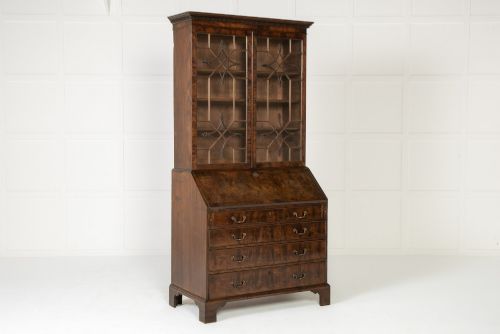
Stylistic influences observed across the inventory draw heavily upon Dutch Baroque, Dutch Rococo, Queen Anne, Chippendale, and Louis XV designs. Makers working in these idioms adapted historical proportions for later interiors, resulting in both bureau on stand formats and tall bookcase units.
How they were made
Cabinetmakers constructed these writing pieces using solid timbers alongside decorative veneers such as burr walnut and fruitwood applied to secondary framing. Brass handles, escutcheons, and hinges were fitted to secure drawers and fall fronts while adding metallic contrast to the timber surfaces.
Surface decoration frequently involved intricate marquetry inlay techniques or red lacquer finishes applied to emulate Asian export screens and European court tastes. Specialised furniture makers utilised traditional joinery methods to build internal pigeonholes, sliding wells, and tiered bookcase superstructures.
Retail Price Guide 2026
Typical UK retail prices for 18th century style bureau, calculated from the Sellingantiques database of over a million retail prices indexed since 2003. This retail price guide relies exclusively on Sellingantiques data; no external sources or auction records are used, so the figures do not describe the wider market.
Some bureau interiors hide secret compartments beneath sliding wells, designed for stashing love letters and small fortunes.
What varies in quality
Quality in an 18th century style bureau rests primarily on the selection of timber veneers and the precision of the marquetry inlay. Pieces featuring figured burr walnut or meticulously cut floral marquetry demonstrate a higher degree of artisan skill than plain mahogany surfaces.
The complexity of the form also dictates the tier of the piece, separating simpler writing desks from elaborate bureau bookcases and Dutch Baroque cabinets with fitted interiors. Structural integrity, clean movement in the fall front mechanism, and matching grain patterns separate standard workshop output from exceptional cabinetwork.
BVRB
The 18th Century Style Bureau Glossary
- Bureau
- A writing desk featuring a sloping lid or fall front that opens to reveal internal compartments and document drawers.
- Marquetry Inlay
- Decorative patterns formed by fitting contrasting veneer slices into a prepared wood ground to create pictorial or geometric designs.
- Fall Front
- The hinged writing flap on a bureau that drops down to a horizontal position to provide a flat working surface.
- Bureau Cabinet
- A tall piece of furniture combining a writing bureau base with an upper shelving or bookcase section enclosed by doors.
- Burr Walnut
- Highly figured wood grain harvested from walnut tree growths, prized for its swirling patterns and utilised extensively as a fine veneer.
Frequently Asked Questions
What is an 18th century style bureau?
An 18th century style bureau is a enclosed writing desk featuring a sloping hinged lid that opens to form a writing surface above drawers or a stand. These items were designed to keep writing materials and private correspondence neatly concealed when not in use.
Over subsequent decades, cabinetmakers reproduced and adapted these forms using periods like the Georgian era as inspiration. They remain practical household items that combine surface workspace with vertical storage.
How do I tell different periods apart?
Telling periods apart involves examining the timber selection, decorative techniques, and structural hardware used in the construction. For instance, Dutch Baroque and Rococo examples often display elaborate floral marquetry, whereas later 19th and early 20th century interpretations lean towards cleaner mahogany or burr walnut surfaces.
Checking secondary woods and interior construction methods helps determine whether a piece originates from the Georgian period or represents a later revival style. Comparing the brass handles and escutcheons to known historical designs provides further chronological clues.
Where were bureau bookcases used?
Bureau bookcases were traditionally placed in libraries, studies, and formal drawing rooms of large townhouses and country residences. The upper bookcase section stored reference volumes and prized book collections, while the lower bureau served as a private writing station.
In modern interiors, these tall combination pieces function well as statement furniture in living rooms or home offices. They offer generous display and storage capacity without occupying an excessive amount of floor space.
How should I care for walnut veneer?
Caring for walnut veneer requires keeping the furniture away from direct sunlight and sudden shifts in temperature or humidity. Excessive dryness can cause the thin decorative veneer layers to lift or split away from the primary timber frame.
Applying microcrystalline wax periodically helps nourish the wood and maintain a protective sheen on the surface. Avoid using harsh chemical sprays or silicone polishes that can damage the antique finish over time.