
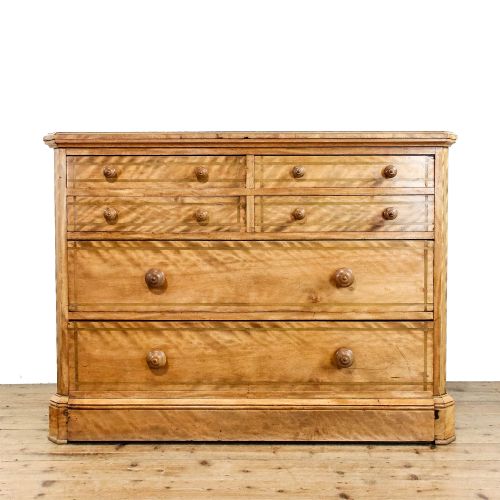
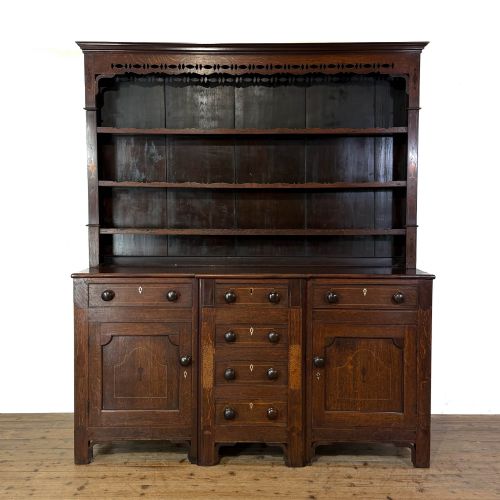
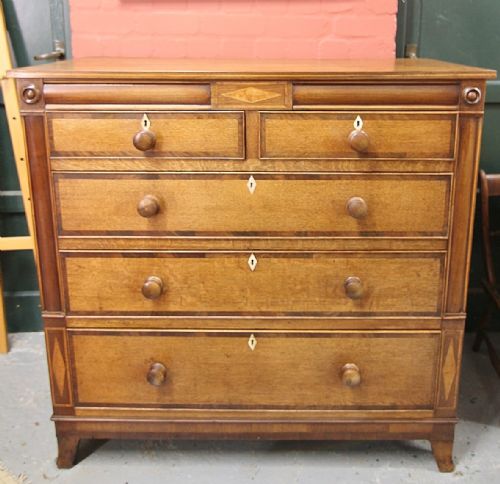


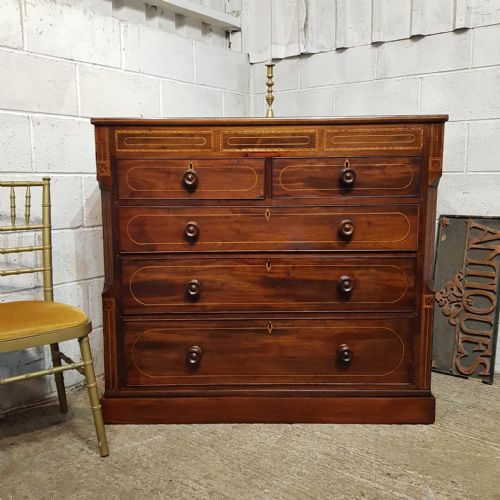



Victorian Inlaid Dresser
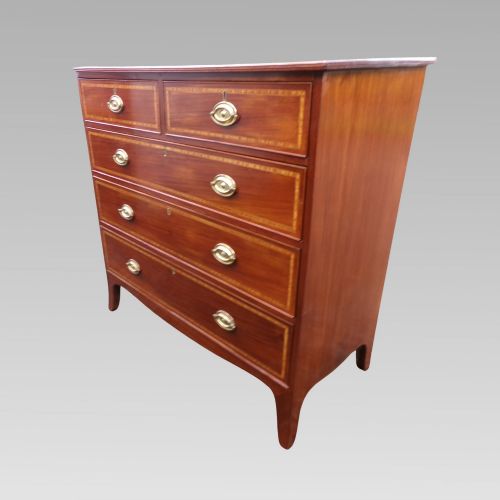
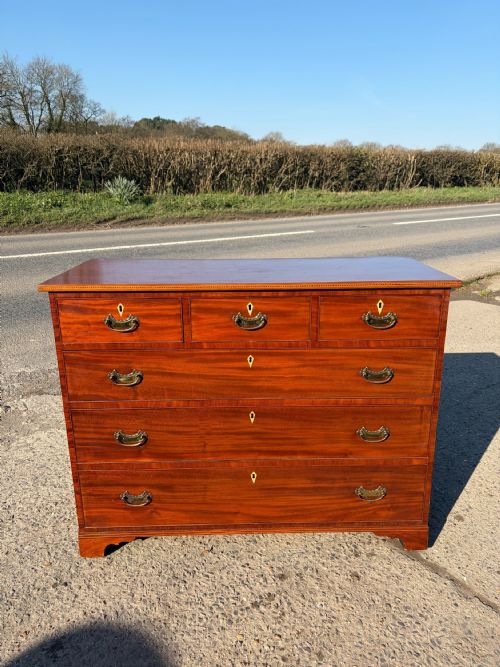
A victorian inlaid dresser brings together rich timber surfaces and delicate contrasting stringing for a striking storage piece in any room.
Victorian Inlaid Dresser
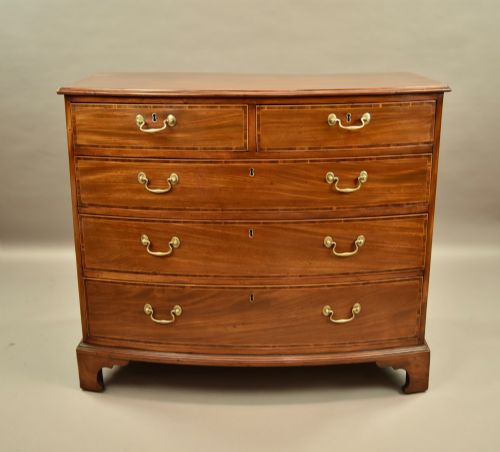
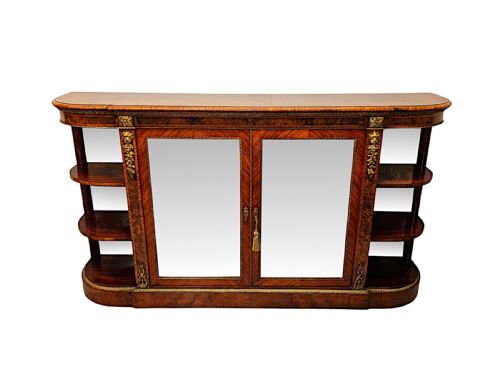
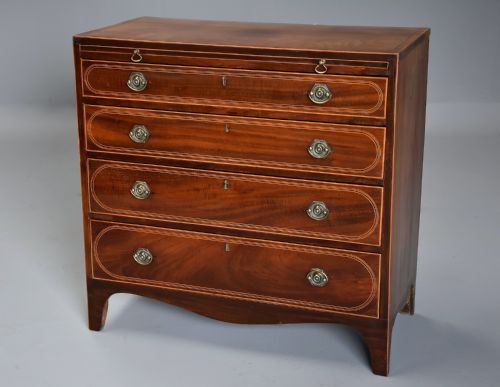
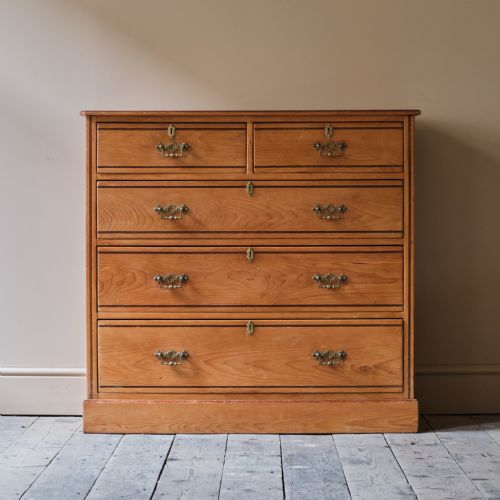
When searching for a victorian inlaid dresser, buyers encounter a diverse mix of forms including chests of drawers, credenzas, sideboards, and traditional kitchen dressers. Mahogany, burr walnut, and satinwood dominate the selection, often accented with boxwood or brass details.
The most common pieces on this page are upright chests of drawers and formal sideboards created during the nineteenth century. These items blend practical storage capacity with decorative surface treatments suited to formal reception rooms and parlours.
Regional variations also appear alongside metropolitan designs, ranging from Welsh country dressers in oak and pine to refined revival pieces carrying Sheraton or Hepplewhite influences. Each format reflects the specific domestic needs of nineteenth-century households.
Materials and construction methods
Cabinet makers utilised dense hardwoods such as mahogany, rosewood, and walnut as primary foundations for these case pieces. Satinwood and burr veneers provided striking grain patterns across drawer fronts and doors.
Wood inlay, boxwood stringing, and mother of pearl added intricate geometric or floral motifs into the timber surfaces. Ormolu mounts and brass hardware further enhanced the decorative scheme of high-status credenzas and sideboards.
Secret compartments tucked cleverly inside drawer structures offer nineteenth-century cabinet makers a quiet way to outwit curious family members.
Distinguishing quality in nineteenth-century cabinetry
The standard of execution in the timber veneer and precision of the inlay work largely define the tier of a piece. Crisp mitres, tight joints, and well-chosen grain alignments separate superior workshop output from simpler vernacular items.
The complexity of the secondary materials, such as the inclusion of ormolu mounts, specimen woods, or mirrored backs, elevates specific examples. Integrated secret drawers and balanced proportions indicate higher workshop ambition.
Gillows·Druce And Co·Mawer And Stephenson·Shapland And Petter
The Victorian Inlaid Dresser Glossary
- Inlay
- The technique of embedding contrasting pieces of wood or shell flush into a solid timber base to create a decorative pattern.
- Crossbanding
- A narrow strip of veneer applied to the border of a drawer front or tabletop with the grain running perpendicular to the main panel.
- Credenza
- A low dining room side cabinet, frequently fitted with glass doors and elaborate marquetry, popular in the nineteenth century.
- Stringing
- Thin lines of contrasting wood inlay used to outline drawer edges, panels, and tabletops in geometric designs.
- Marquetry
- Elaborate decorative veneer work assembled from various woods and materials to form pictorial or scrollwork scenes.
Victorian Inlaid Dresser: Frequently Asked Questions
What is the difference between a sideboard and a dresser?
Sideboards generally function as low storage credenzas or serving tables found in dining rooms, featuring cupboards and drawers beneath a flat top. Dressers often incorporate upper shelving racks or display areas alongside lower cabinet storage.
Traditional country versions utilise pine and oak for daily utility, while formal nineteenth-century variations employ rosewood, mahogany, and elaborate marquetry for display.
How do I identify a Sheraton Revival piece?
Sheraton Revival furniture draws inspiration from late eighteenth-century neoclassical designs, typically showcasing light satinwood veneers and symmetrical proportions. These items frequently incorporate delicate boxwood stringing and painted floral motifs.
They emerged during the Victorian period as cabinet makers looked back to earlier golden ages of English furniture design.
Where were these pieces used in a Victorian home?
Sideboards and credenzas occupied dining rooms and formal parlours, serving as display surfaces for silver and porcelain while concealing linens. Chests of drawers provided essential bedroom and dressing room storage.
Larger mirror-backed sideboards were positioned in reception halls to reflect light and display decorative ornaments.
What distinguishes Aesthetic Movement furniture?
Aesthetic Movement pieces often embrace simpler geometric lines and alternative timbers like pine, moving away from heavy Victorian ornamentation. Designers in this tradition focused on craftsmanship and artistic integrity over industrial excess.
Pieces from this era maintain understated elegance through thoughtful proportions and restrained use of inlay.